














Poetry Pot, part 4: Nizar Qabbani, Syrian poet, lawyer and diplomat
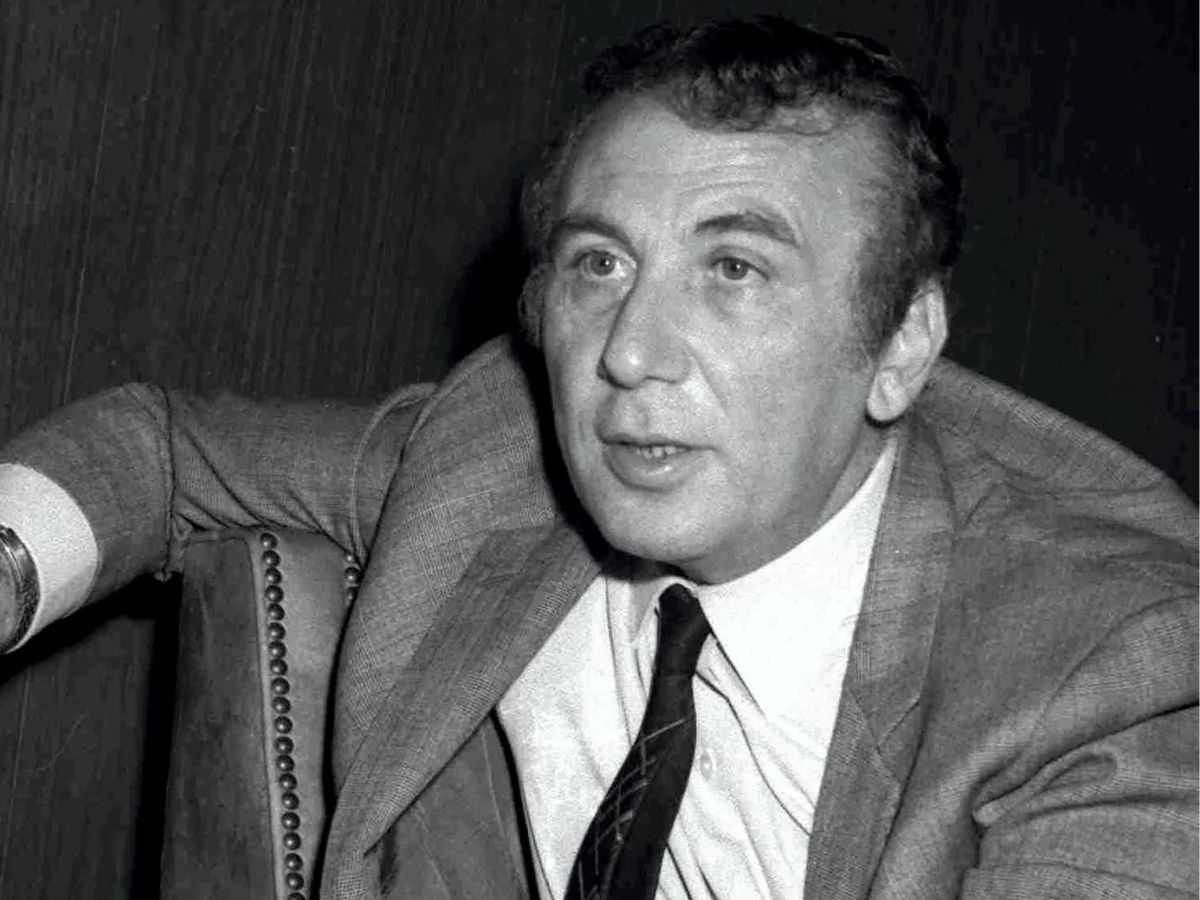
“I have no other language but love.”
— Nizar Qabbani
After journeying through the mystical world of Rumi, part 4 of our Poetry Pot series turns to a poet who, in his profoundly impactful work, not only served as an ally for women in the Levantine and Arab world, but also wasn’t afraid to speak truth to power: Nizar Qabbani, Syria’s beloved poet, lawyer, and diplomat.
Born in Damascus, Syria in 1923, Qabbani grew up in a city that remained his lasting muse. His father was a chocolate factory owner who also sheltered Syrian resistance fighters against the French mandate — and that combination of sweetness and defiance is reflected beautifully through everything Qabbani wrote.
Why Nizar Qabbani was ahead of his time
When Qabbani was fifteen, his older sister took her own life in defiance of being forced to marry a man she did not love. That traumatic loss moved Qabbani to channel his voice in ways that would eventually establish him as one of the pioneering feminist voices in modern Arabic poetry. He dedicated many of his works to criticizing traditional social norms that oppressed women, using his poetry to urge women to challenge conventional gender roles.
Qabbani even wrote poetry from a woman’s point of view, as described in Al Majalla, “The woman he wrote of and gave a voice to in many of his poems, owned her body. He wanted women to occupy their rightful place in public thought and emotion.”
For Qabbani, this wasn’t just a political stance, it was personal, urgent, and years ahead of its time. In the deeply conservative literary world of mid-20th century Arab society, this was radical. Other writers sometimes labelled him “az’ar” — a slang term implying degeneracy and moral looseness. He kept writing anyway.
How Nizar Qabbani stood out as a poet
Qabbani moved away from the ornate, formal structures that defined classical Arabic poetry and instead used language that was direct and accessible to the reader. His writing had a freer, more natural style that mirrored the way people actually spoke.
“In the summer
I stretch out on the shore
And think of you
Had I told the sea
What I felt for you,
It would have left its shores,
Its shells,
Its fish,
And followed me.”
— Nizar Qabbani
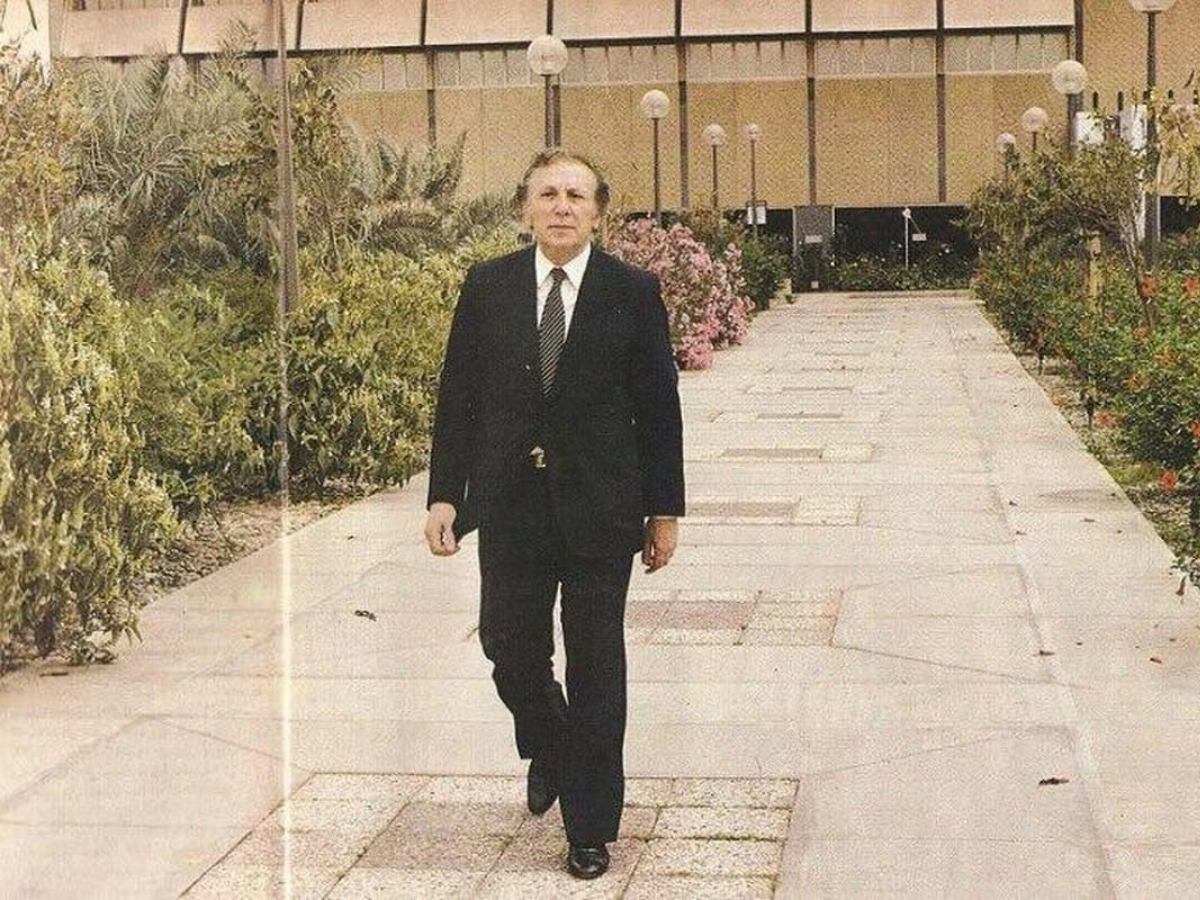
His poetry often had a more conversational tone, and he avoided obscure metaphors and symbolism, which resonated with a broad audience. For this reason, many of his poems were adapted as lyrics for some of the Arab world’s most iconic singers, including Umm Kulthum, Fairuz, Abdel Halim Hafez, and Kazem Al Saher. Al Saher even released an entire album called Rawae’ Nizar Qabbani (Nizar Qabbani’s Masterpieces), a collection of songs drawn from Qabbani’s poems — including Zidini Ishqan (Love Me Even More), which Qabbani wrote specifically for Al Saher to perform.
As a poet and a writer, Qabbani’s words broke through dimensions. To this day, they’re not only read but also sung by many across the Arab world and beyond.
Personal grief and political anger
Qabbani had spent years as a Syrian diplomat, serving in embassies across Egypt, Turkey, Lebanon, Britain, China, and Spain. He was poet who knew very well that art is political.
In 1981, his second wife, Balqees al-Rawi, was killed in the Iraqi embassy bombing in Beirut. While Qabbani had already previously established himself as a political poet, his wife’s death profoundly deepened his political voice, inspiring the poem titled Balqees — a work that further collapsed the boundary between personal mourning and political rage. In it, Qabbani unleashed his fury, criticizing Arab regimes for her death.
“Balqees…
I beg your forgiveness.
Perhaps your life was the ransom of my own,
Indeed I know well
That the purpose of those who were entangled in murder was to kill my words!
Rest in God’s care, oh beautiful one,
Poetry, after you, is impossible…”
— Nizar Qabbani
As relevant as ever
Qabbani passed away in London in 1998 of a heart attack at the age of seventy-five. In his will, written from his hospital bed, he asked to be buried in Damascus — the city he described as his mother, the womb that taught him poetry, the city of Jasmine.
Although he is no longer with us, his work remains widely read and celebrated around the world, cherished for its beauty, emotional depth, and honest reckoning with love, loss, exile, and Arab identity.
“Love in the Arab world is like a prisoner, and I want to set it free.”
— Nizar Qabbani
Yet another timeless, revolutionary poet… Keep an eye out for the next Poetry Pot!
— Ghina Fahs
(All photo credit goes to respective owners, sourced from search engines)