













































It takes a village: Remembering what we’ve lost
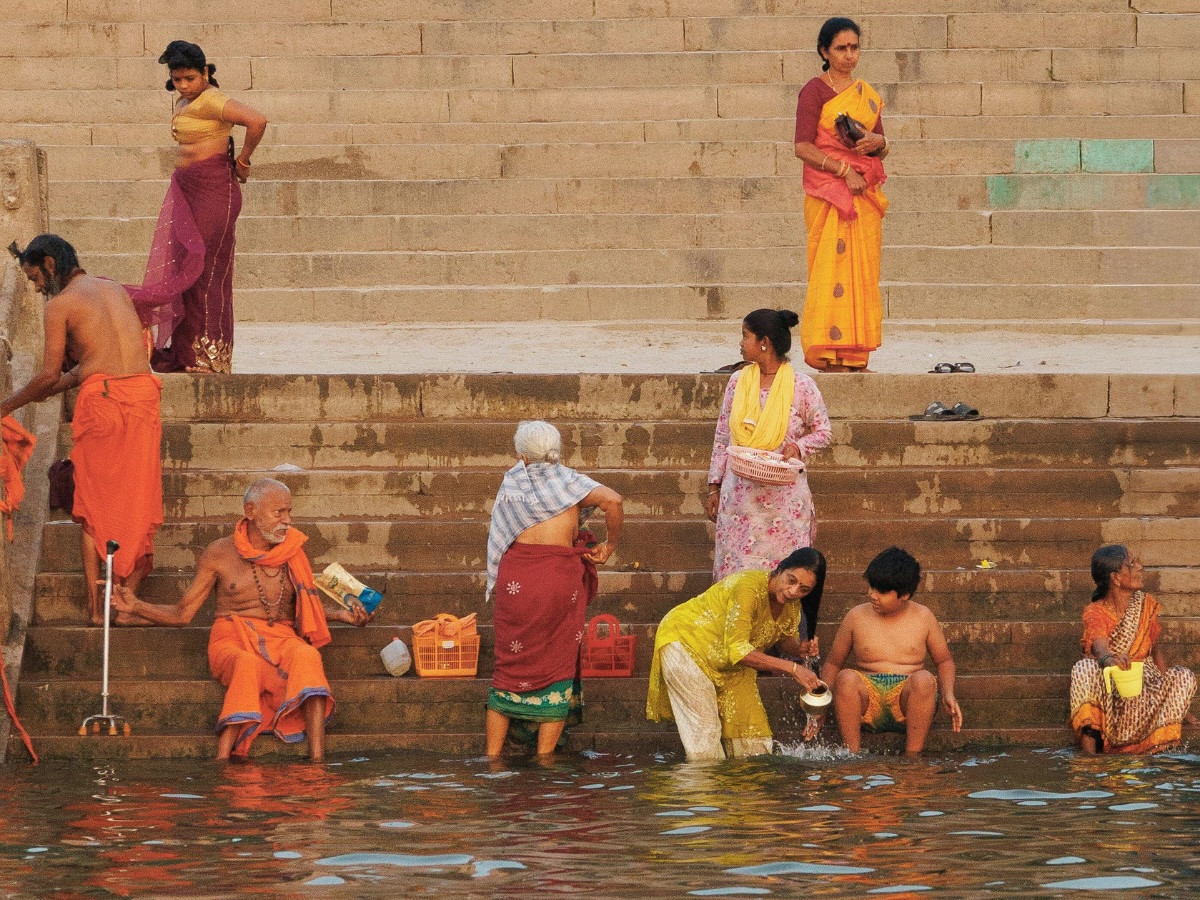
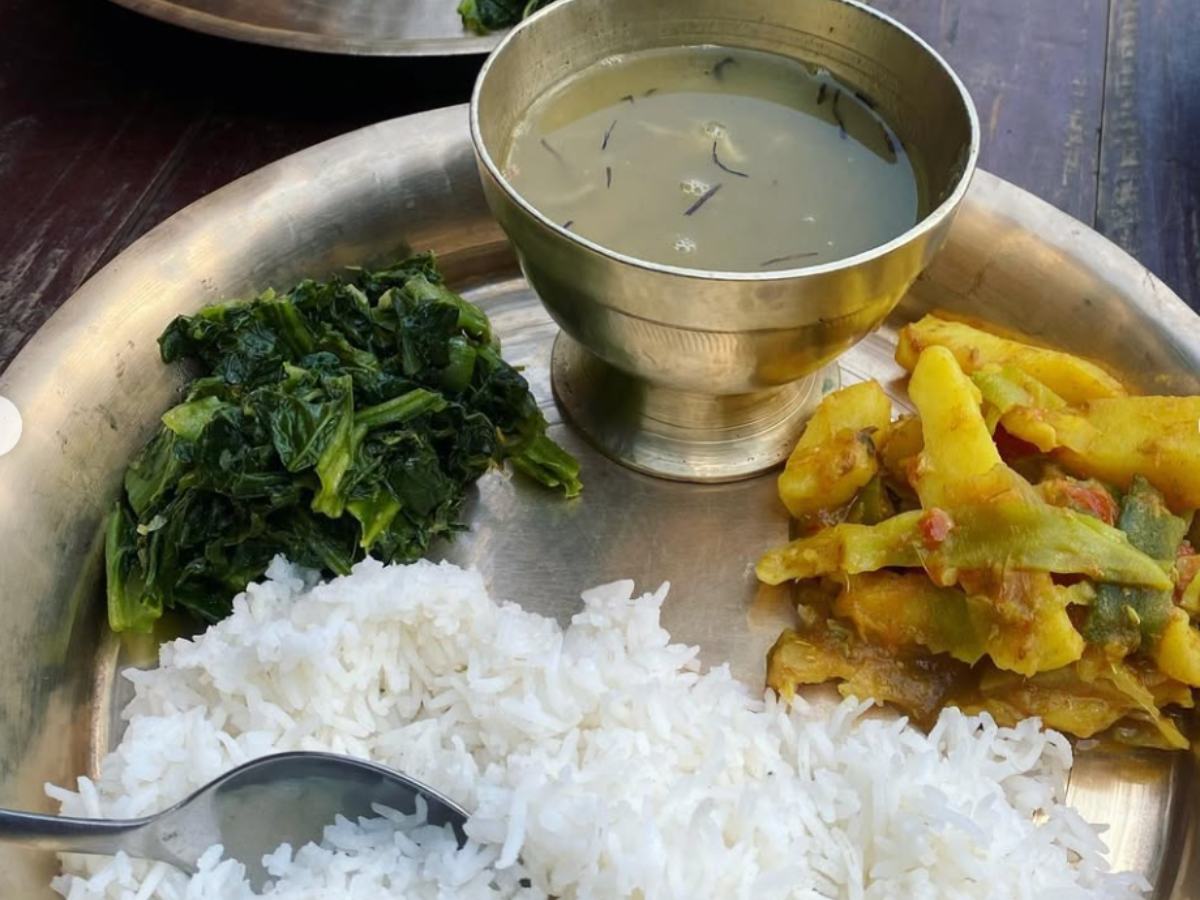
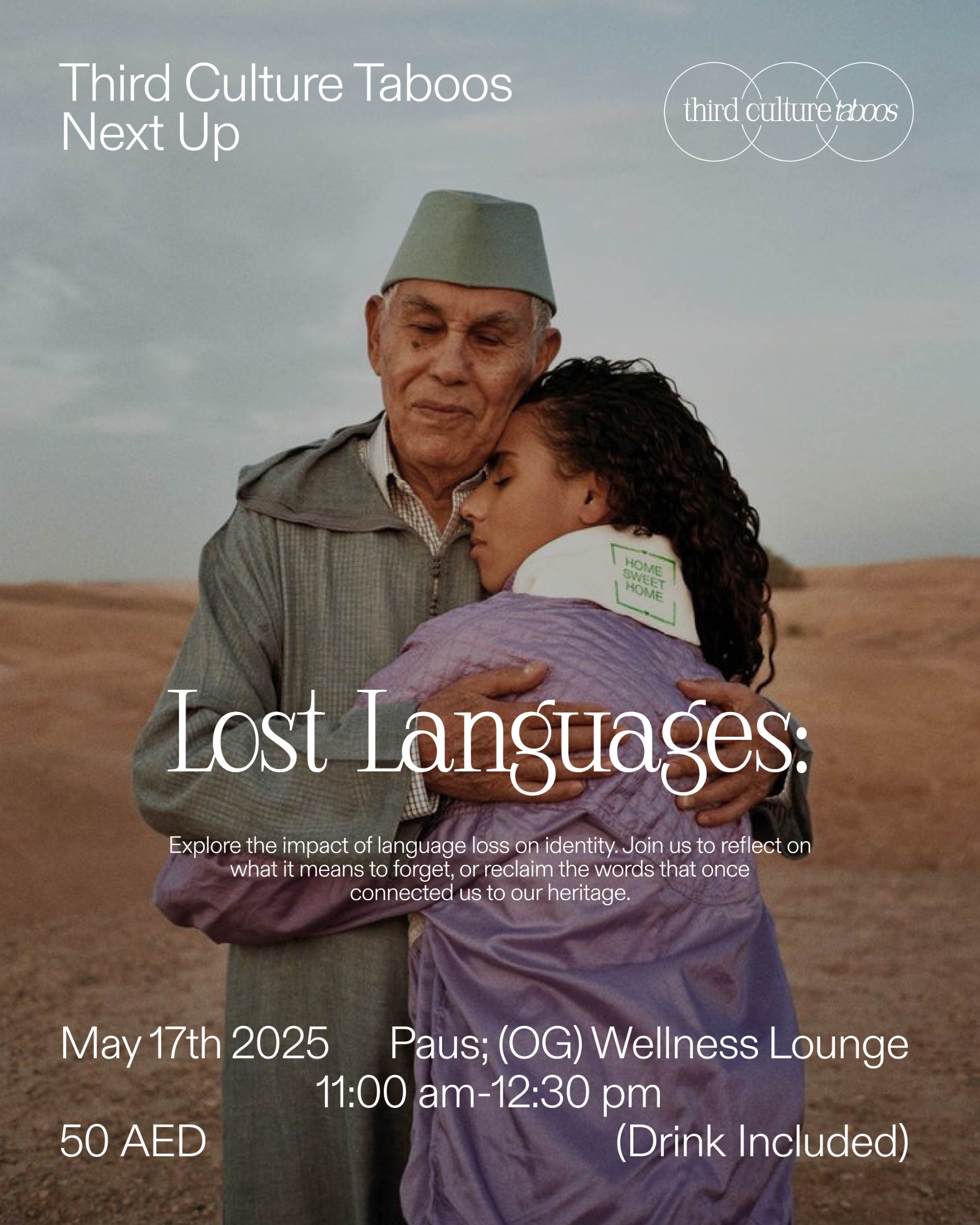
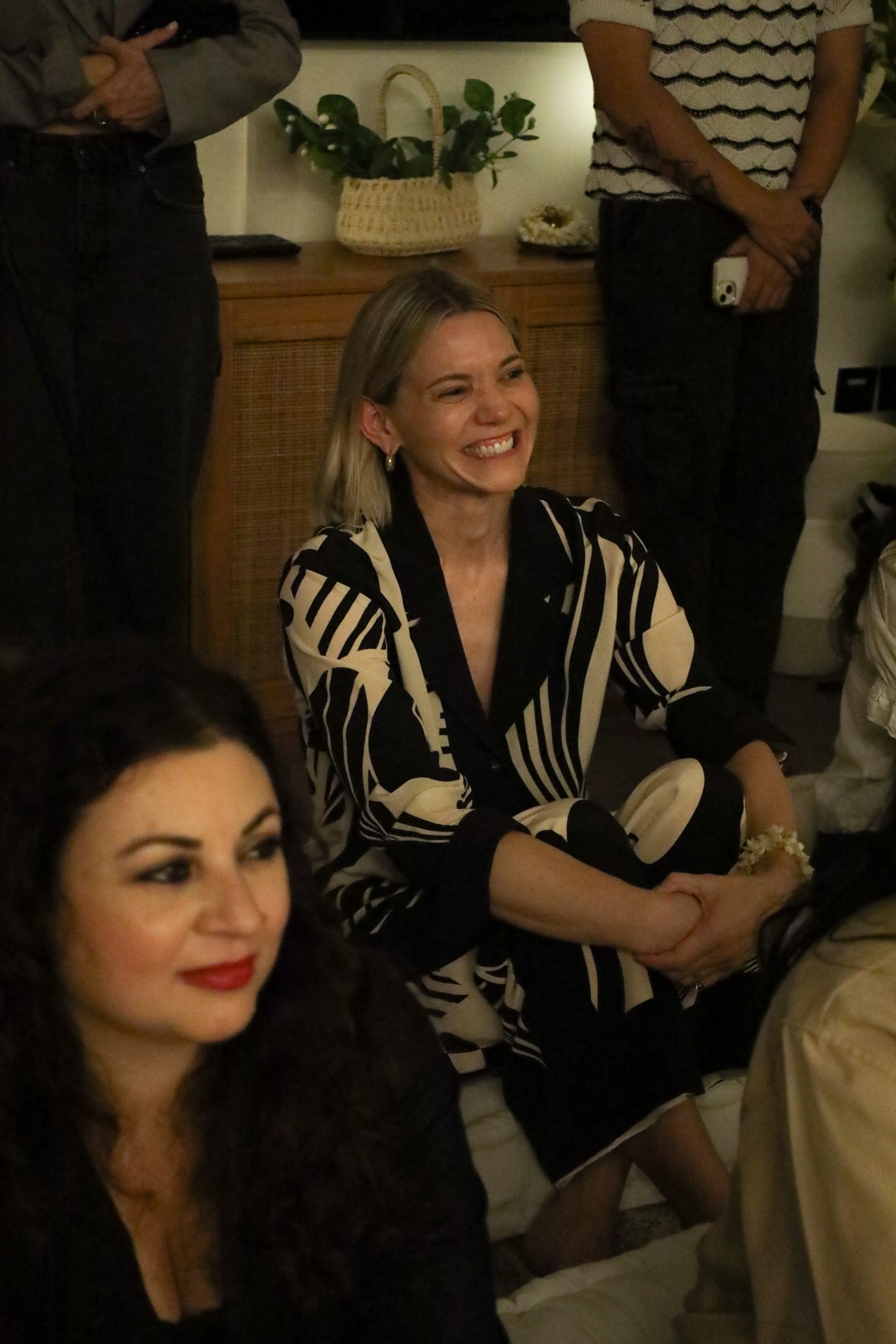
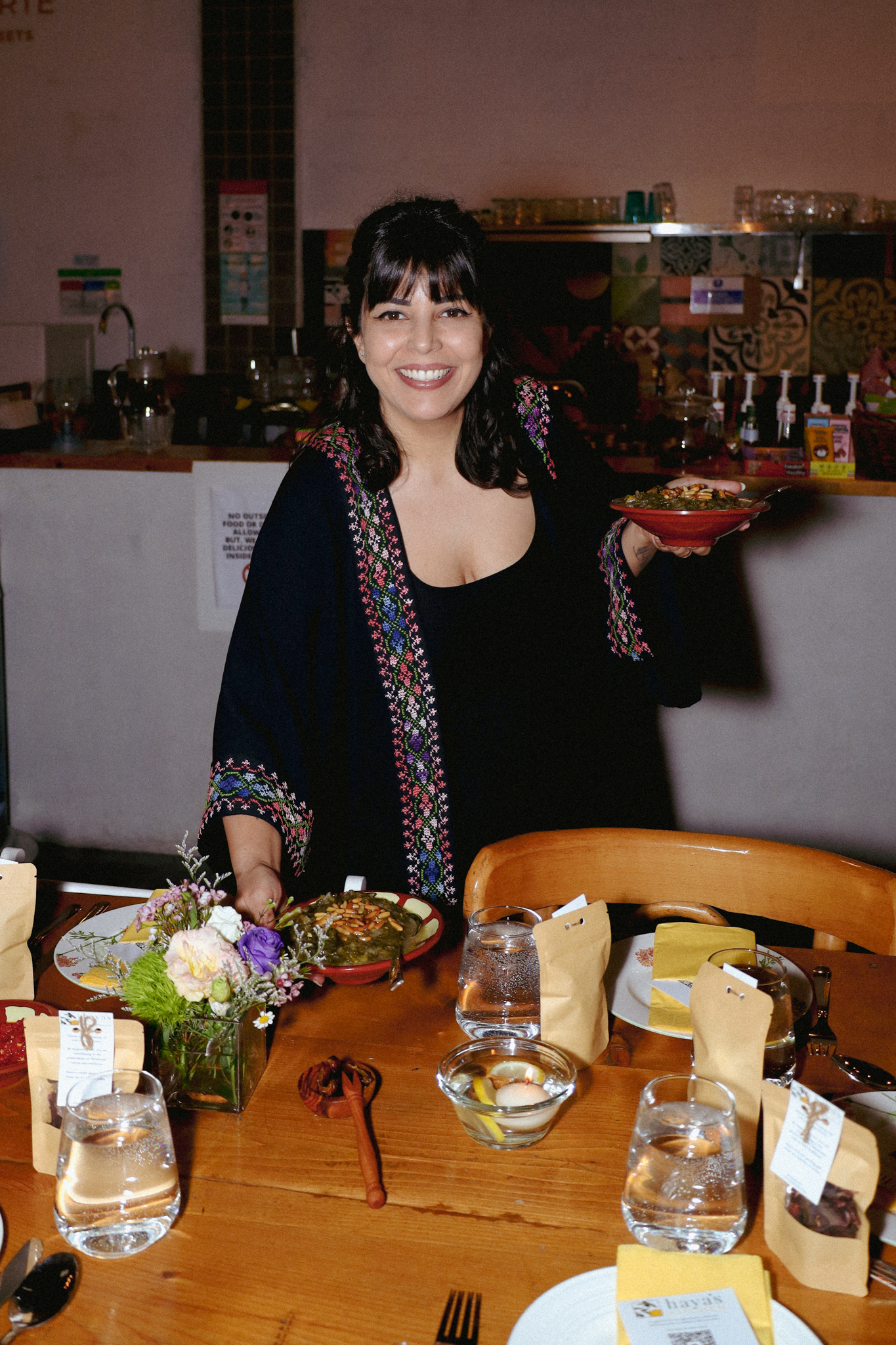
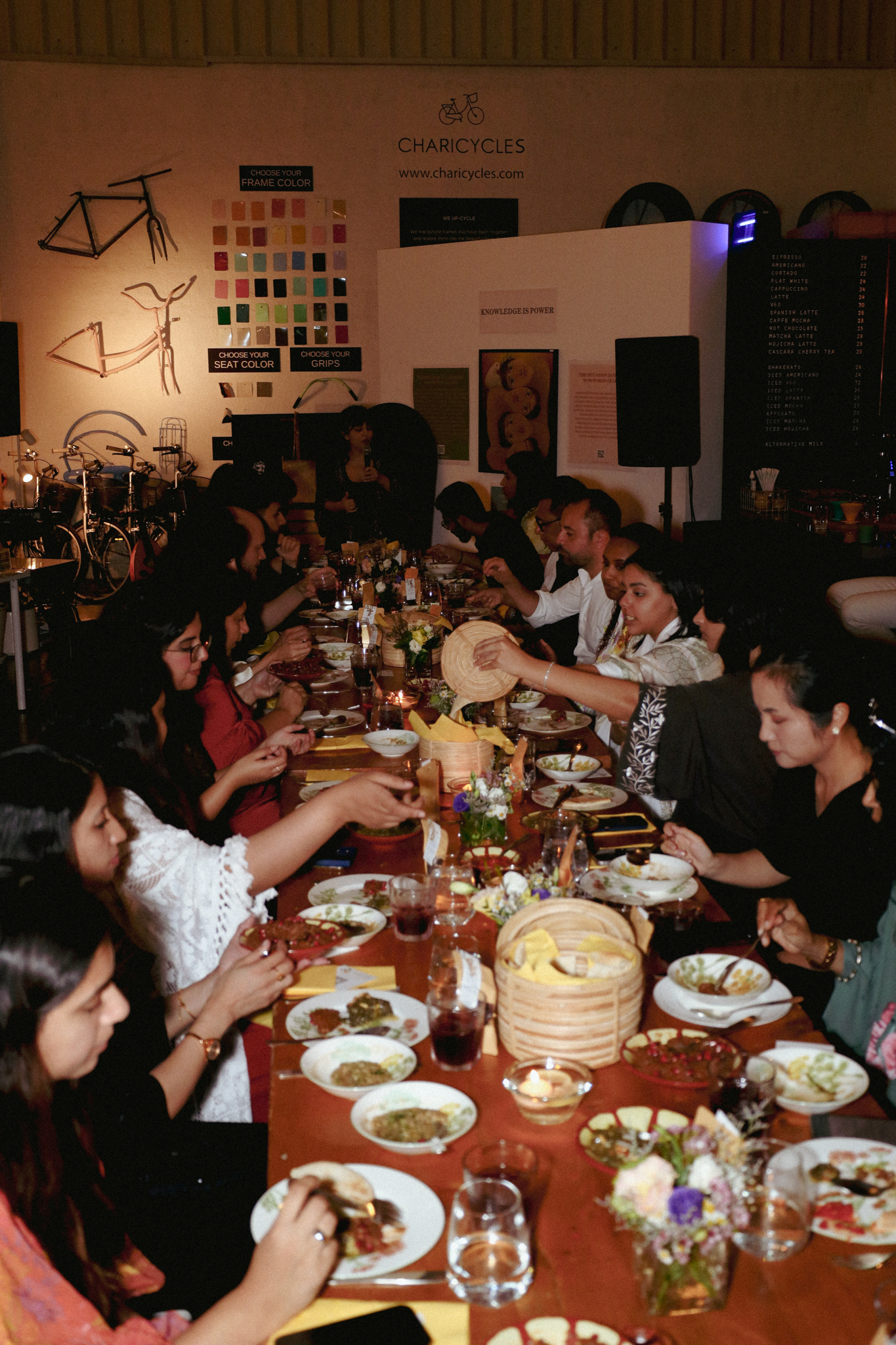
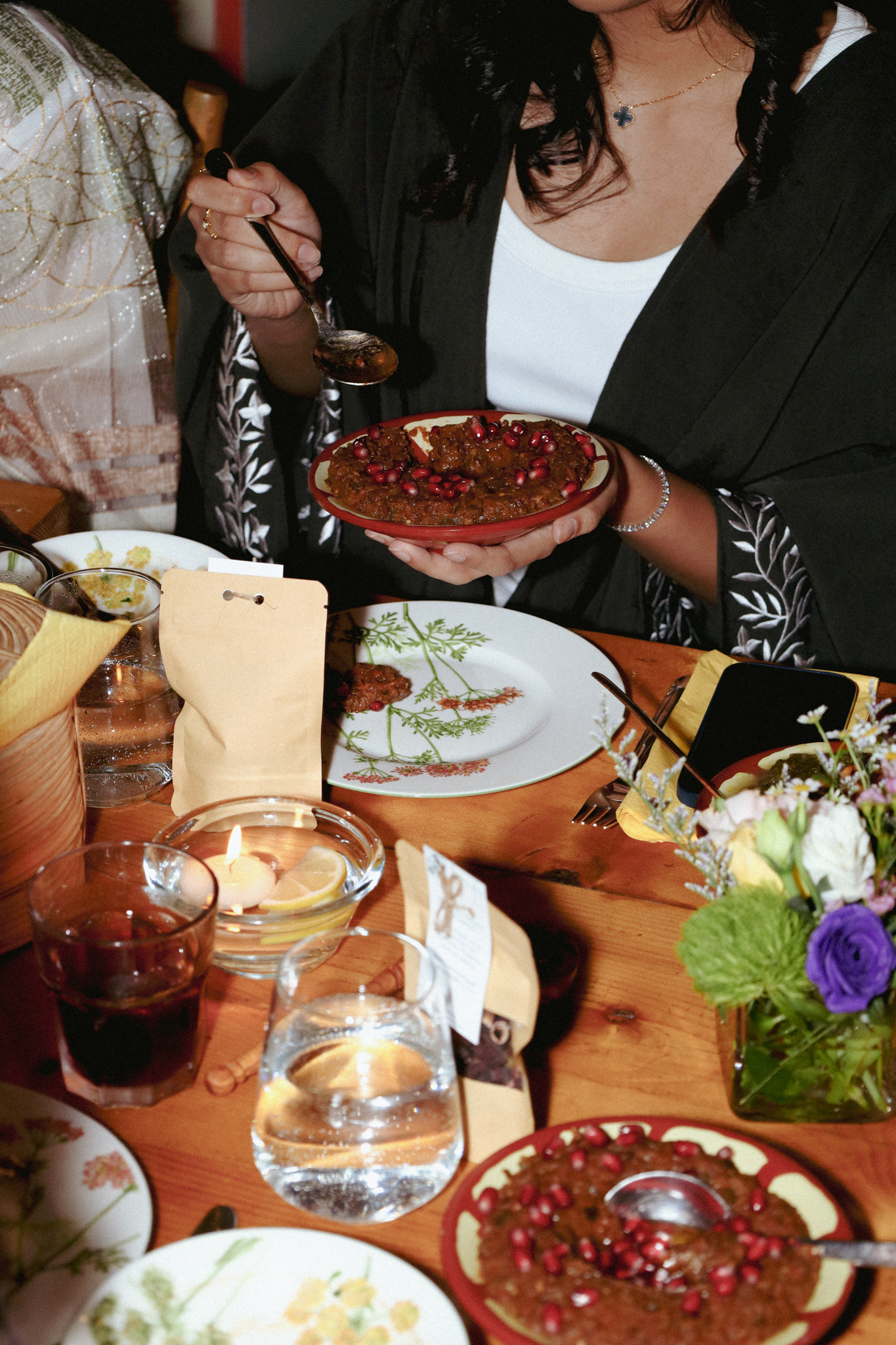
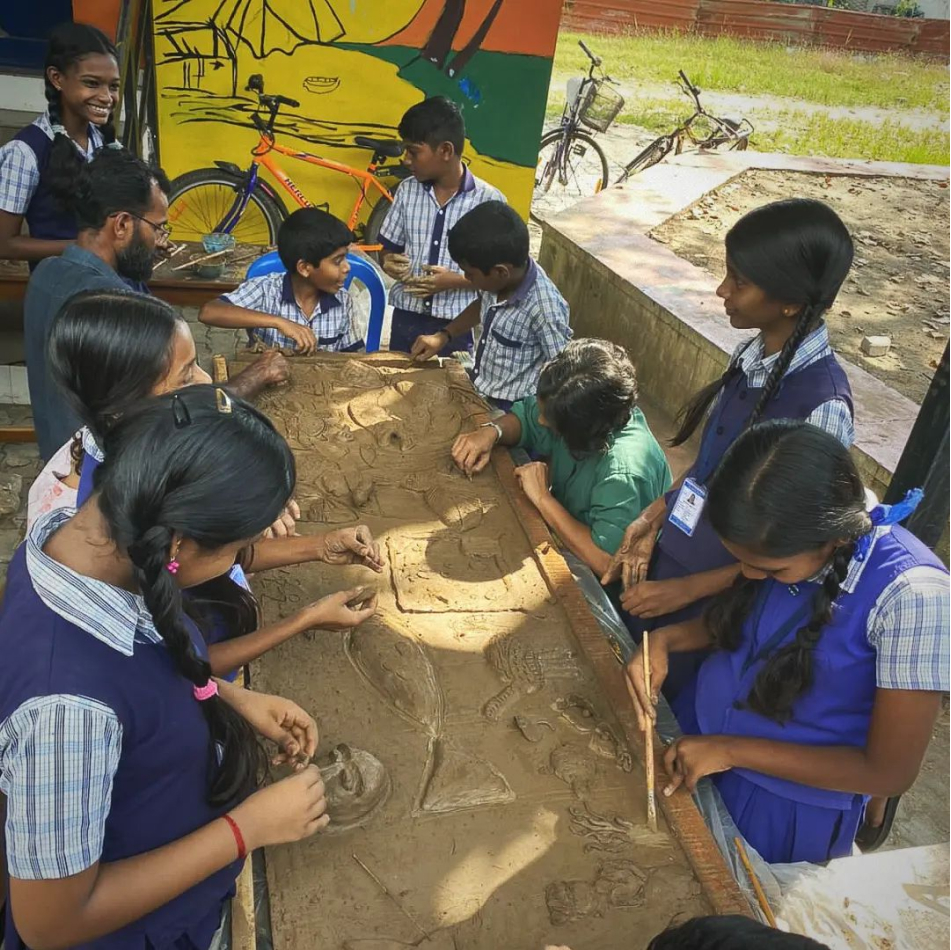
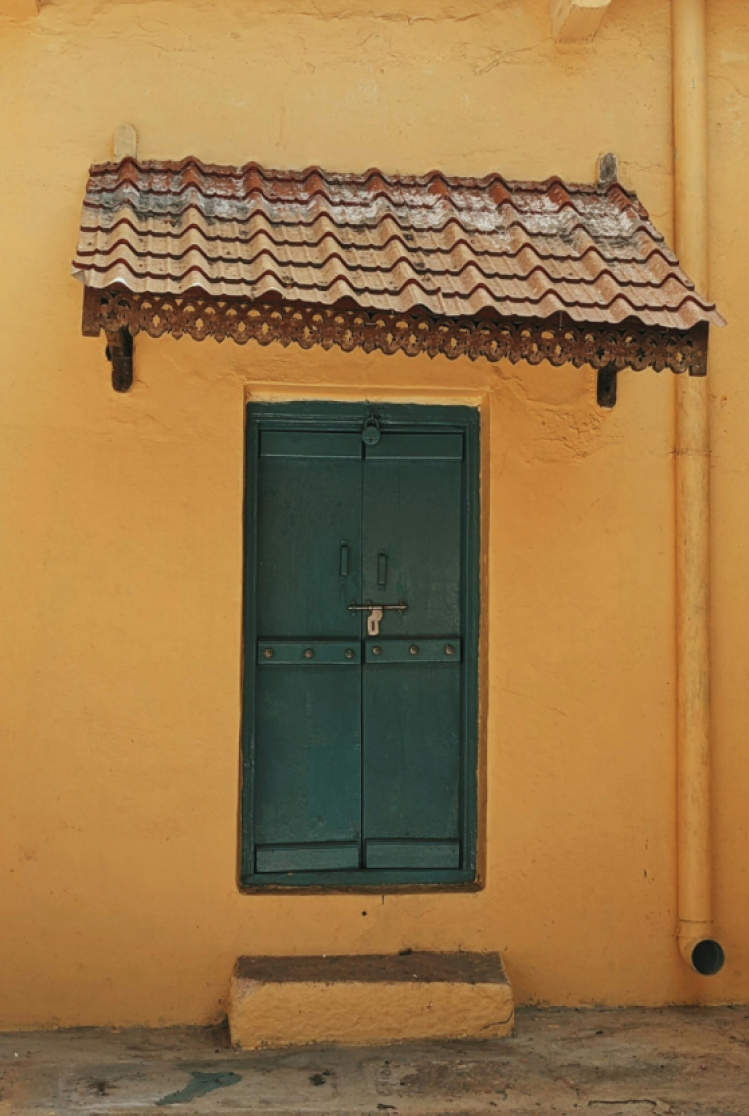
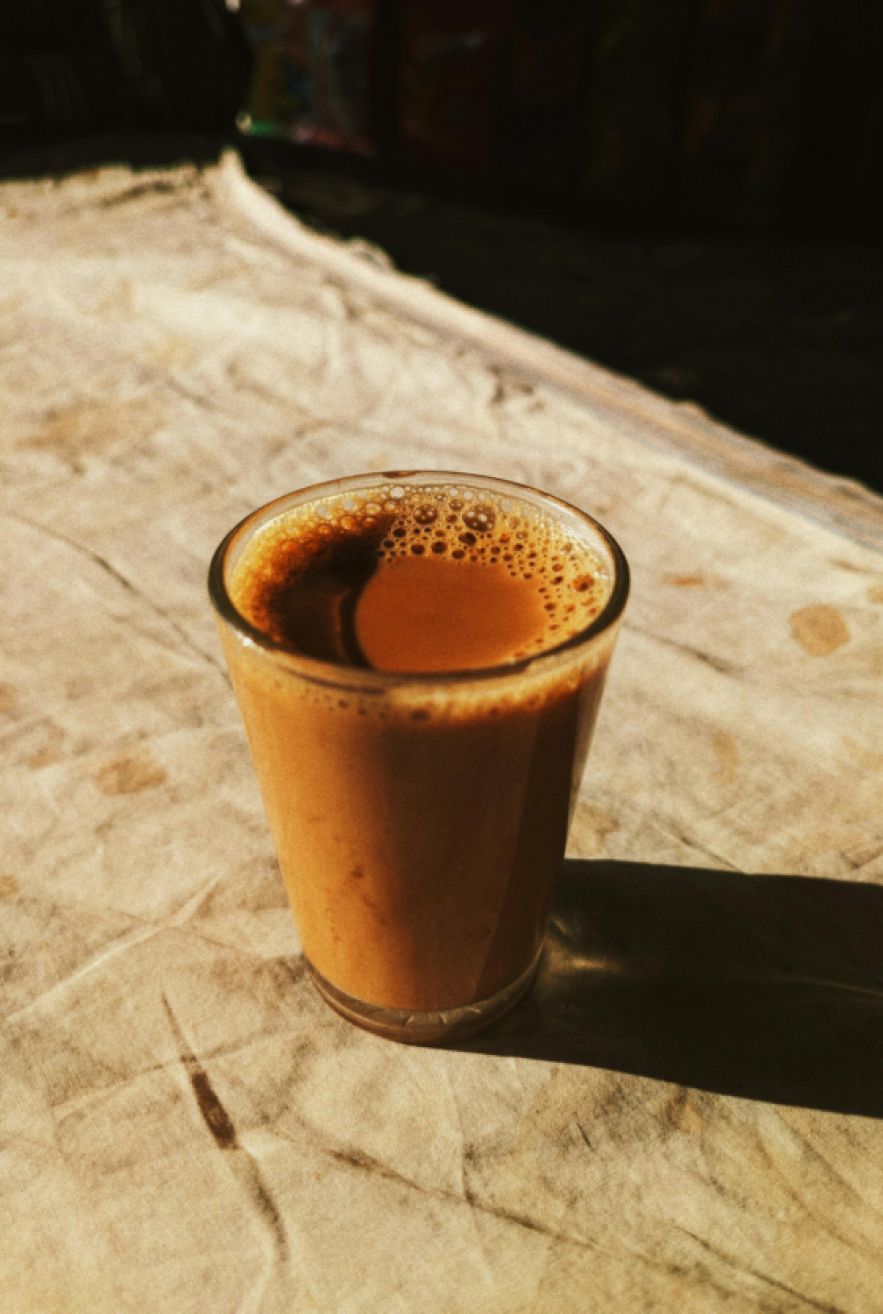
Some of us still carry sweet memories of the village; a time when we gathered outside to play, neighbors knew each other beyond the occasional, awkward elevator encounters, families looked after each other’s children (because indeed it takes a village to raise a child, doesn’t it?) and of course, meals were never not shared.
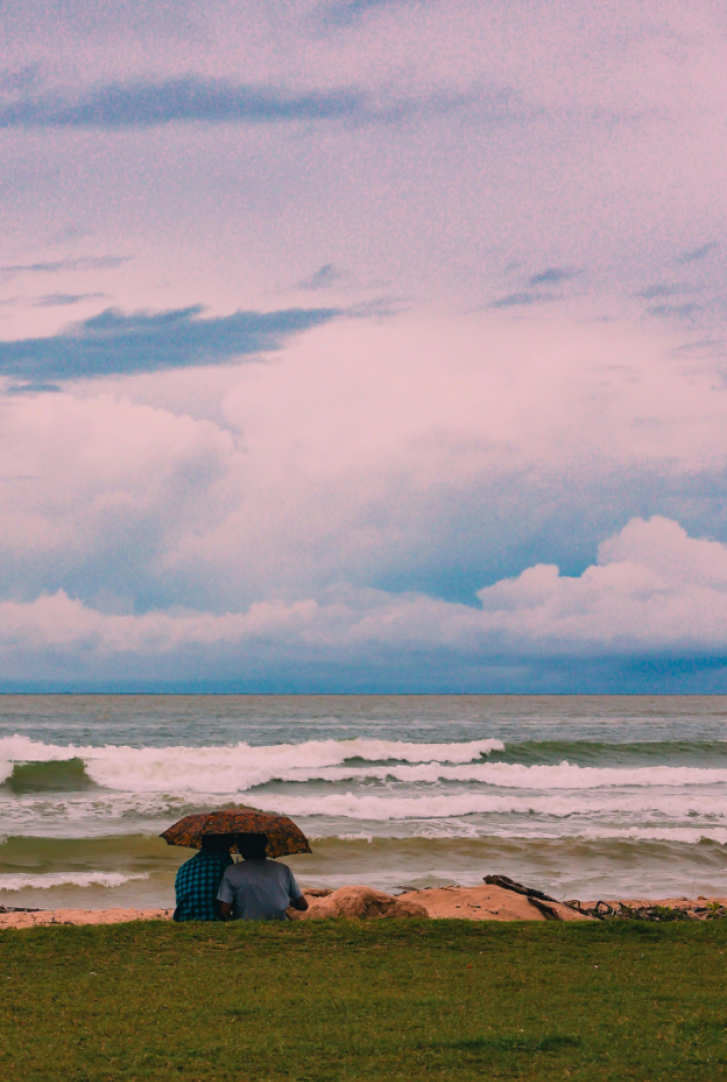
Today, loneliness has become a global public health concern. The WHO links it to hundreds of thousands of deaths each year. Meanwhile, real connection—having a support system and sharing meals, laughter, and joy—can actually stretch our lifespan by 50%. Proof, if we ever needed it, that our survival is dependent on one another.
Humans are wired to connect, we need to co-exist together in community, even if it might feel vulnerable or messy — and right now more than ever, we are being called to bring back the village.
Where did the village go anyway?
For thousands of years, humans lived in tribes, villages, and extended family systems. They were mostly self-sustainable and agrarian, focussing on the cultivation of land. Survival wasn’t possible without cooperation — food was shared, resources were pooled, and everyone had a role to play. Life wasn’t flawless, but it was deeply interwoven with community and interdependence.
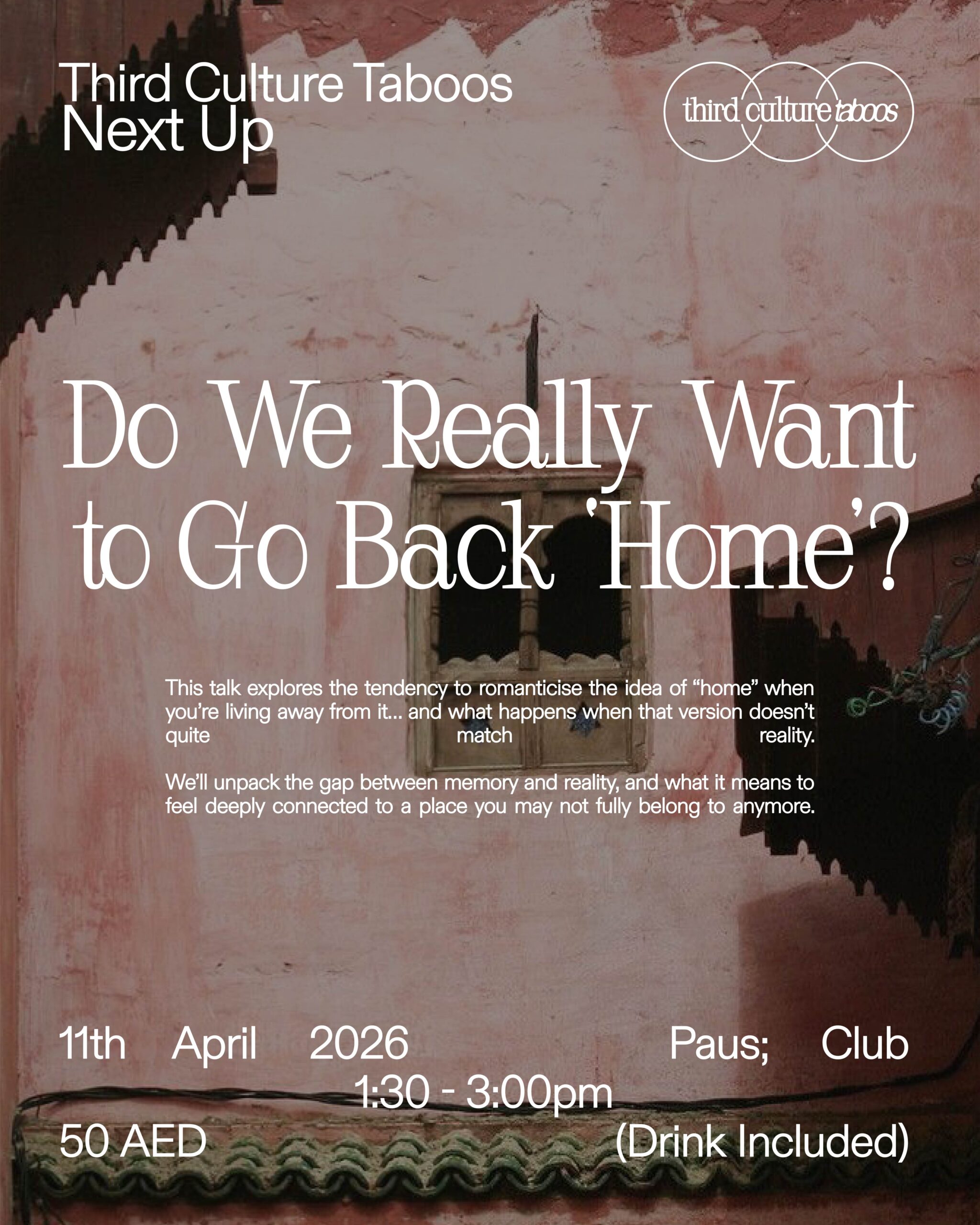
Then came the rise of industrialization, globalization, and modern capitalism, overtaking long-held ancestral ways and transforming how we relate to one another. People began to move away from communal living and into the “big city life”. This meant that for many of us, the village faded into something left behind in childhood memories, only persevering through stories told by elders, or holiday visits back to ancestral homes.
Independence VS. Interdependence
Across many modern cultures today, young people are encouraged—if not pressured—to move out at 18, go to college, take on debt, and climb the career ladder. But is this really “independence” or do people just become dependent on the system?
The truth is it is interdependence that lies at the fabric of human existence. Everything; the food we eat, the clothes we wear, even the digital tools we use are the result of countless hands and minds coming together
Questions for re-centering community in today’s world
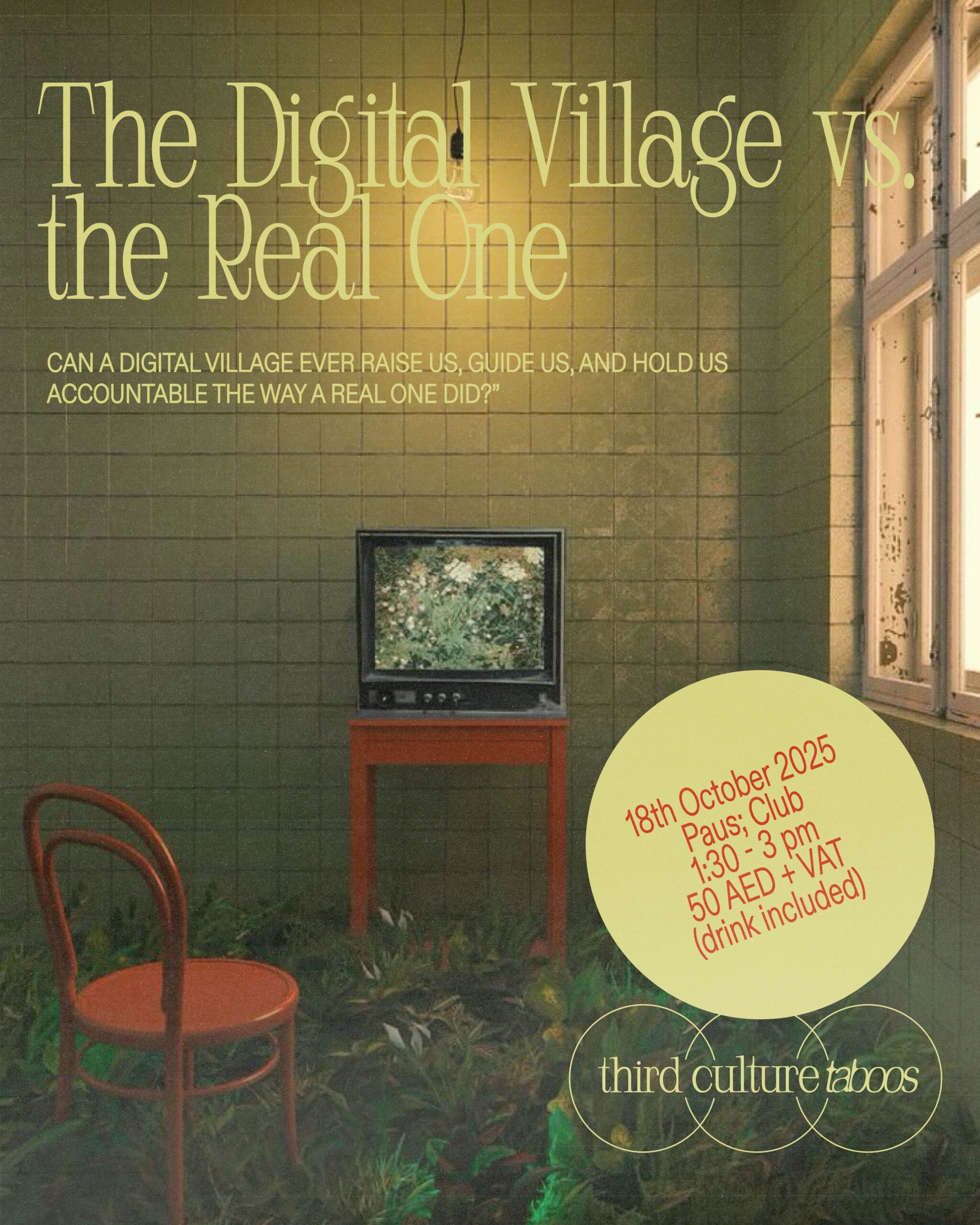
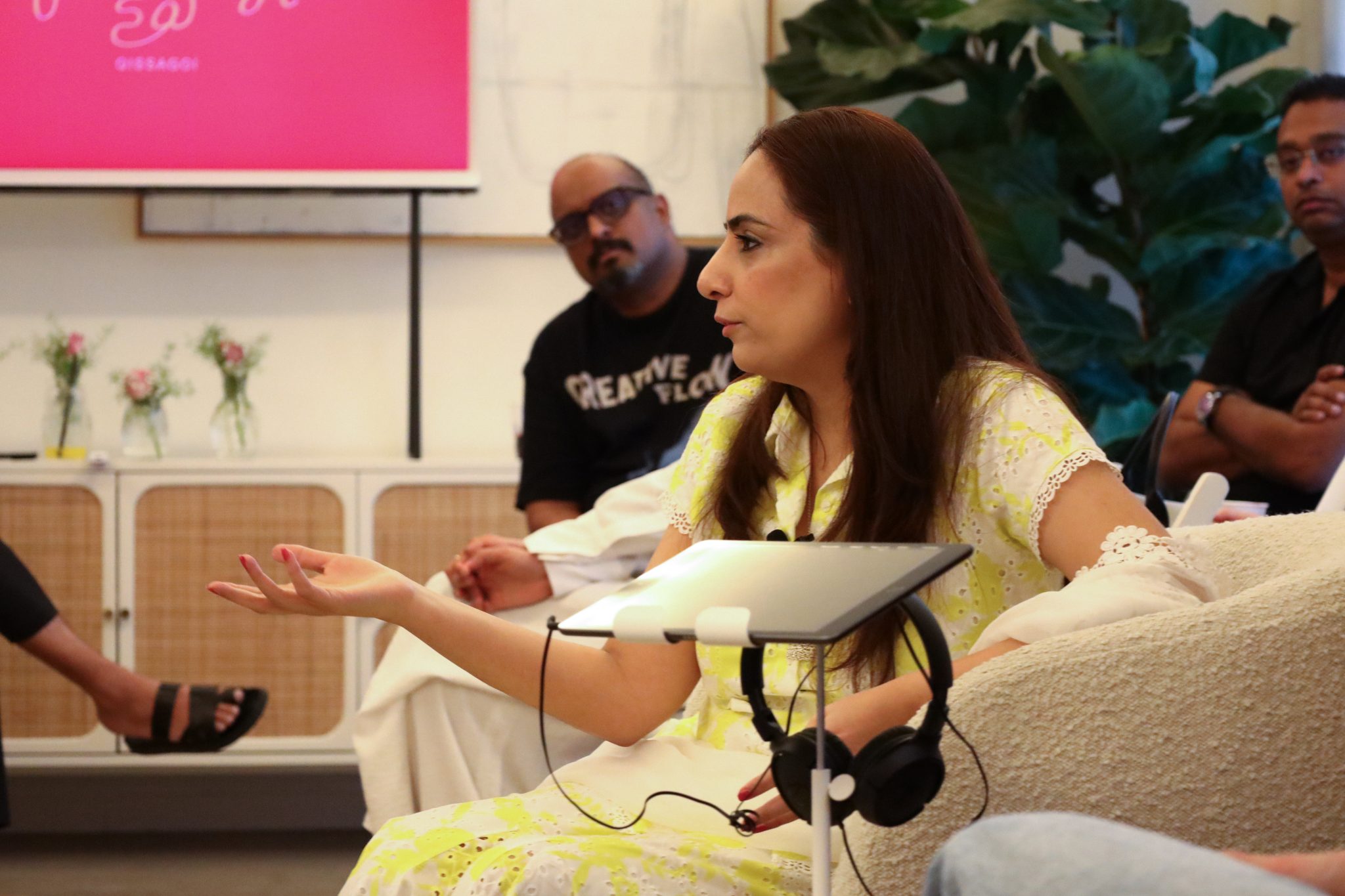
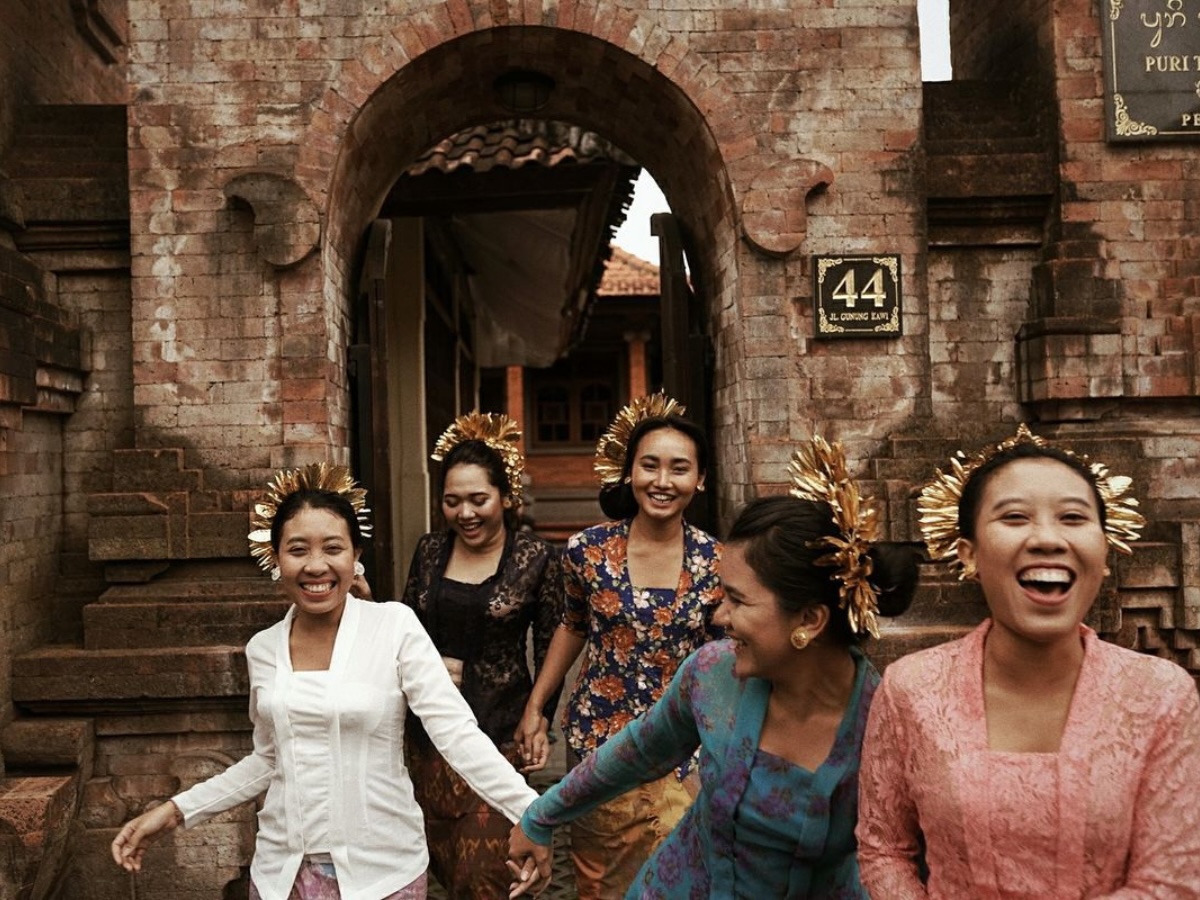
How do we re-imagine the village in a modern world? Do we look to the past? What can we learn from the cultures across the world that preserved their ancestral ways to this day? Are we letting modern technology bring us closer together or further apart? How do we practice collective care without abandoning self care?
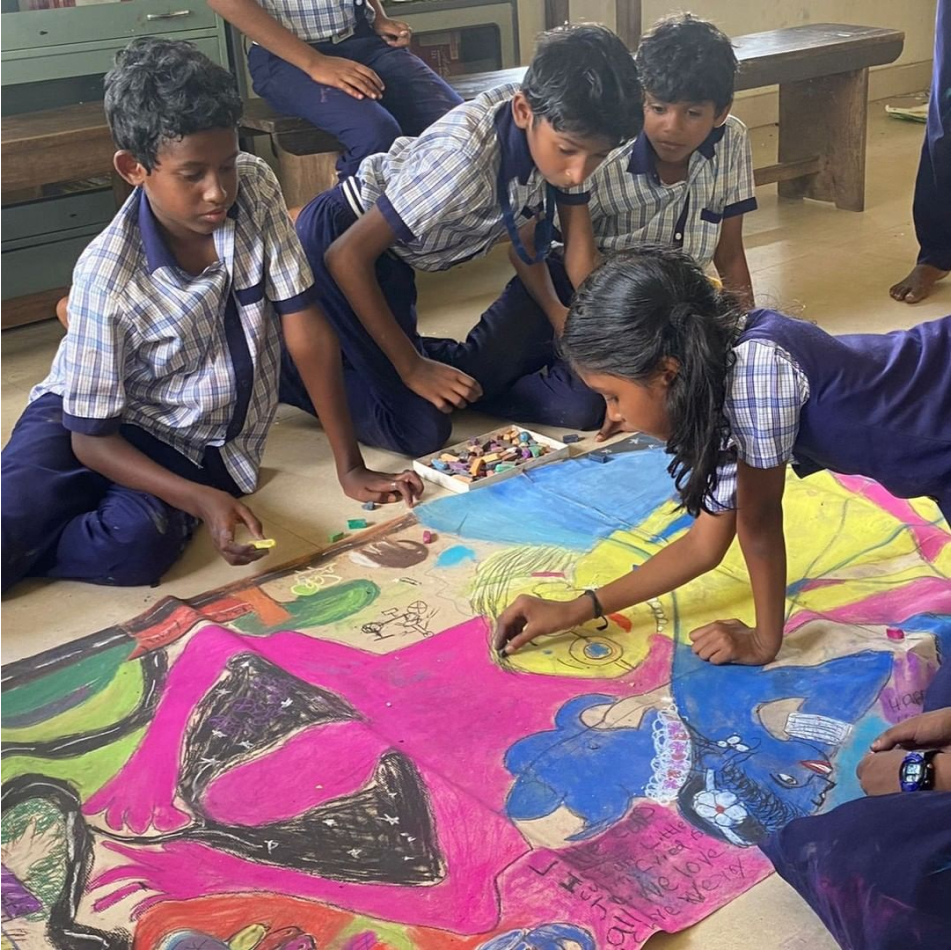
Our work lies in knowing which questions to ask, so that we may dig into our imagination for answers. Imperfection is inevitable, but community thrives when we’re willing to dream together, initiate inspired action and commit to showing up for one another — to co-create and call forth a better world.
Despite our grand differences and unique quirks…
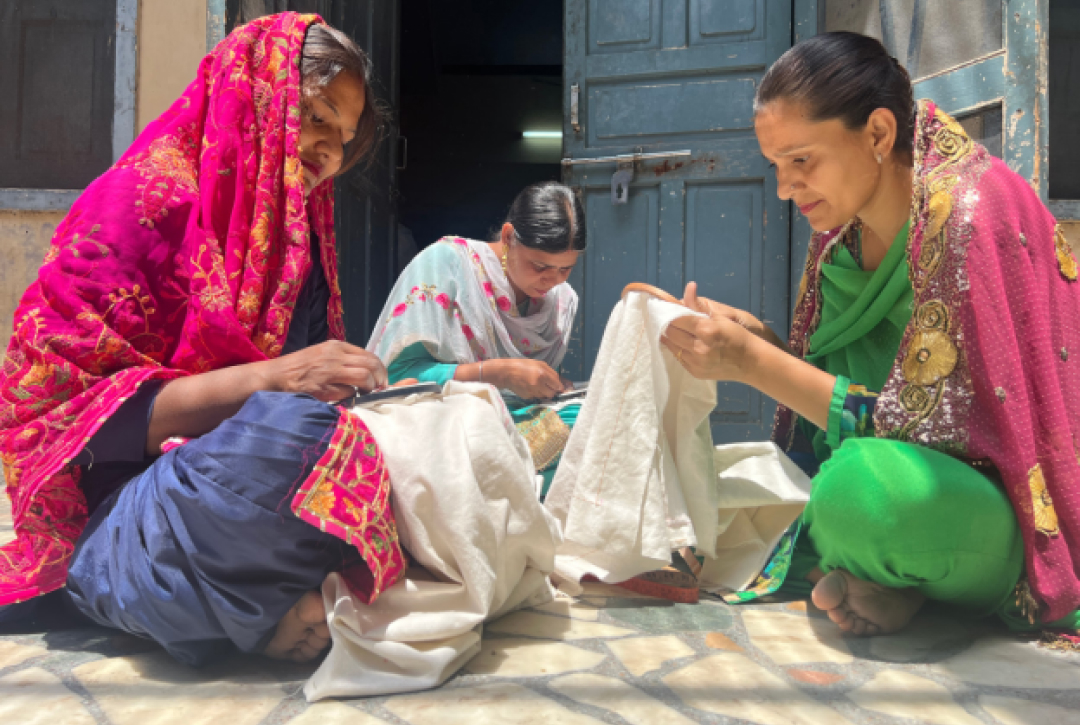
Let’s come together in spaces of safety and refuge to share and exchange the abundance, nourishment, and wisdom that the land gifts us. Somewhere to be seen and heard in our authentic expression, but also to witness others in their own magnificence and beauty.
In a world that benefits off of our hyper-individuality, returning to community is an act of resistance. In reality, we are more interdependent than we are independent, more connected than we are separate. The village is not just a nostalgic memory of the past; it is a vision for the future; a blueprint for how we want to move forward, reimagining community in a modern world.
– Ghina Fahs