































































When food unites: the Dal Bhat power of Nepal
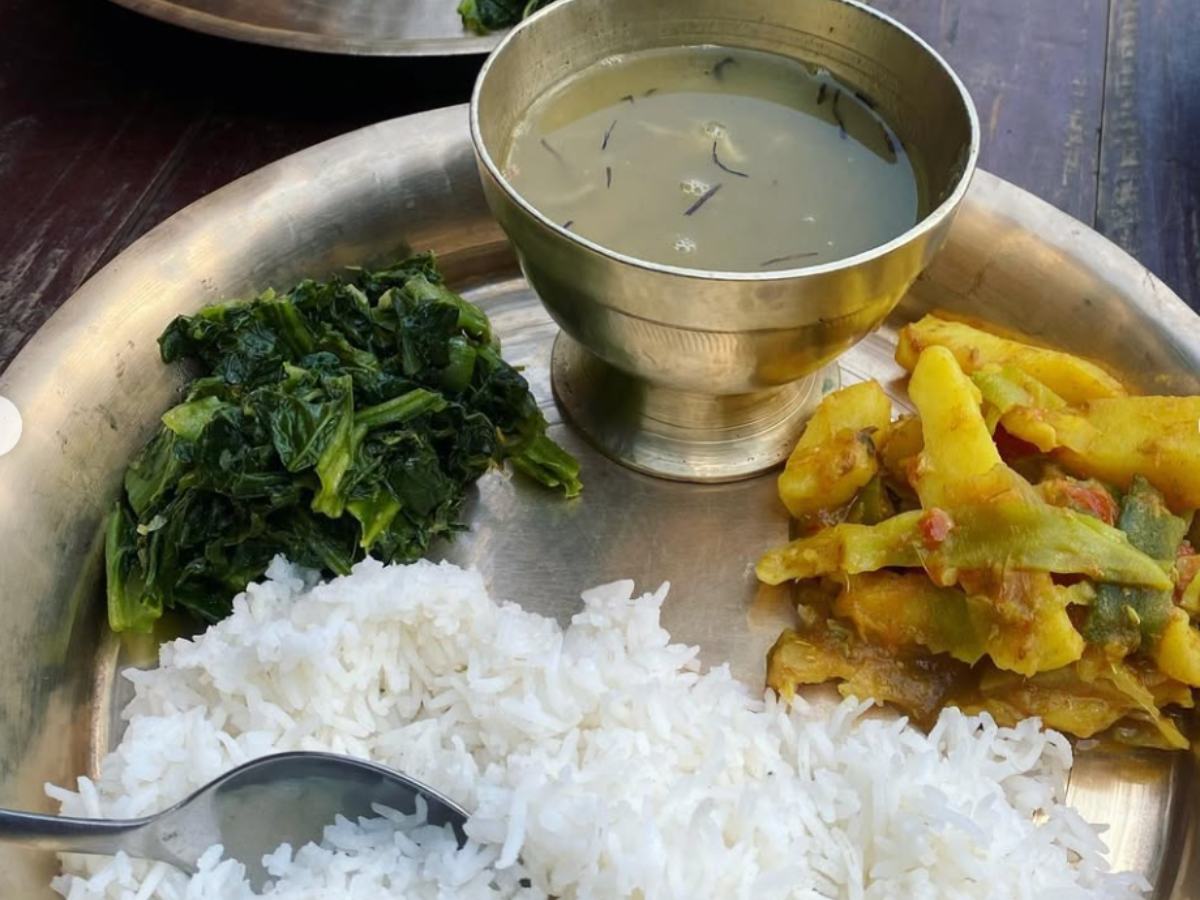
If you’ve ever traveled through Nepal, you’ll know that one dish rules them all: the unbeatable dal bhat (find a traditional Nepali dal bhat recipe here). Far more than food, this dish is culture, fuel, comfort, tradition, and identity. In every household, from the bustling streets of Kathmandu to the quiet villages tucked into the mighty Himalayan mountain ranges, dal bhat is served with love, often twice a day, every day — a kitchen ritual in Nepal for centuries, passed down through every lineage.
At its heart, dal bhat is simple: a steaming bowl of dal (lentil soup), a mound of bhat (rice), and various side dishes to round it out; tarkari (a seasonal vegetable curry), saag (cooked leafy greens, usually spinach), and achar (a tangy pickle or relish). While this dish is a staple in every home, you’ll find that no two dal bhats are ever really the same, thus reflecting the unique personality of every hearth that it sustains.
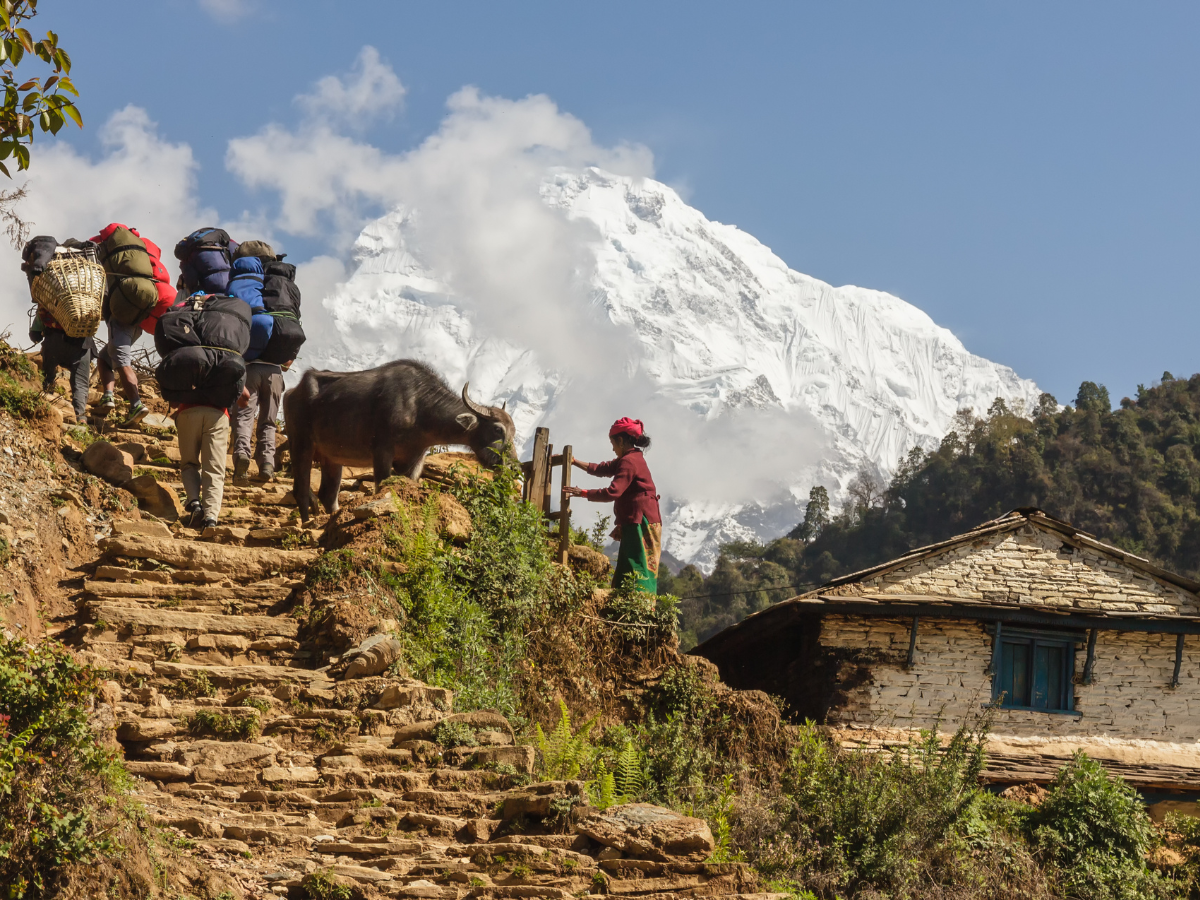
Nutritionally, dal bhat is a superior dish — a balance of protein, carbs, fiber, and vitamins. It’s no wonder Nepalis have the funny saying: “dal bhat power, 24-hour.” Trekkers from all over the world traveling to explore Nepal’s stunning plethora of mountain peaks can definitely attest to that. After hours of exhausting steep climbs and thin air, there’s nothing more satisfying than a plate of hearty dal bhat. The best part? You’ll receive free refills everywhere you go. Talk about Nepali warmth and hospitality!
Dal Bhat: a symbol of Nepali sovereignty
Let’s dive a little deeper. Beyond dal bhat nutrition and health benefits, the Nepali dal bhat is not just a delicious and practical dish, it’s a part of the culture that tells a story about the strong relationship between the people and the land.
Many dal bhats are naturally farm-to-table meals, using organic ingredients locally grown in small plots of family farmland — straight from the earth. From the rice paddies carved into terraces to the greens gathered fresh that morning; when you eat a homemade dal bhat, you get to have an intimate experience of the land itself. By consuming it, not only are you receiving its nourishment and medicine, but also allowing it to become a part of you.
Now imagine the people of Nepal, they have eaten this way for their entire lives, generation after generation. Why is this important? This direct nourishment from the earth, this uninterrupted rhythm of cultivation and consumption between land and people — it’s how things were always meant to be, but many of us have been made to forget.
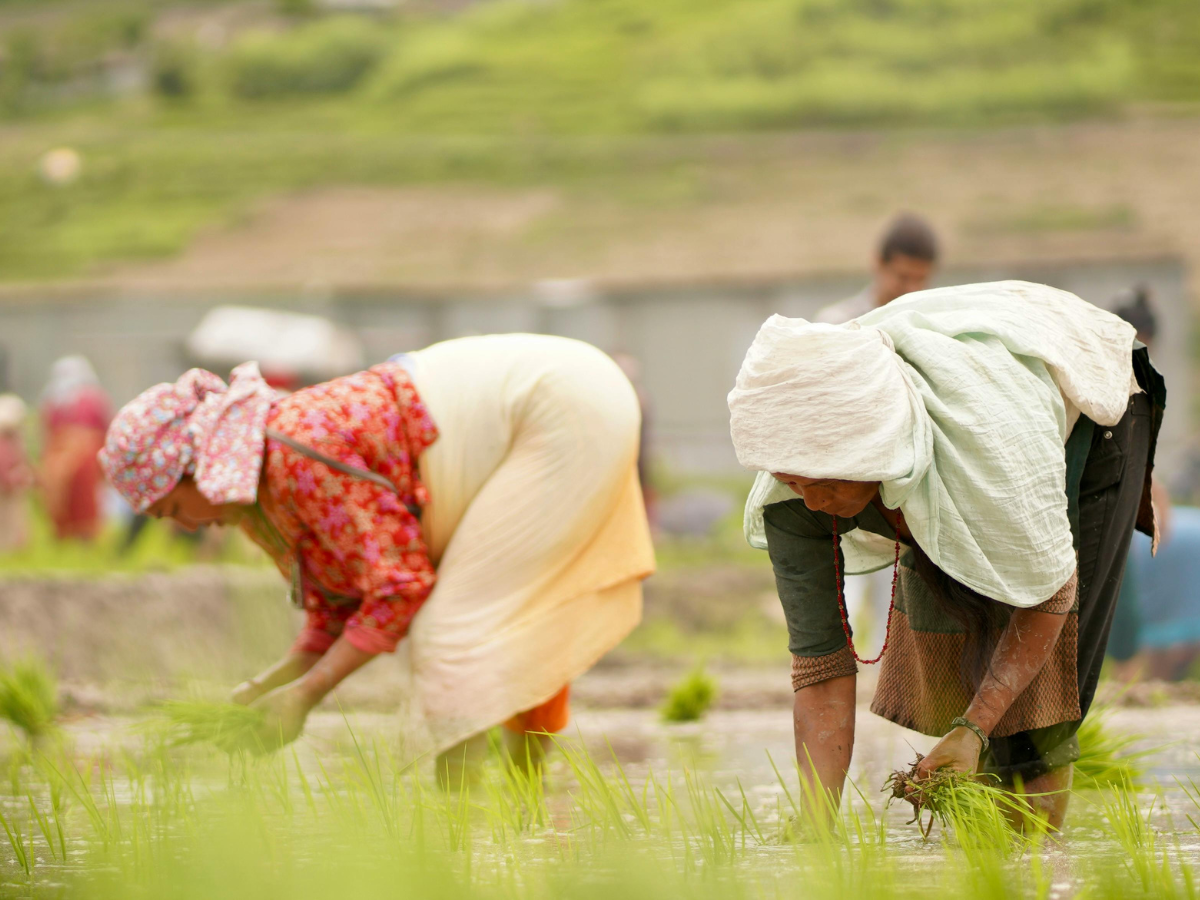
Cultural continuity and traditions unbroken
Nepal is one of the few nations in the world that has never been colonized. While much of South Asia underwent forced shifts in agriculture, trade, and diet under colonial rule, Nepal’s foodways remained relatively intact. As a result, many of the Nepali people have retained this sacred thread between their bodies and the Earth. A thread that, although incredibly resilient, has in one way or another been severed or broken in many lands that have been overtaken by industrialization, colonization, or globalization.
Food says a lot about the people and the culture that makes it. Where many cultures have leaned into processed foods and fast fixes, Nepal has held on to tradition. Families still gather around plates of dal bhat, still cook from scratch, still honor the cycles of the Earth. What a great example of food as not just sustenance but a direct continuation of ancestral practices and a reflection of the relationship we have with the land.
A quiet form of resistance, it represents sovereignty over land, body, and identity. In each spoonful is a connection to ancestors who ate the same dish, who worked the same soil, who passed down seeds, spices, and traditions unbroken.
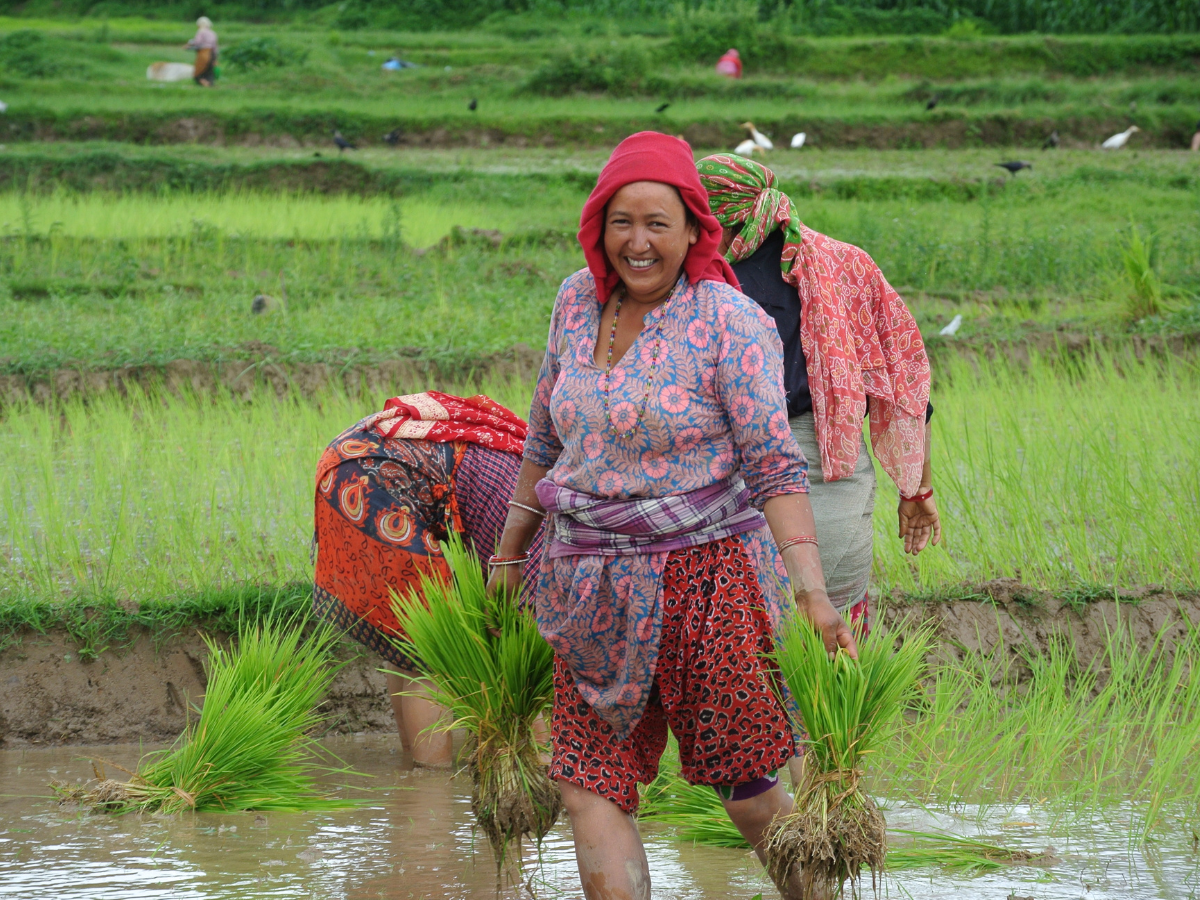
Nepalis call it Dal Bhat Power
It’s no surprise, then, that Nepalis are a people of great power and endurance. This is reflected in their history of resilience; their ability to withstand natural disasters, political upheavals, and the pressures of globalization while maintaining their cultural identity.
Whether it’s echoing the wisdom of the land or representing the strength of tradition, the Nepali dal bhat—present in every home, every meal, every heart—reminds us that our resilience and evolution isn’t always attached to extravagance or innovation, sometimes it comes from the roots — from grounding into what has always been steady, nourishing, and true.
— Ghina Fahs