

































The memory of tea: A drink, a ritual, a hug from the Earth
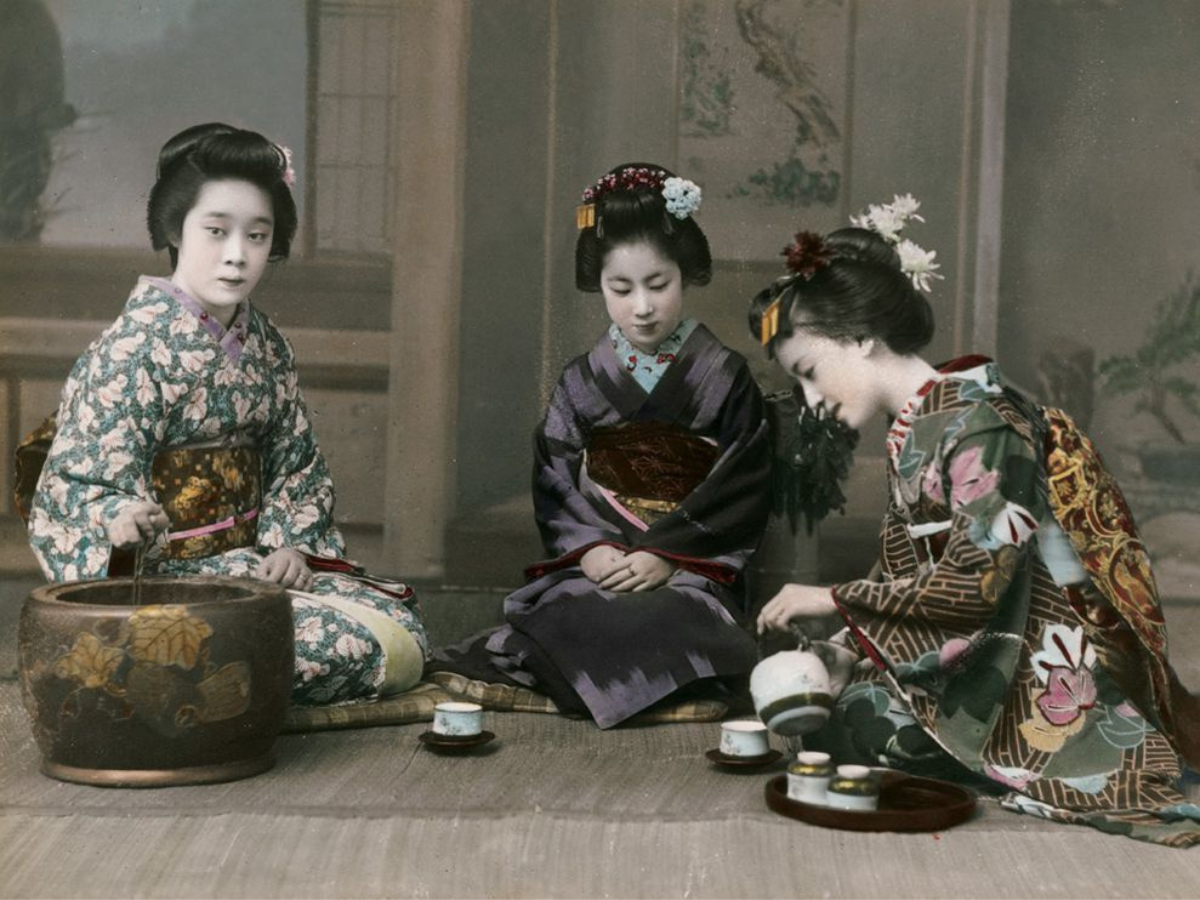
Isn’t it fascinating how nearly every region of the world has developed its own tea rituals and traditions? For thousands of years, tea was not merely a healthy herbal drink — it was a ritual, a philosophy, a way of life.
From Japan’s mindful Matcha ceremonies to Sri Lanka’s renowned Ceylon brews, from Britain’s elegant afternoon teas to South America’s ever-present Yerba Maté — every culture has its way of honoring this simple yet sacred, healing union of water and plants. It’s like receiving a warm embrace from Mother Earth herself.
Let’s unravel the story of tea together.
Tea as art and culture: the birth of tea…
Did you know tea was invented accidentally in China, thousands of years ago? Legend surrounding the origins of tea says Emperor Shen Nong, also a renowned herbalist, discovered it while boiling water in the garden. A gust of wind blew some leaves from a wild tea tree into his pot. Tickling his interest in the healing powers of herbs, the aroma spoke to Shen Nong’s senses, inviting him to taste this spontaneous brew… Would you have guessed that his curiosity would change the course of history?
From then on, tea became an art, celebrated in the meticulous tea rituals and ceremonies of ancient Chinese dynasties. People wrote poetry about tea, elaborate methods of preparation developed, and tea gatherings carried social and spiritual weight.
Whispers of the healing properties of tea and its ability to clear the mind and nurture conversation, began to spread slowly along the Silk Road.
Poem: Seven Bowls Of Tea by Lu Tong (790-835 AD)
一碗喉吻润
二碗破孤闷
三碗搜枯肠,惟有文字五千卷
四碗发轻汗,平生不平事尽向毛孔散
五碗肌骨清
六碗通仙灵
七碗吃不得也,唯觉两腋习习清风生
One bowl moistens the lips and throat;
Two bowls shatters loneliness and melancholy;
Three bowls, thinking hard, one produces five thousand volumes;
Four bowls, lightly sweating, the iniquities of a lifetime disperse towards the pores.
Five bowls cleanses muscles and tendons;
Six bowls accesses the realm of spirit;
One cannot finish the seventh bowl, but feels only a light breeze spring up under the arms.
How tea traditions spread across cultures: the evolution of tea…
When tea made its way to Japan, it was originally consumed before meditation. Matcha tea, the powdered green tea that’s become a viral trend on social media, helped Zen monks remain alert during long hours of practice, offering balance to body and mind. This process eventually transformed into the Japanese tea ceremony known as chanoyu.
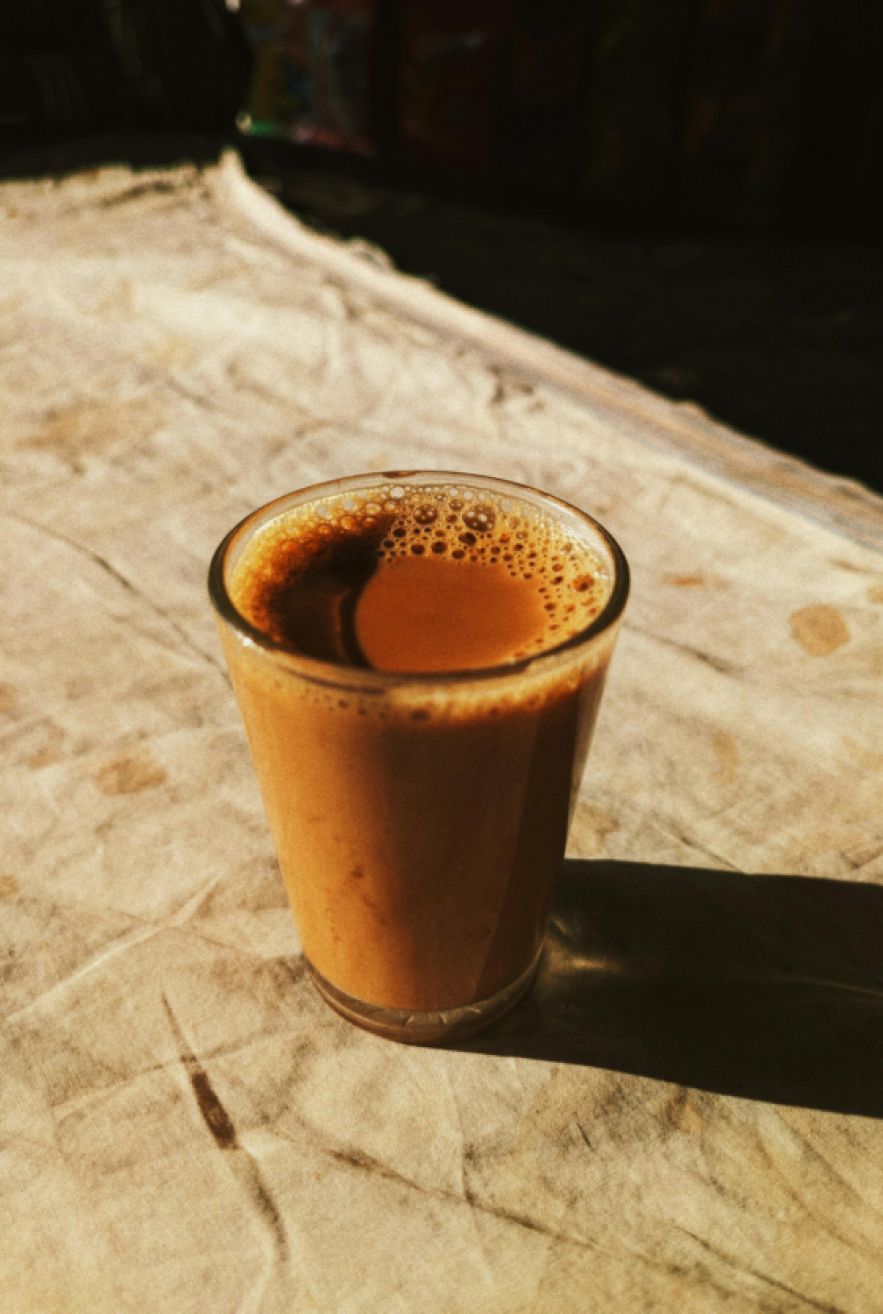
Centuries later, tea found itself in India, under the watchful eye of the British empire. Tea fields unfurled across Assam and Darjeeling, grown primarily out of Britain’s aim to claim control of the tea trade. It didn’t take too long for innovative street vendors across India—the now-iconic chaiwalas—to create their own twist, drawing on India’s ancient Ayurvedic traditions by simmering the tea leaves with spices like ginger, cardamom, cinnamon, and clove. This magical concoction gave us the beloved masala chai!
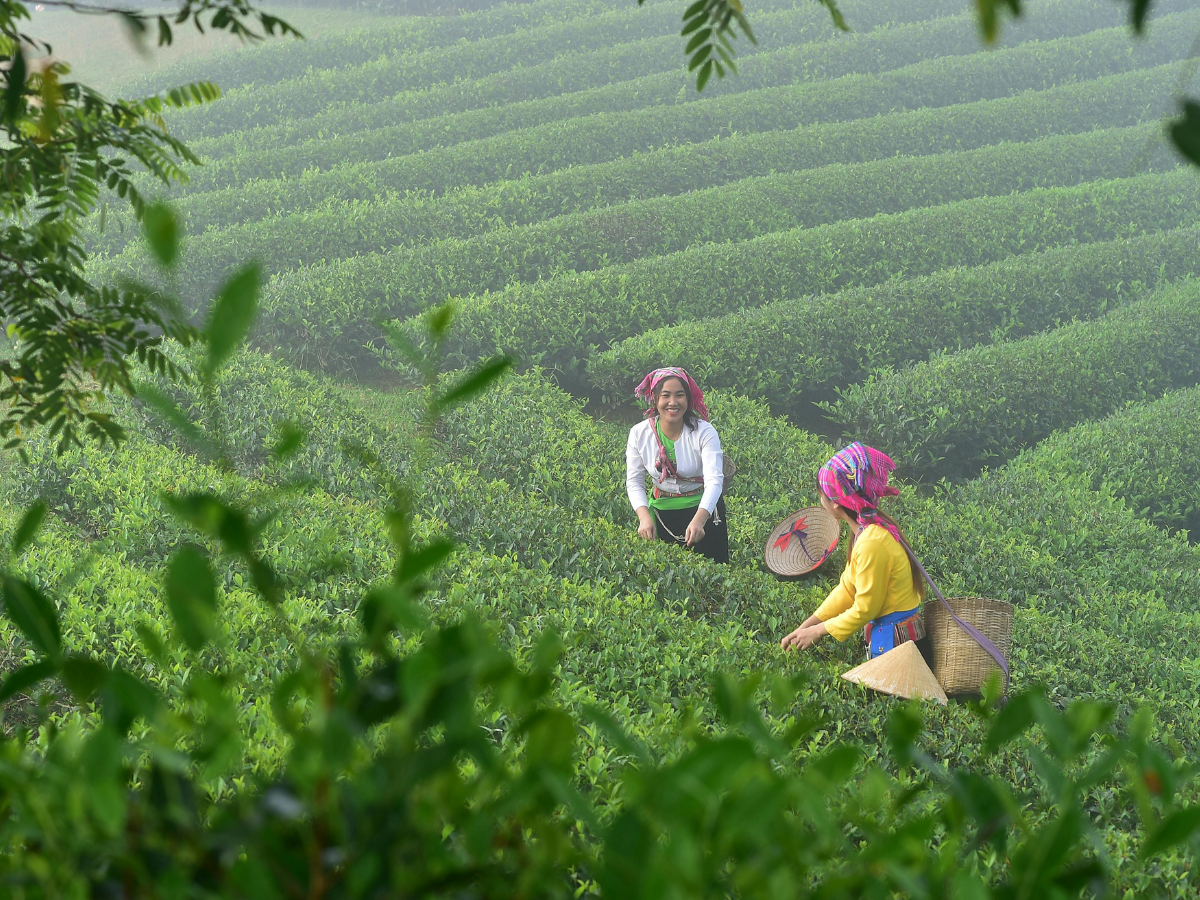
Tea continued its journey, creating bustling tea houses in Turkey, popular mint brews in Morocco, and far beyond — becoming a symbol of connection. For centuries, tea flourished as a bridge between generations, a vessel of memory, and a mirror of the natural world.
Tea in the west: the commodification of tea…
Many still think that tea is originally a British drink, but to celebrate English afternoon tea-time without honoring the true roots is to overlook thousands of years of Eastern tradition and wisdom, ceremony and craft. The story of tea in Britain cannot exist without the centuries-long journey across the mountains, rivers, and deserts of the East.
Walk into any café today and you’ll see tea dressed up as a trend (think strawberry matchas and bubble teas bobbing with pearls). Yet beneath the marketing tactics lies an ancient story — each time we lift a cup, we carry a connection to our ancestors and a whisper of ancient rituals in our very hands.
Practicing tea ceremonies at home: the memory of tea…
Long before it was bottled and artificially sweetened, tea drifted into the lives of humans as a messenger of presence and connection.
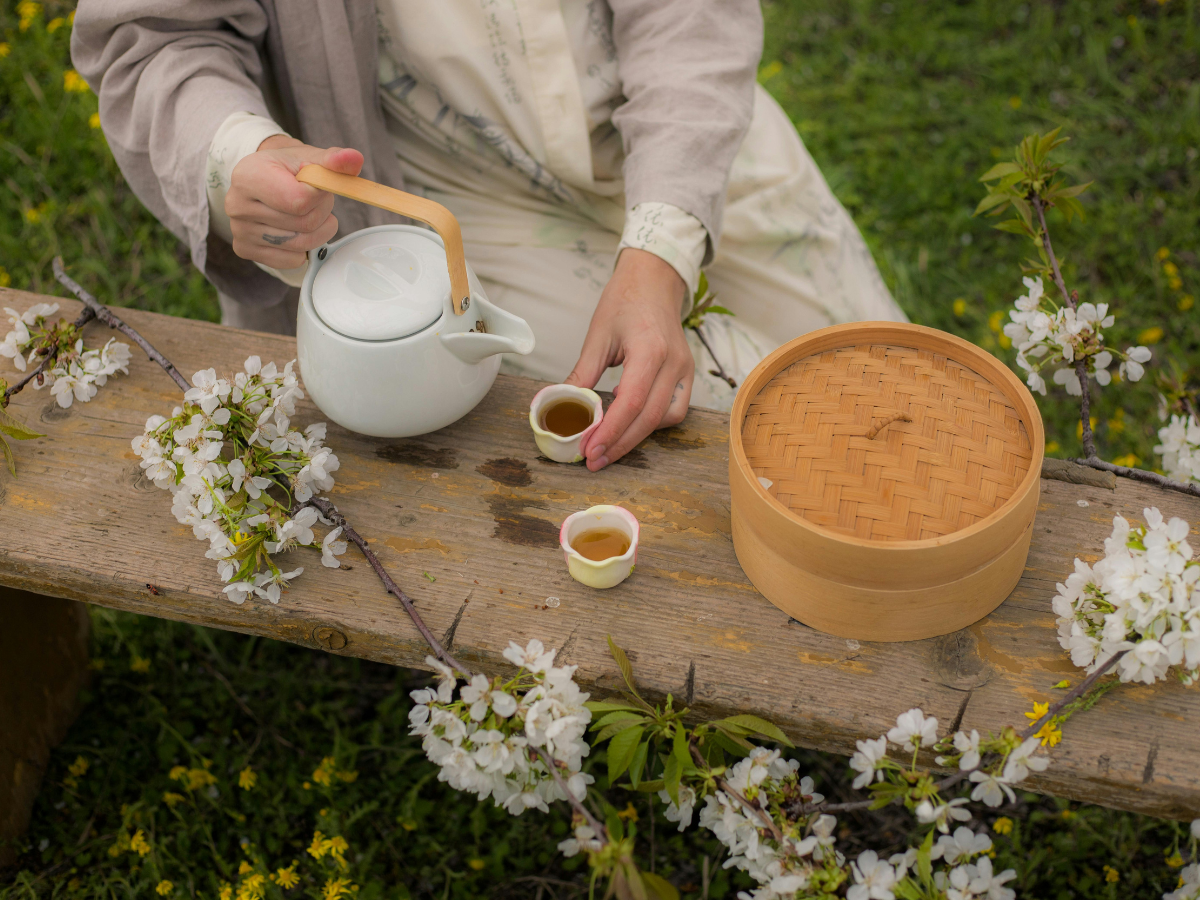
What if we returned to drinking tea as a ceremonial practice? What if when consuming tea, we put everything down, and in that quiet moment, we honored the memory of tea?
What if we remembered how tea encourages us to slow down and connect; to each other, to ourselves, to the moment, to the elements, and to the land that gifted it to us?
What if we returned to tea as ritual, meditation, and a bridge across time?
Next time you find a cup of tea in your palms, close your eyes and breathe — you might just hear the mountains whisper, centuries old, calling you back to Mother Earth’s warm embrace.
— Ghina Fahs