




















































































Learning from the women that led the tree-hugging movement of India
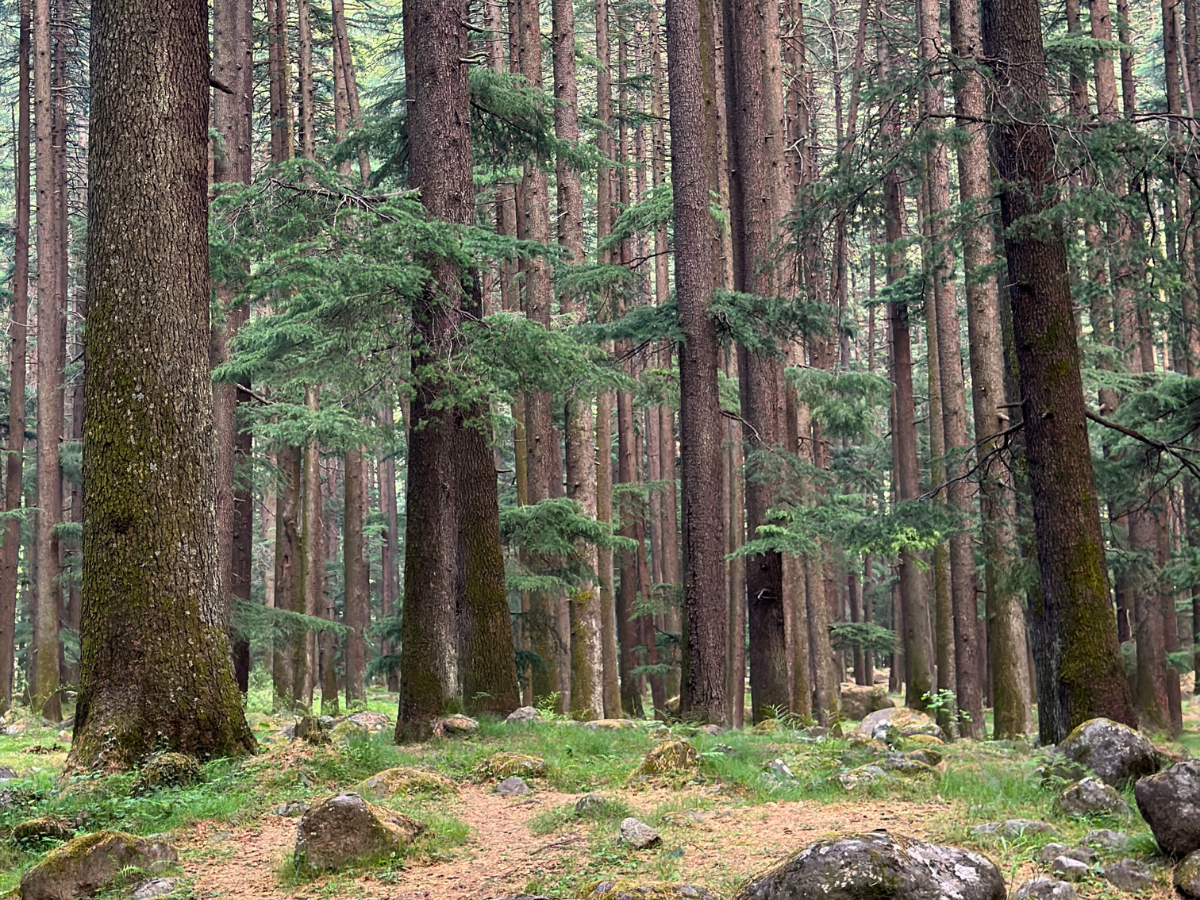
I never realized it was possible to form a deep bond with a forest until I spent a few months in the foothills of the Indian Himalayas. It was love at first sight — from the moment I glimpsed the trees outside my taxi window as I arrived at Old Manali, Himachal Pradesh, I could feel my heart flutter in response.
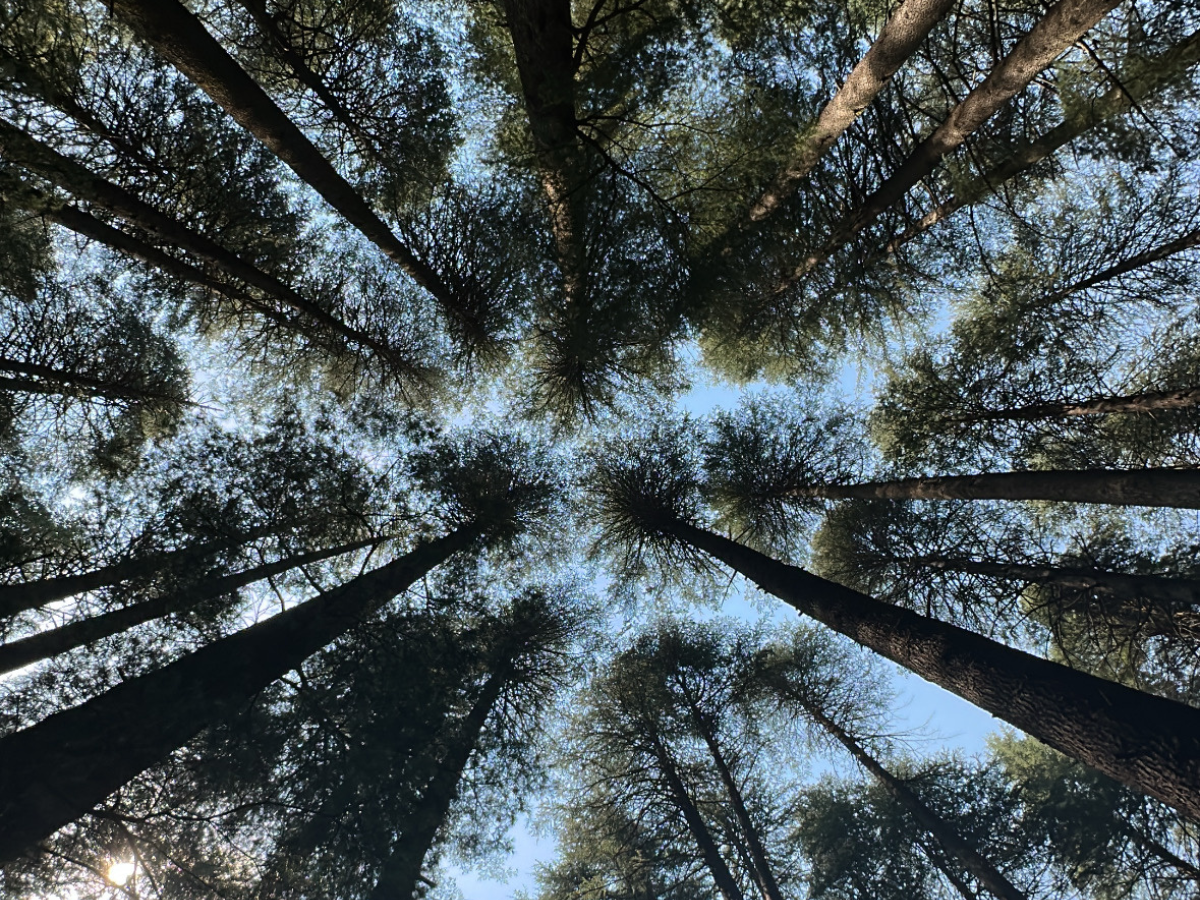
The forest had a glow so enchanting, I could almost see fairies hidden among the boulders and branches. The mighty Himalayan trees; ultimate meditators, teachers of patience, and masters of stillness, stood tall among silver rocks of all sizes covered in emerald moss. The Manaslu River sang beside them, and the land seemed to whisper, “Come, be a part of the masterpiece.”
Over the next three months, I visited the forest regularly; to write, read, breathe, or simply listen — it became a ritual, just me among the giant Deodar trees, cultivating a beautiful friendship. One that would teach me about India’s tree-hugging movement and what it truly means to protect the Earth with our own two hands.
So often, I think about how priceless this type of wealth is: being in the safe, slow, still embrace of the Earth. I think about the way we live today, how time in nature has gone from birthright to privilege, and I ask: how might we begin to repair this sacred and irreplaceable relationship with the Earth?
A history of tree-hugging activism in India
The answer, I discovered, was already written in the soil of these mountains.
Spending my days among the trees of the Himalayan foothills not only gave me the opportunity to hug plenty of trees, but it also ignited a curiosity in me to learn more about tree-hugging in general.
As I wrapped my arms around those ancient Deodars, feeling their rough bark against my skin and their steady coolness grounding my energy, I didn’t know I was participating in a tradition born from this very land. As it turns out, tree-hugging wasn’t invented by Western wellness culture or hippie communes — it emerged right here, in India, as an act of fierce love and resistance.
In 1730, a group of around 363 Bishnoi villagers in Rajasthan, led by a woman named Amrita Devi, sacrificed their lives protecting Khejri trees from being cut down by the Maharaja of Jodhpur’s soldiers. They embraced the trees as the axes fell, choosing death over witnessing the destruction of nature. Their courage planted a seed that would sprout centuries later into one of the most powerful environmental movements in India.
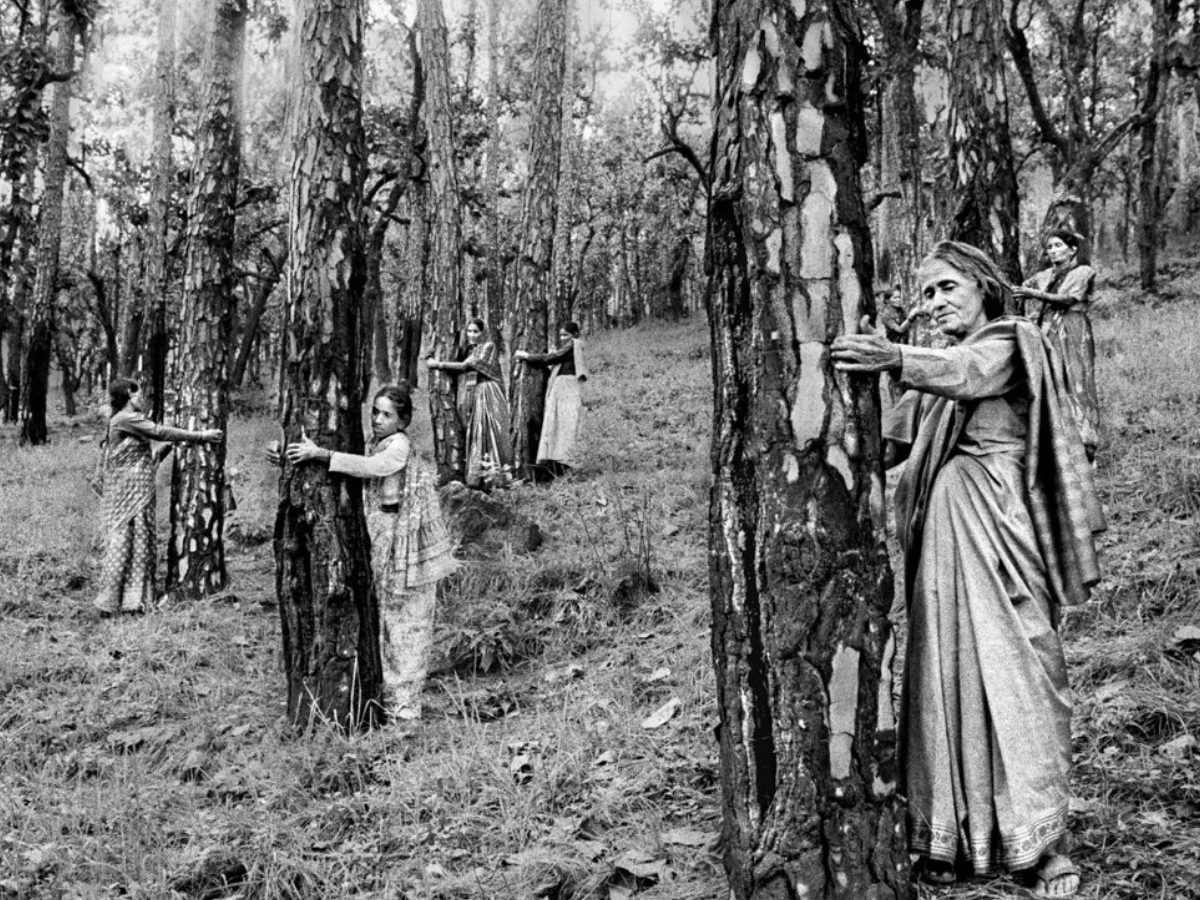
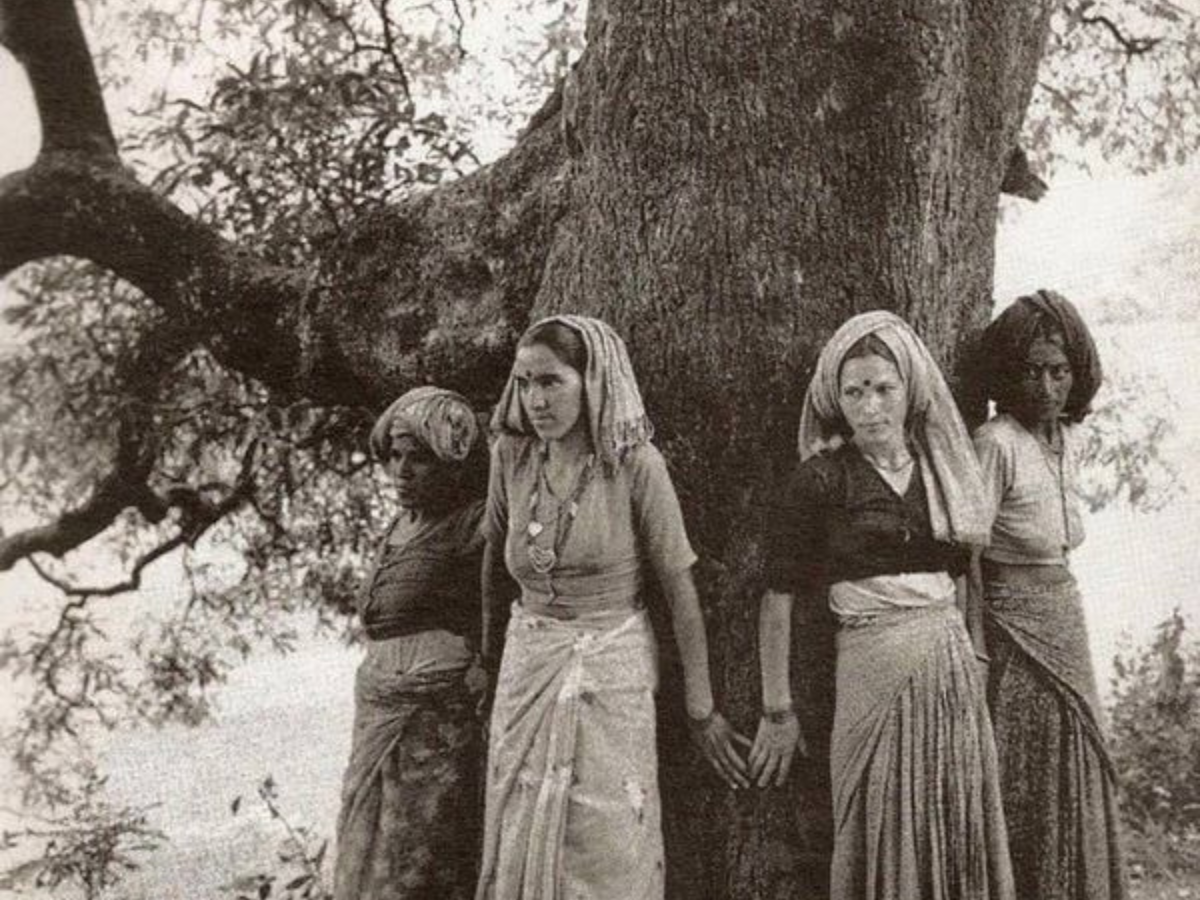
In 1973, not far from where I spent my days connecting with the Himalayan forests, this radical act of protection was iconically revived by the locals of Mandal village, Uttarakhand. When loggers arrived to cut down ash trees, around 30 women, led by Gaura Devi, wrapped their arms around the trunks and refused to move.
The loggers had a choice: harm these women or leave the trees standing. In that beautiful display of communion, the women and the trees prevailed.
This act of environmental protest became known as the Chipko Movement. The word chipko means “to stick” or “to hug” in Hindi, and it sparked a wave of forest protection and activism against deforestation across the world that continues to this day.
Why tree-hugging and environmental activism still matter
Now, when I think of those months in Old Manali, I see it clearly: every time I felt the touch of the trees, I was echoing the teachings of Gaura Devi, Amrita Devi, and the many sensitive souls before me who understood something we’re only beginning to remember: that trees are not resources to be managed but relatives to be protected. They are our elders, our allies, our lifeline.
What was once dismissed as foolish sentiment is now validated by science: trees heal us, calm us, connect us to something essential we’ve nearly lost. But the wisdom was never in the research papers—it was always in the embrace itself.
Unfortunately, deforestation continues. Different trees, different countries, same relentless appetite for extraction and exploitation. But in India and beyond, tree-huggers must continue too: resisting deforestation, embracing the trees, standing between profit and life, and letting our bodies speak for the body of the Earth.
I left those Himalayan forests changed. I carry them with me wherever I go, as a reminder that repairing our relationship with the Earth begins first and foremost with protection that is devoted and unwavering. And sometimes protection can look like stillness, presence, and recognition — like wrapping our arms around the sanctity of life and refusing to let go.
— Ghina Fahs