Experiencing one of the most unique festivals in the world: Chaul Chnam Thmey
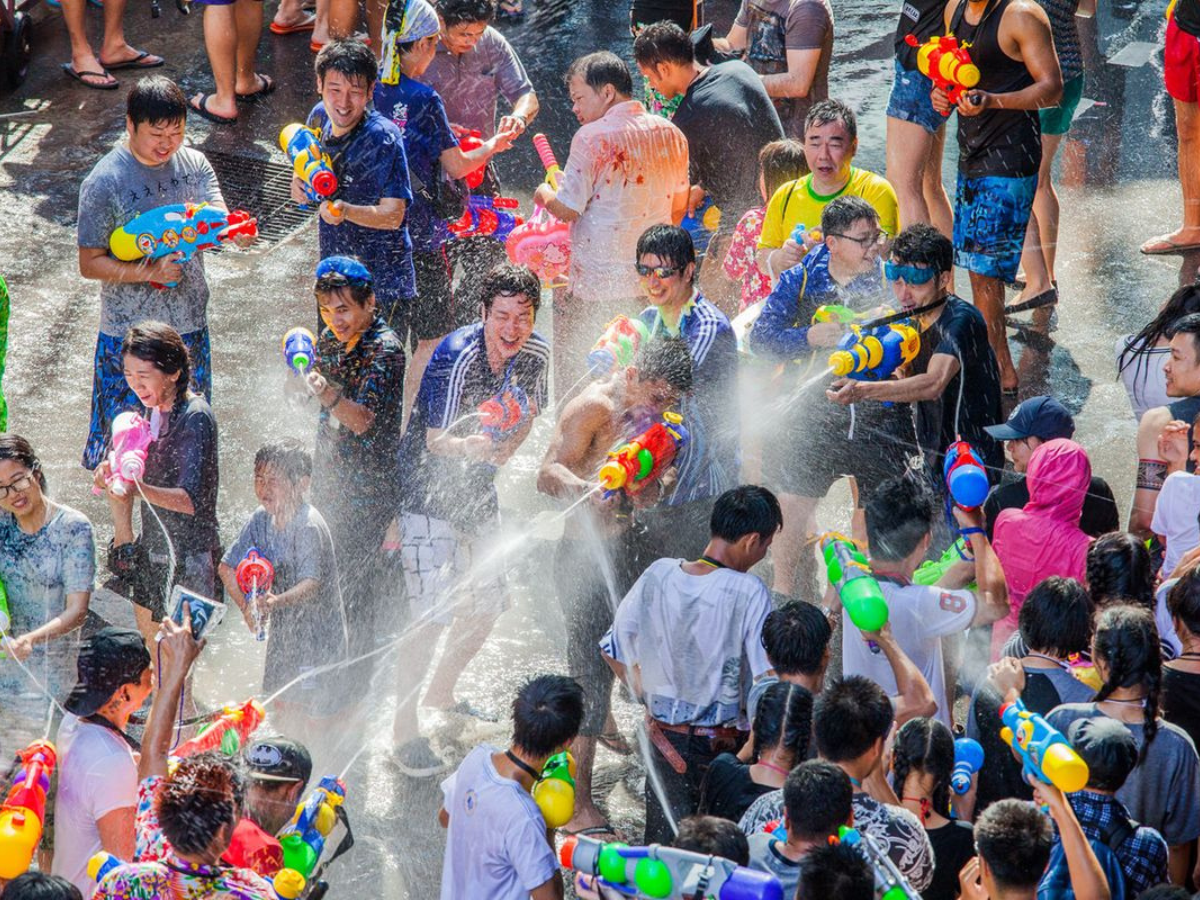
In April of 2025, I experienced my first Khmer (Cambodian) new year celebrations in the city of Siem Reap. I’d heard plenty about this time of year since moving to Cambodia, but nothing could’ve prepared me for the magnitude of what was to come.
As the solar new year approached – known locally as Chaul Chnam Thmey and more popularly in Thailand as Songkran – my friends gave me a few survival tips for the festival: buy a water gun, don’t carry anything that can’t get wet, and take extra care while cycling around town.
With that, I armed myself with a bright pink Hello Kitty water gun, tucked my essentials into a waterproof fanny pack, and practiced the Khmer greeting over and over: “Sursedey Chnam Thmey!” … Let me tell you, what followed were some of the most joyful, heart-opening times of my life.
But first, why celebrate the new year in April?
Unlike the Western New Year, which follows the Gregorian calendar, Cambodia and a few other countries across Asia celebrate the new year in mid-April — the start of the traditional solar year. The timing reflects the country’s agrarian roots: harvest season has ended, and farmers finally have time to rest and celebrate before the rainy season begins.
The festival, deeply rooted in Buddhist and cultural traditions, lasts for three days, with celebratory rituals ranging from temple visits and offerings to playful games and water blessings, meant to wash away misfortune and welcome renewal.
A look inside the famous city-wide water fights
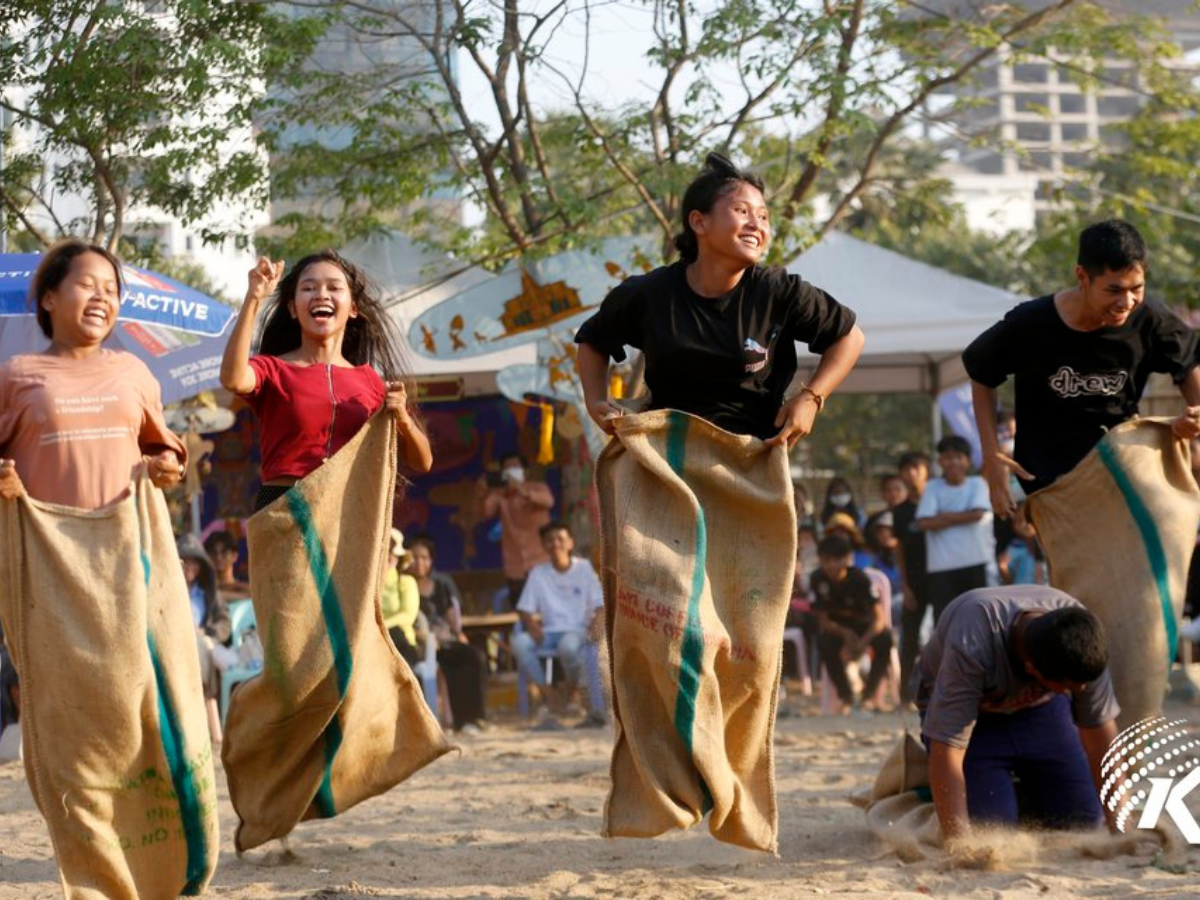
During Chaul Chnam Thmey, Siem Reap transforms into a citywide playground. Streets close, music blares, and people journey from all over Cambodia to join the celebrations. Businesses shut down, dance stations pop up, and fun events fill the city all the way to the ancient grounds of Angkor Thom.
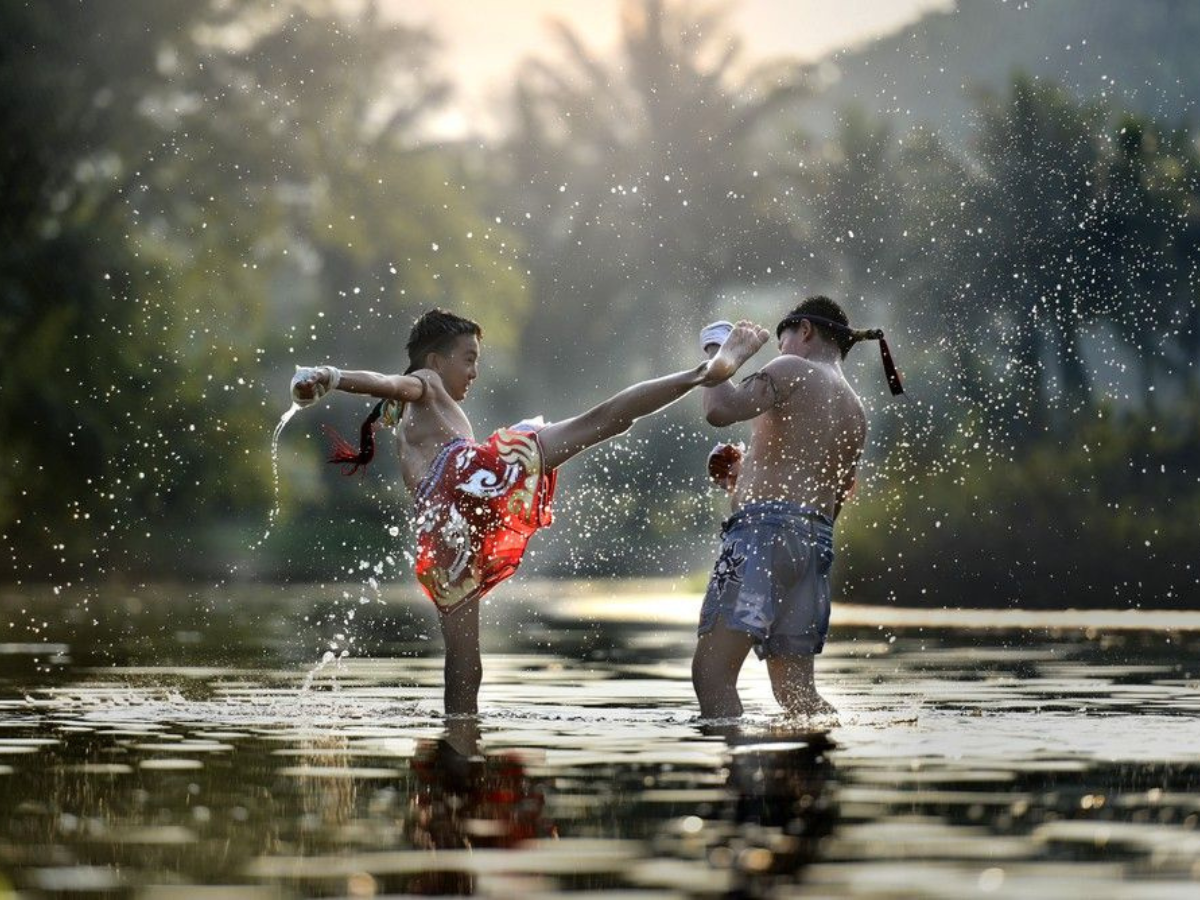
Everyone came prepared, water guns locked and loaded, knowing that unless they stayed home, they wouldn’t be spared. Convoys rumbled through the streets, trucks overflowing with people ready to drench anyone who crossed their path, sometimes with buckets of ice-cold water. The only rules were simple: play, dance, laugh, and stay safe.
On my first day, I entered the chaos alone. My friends had a last-minute change of plans, so I decided to go anyway, naively thinking I could somehow stay semi-dry. But within minutes, I was soaking wet from head to toe. People of all ages smiled at me, shouted “Sursedey Chnam Thmey!”, gleefully blasted me with water, and dusted baby powder over my head. I had no choice but to surrender — and once I did, I felt something shift.
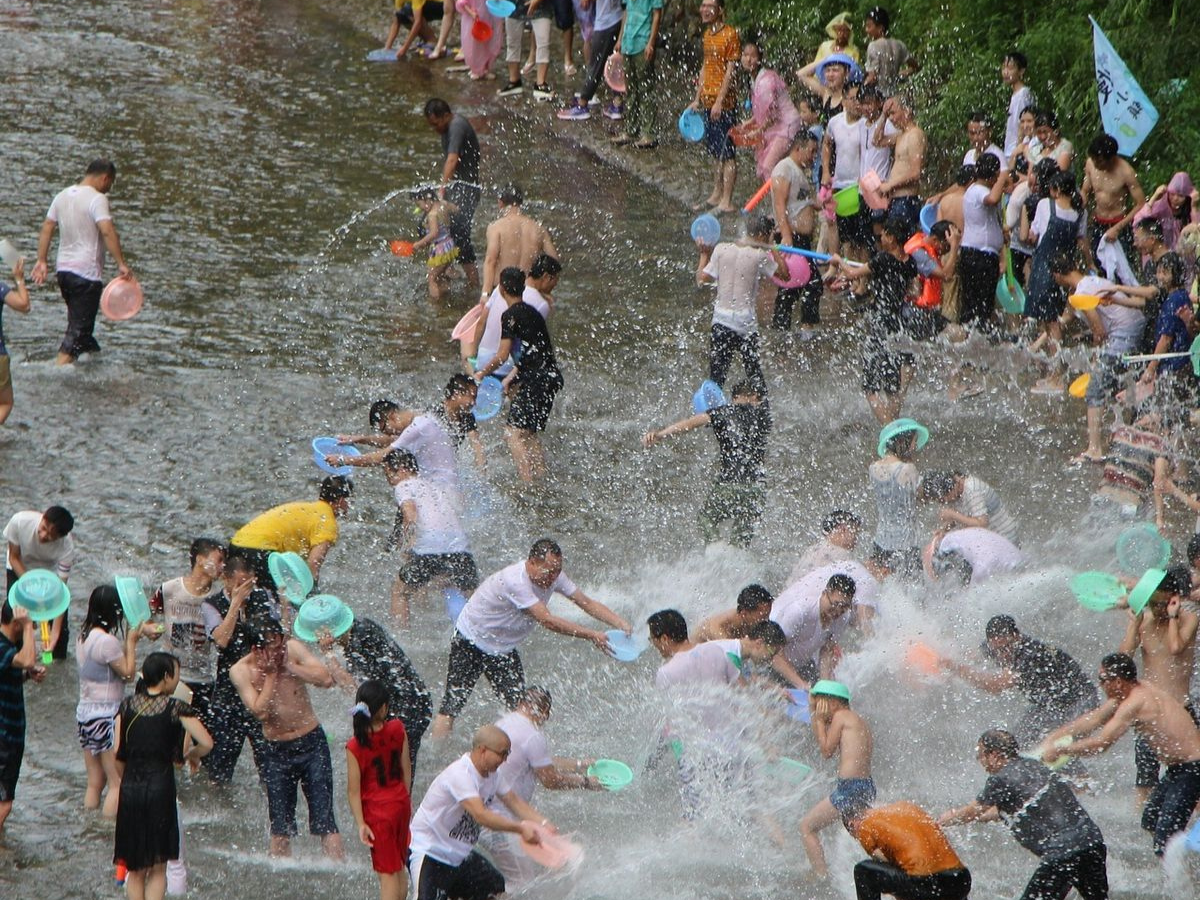
What I couldn’t help but stop to notice was the incredible kindness of every stranger I encountered. There I was on my own, far from home, surrounded by thousands of strangers in the heart of collective chaos — yet not once did I feel unsafe or out of place.
I knew no-one, yet everyone welcomed me warmly and made me feel included. With every small exchange of water and laughter, the barriers of language and culture dissolved entirely. We were all children again, connected by our hearts, immersed in the joy of play, and held by the spirit of the land.
When my friends joined me the next day, we became a team of warriors, ready to defend ourselves and each other, with laughter and colorful water guns as our weapons. Sure, we took a few painful shots of water in our eyes and endured more than one surprise ice bucket dumped over our heads, but none of that mattered. Our inner children had been set free!
Post-baptism reflections
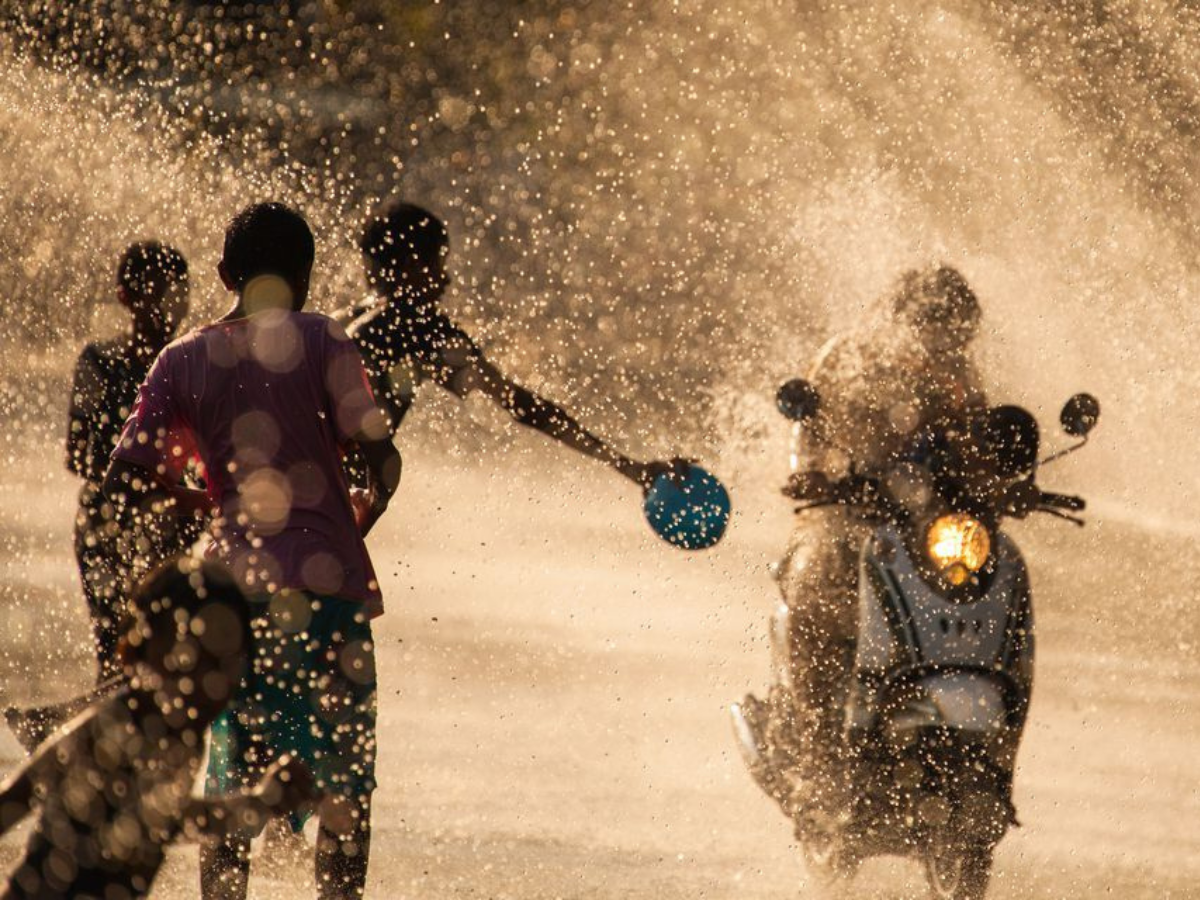
In the days following Chaul Chnam Thmey, I took the time to slow down and reflect on the experience. I found myself randomly giggling at times, still charged with glee. I couldn’t believe there were people in the world collectively nurturing their inner children in such a beautiful way, and that I got to be a part of it.
In my eyes, Chaul Chnam Thmey isn’t just a cleansing ritual marking the end of harvest, it’s also a collective heart-opening ceremony, a mass invitation to put your heart at the forefront and let yourself soften, play, and reconnect. Seeing both infants and elders delighting in the same pure, unfiltered joy felt like a different kind of medicine — the type of spiritual therapy not many of us experience in today’s hyperindividualistic world.
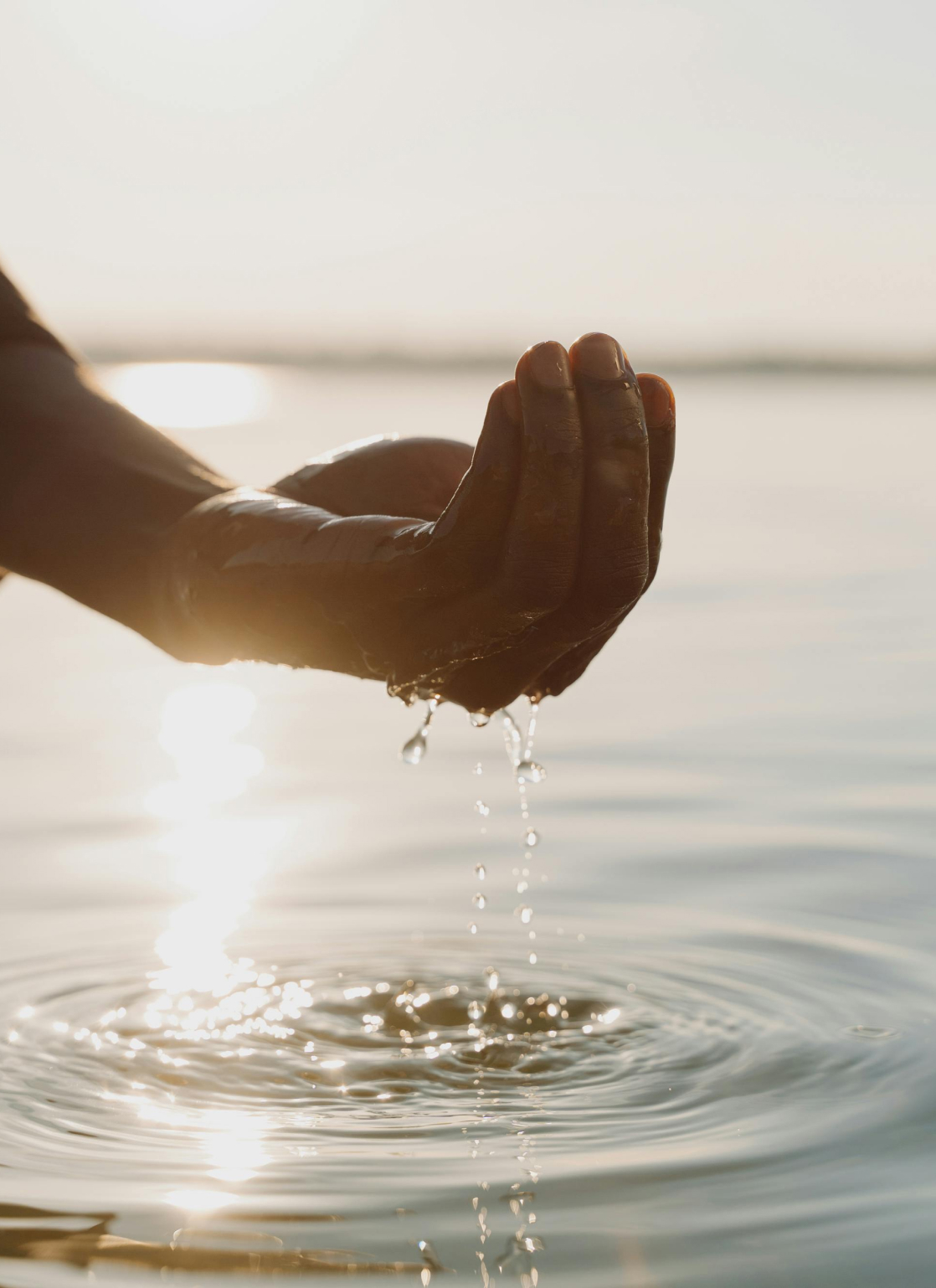
And the water… Oh, the water. It wasn’t just playful; it was sacred. Water is the great cleanser, the element of emotion and renewal, the embodiment of the Divine Mother. Watching an entire city pause their lives to play, to laugh and surrender as they immersed themselves in it — it felt like witnessing a collective baptism of the heart.
Chaul Chnam Thmey is just one of many festivals across Asia that remind us of something simple yet profound: celebration itself can be a form of prayer — and that sometimes, the most spiritually responsible thing we can do is set everything down, go outside, and play together.
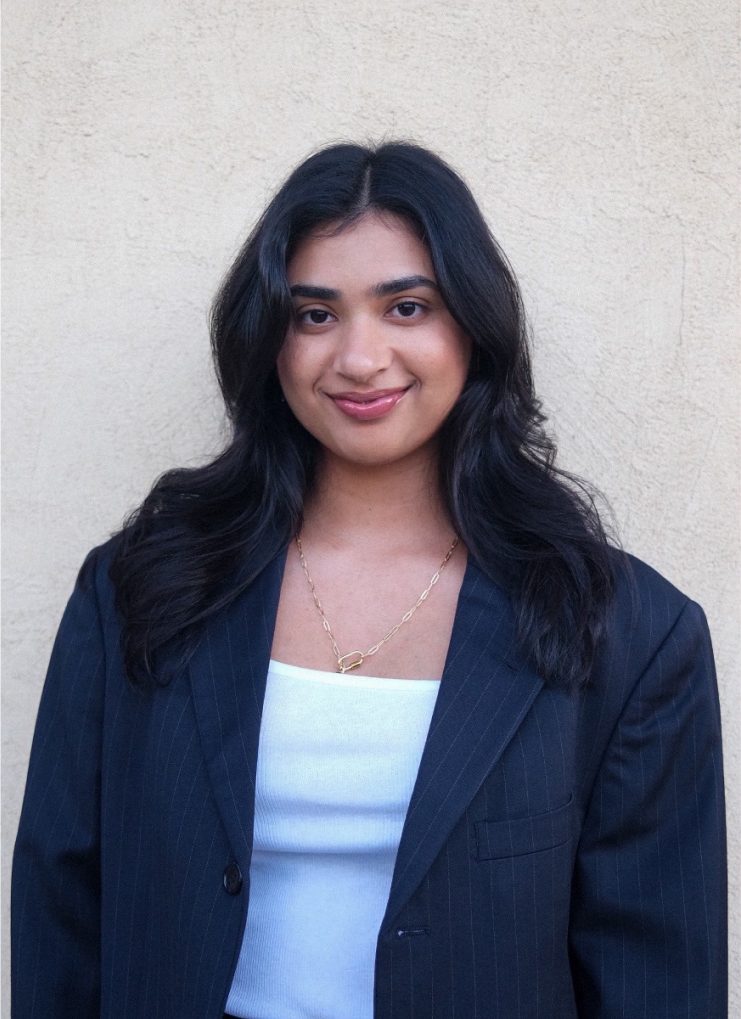
— Ghina Fahs