

































































Apsaras: Celestial dancers of the ancient world
In-between worlds, where mortal longing meets divine grace, there dance the mystical apsaras — celestial beings so beautiful that their very presence is said to disrupt even the most transcendent states of meditation. Wielding power through their feminine beauty, enchanting dance, and influence over emotions, the charm of apsaras both seduced sages and inspired warriors.
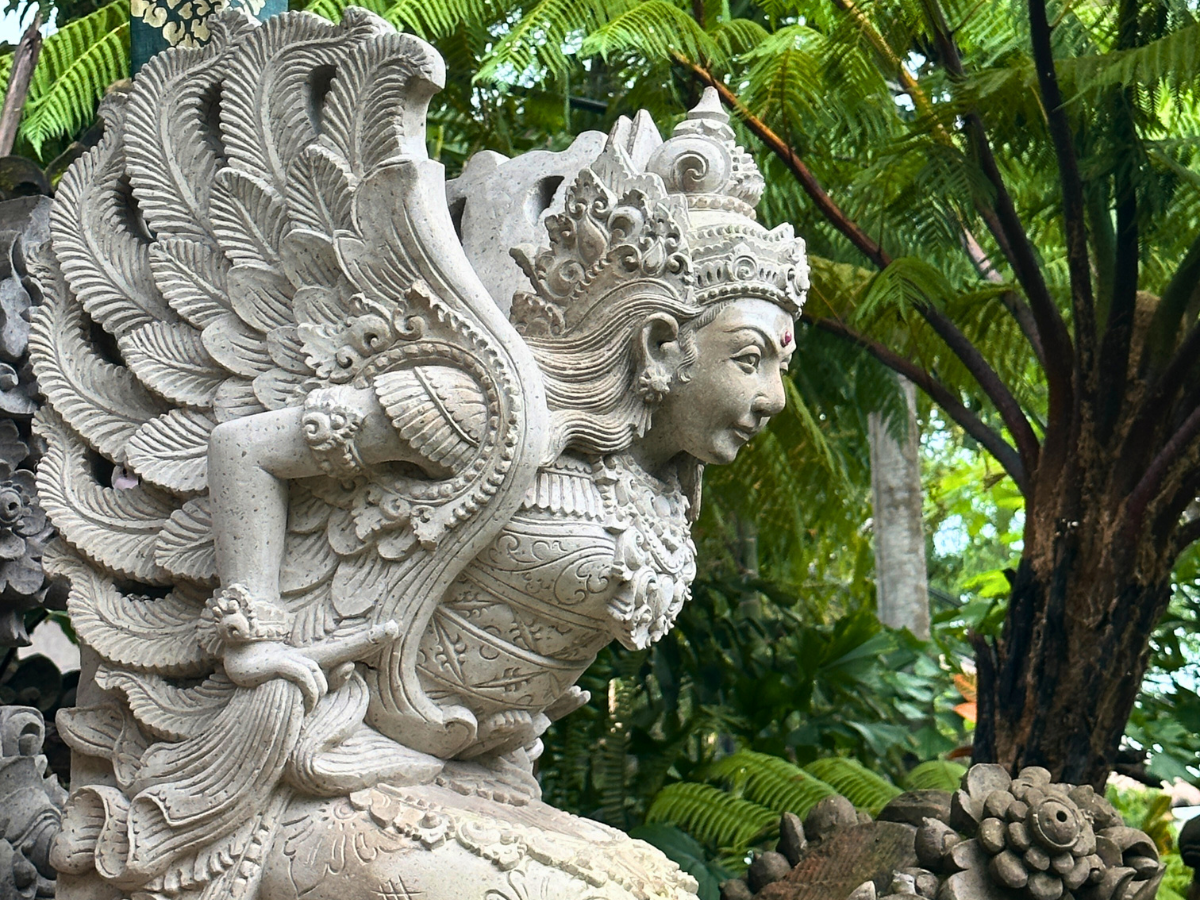
I first heard about these ethereal nymphs while swimming in the waters of Telaga Tujuh (Seven Wells Waterfall). Later, I encountered them again in Colombo’s museums, among Bali’s mystical sculptures, and carved into the ancient walls of Angkor’s temples. Each time, I grew more fascinated by how apsaras seemed to effortlessly defy man-made borders and lines on maps.
In mythology, these divine dancers appear most prominently in ancient Hindu and Buddhist traditions, with echoes also found in Jain cosmology. Today, they continue to drift through the spiritual landscapes of India, Sri Lanka, Nepal, Cambodia, Thailand, Laos, Myanmar, Indonesia, Malaysia, Vietnam — and even into the distant reaches of China and Japan, where they take on new names and forms.
Whether in museums, as statues, on temple walls, on stages, or in stories, they wear different names and dance to different rhythms in each land. Yet their essence remains the familiar common denominator: feminine beauty as a sacred bridge between worlds.
So, who really are the apsaras — the muses and inspirations behind much of the South and Southeast Asia’s timeless art and storytelling?
Apsaras: Daughters of the churning sea
The apsaras first emerged in Hindu mythology during the Samudra Manthan, the great churning of the cosmic ocean. As gods and demons pulled at the serpent Vasuki, wrapped around Mount Mandara, divine treasures rose from the depths — and among them came the enchanting apsaras, celestial beings born from foam and starlight. Apsaras possessed powers of shape-shifting, flight, and control over nature, embodying grace, artistic talent, and incredible spiritual agency, often serving in Indra’s celestial court or as messengers for the gods.
When dancing in Indra’s court, apsara movements were seen as expressions of the universe itself in perpetual motion. However, they were not merely ornaments or entertainers. In many stories, they functioned as agents of cosmic balance, sent to Earth when ascetics’ spiritual power grew so immense it threatened the equilibrium between mortal and divine realms.
Here lies an ancient paradox of feminine power: fearing the rise of sages who might rival the gods, Indra wielded what he believed to be his most subtle weapon — beauty itself. Through dance, allure, and presence, apsaras reminded ascetics of earthly sensation, desire, and attachment. In this way, they embodied a truth echoed across cultures: that beauty holds the power not only to inspire transcendence, but also to redirect it. There’s something in that, isn’t there?
The common thread: Beauty as a bridge
As Hinduism and Buddhism traveled along ancient trade routes, these celestial dancers journeyed with them — threading through cultures as diverse as the Hindu-Buddhist kingdoms of Java and the Buddhist caves of Dunhuang in China — taking root so seamlessly they seem to transcend space and time.
Perhaps this is because apsaras speak to something deeply human: the longing to believe that beyond suffering exists a realm of grace, fluidity, and eternal beauty. They remind us that beauty is not mere decoration, but a sacred force; a bridge between the material and the divine.
Moreso, the female form in motion, in dance, becomes beauty embodied. And sublime beauty reminds us that the Divine is close, offering sweetness amidst the chaos and suffering of life. Yet apsaras also reveal beauty’s double-edged sword: how many can witness such grace with reverence and detachment, without the ego’s urge to grasp or possess?
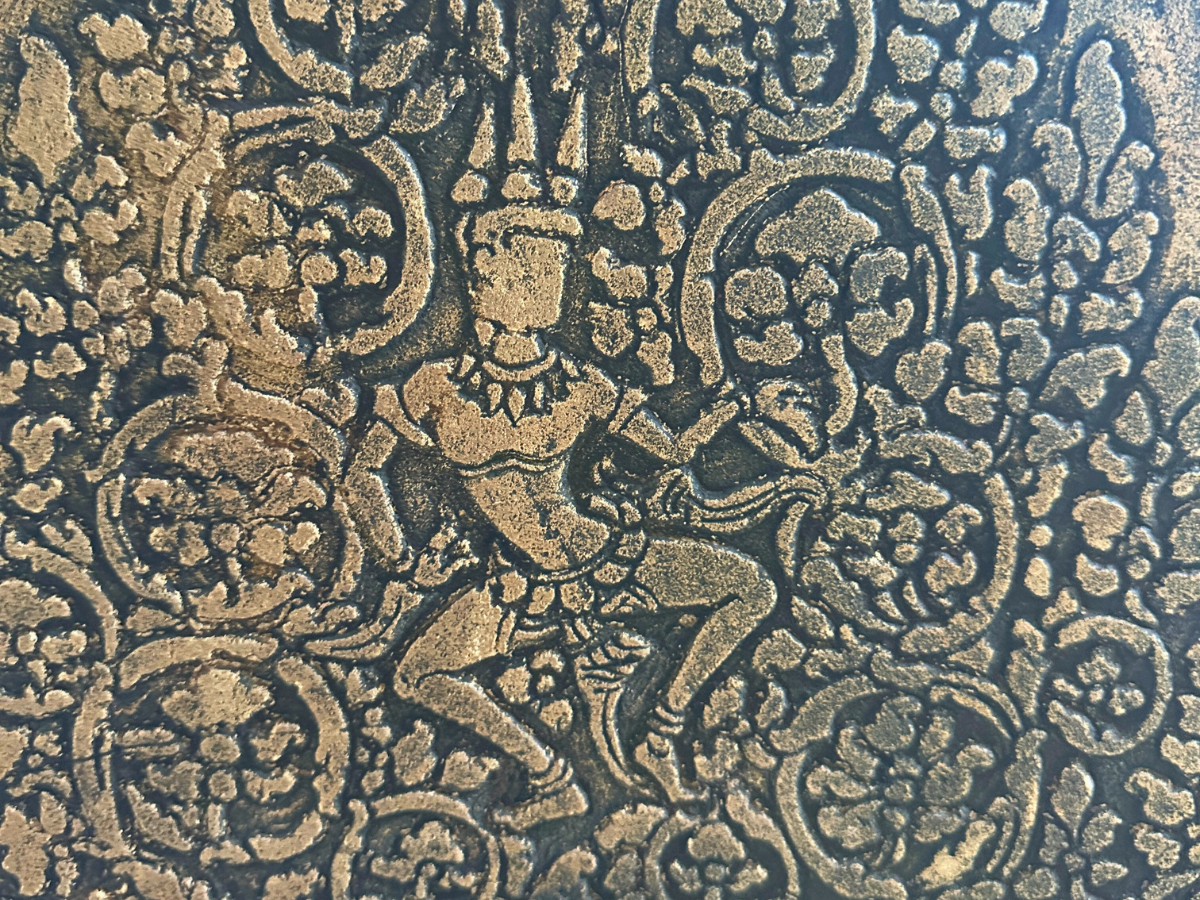
Are the apsaras walking among us?
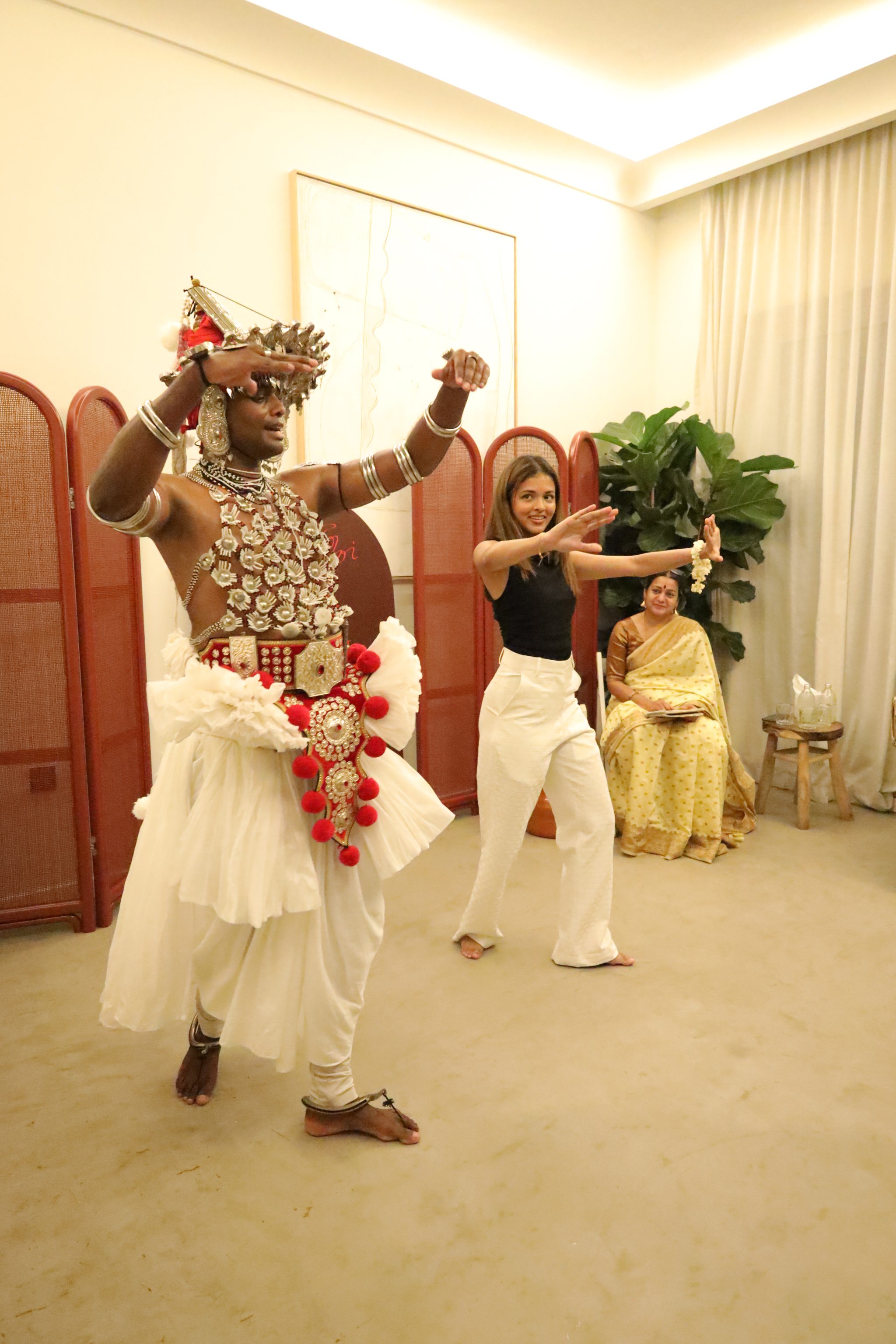
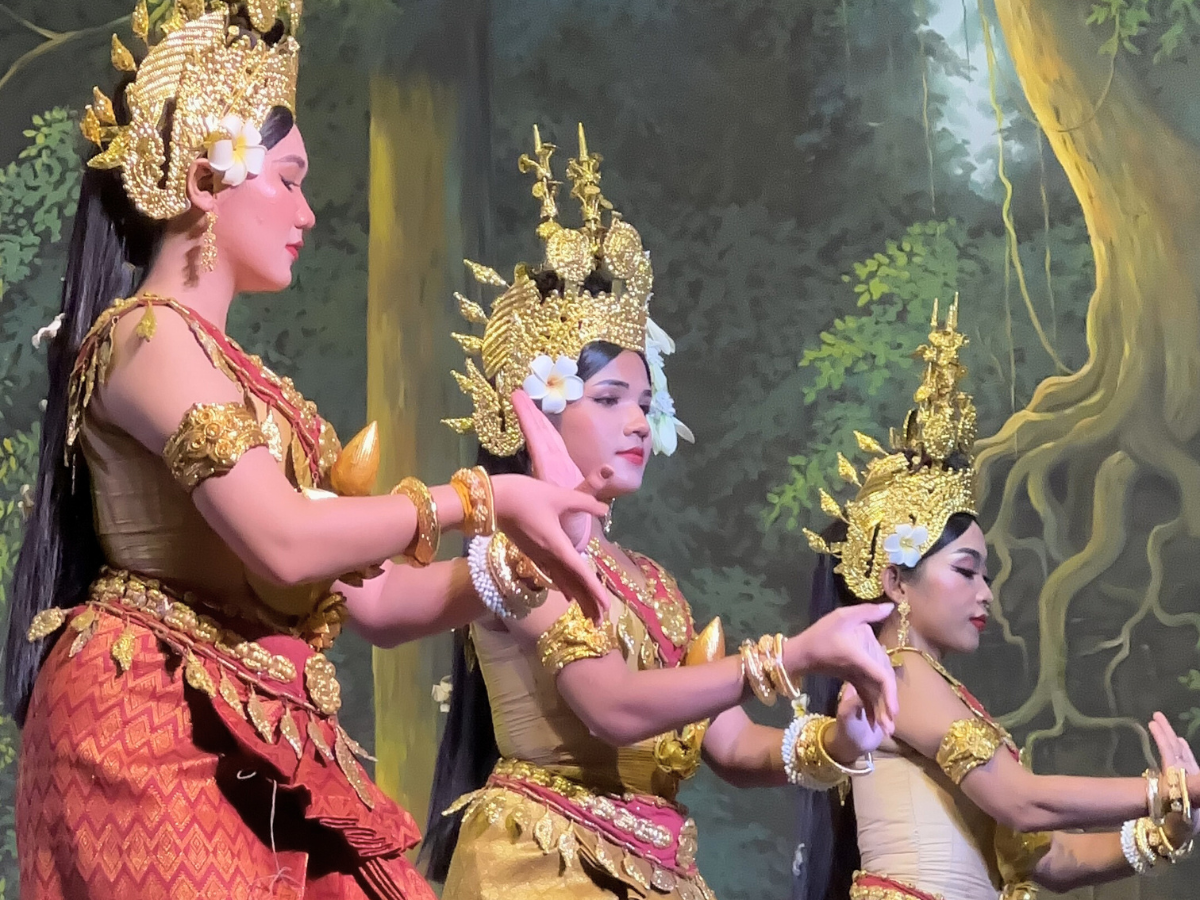
Today, apsaras continue their dance — across temple walls and museum halls, through apsara classical performances where human bodies channel celestial grace, and within the imaginations of artists and poets. They remind us that long before lines divided nations, stories flowed freely, shaping a shared reverence for the feminine as an expression of the divine.
They teach us that some mysteries are meant to remain untouchable, that grace recognizes no borders, and that the feminine has always been a bridge between what is and what could be.
And while apsaras dance in realms we can imagine but never quite touch, I’ve noticed something else. I gather often with women; in circles, in ecstatic dance, in embodied movement — and when I close my eyes and surrender to motion, then open them briefly, I see it: real-life apsaras. Transcendent beauty, alive and breathing.
So I dare to ask: what if apsaras were never only mythical? What if they were reflections of real women — women who wake each day embodying both divine grace and nature’s wild, haunting beauty? What if women were always meant to be dangerously beautiful, living reminders that beauty itself is a sacred antidote in a world of suffering?
What do you think?
— Ghina Fahs