




















































Decolonizing yoga, part 2: Understanding the difference between appreciation and appropriation
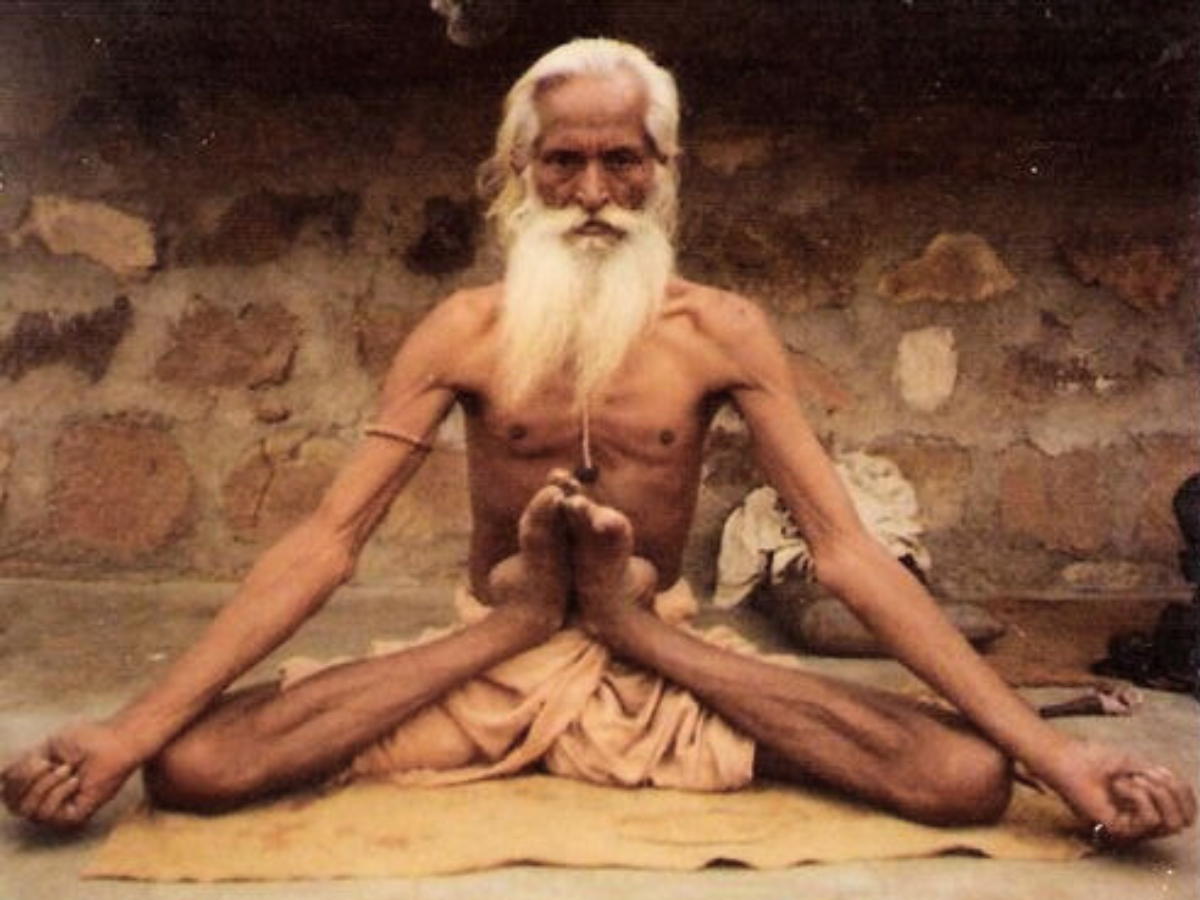
“Yoga got colonized twice, first when the British tried to outlaw it. Then, when white wellness culture sold it back to us as self-optimization.” – Susanna Barkataki
If you’ve read Part 1 of this series, you already know we’re peeling back the layers of how yoga has been commodified and distorted as it traveled towards the West and spread around the globe.
Part 2 of our Decolonizing Yoga series might be a more difficult subject to tackle, but is a crucial part of the conversation: in this blog post, we’re covering the difference between cultural appropriation and cultural appreciation of yoga.
Note that this absolutely isn’t about making anyone feel guilty for practicing yoga. This is about making sure we continue to practice together — but with awareness, reverence and integrity.
Appreciation VS. appropriation
Appreciation happens when we engage with a practice while honoring its origins, learning the true context beyond the layers of mainstream popularization, and respecting the people who brought it forth to share with us. The key here is that we recognize our role as receivers, not owners. Both as practitioners and if we decide to become teachers of this ancient, ancestral system that may not be part of our own heritage and lineage.
Appropriation, on the other hand, happens when we take elements of a culture (especially one that has been marginalized or colonized), ignore the deeper layers of context and meaning, and use it for our own benefit without credit or respect for its roots.
The sad truth is that the yoga world is becoming harder to navigate authentically when there’s too much clutter keeping us floating on the surface. And honestly, many of us have unconsciously taken part in perpetuating or reinforcing the clutter because we simply didn’t know better. I created this blog series because I, too, found myself amidst the clutter plenty of times along the way.
The colonization of yoga survives because it relies on practitioners to unknowingly perpetuate its distortion. Decolonizing yoga is a continuous journey of learning how to better show up both on and off the mat.
What appropriation can look like in yoga spaces
- Disregarding the philosophy: Getting into “Instagrammable” asanas, breaking a sweat on the mat, and calling it a day — while skipping over the philosophical teachings, the ethical foundations, or the devotional aspects that might challenge our worldview or comfort level.
- Profiting without honoring: Western yoga teachers building entire brands and businesses teaching yoga, while South Asian teachers, the culture-bearers of this tradition, struggle to get the same opportunities. When the yoga industry is worth billions but that wealth rarely flows back to the communities yoga comes from, that’s extraction, not exchange.
- Rebranding and renaming: Puppy yoga, Beer yoga, Goat yoga…? Rebranding yoga for marketing purposes doesn’t actually do anything to teach seekers about the true meaning and purpose of yoga. It undermines yoga’s ancient spiritual teachings and only keeps people from diving deeper.
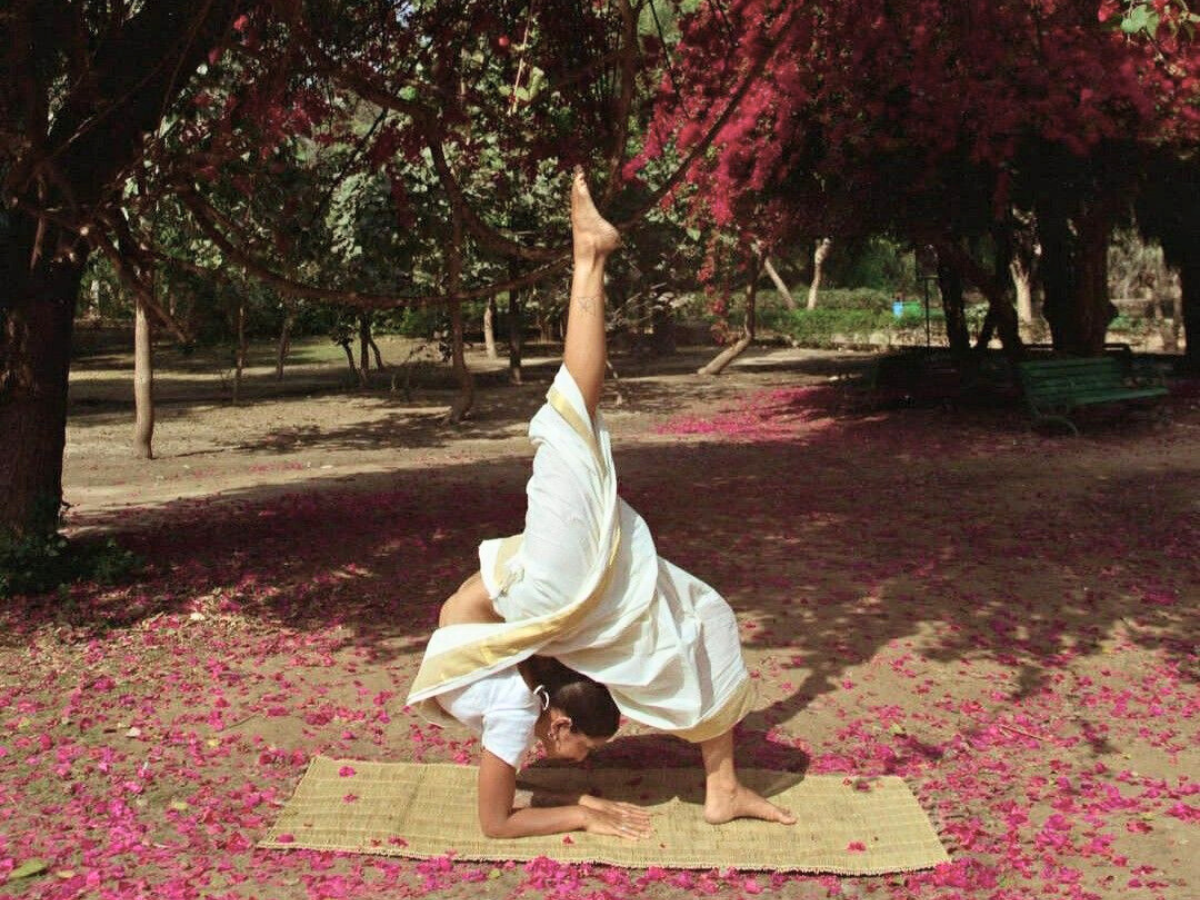
What appreciation can look like in yoga spaces
So how do we practice yoga with reverence? Here’s where I’m currently at:
- Go deeper into the philosophy and history: Acknowledge and understand that while yoga is not a religion, it comes from ancient Indian traditions rooted in Hindu and Buddhist philosophy. Read texts like the Yoga Sutras, the Bhagavad Gita, the Hatha Yoga Pradipika. Learn about colonialism’s impact on yoga and how it became Westernized.
- Practice all eight limbs: Go beyond the physical. Study the yamas and niyamas (ethical guidelines). Develop a personal meditation practice. Explore pranayama. Create a regular practice of self reflection and svadhyaya (self-study). Have difficult conversations instead of bypassing. Asana is only one small piece of a larger system, it is not the end goal.
- Support South Asian yoga teachers: Learn from and support teachers who are connected to authentic lineages. Understand your place in yoga in relation to theirs. Pay them fairly. Amplify their voices. If you’re a studio owner, make your container a safe space of expansive opportunities for South Asian yoga teachers.
- Acknowledge the source: When you teach, when you post, when you talk about yoga — remember to honor where it comes from. When you share it with others, mention that it is an ancient, ancestral wisdom passed down through generations, emerging in India and spreading across the globe.
In all cases, the ego may be challenged, yet our task is to remain humble. Remember that as a practitioner or a teacher, you are always a student of this practice. Receive, honor, and pass on with care — instead of cherry picking what looks good on the outside, explore for yourself what feels true to your soul.
Moving forward, together
“Yoga isn’t just movement, it’s how we move together.” – Susanna Barkataki
Decolonizing your yoga practice isn’t a one-time band-aid. It’s an ongoing commitment to awareness, to learning, unlearning and relearning, to being with what’s uncomfortable even when it feels icky, and to choosing reverence over convenience.
None of us will get it perfect, I’m still learning a lot myself, but to decolonize is in itself a yoga practice of self awareness, alignment, and liberation — this includes intentionally and consciously refining how we practice, with integrity and respect.
If you’d like to dive deeper, we highly recommend the book Embrace Yoga’s Roots: Courageous Ways to Deepen Your Practice by Susanna Barkataki.
See you at the next one: Decolonizing yoga, part 3!
— Ghina Fahs
(All photo credit goes to respective owners, sourced from search engines)