























































































From West to East: Remembering the iconic Hippie Trail
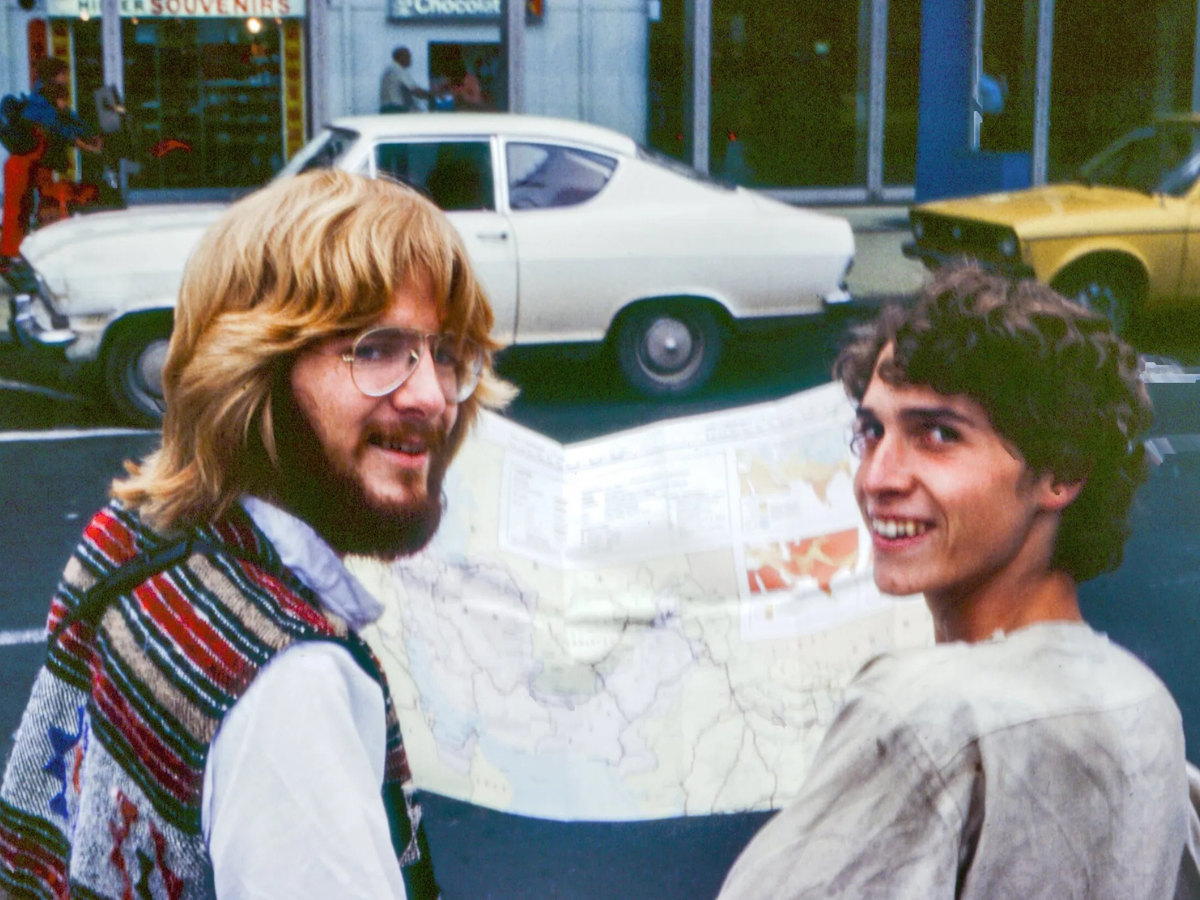
Get in, we’re hopping on a magic bus and going down the Hippie Trail!
In the late 1950s, the youth of the West began to embark on a long roadtrip towards the East that would ultimately become one of the most iconic travel movements of the century. The Hippie Trail consisted of a network of routes starting in Europe and ending in South Asia.
The journey represented more than just a cheap way to travel to the East. It was its own kind of pilgrimage, a rejection of Western materialism, and a search for enlightenment, adventure, and liberation.
What was the Hippie Trail?
“A new hippie trail was created, from Amsterdam to Kathmandu, on a bus that charged a fare of approximately 100 dollars and traveled through countries that must’ve been pretty interesting: Turkey, Lebanon, Iran, Iraq, Afghanistan, Pakistan, and part of India. The trip lasted three weeks [sometimes up to several months or even a year] and an insane number of miles.”
— From Hippie by Paulo Coelho
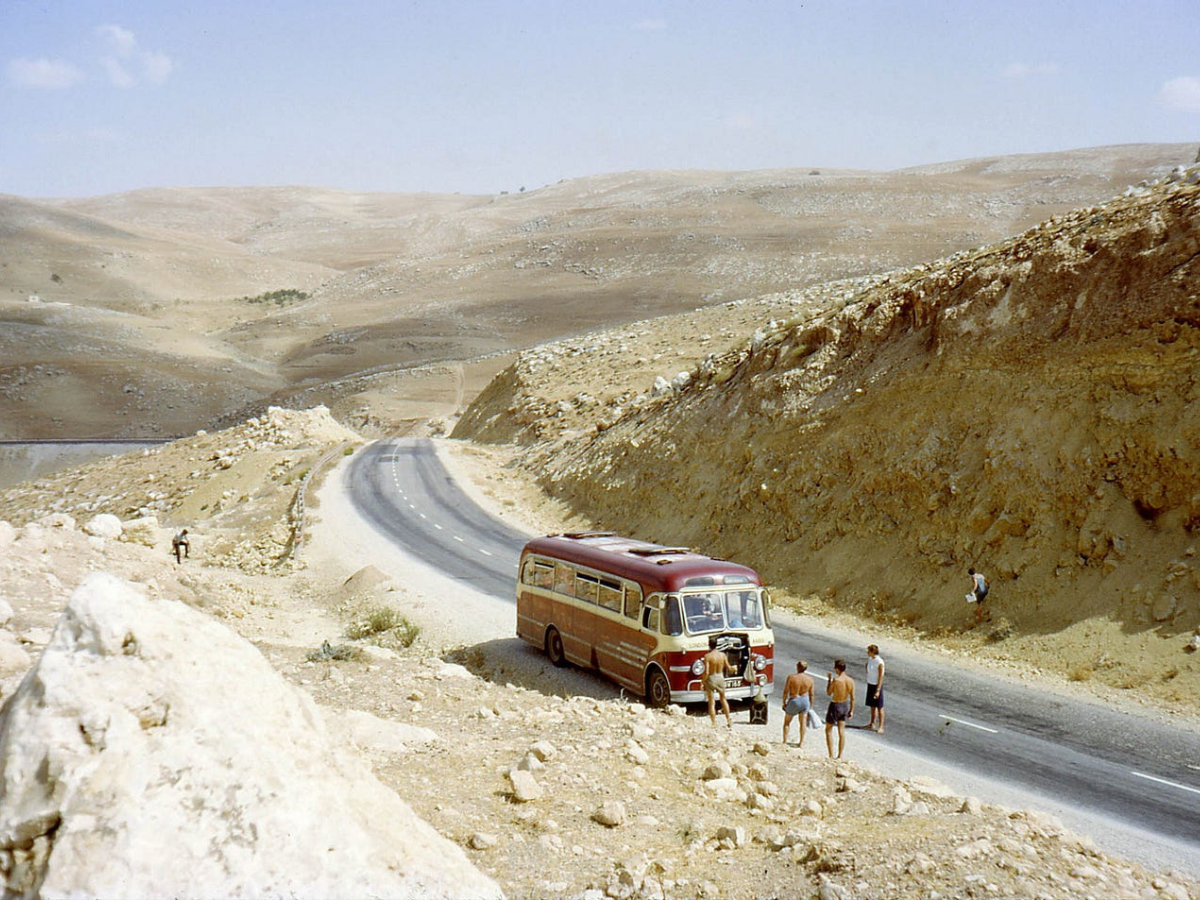
Travelers hitchhiked, took local buses, or rode in colorful decorated “magic buses” (converted vehicles that transported groups across continents). As Rory MacLean describes in Magic Bus, these journeys were transformative experiences for young people who were yearning to escape the conformity of post-war society and discover themselves outside the false cages of the imperial West. The buses were equipped with areas for sleeping and preparing meals, and the communal journeys themselves became an expression of hippie philosophies based on non-attachment, free love, and nomadic living.
The trail peaked in the 60s, during a unique window of time when borders were relatively open and the counterculture movement encouraged revolution and dropping out of conventional Western society. The hippie movement at the time was largely inspired by sacred values that the East, even when colonized and weakened, refused to abandon: reverence for life, preservation of ancestral wisdom and cultural authenticity, and devotion to ancient spiritual depth. Naturally, they were drawn in that direction.
“In those psychonautical times it was all about ‘being here now’ and living as much in the moment as we could.”
Why the Hippie Trail was awesome
The Hippie Trail became as iconic as it continues to be for several reasons:
- It made international travel more accessible, offering an inexpensive way for young people in the West to experience the world beyond their containers. Along the trail, a sense of freedom was found in the movement, in the uncertainty and the unfolding of the journey itself.
- Travelers often spent months in each location, immersing themselves in a form of travel that offered much more than the hyper-manufactured tourist packages we see today. This only meant that many returned home with expanded worldviews and a deeper appreciation for cultural diversity, bringing with them philosophies and teachings from the East.
- It created a global movement that still lingers. Guesthouses and cafes became meeting points where travelers connected. This network of wanderers formed bonds that transcended nationality, creating what felt like a borderless tribe united by curiosity, idealism, peace and love — inspiring free-spirited travelers to this day.
Why the Hippie Trail was awesome until it wasn’t
The journey didn’t come without its own set of problems — among them was the most obvious: the casual drug use that characterized the experience. Many travelers experimented heavily with hashish, LSD, opium and more, and some people never made it home, tragically losing their way to addiction or overdose.
There was also the element of cultural imperialism coupled with arrogance. Young Westerners often romanticized and exoticized Eastern cultures while remaining ignorant of local realities. They chased spiritual enlightenment but sometimes showed little respect for the religious traditions they claimed to admire… The sad truth is that this — along with other concerns like economic exploitation, the commercialization of sacred sites and traditions, and hidden dangers that got glossed over — are issues that are actually still prominent in the world of travel today.
The end of an era and the legacy it left behind
The geopolitics of the late 70s inevitably brought the Hippie Trail to an end. For example Afghanistan, which was once considered the trail’s spiritual heart, became regarded as a war zone, rather than a natural paradise. Visas became more restrictive and the rise of package tourism also eroded the trail’s infrastructure and ethos.
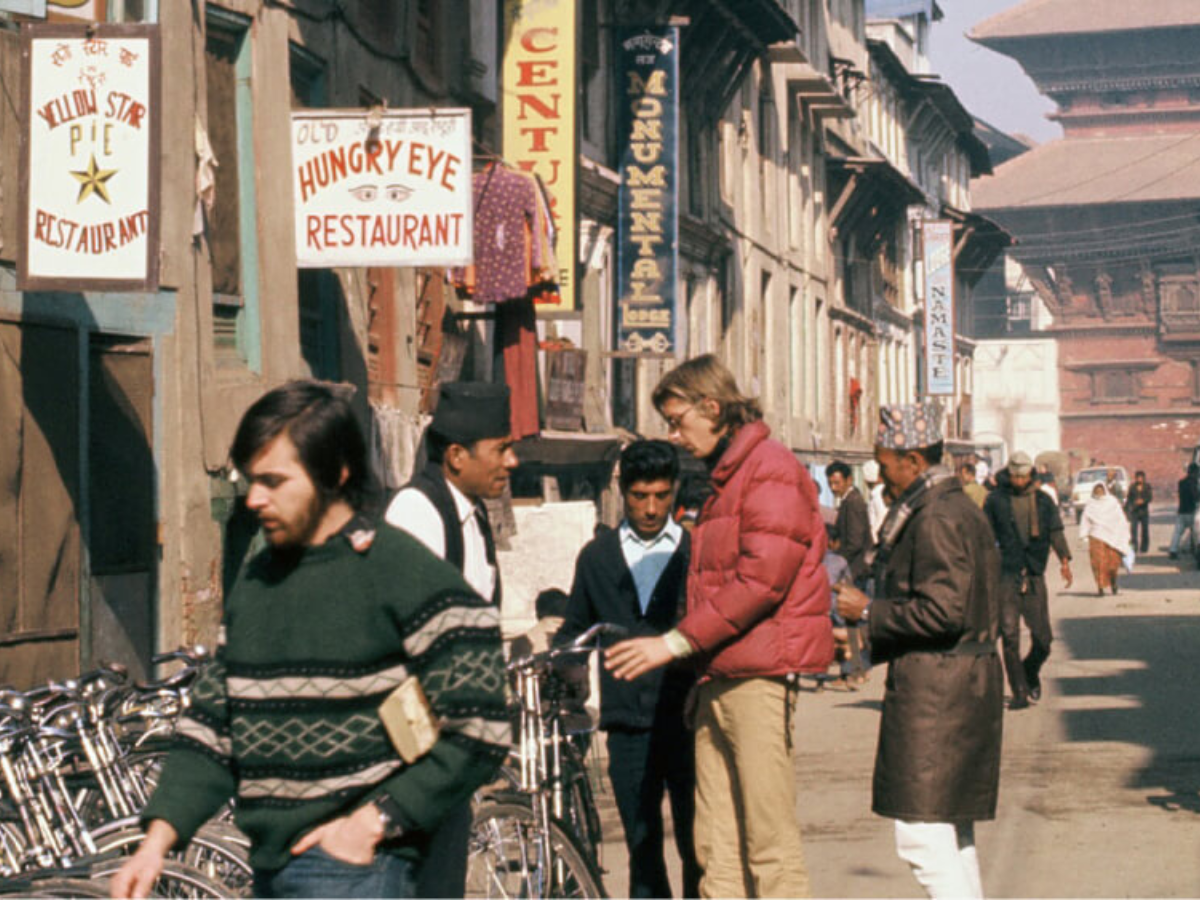
Whether it’s in the stories exchanged between backpackers, the colorful shops of Kathmandu, or in the eyes of overland travelers riding their bicycles from Europe to South Asia, the Hippie Trail’s legacy continues to live on in its own ways. The spirit of independent travel indeed persists, except now it’s safer and more structured, but less affordable.
Is the trail still possible? Maybe. Some portions of it can still be traveled by land, but The Hippie Trail was a product of its unique moment, and we can’t exactly live the same moment twice, can we? The era had its highs and lows, but was undeniably transformative for those who were lucky enough to ride the magic bus.
— Ghina Fahs
(All photo credit goes to respective owners, sourced from search engines)