




















































Decolonizing yoga, part 3: Reclaiming yoga as a practice of liberation
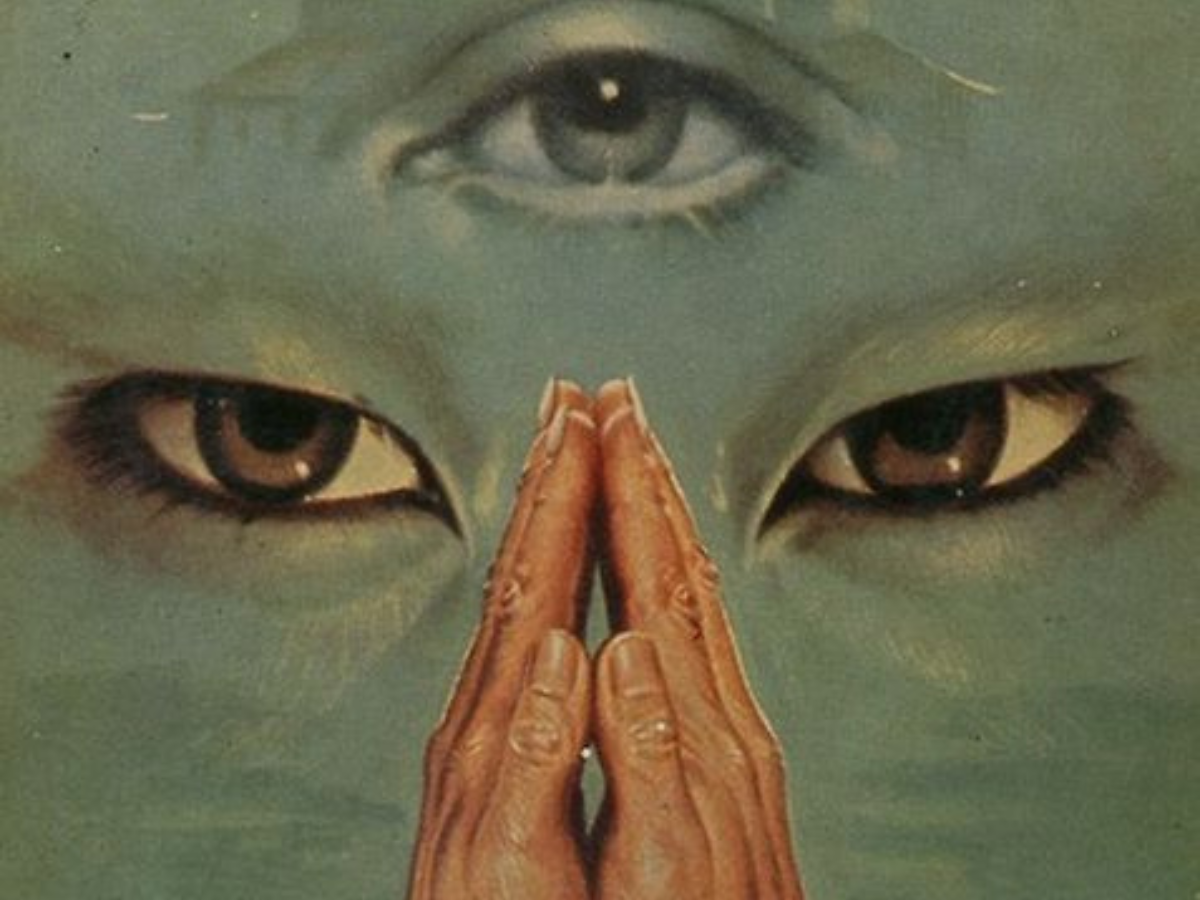
In a world that’s designed to keep you obedient, asleep, and tamed, yoga wants you awake and free, and it shows you the way.
In a world that’s designed to keep you chasing and consuming the wrong things outside of yourself, yoga peels back the layers that made you forget: everything you need is found within.
If you’ve read part 1 and part 2 of this series, you know by now that we’re exploring what yoga has always been, before it got repackaged by the West. In Part 3, we’re returning to something essential: yoga was never just about flexibility, performance, or “wellness.” Yoga has always been a practice of liberation.

What liberation actually means in yoga
The Sanskrit word often translated as “liberation” is moksha (or mukti). While moksha is about freedom from samsara (the cycles of death, life, and rebirth), mukti suggests freedom right here, right now: from suffering, from conditioned patterns and programs, from the illusion of separation. The terms are sometimes used interchangeably.
Yoga wasn’t designed to be a wellness trend offering “stress relief” or helping us become “better” versions of ourselves within systems of control and oppression. While yoga practices do offer relief, they’re not bandaids — they’re tools to free ourselves from those systems entirely, both the external structures that bind us and the internal patterns that keep us trapped.
The colonial distortion: From liberation to self-care
When colonizers encountered yoga in India, they saw it as a threat; a practice that empowered people, that challenged hierarchies, that prioritized collective liberation over individual achievement. In fact, British colonial authorities actively suppressed and stigmatized yoga practices in India for around 200 years!
When yoga was eventually “acceptable” for Western consumption, it was stripped of its radical edge. The parts that challenged consumerism, individualism, and social hierarchies got left behind, while the parts that could be commodified were repackaged and sold back to the world through capitalist structures.
We were told to use the ancient practice of yoga to make ourselves more productive, more palatable, more able to tolerate the intolerable — all to make us forget our power to transform the conditions and systems that cause suffering in the first place.
Yoga then became another tool for self-care rather than collective liberation. Another product in the wellness industrial complex rather than a practice of resistance and freedom.
What a liberation-centered practice looks like
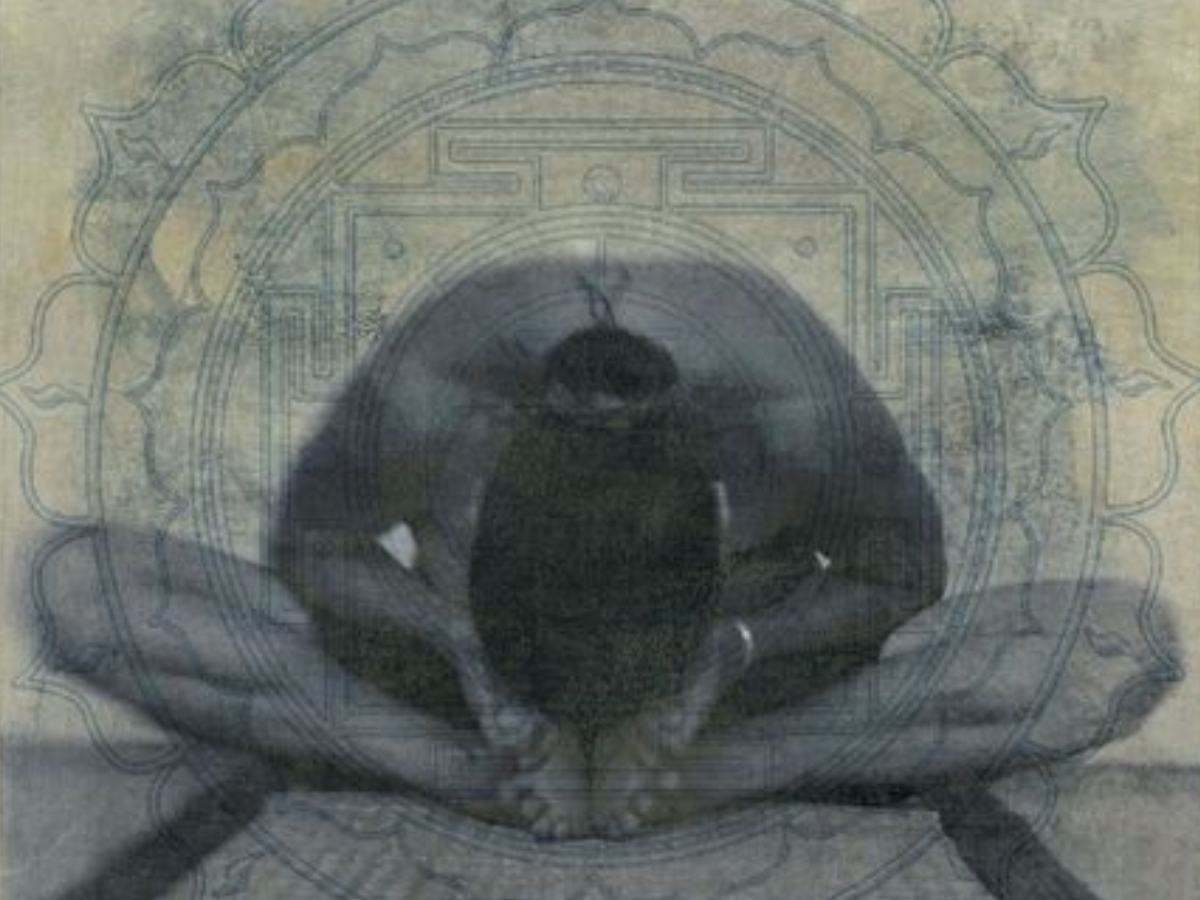
Every yoga practice, when approached with awareness, can offer an opportunity to witness our programming and come face to face with the thought patterns, narratives, and beliefs that govern our lives.
Plenty of the thoughts that move through our consciousness aren’t even ours, they were installed into our subconscious blueprint by external forces. The family, the school, the media and the culture fed us certain ideologies that were imposed by larger external forces that function as systems of control; like colonialism, capitalism, or patriarchy.
With that in mind, meditative practices become less about silencing the mind completely, and more about observing the thoughts that come through, with awareness; discerning what is not rooted in truth.
Here are some more guiding principles to explore:
Recognize that personal and collective liberation are inseparable: This doesn’t mean abandoning your personal practice. It means understanding that your peace, your clarity, your freedom is intimately connected to everyone else’s. As you work to free yourself from suffering, also commit to dismantling systems that cause collective suffering. This is ahimsa (non-harm) in action.
Question who benefits from your practice: Does your yoga practice help you tolerate injustice, or does it fuel you to address it? Liberation-centered yoga asks you to step into your courage.
Practice in community, not just individually: Traditional yoga has always included sangha (community). Consider: How can your practice include collective care, connect you to others, and serve something larger than yourself?
Honor the yoga teachers and activists who kept yoga alive: Throughout colonization, occupation, and oppression, people fought to preserve these teachings. South Asian practitioners, teachers in lineage, and communities who never stopped practicing — even when it was dangerous to do so. Their resistance is why we have access to these practices today.
Take your yoga off the mat: Return to the yamas and niyamas as a blueprint for how we show up in the world. Satya (truthfulness) means speaking up against injustice. Asteya (non-stealing) means refusing to participate in extraction and exploitation. Aparigraha (non-possessiveness) challenges hoarding of resources and power.
The practice continues
Remember, when we’re imprisoned within, how can we rise up against the systems outside of us that seek to keep us imprisoned? When we’re lost in the illusions, how can we see clearly what put them there?
Engaging with yoga as a practice of liberation isn’t comfortable. It asks us to question everything; our privileges, our complicity, our role in perpetuating the very systems yoga can help to dismantle. This discomfort, however, is precisely where the real practice begins. Not in the perfect pose, but in the willingness to stay present with what’s hard, and to let ourselves be transformed.
Decolonizing yoga means reclaiming its revolutionary heart. It means remembering that yoga has always been, and must continue to be, a practice of liberation for all.
— Ghina Fahs
(All photo credit goes to respective owners, sourced from search engines)