





































Poetry Pot, part 3: Rumi and the art of the Sufi mystic
“Your task is not to seek for love, but merely to seek and find all the barriers within yourself that you have built against it.”
— Rumi
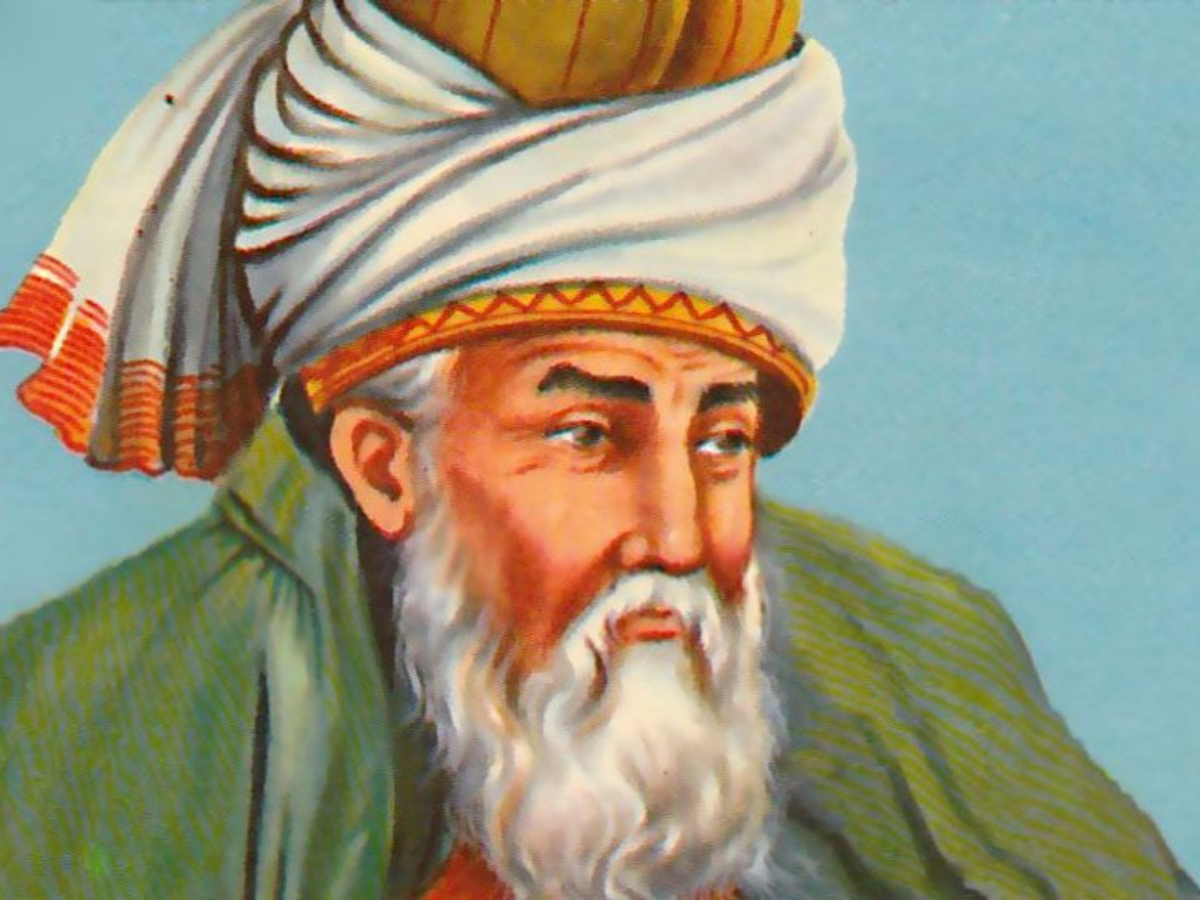
After journeying through the revolutionary voice of Enheduanna and the prophetic wisdom of Gibran Khalil Gibran, part 3 of Poetry Pot looks at perhaps the most beloved mystical poet the world has ever known: Jalal al-Din Muhammad Rumi, or simply, Rumi.
Born in 1207 in what is now Afghanistan, Rumi’s poetry has transcended all bounds, surpassing space and time — making its way into every heart and household. What he wrote was so universal, so heartful, that it resonates so potently even to this day.
For most of his early life, Rumi was a respected Islamic scholar in Turkey. What’s particularly interesting about his story though, is that his most impactful work didn’t emerge from spiritual contemplation or scholarly pursuit alone. It was born from devastation; from loss so profound it cracked him open and poetry came pouring out.
Rumi and Shams of Tabriz
One day, Rumi met a wandering dervish that transformed the trajectory of his life, shifting him from a traditional Islamic theologian to a devoted Sufi mystic. So, the conversation about Rumi must include an honorable mention of his companion, Shams of Tabriz.
What happened between them defies easy categorization. Was it friendship? Mentorship? Something more? This is still debated today, but whatever it was, it drastically influenced Rumi and the lasting gifts he gave to the world.
Shams became Rumi’s mentor and spiritual companion, drawing him toward mysticism and ecstatic poetry. They spent months in seclusion together in deep spiritual conversation, which caused Rumi’s students and family to feel a little neglected. Eventually, Shams disappeared suddenly, and in that unbearable absence, Rumi expressed his pain and longing through thousands of poems and ghazals, many signed in Shams’s name rather than his own.
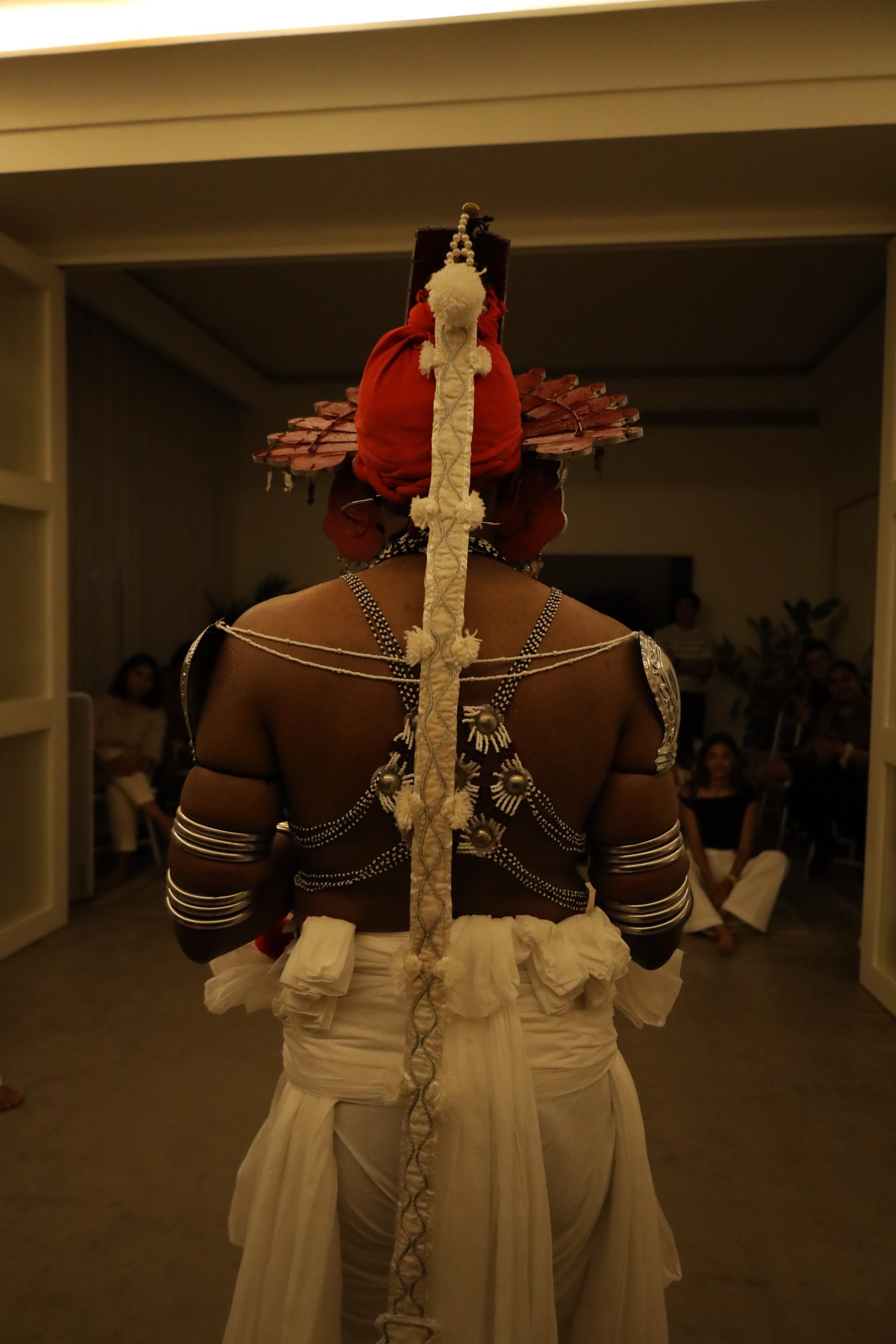
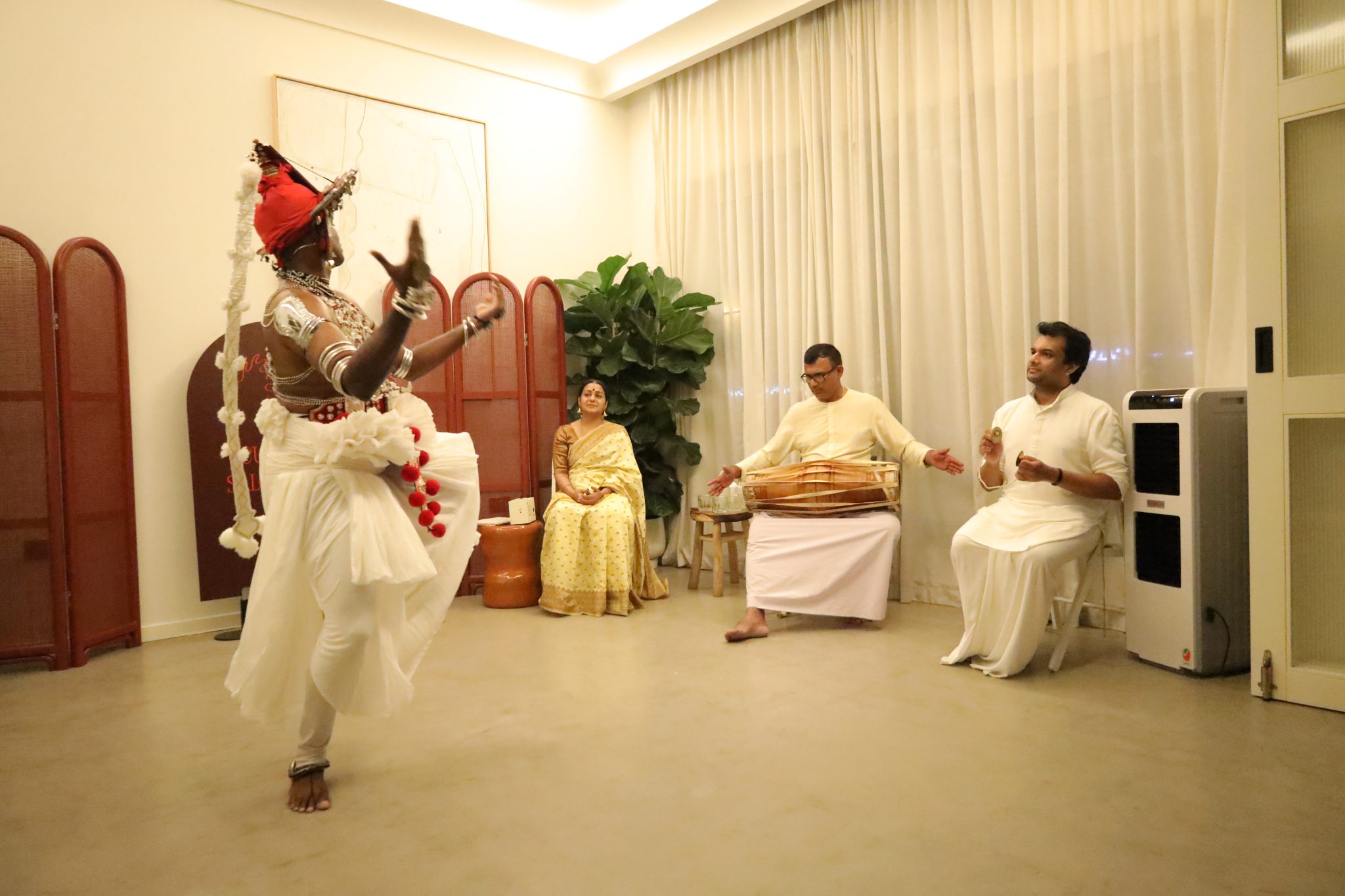
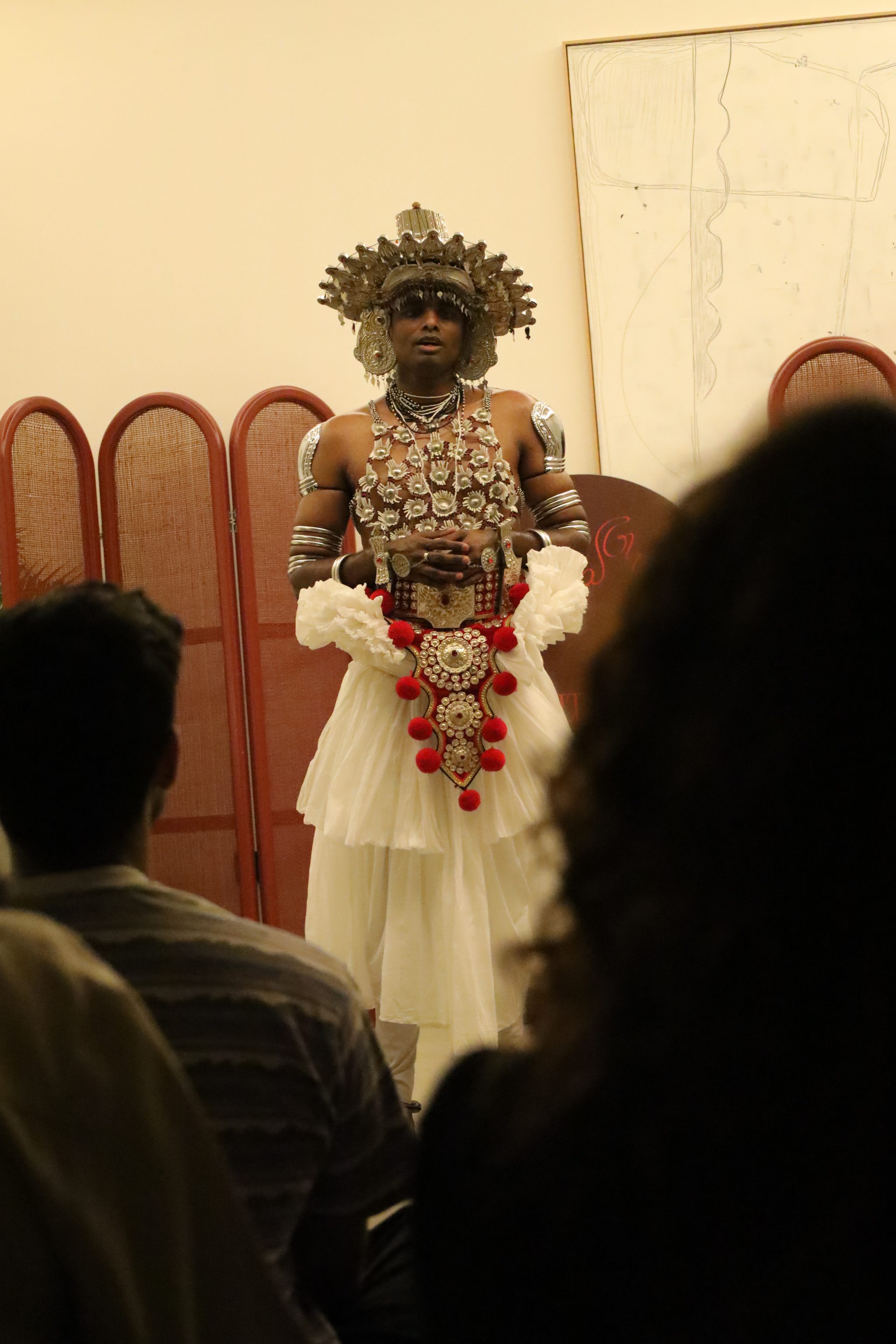
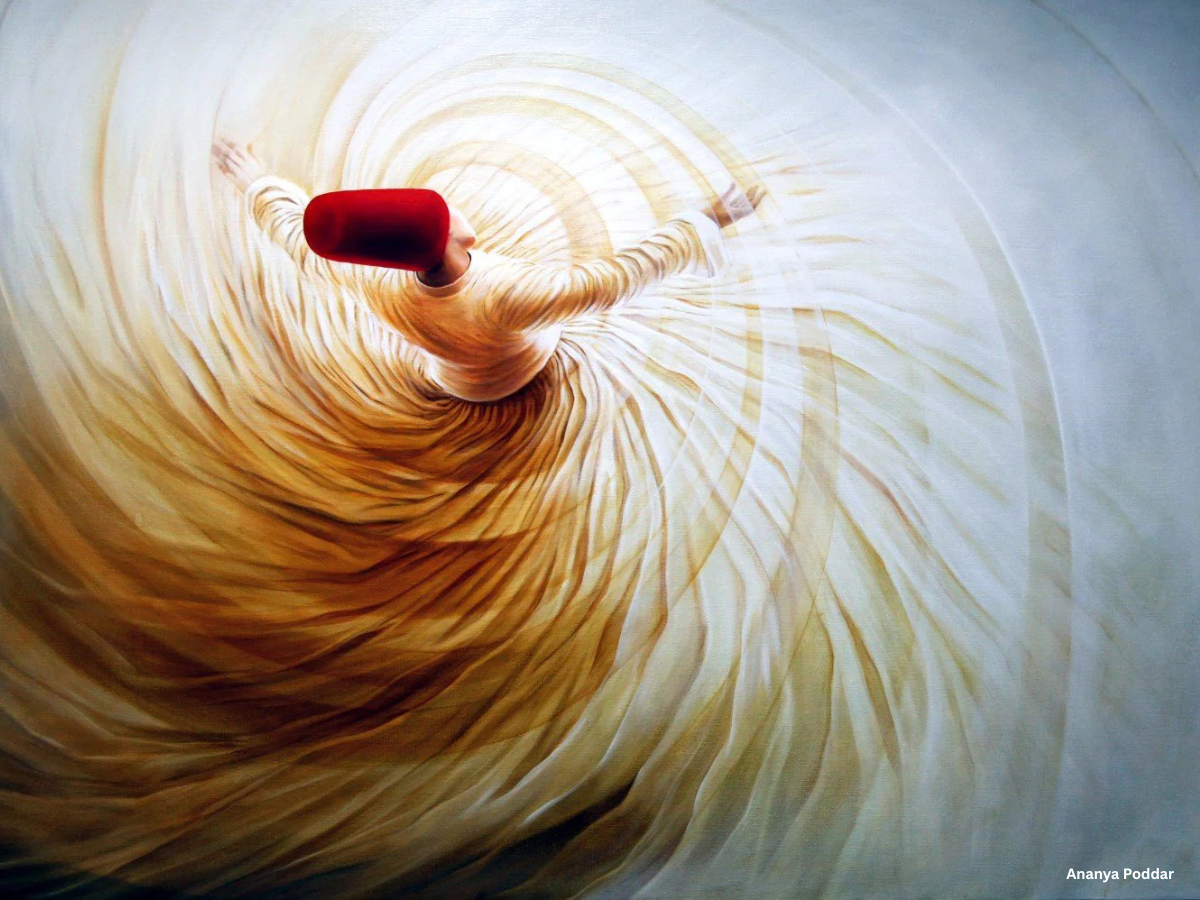
Shams was likely murdered, but his disappearance remained a mystery. Rumi’s grief was so intense that he began to whirl, spinning in circles that felt infinite. This practice gave birth to the Mevlevi Order, known in the West as the Whirling Dervishes; renowned for their sema ceremony, a meditative dance symbolizing a journey toward God and the shedding of ego.
Rumi’s masterwork: The Masnavi
Rumi’s most notable work is The Masnavi, a six-volume spiritual epic comprising over 25,000 verses and known as one of the most influential works in the history of Sufism and Islamic literature. Simply put, it’s a spiritual text that guides seekers on how to reach their goal of being truly in love with God.
In The Masnavi, Rumi uses the mundane to illuminate the sacred. For example, he compares the heart to a guesthouse, where different emotions and experiences arrive daily: joy, sorrow, depression, and that we must welcome each visitor as sent for a purpose, even the painful ones. Another example is the thirsty man with the jugs: you can have numerous jugs of water within reach, but none can quench your thirst unless you actually drink. He uses this analogy to convey that spiritual knowledge is futile without direct experience.
This is Rumi’s signature: he doesn’t ask us to transcend our humanity but to dive deeper into it, to find the sacred in our suffering, the light in our wound.
Why Rumi’s words will always be timeless
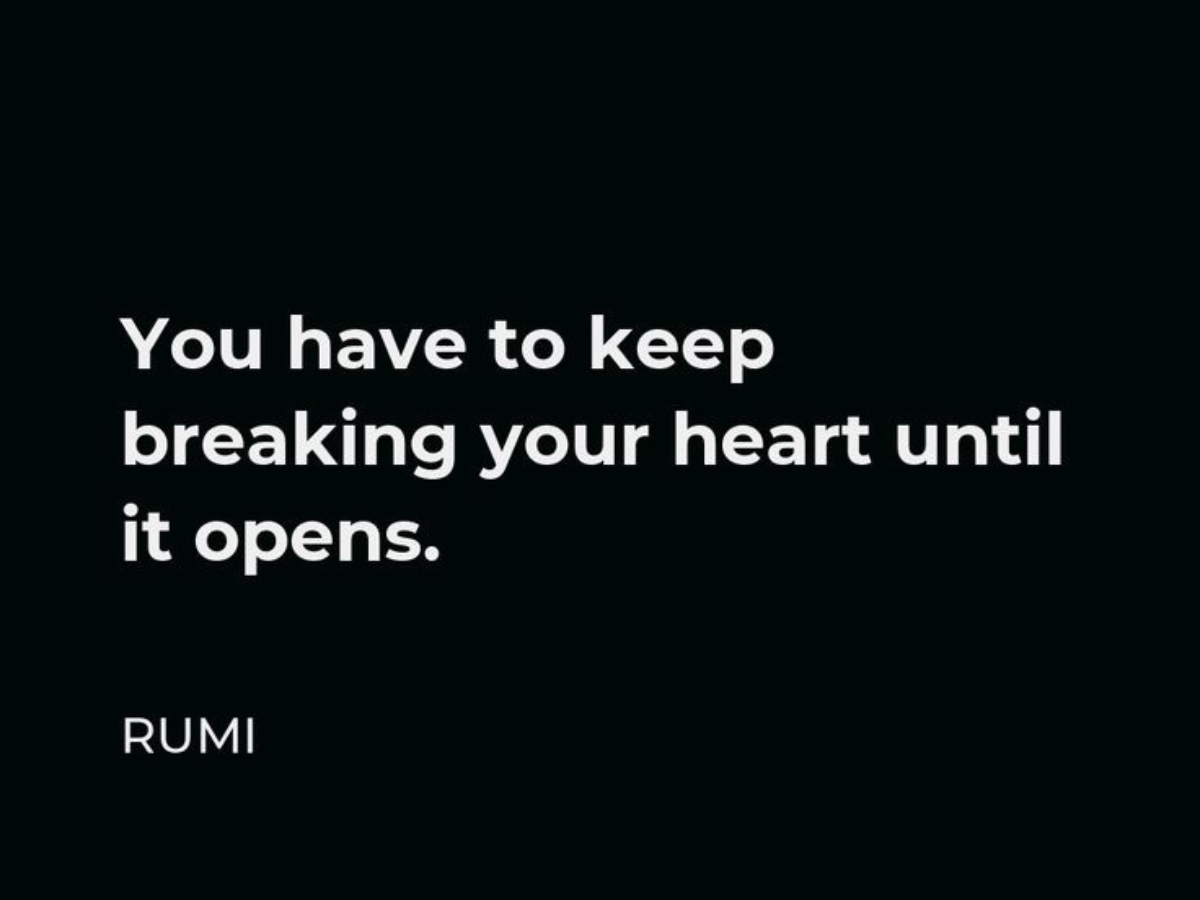
If there’s one thread running through Rumi’s work, it’s love. Rumi speaks of love not only as romantic connection or religious devotion, but as the fundamental force of the universe; the truth and essence of life.
He wrote as a Muslim scholar turned Sufi mystic, yet his poetry has been embraced by people of all faiths and none. His spiritual teachings transcend far beyond a single religion and speak to all the mystic traditions across different faiths. He lived eight centuries ago, yet his words feel urgently contemporary in our fractured world.
This is because Rumi touches on something fundamental in the human experience: the ache of separation and the yearning for liberation through wholeness. The sense that we’ve been exiled from our true home but that one day, a return is possible…
“You were born with wings, why prefer to crawl through life?
…
Why do you stay in prison, when the door is so wide open?
Move outside the tangle of fear-thinking.
The entrance door to the sanctuary is inside you.”
— Rumi
Don’t you agree? See you at the next Poetry Pot!
— Ghina Fahs
(All photo credit goes to respective owners)