


































































Lunar New Year: Bringing on the year of the Fire Horse
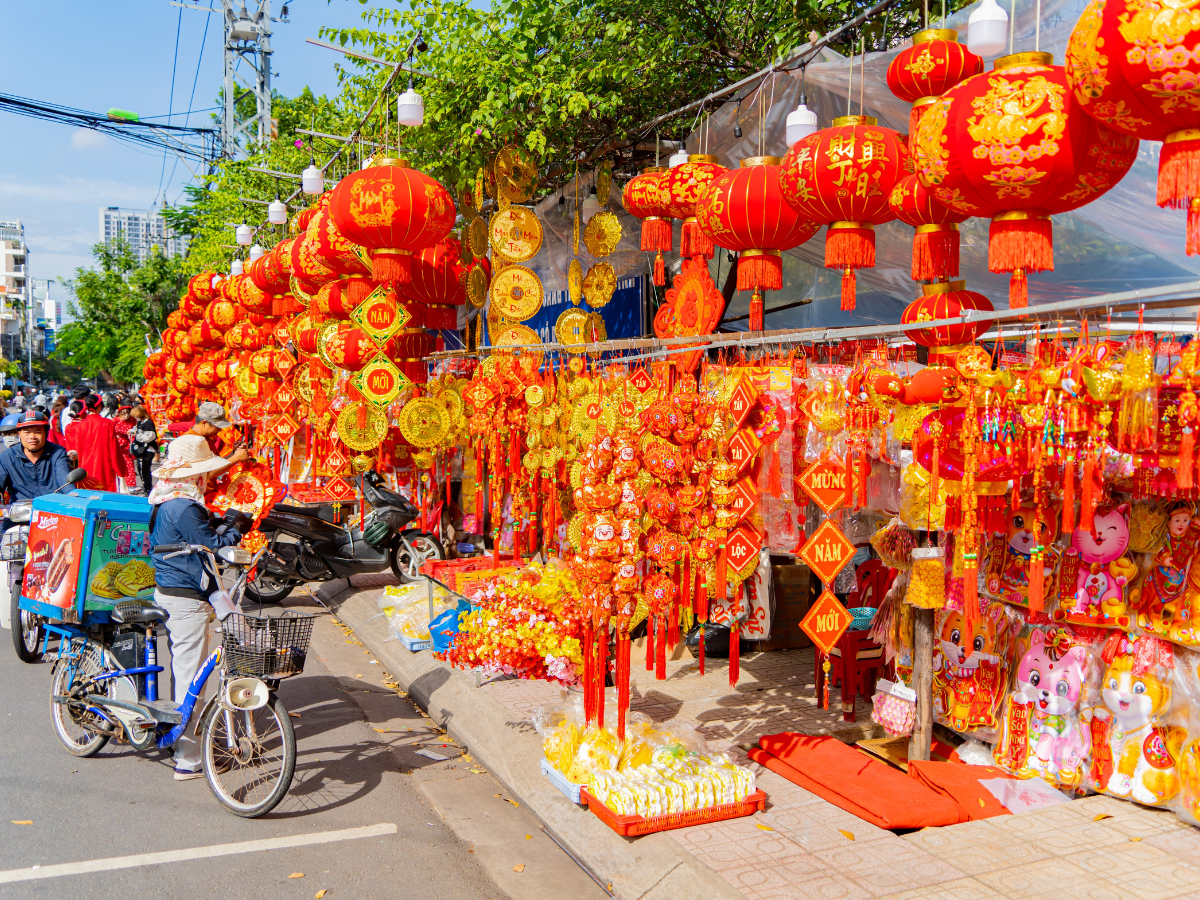
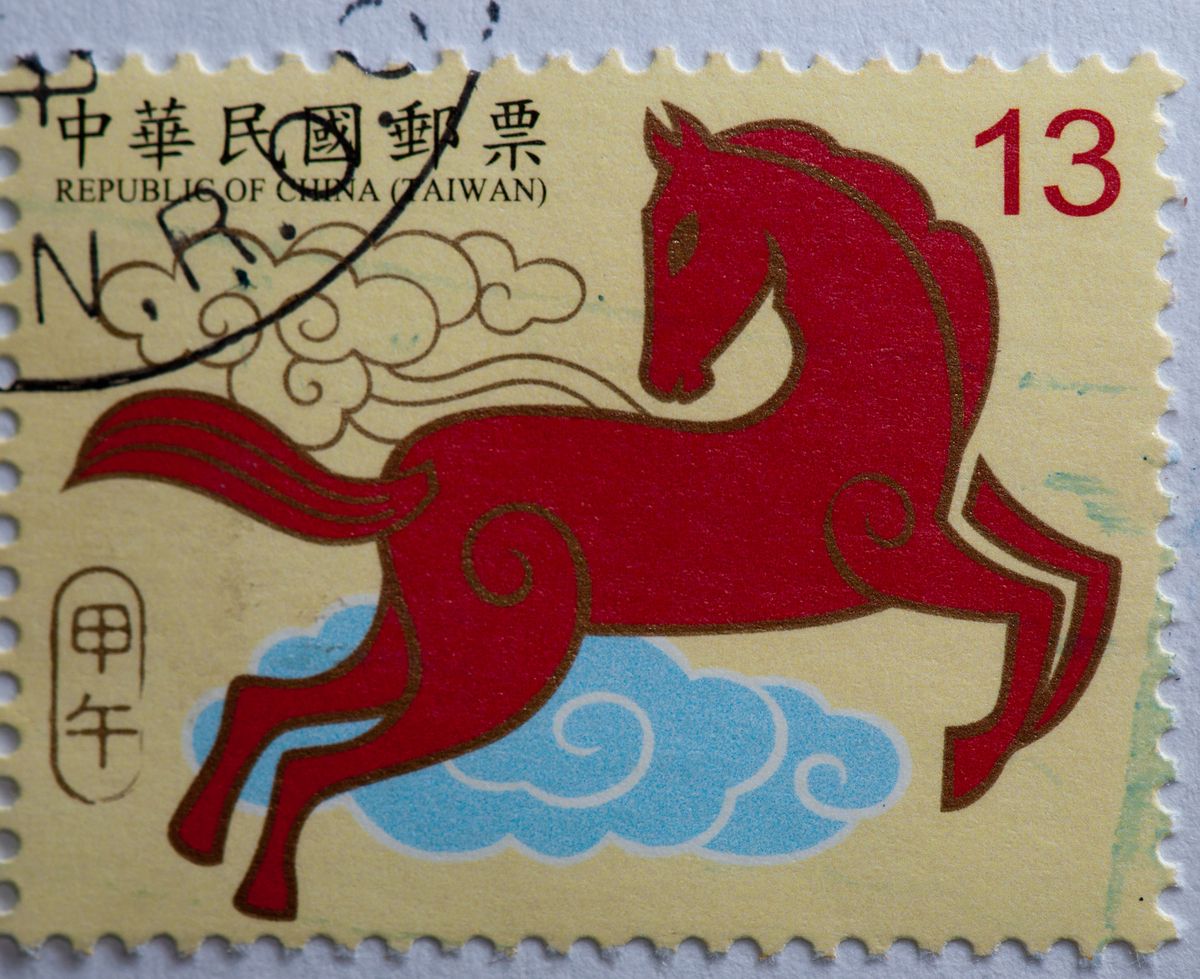
On February 17, 2026, over two billion people around the world celebrated the beginning of a new year. The color red filled up the streets of Asian countries such as China, Vietnam, Singapore, and beyond. Think lanterns decorating the sky, envelopes filled with money, delicious dumplings, and electrifying fireworks. This is the Lunar New Year, also known as the Chinese New Year — and this year’s animal is the Fire Horse.
If you’re only used to celebrating the new year in January, you might be wondering why some cultures in Asia celebrate it around February, March or April instead… Let’s get into it.
The January 1st origin story
January 1st as New Year’s Day is the product of centuries of a sort of “political tug-of-war” between popes, kings, and competing European powers. Before that, the Romans originally celebrated their new year in March, and that’s actually still evident in our language. The names of the months September, October, November, and December come from the Latin words for seventh, eighth, ninth, and tenth. The early Roman calendar designated March 1 as the first day of the year, and the calendar had just 10 months, beginning with March. When January was eventually added and bumped up to the front, it was named after Janus: the Roman god of beginnings and transitions.
January 1st wasn’t necessarily humanity’s sudden change of heart about the nature of time — it was administrative standardization, enforced across many parts of the world through colonial expansion, trade, Catholic missionary work, and practical coordination needs.
While the Gregorian calendar is a genuinely useful tool for coordinating modern life, it’s worth raising questions about why it’s been manipulated and how that might impact the collective. Questions such as, why are we being severed from the cycles of nature? Is something being hidden from us in this process?
Working with nature’s cycles
Civilizations outside Europe had long been tracking time in ways that were deeply connected to nature. In this case, China’s traditional lunisolar calendar — which combines lunar months with solar corrections to keep seasons aligned — has roots stretching back thousands of years. It goes beyond telling us what day it is; it tells us where we are in the rhythms of the natural world.
When we look at it from a natural perspective, a new year beginning in around February-March actually makes a lot of sense since in the Northern Hemisphere, the harsh winter is coming to a close, signifying a real shift in the world around us being reflected through nature’s cycles. In traditional Chinese culture, Lunar New Year has always been called Chūnjié, or the Spring Festival.
So what year is it, then?
According to the Chinese calendar, we’ve stepped into 4724: the year of the Fire Horse, and one of the most exciting combinations in the entire 60-year Chinese zodiac cycle.
Most people know the animals of the Chinese zodiac cycle: Rat, Ox, Tiger, Rabbit, Dragon, Snake, Horse, Goat, Monkey, Rooster, Dog, Pig. However, each animal is also paired with one of five elements: wood, fire, earth, metal, water. They move through a pattern that means any specific animal-element pairing only comes around once every 60 years. The last year of the Fire Horse was in 1966, and it won’t happen again until 2086.
The Horse is already associated with fire by nature in Chinese cosmology, making this a rare “double fire” year, or a Crimson Horse year. It’s expected to be fast-moving, bold, passionate, and unpredictable — a year that asks for courage over hesitation.
To new beginnings
Whatever you believe about calendars and cosmology, Lunar New Year traditions are something truly special. The holiday is centered around family reunions, with a New Year’s Eve dinner full of foods chosen for their symbolic meaning, like whole fish for abundance or long noodles pulled without breaking for a long life. During this time, the color red is everywhere because in Chinese culture, red symbolizes luck and protection. The celebrations run for 15 days, closing with the Lantern Festival on the first full moon of the Lunar year.
It doesn’t end there, other cultures in the East such as Nepal, Sri Lanka, and India ring in the new year around April, aligning with the Vedic astrological new year. Further up, around Iran and much of Central Asia, the new year is celebrated on the spring equinox in March. With that said, if January felt like a false start, you totally have a few more chances at a new beginning!
Gōng Xǐ Fā Cái and may this year bring you prosperity, courage, and a little bit of beautiful chaos.
— Ghina Fahs
(All photo credit goes to respective owners, sourced from search engines)