










Book recommendations: For when the world is on fire
“You think your pain and your heartbreak are unprecedented in the history of the world, but then you read…”
― James Baldwin
We’re living in times where trying to keep up with the news feels like watching the world falling apart in real time, and maybe it is… Masks are falling and darkness is being exposed. Wars are bleeding into each other. Systems that once fooled us are now disintegrating before our eyes. But even with all that, some of us have a deeply shared sense that with the old, outdated world coming to an end, a new, better world is on the horizon.
Still, it can be hard to hold on to hope when the times are so trying. If you’re finding it difficult to know how to carry so much of the world’s pain without feeling defeated, I hear you. It’s times like these, in my humble opinion, where it becomes even more important for us to read. We read not to escape, but to find language for what’s happening. To feel less alone in the chaos. To remember that humans have survived dark times before and, more importantly, to learn and discover how we can best show up for ourselves and our communites.
If you want to stay informed without the endless doomscrolling and fear-mongering that comes with social media, here are five books to stay grounded and connected when it feels like the world is on fire.
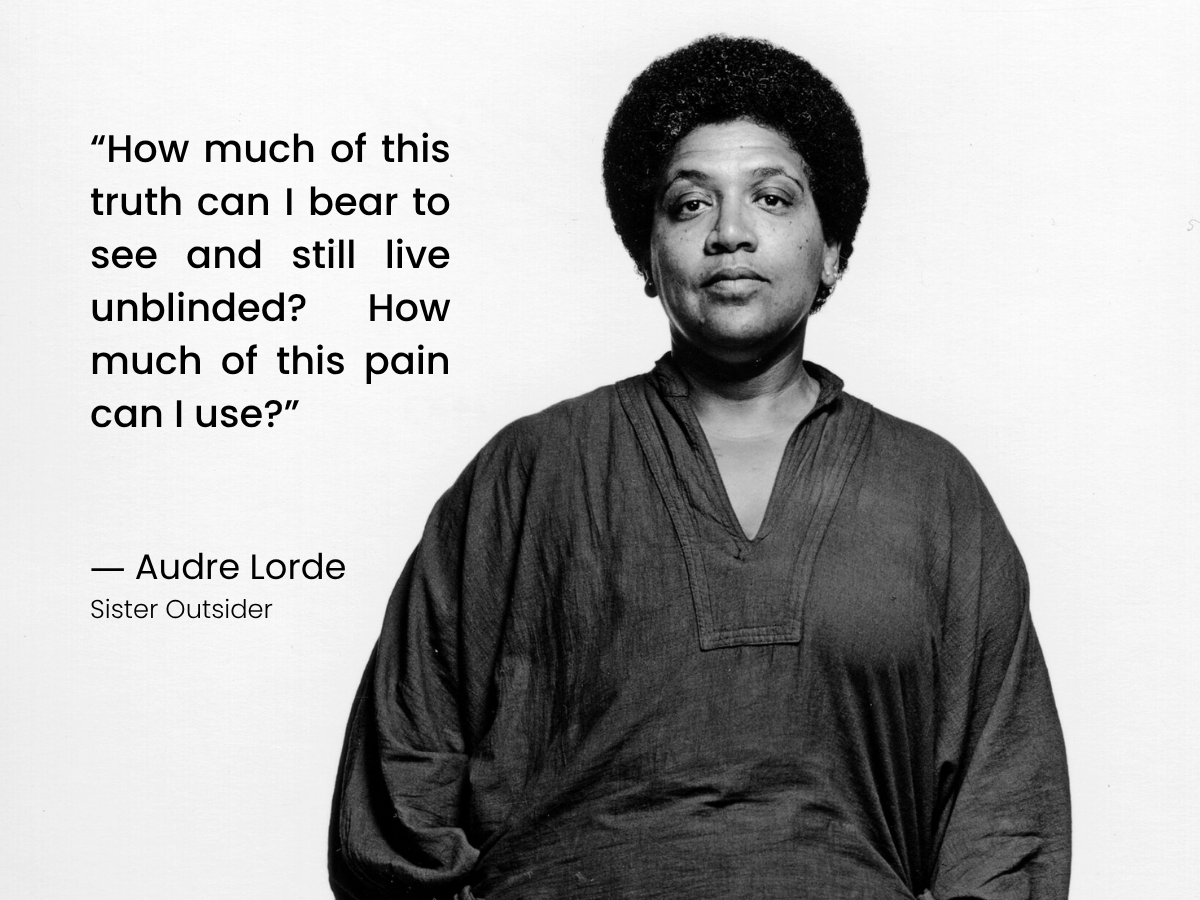
Lorde’s collected essays and speeches are essential reading for anyone trying to make sense of false power — how it operates, who it protects, and how the people it excludes find ways to survive and resist. In Sister Outsider (1984), Lorde writes about revolution, the uses of anger, and poetry as a tool of survival.
One of her most quoted lines comes from this book: “Caring for myself is not self-indulgence, it is self-preservation, and that is an act of political warfare.” In a time when everything feels designed to keep us fragmented and in despair, Lorde’s words are a grounding reminder of the true power we each carry within us, and the importance of dismantling every conditioned narrative that tries to shut that inner power down.
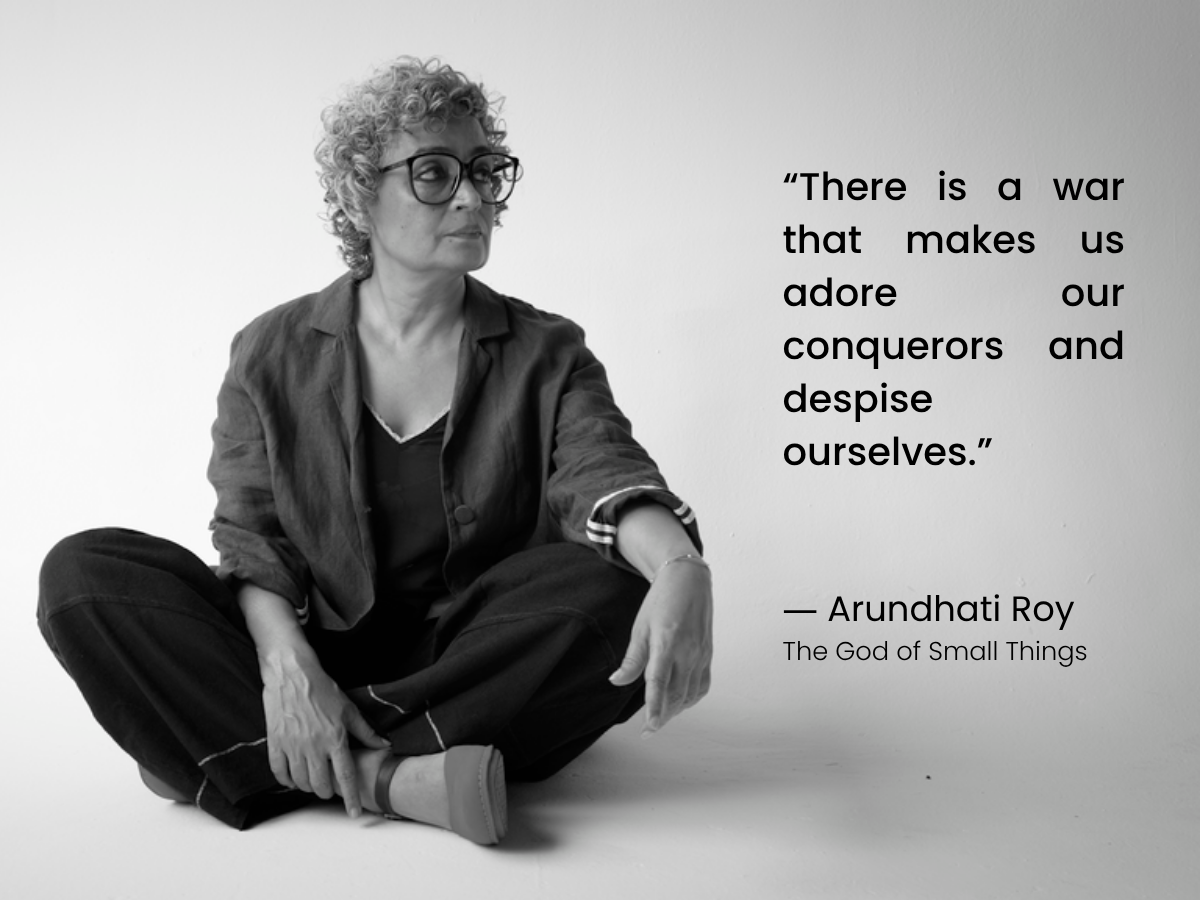
Published in 1997, Arundhati Roy’s Booker Prize-winning debut novel is one of the most devastating and beautiful books to come out of the 20th century. Set in Kerala, India, it tells the story of a family undone by the rigid cruelties of caste, the colonial inheritance of shame, and the rules that govern who is allowed to love whom.
Roy writes with a lyricism that makes the pain almost unbearably palpable. Her prose style is nonlinear, poetic, and full of wordplay. She writes from a child’s perspective much of the time, which makes the adult cruelties in the story land with even greater force.
Ultimately, it’s a book about how ordinary people become complicit in devastating each other — how we not only inherit but also perpetuate a false sense of separation that was never natural, only learned.
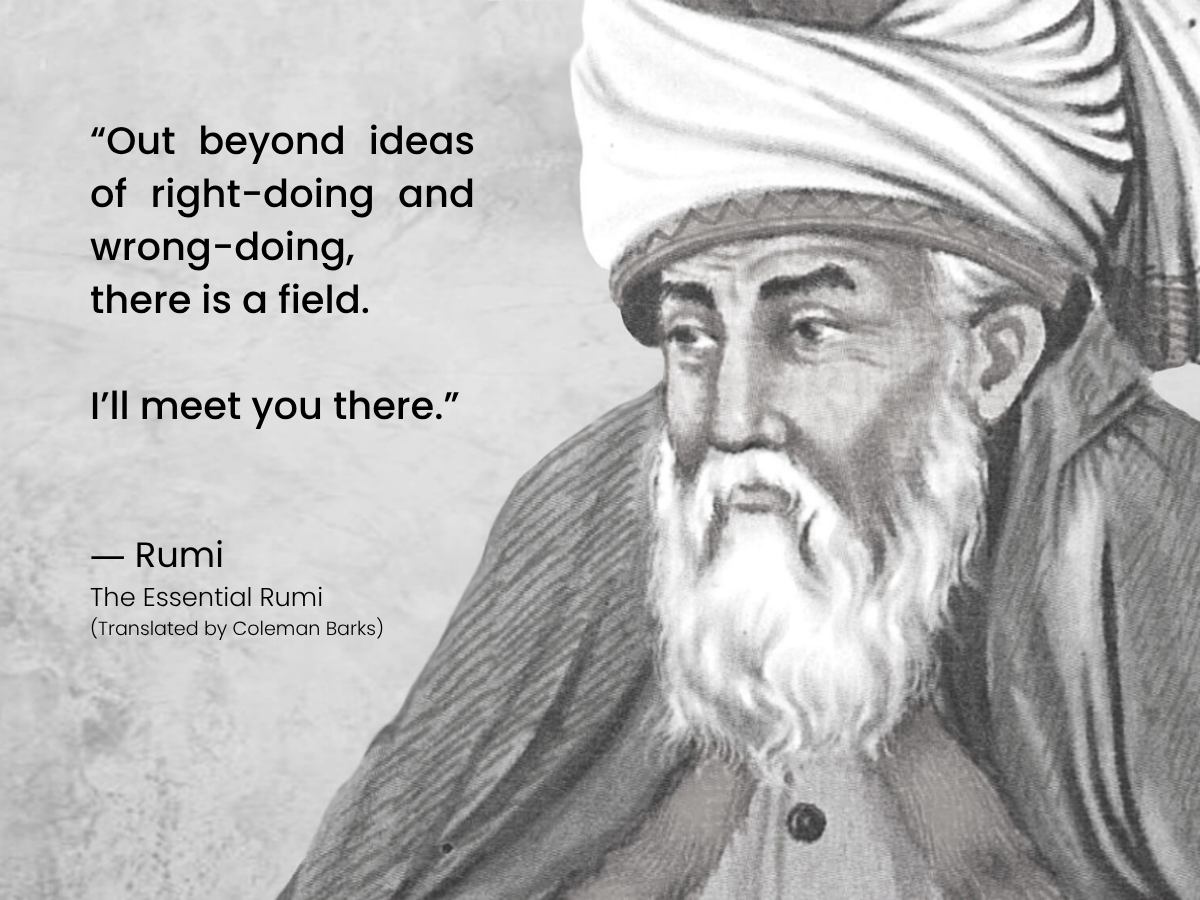
Published in 1995, this book is the most widely read English collection of the poetry of Jalal ad-Din Rumi, the Persian poet, scholar, and Sufi mystic that many of us know and love.
What some might not know is that Rumi wrote some of his best work during one of the most violent and destabilizing periods in the medieval world — in the 13th century, during a period of Mongol invasion and widespread destruction across Persia. Rumi’s radical devotion to love coupled with his creative expression through poetry, served as his very own form of everlasting resistance, giving us some of the most luminous spiritual poetry in human history.
With that said, when the news cycle is too loud or when your nervous system is fried, maybe read a few pages of Rumi before bed…
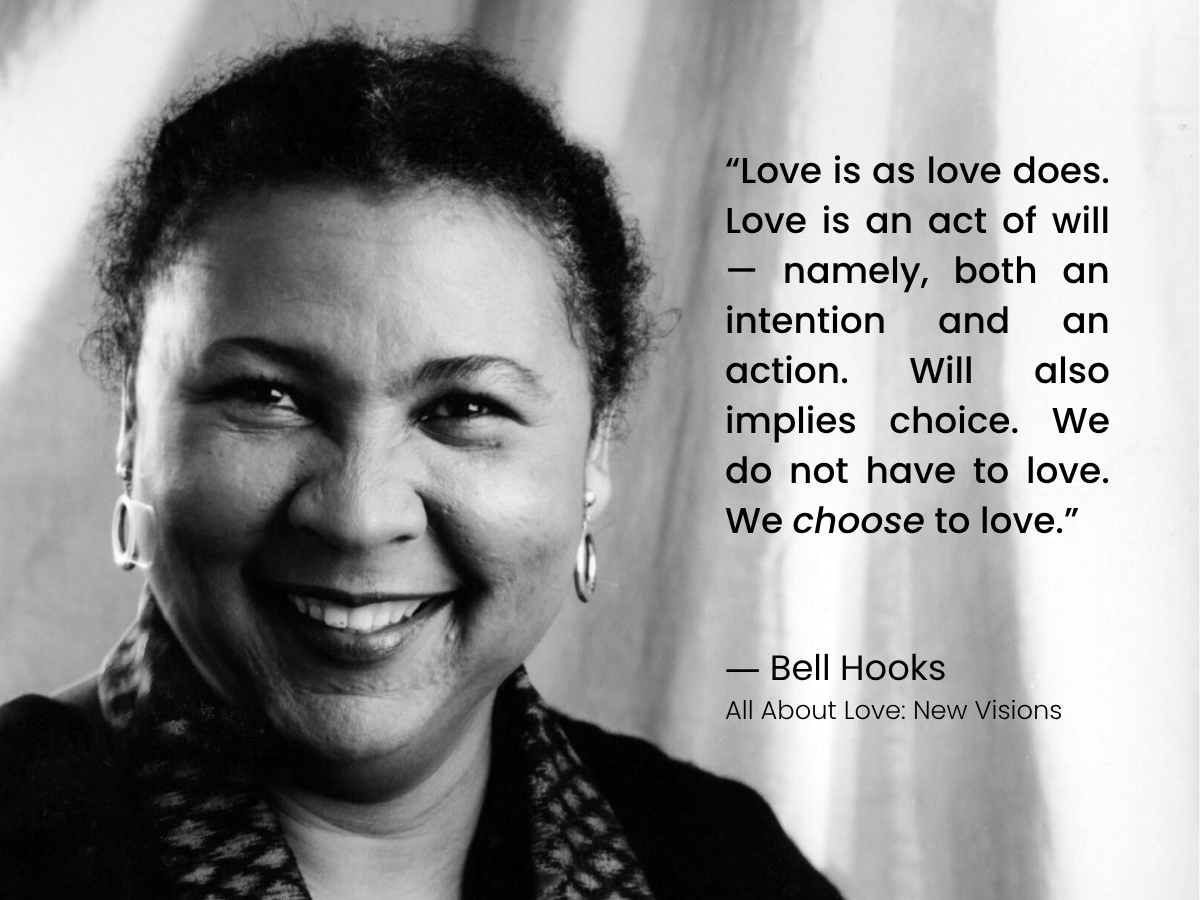
How do we keep an open heart in a painful world? When the world feels fractured and hostile, Hooks reminds us that love — not as sentiment, but as practice, as ethic, as choice — is the only real counterforce and antidote. Published in 2000, this book asks hard questions about why we struggle to love each other, and situates that struggle inside larger systems of domination and fear.
This is a gentle book in tone but a radical one in implication. Hooks is essentially arguing that the personal and the political are not just connected, they’re the same thing, and that building a more just world has to begin with learning, really learning, how to love.
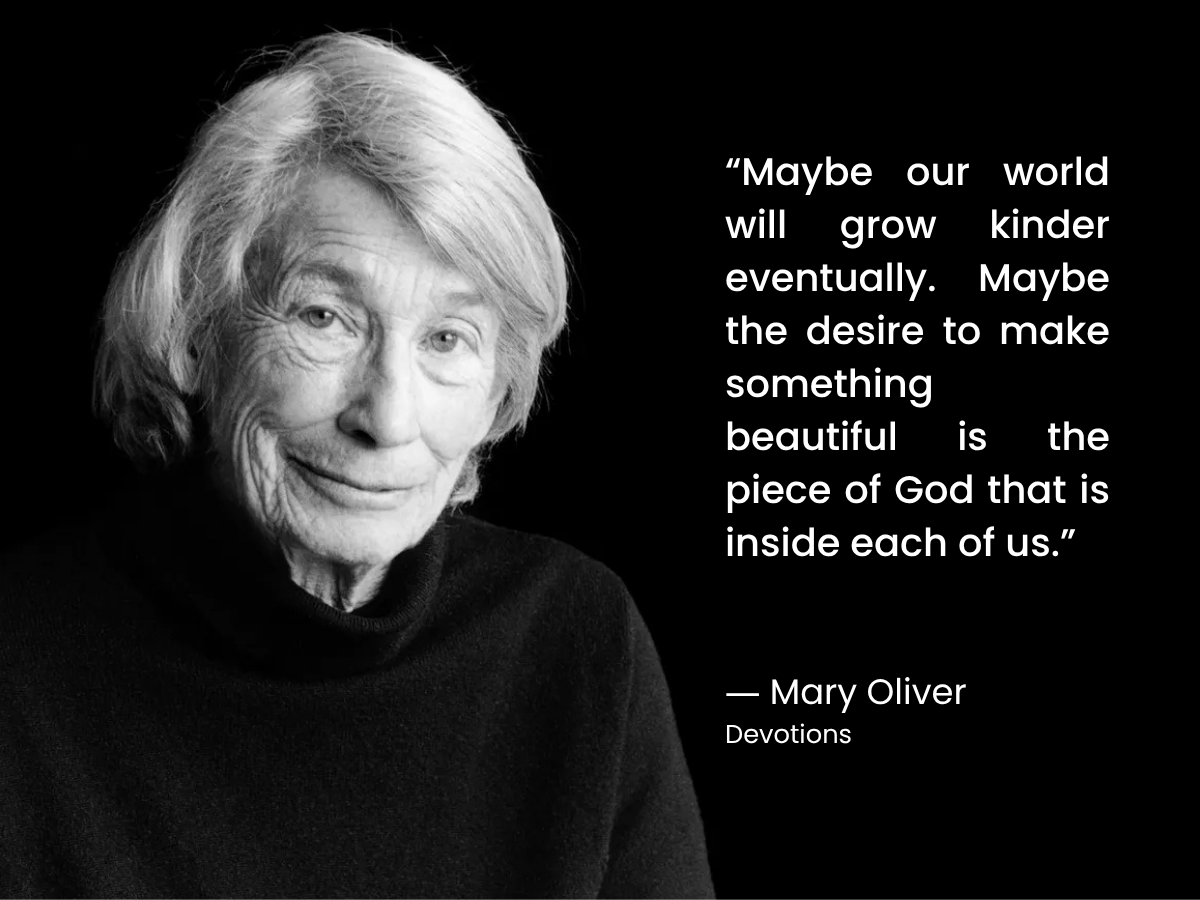
I believe poetry is medicine, so of course I’m including more than just one poetry recommendation in this blog post. Last but not least on our list is Mary Oliver’s Devotions (2017), a curated collection of her poetry spanning five decades of work, selected by Oliver herself shortly before her death in 2019. It’s less a new book than a kind of life’s testimony; her own answer to the question of what mattered most.
In a time of relentless noise and manufactured urgency, her poetry is an act of radical reorientation. She insists, again and again, that the world is still beautiful, that attention is a form of prayer, that there is still so much in this world worth loving and protecting. She reminds us to slow down, to listen, and to return to the rhythm of nature… Because no matter what happens, through it all, the birds go on singing.
— Ghina Fahs
(All photo credit goes to respective owners, sourced from search engines & edited by Ghina)