






Poetry pot, part 1: The world’s first poet
Celebrating the depth and beauty of arts and culture in the East surely wouldn’t be complete without the discussion of poetry. From the works of household names like Rumi, Hafiz, Gibran Khalil Gibran, Mahmoud Darwish, Nizar Qabbani, and Lao Tzu — the East has undoubtedly brought the world some of the most iconic poets humanity has ever witnessed, however… Do you notice a pattern?
As we’ve seen over and over historically, worlds within worlds are deliberately designed to be male-dominated, often burying women in the shadows — including the writing world. The irony, though? The earliest known named author and poet in world history was actually a woman, and she was from the East.
Before Homer sang of Odysseus. Before the psalmists lifted their voices in Jerusalem. Before any poet whose art still echoes in our homes and in our hearts thousands of years later, there was a woman in ancient Mesopotamia who signed her name to her work, leaving a lasting mark on the world.
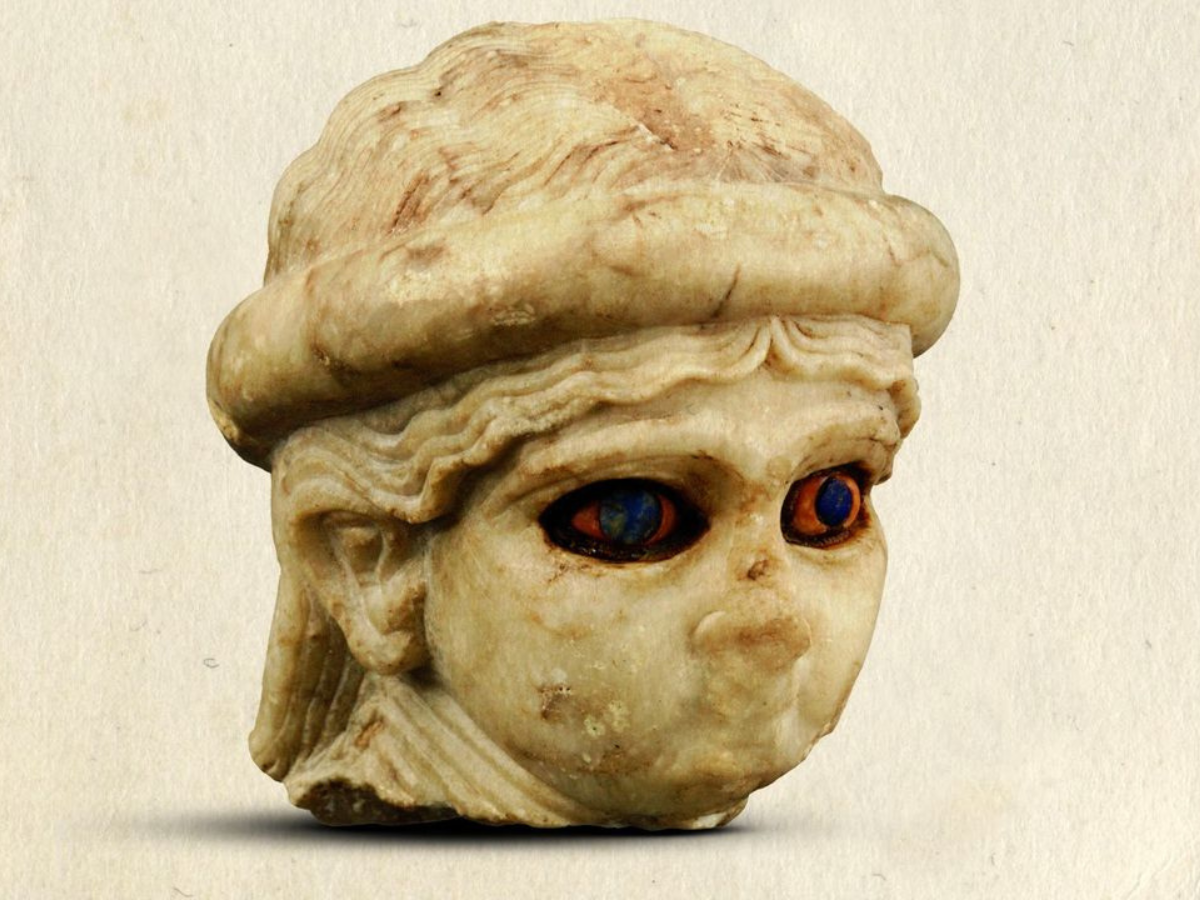
Her name was Enheduanna.
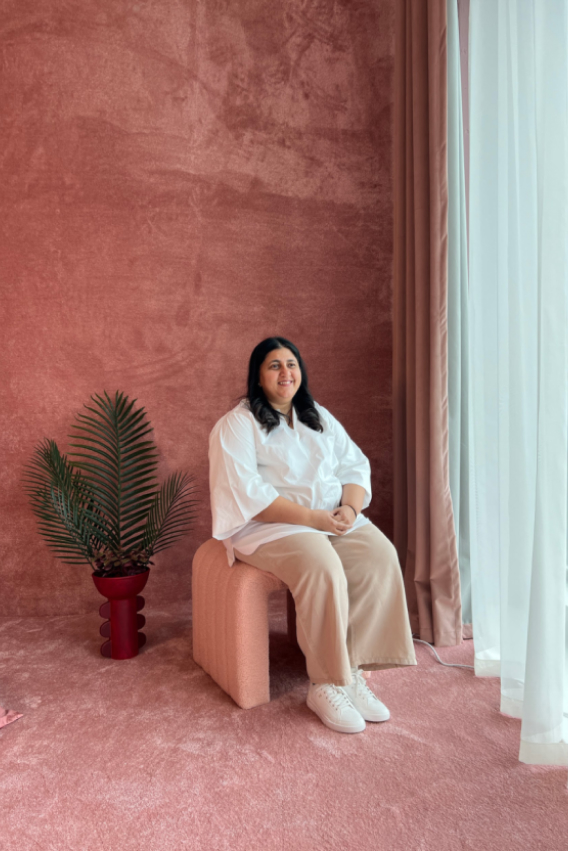
As an Eastern woman and a poet myself, I find it paramount that we not only make an intentional return to the sacred arts of poetry and prose, but also that we make word-weaving an active and conscious alchemical process geared towards the new world we’re building together.
With that, I welcome you to the first part of our new blog series: Poetry pot.
Princess and priestess Enheduanna: The first poet
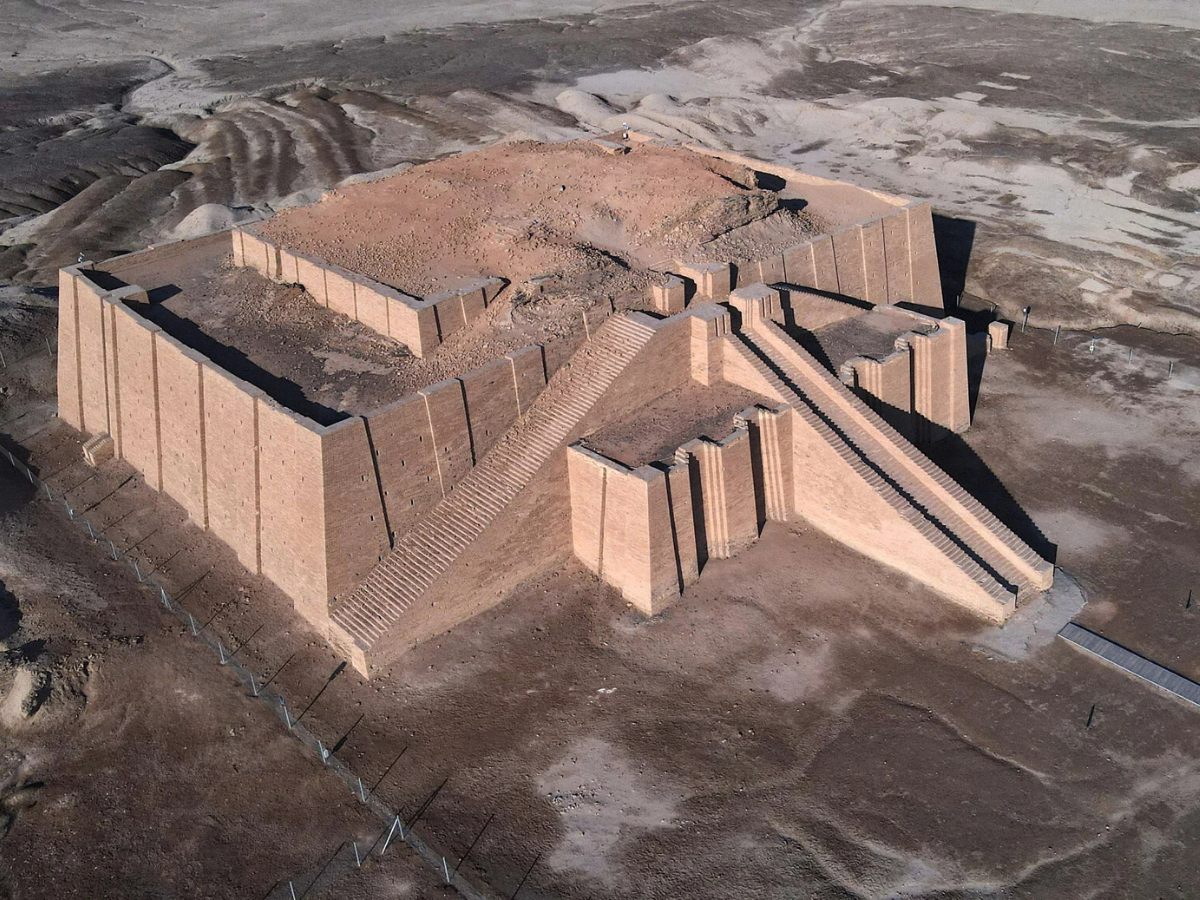
Around 2300 BCE, in the ancient Sumerian city of Ur (in what is now southern Iraq), this high priestess composed poetry that would echo through millennia. And here’s the thing — Enheduanna didn’t write anonymously like pretty much everyone else at the time. She signed her name. In a world where authorship itself was barely even a concept, she claimed her work.
Enheduanna wasn’t just any priestess, either. She was the high priestess to the moon god Nanna and the daughter of Sargon of Akkad, as in, the man who built humanity’s first empire. Her father appointed her strategically, hoping to bridge the divide between his Akkadian people and the conquered Sumerians. The role was meant to be symbolic, a political gesture of unity.
However, Enheduanna refused to be a chess piece. She took that position and transformed it into genuine power, using her voice to become a real force, and turning what was supposed to be political theater into actual religious and cultural influence.
Enheduanna’s works and influence
No exaggeration, Enheduanna basically created the paradigms of poetry, psalms, and prayers that the entire ancient world would go on to use. Her innovations influenced Hebrew psalms, Greek hymns, and eventually Christian hymnody. Think about that: the architecture of how we have structured devotional language for thousands of years is traced back to this woman’s innovative spirit.
Her most celebrated work, “The Exaltation of Inanna,” is 153 verses of praise to the goddess of love and war. But it’s also deeply autobiographical in a way that resonates with its sheer human-ness. She writes in the first person — super unusual for her time — describing her own exile when a military leader named Lugalane staged a coup and drove her out of Ur. She writes about disrespect, possible violation, and her eventual restoration to power, crediting the goddess Inanna for her survival.
Get this: in one passage, she even compares writing poetry to childbirth. A woman claiming creative ownership, describing the labor of creative expression and composition, asserting her identity as maker and author. Below is a translated excerpt:
“One has heaped up the coals (in the censer), prepared the lustration.
The nuptial chamber awaits you, let your heart be appeased!
With ‘it is enough for me, it is too much for me!’ I have given birth, oh exalted lady, (to this song) for you.
That which I recited to you at (mid)night
May the singer repeat it to you at noon!”
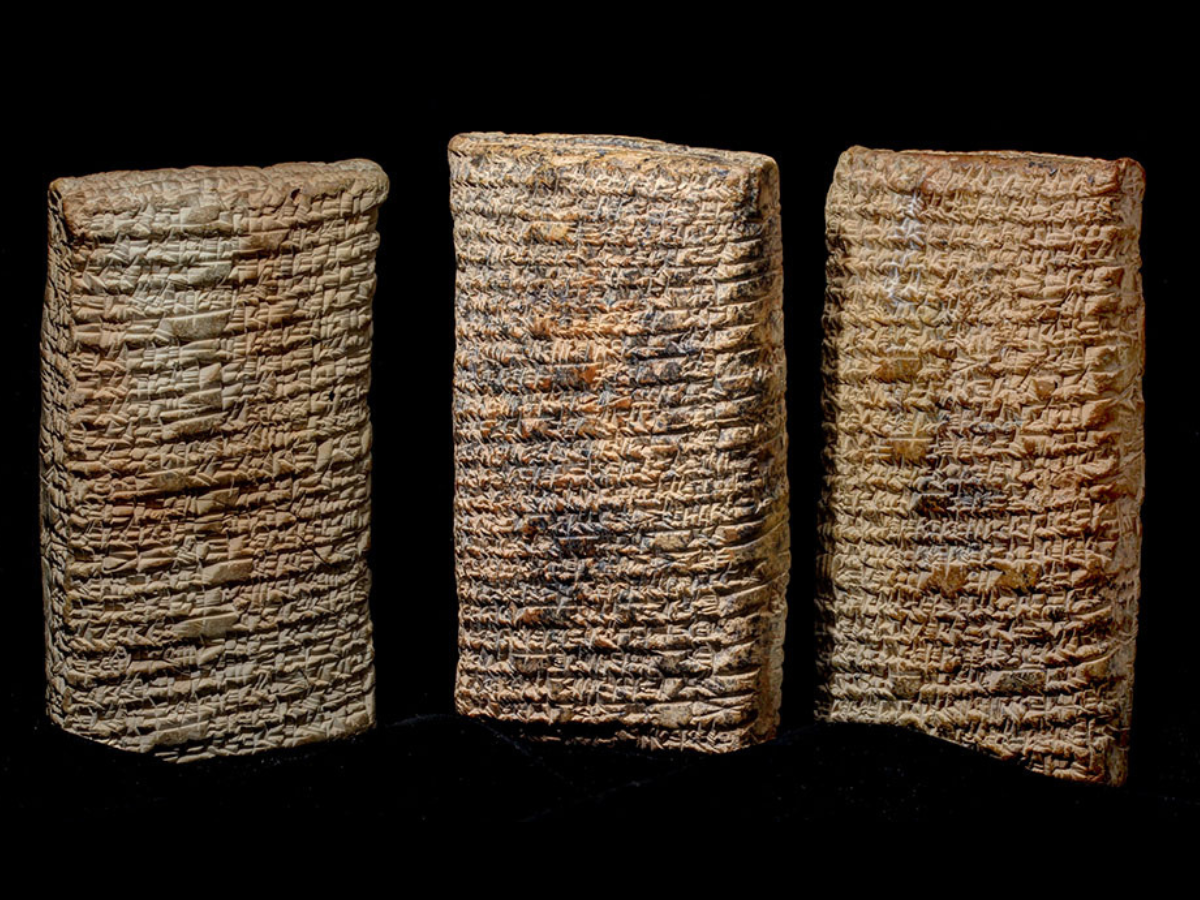
What moves me most is that Enheduanna knew exactly what she was doing. At the end of her temple hymns, she writes: “The compiler of the tablets was En-hedu-ana. My king, something has been created that no one has created before.” She understood her expression was sacred. She knew her voice was meant to be heard. How many of us writers, poets, artists, and seers can relate to this today?
May Enheduanna continue to inspire us
The first poet came from the East. From Mesopotamia, that fertile crescent where writing itself was born. And that first poet was a woman who refused anonymity, who claimed her work, who wrote herself into history with such force that not even 4,000 years could erase her.
Poetry pot begins here — with Enheduanna of Ur, whose voice broke the silence and showed us what it means to express your soul authentically and own your moment in the world.
— Ghina Fahs
(All photo credit goes to respective owners)