











Poetry pot, part 2: A glimpse into the world of Gibran Khalil Gibran
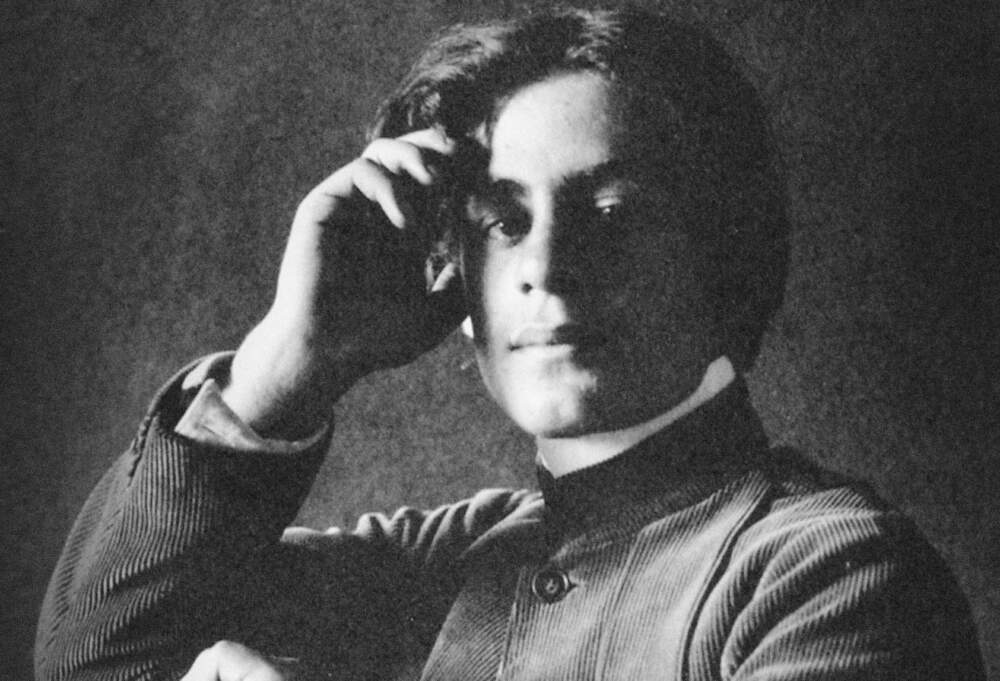
“Perhaps the best form of fighting is in painting pictures and writing poetry.”
— Gibran Khalil Gibran
Welcome back to Poetry Pot! Part 2 introduces none other than one of the most legendary authors of the 20th century: Gibran Khalil Gibran, AKA Kahlil Gibran, the third best-selling poet of all time, following Shakespeare and Lao Tzu — and Lebanon’s greatest pride in the world of art, literature, and philosophy.
Born in 1883 in Lebanon, Gibran spent his formative years in the mountains of Bsharri. By the age of twelve, he emigrated with his family to the United States, settling in Boston. From that moment on, his life and his art would exist in a liminal space: floating between East and West, Arabic and English, mysticism and modernity. However, it’s precisely in that in-between space that Gibran’s work found its power.
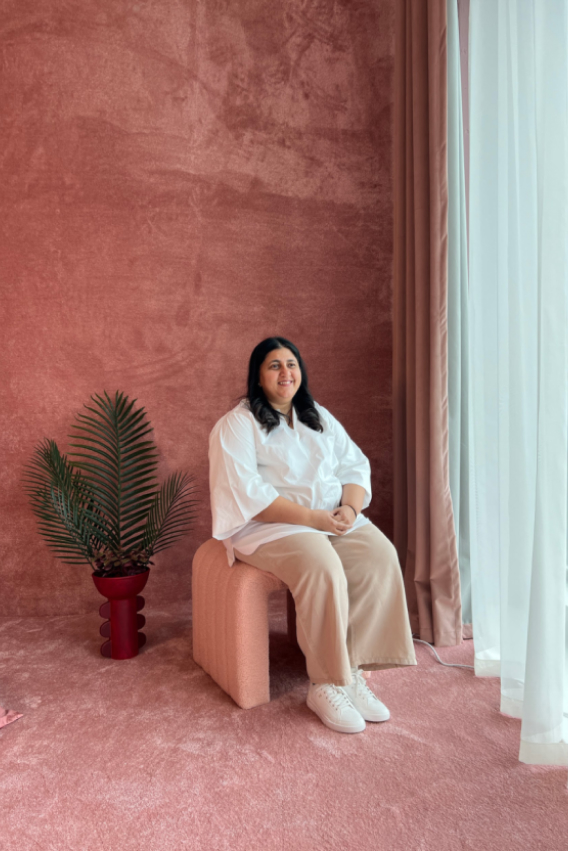
As a Lebanese writer and poet myself, Gibran is one of my biggest inspirations and it brings me so much joy to share his work with others. Not only because his timeless writings and paintings speak intimately to the soul, but also because his voice is that of a revolutionary who viewed his art as a form of resistance — still piercing through the noise of the world with its radical tenderness.
“And I love those who have been sacrificed by fire, executed by the guillotine for a thought that invaded their heads and inflamed their hearts.” — GKG
Gibran’s work is known for its prophetic tone but also for its nature of non-conformity. However, his message has always been a healing one: that this modern world, corrupted by conventions, oppression, and hatred, can be redeemed through love, unity, and freedom.
The Prophet: A modern scripture
The Prophet, published in 1923, has been translated into over 100 languages and sold more than 100 million copies worldwide. There’s a reason this book is such an immortal masterpiece. It doesn’t read like a book so much as it feels like a remembered voice — that of the universal consciousness that carries us all.
Structured as a series of poetic sermons, The Prophet follows Almustafa, a seer about to return home after twelve years of exile, who shares wisdom on love, marriage, children, work, death, and everything that makes us human. What follows are truths that resonate profoundly with anyone who touches them, even now, over a century later.
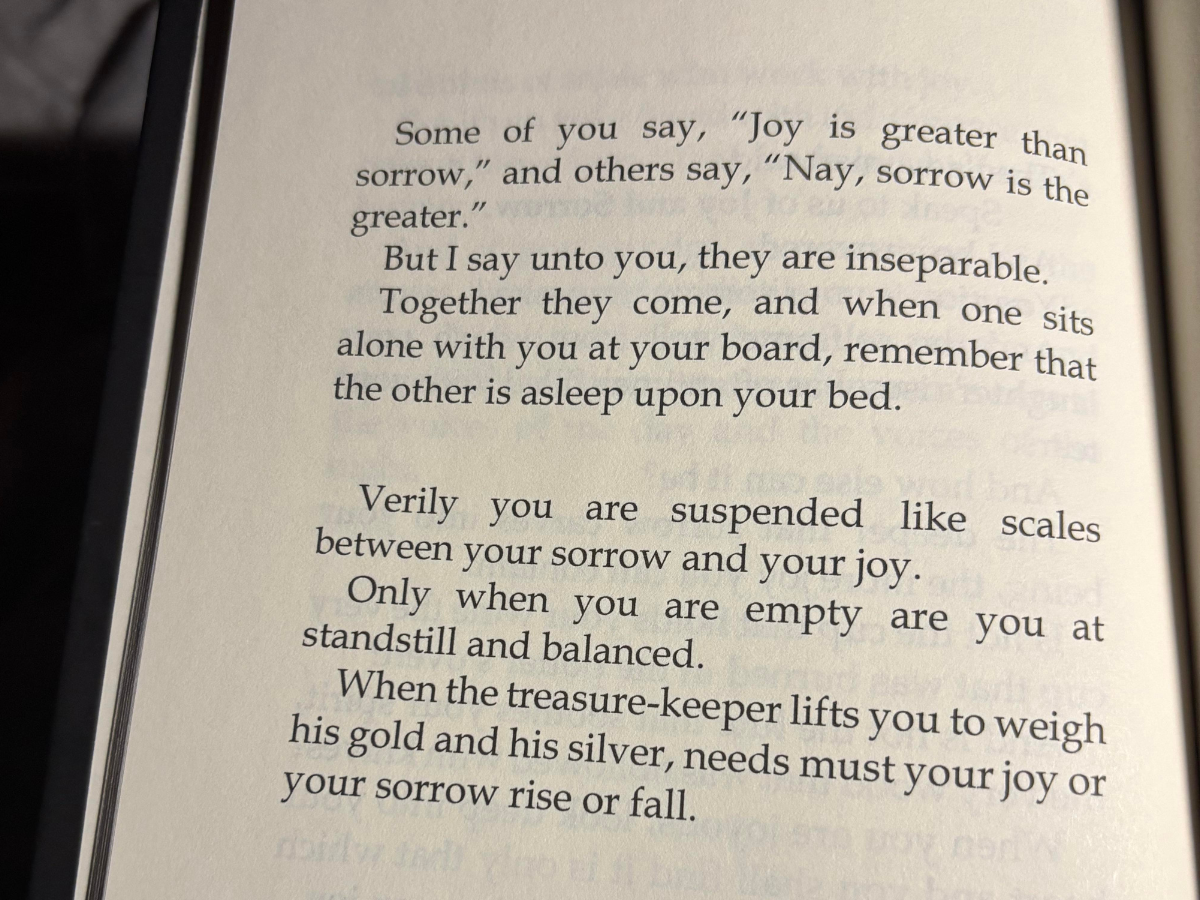
Gibran’s expression through language and words doesn’t argue or persuade, it opens. It asks the reader to sit with paradox and look beyond human-made limitations and the binaries of duality.
In many ways, The Prophet functions as a modern-day scripture for a spiritually homeless world. Not tied to any single religion, yet resonant with all of them. Full of spirit and Divine guidance, yet so far from being dogmatic.
Gibran’s identity and multidimensionality
Although plenty of his works were written in English, Gibran never abandoned Arabic, emotionally or artistically. He wrote poetry and prose in both languages, often expressing different dimensions of himself through each. Arabic, for him, was the language of memory, homeland, and longing. English became the language of address — the way he spoke to the world he found himself in.
This bilingual identity meant that Gibran often grappled with being too Eastern for the West and too Western for the East. Yet instead of resolving this tension, he allowed it to live on the page, ultimately playing a key role in his success.
Gibran’s refusal to be contained is especially magnetic. His philosophy not only blended East and West, but also universal themes from Sufism, Christianity, Nietzschean thought, and more. I believe this plays a key role in the way his works resonate so deeply with me and so many others who have had to reckon with our own multidimensionality.
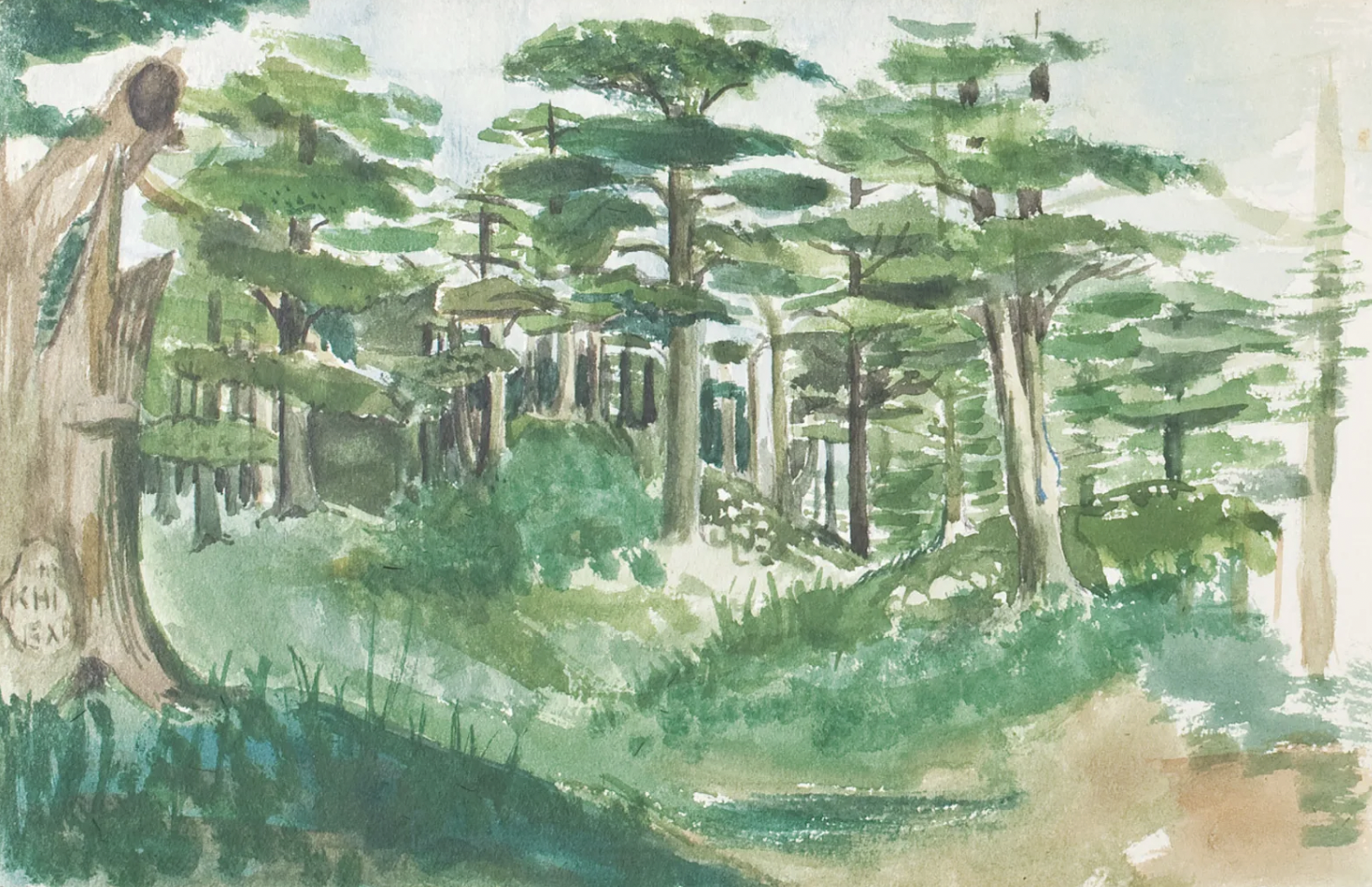
Gibran was always proud to be Lebanese, however, and much of his artistic work was inspired by his homeland. The natural beauty of his village was a strong source of inspiration for his imagination. His poetry is nostalgic of the magnificent scenery of his childhood among the immortal cedars, valleys and mountains of Lebanon.
“If Lebanon was not my country, I would have chosen it to be…
You have your Lebanon and its dilemma.
I have my Lebanon and its beauty.
Your Lebanon is an arena for men from the West and men from the East.
My Lebanon is a flock of birds fluttering in the early morning as shepherds lead their sheep into the meadow and rising in the evening as farmers return from their fields and vineyards.
You have your Lebanon and its people.
I have my Lebanon and its people.”
— GKG
A beginning, not an end
What we’ve explored here is merely a tiny glimpse into the vast universe that is Gibran Khalil Gibran.
There are his lesser-known works like The Madman, Sand and Foam, and The Broken Wings — each offering their own profound meditations on the human condition. There’s his visual art, hauntingly beautiful and deeply symbolic. There are his letters, his friendships with other artists and thinkers, the museum that stands in his hometown today, his role in the Arab-American literary movement, and the countless ways his words continue to inspire new generations around the world.
However, for now, we must leave you here. With words from Gibran himself, “A little knowledge that acts is worth infinitely more than much knowledge that is idle.”
— Ghina Fahs
(All photo credit goes to respective owners, sourced from search engines)