




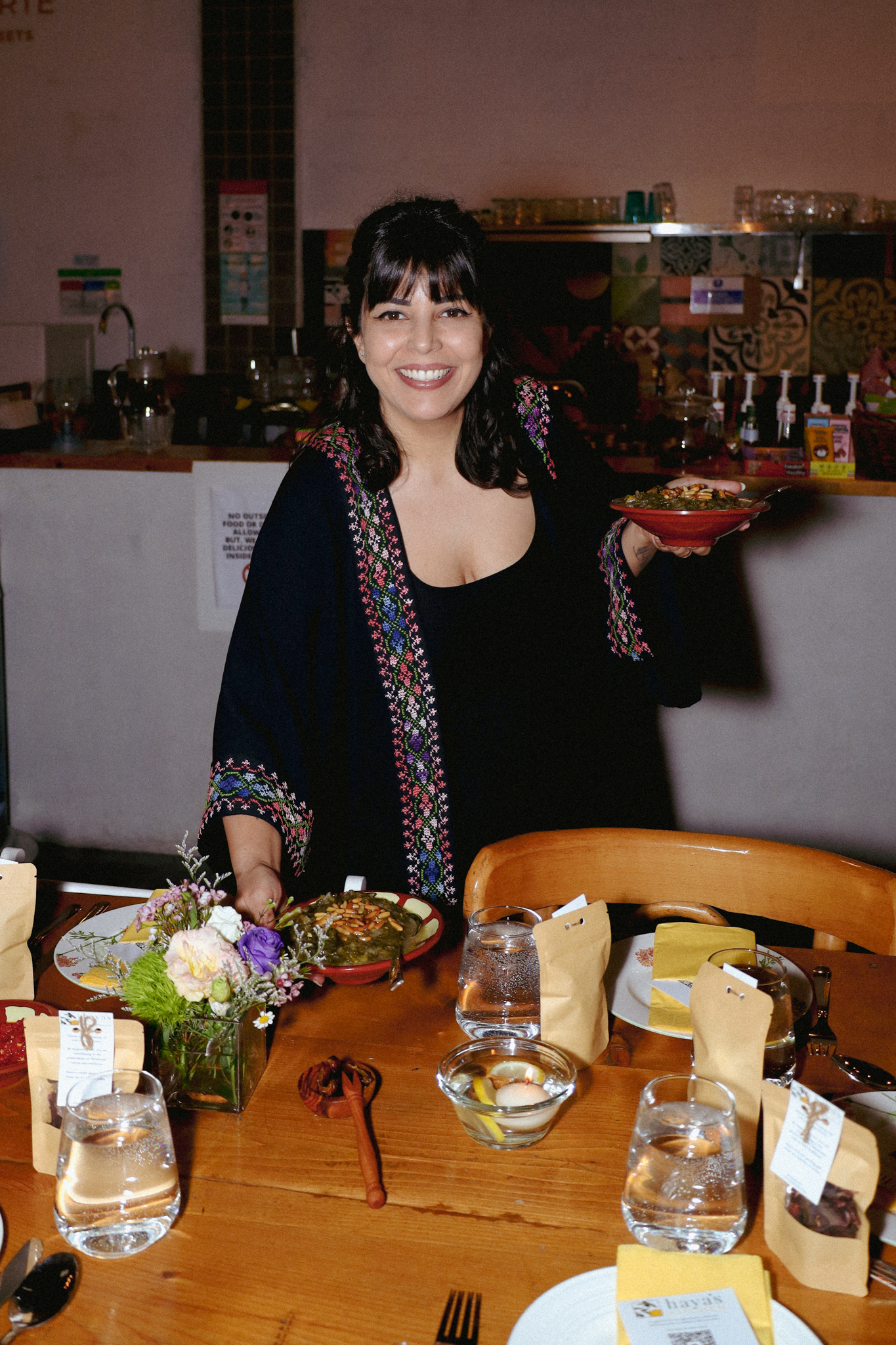
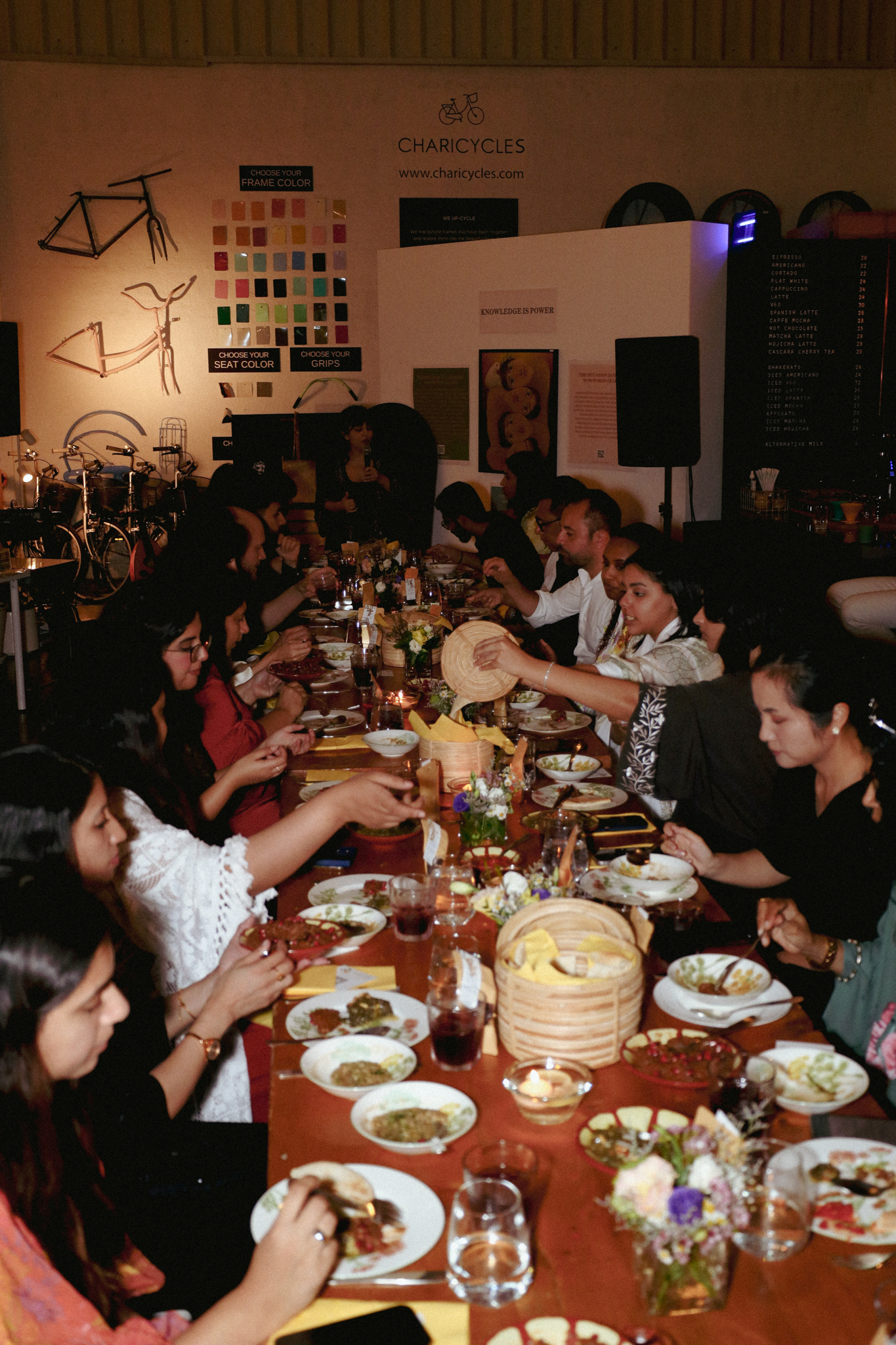
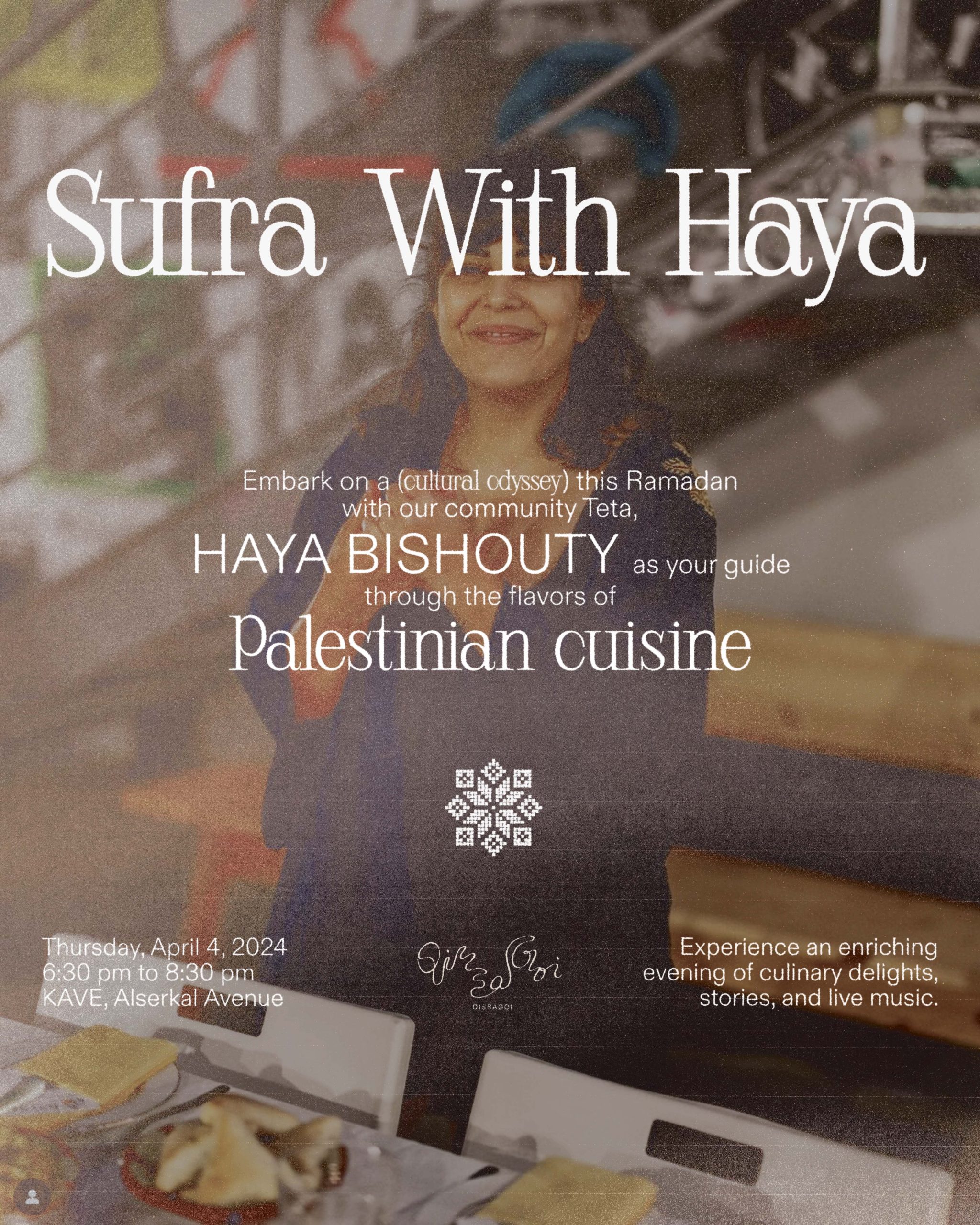



















The spirit of Palestine through food
Food is the world’s favorite storyteller. Beyond nutrition, energy, and flavor, food is memory, identity, and soul all stirring in the same pot. In Palestinian culture, food is how their heritage and identity persists. It not only tells the world, but gives us a taste: of their connection to their homeland, of communities gathering in defiance of hardship, of traditions passed down through generations in continued resistance against erasure.
The foods we’ll explore today are acts of cultural preservation, where every taste reminds us that truth can live loud even when no words are spoken. I present to you: the spirit of Palestine through food.
Zaatar and olive oil: The voice of the land
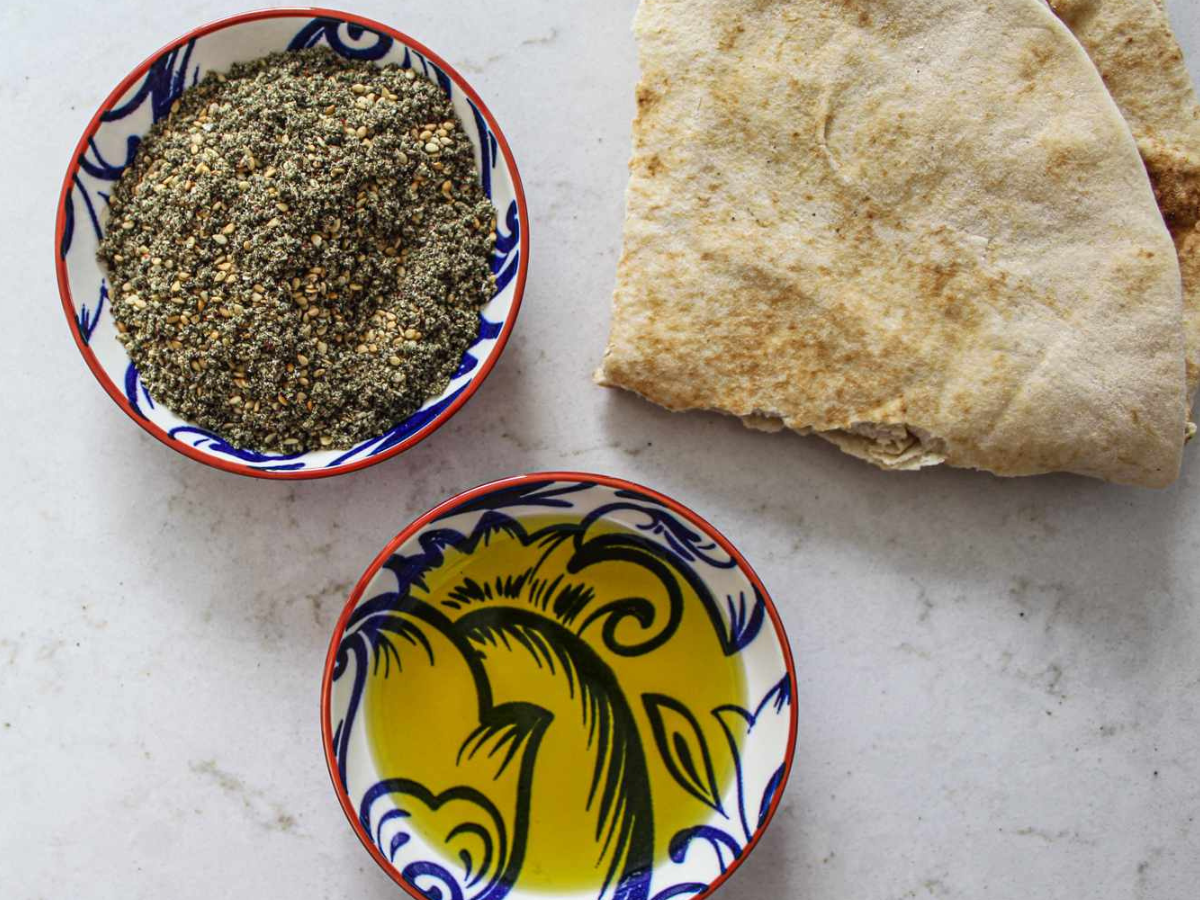
This blend of wild thyme, sumac, sesame seeds, and salt grows stubbornly across Palestinian hillsides, thriving where little else does. Paired with Palestinian olive oil, zaatar creates a powerful combination of homegrown essentials that lives in every household. Spread across warm taboon or Arabic bread, this concoction is straight nourishment from the land, and a ritual as old as the ancient olive groves themselves. Zaatar is also known to be a superfood, often eaten to improve concentration and memory.
The olive tree holds sacred significance in Palestinian culture, with some trees standing for thousands of years as living witnesses to history. The olive harvest is a communal tradition where families gather to pick fruit from trees their ancestors planted. Today, occupying forces still violently uproot and destroy olive trees in an attempt to erase and oppress — devastating when you know these trees are slow to grow and sometimes take over a decade to bear fruit consistently.
Know that when you dip your bread in Palestinian olive oil and zaatar, you’re participating in an unbroken chain of connection to the land and a symbol of sumud (steadfastness).
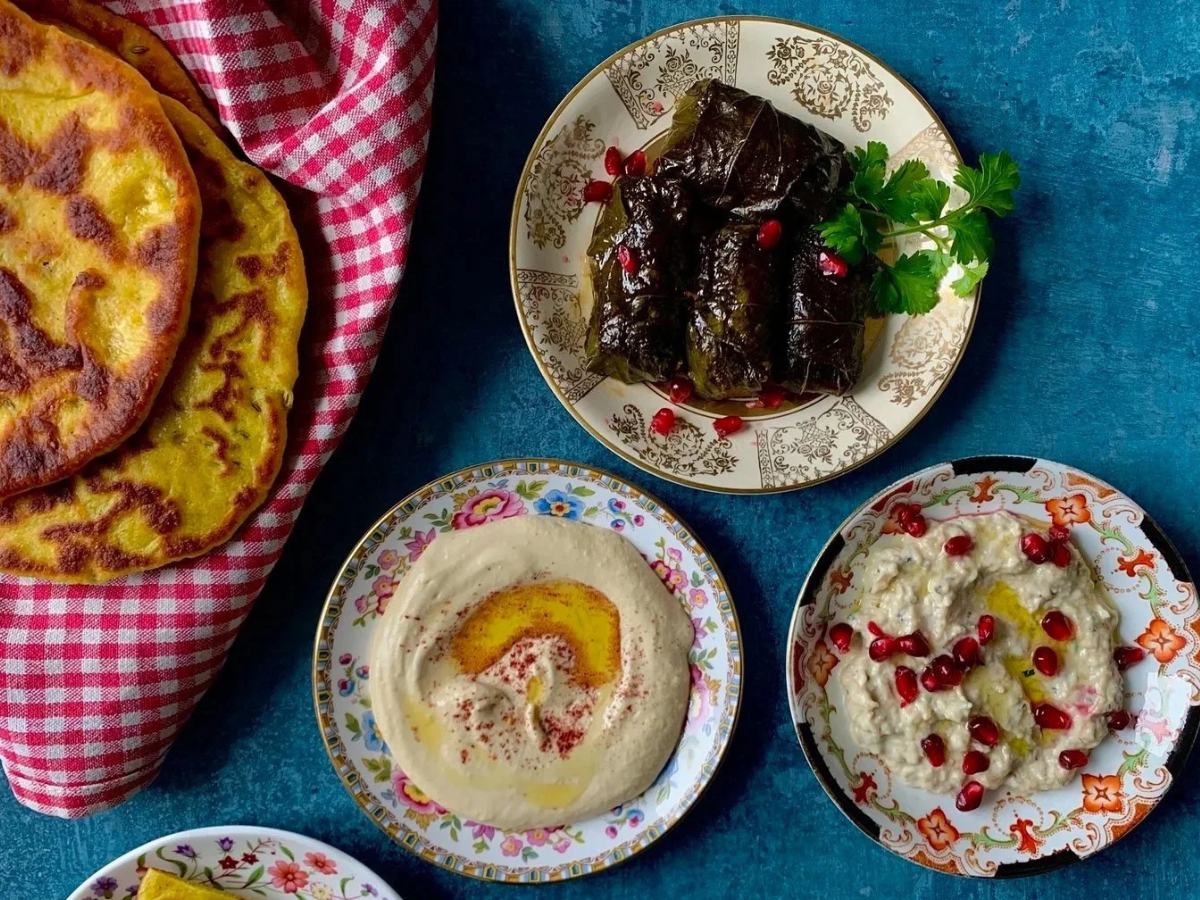
Mezze: A table of collective care
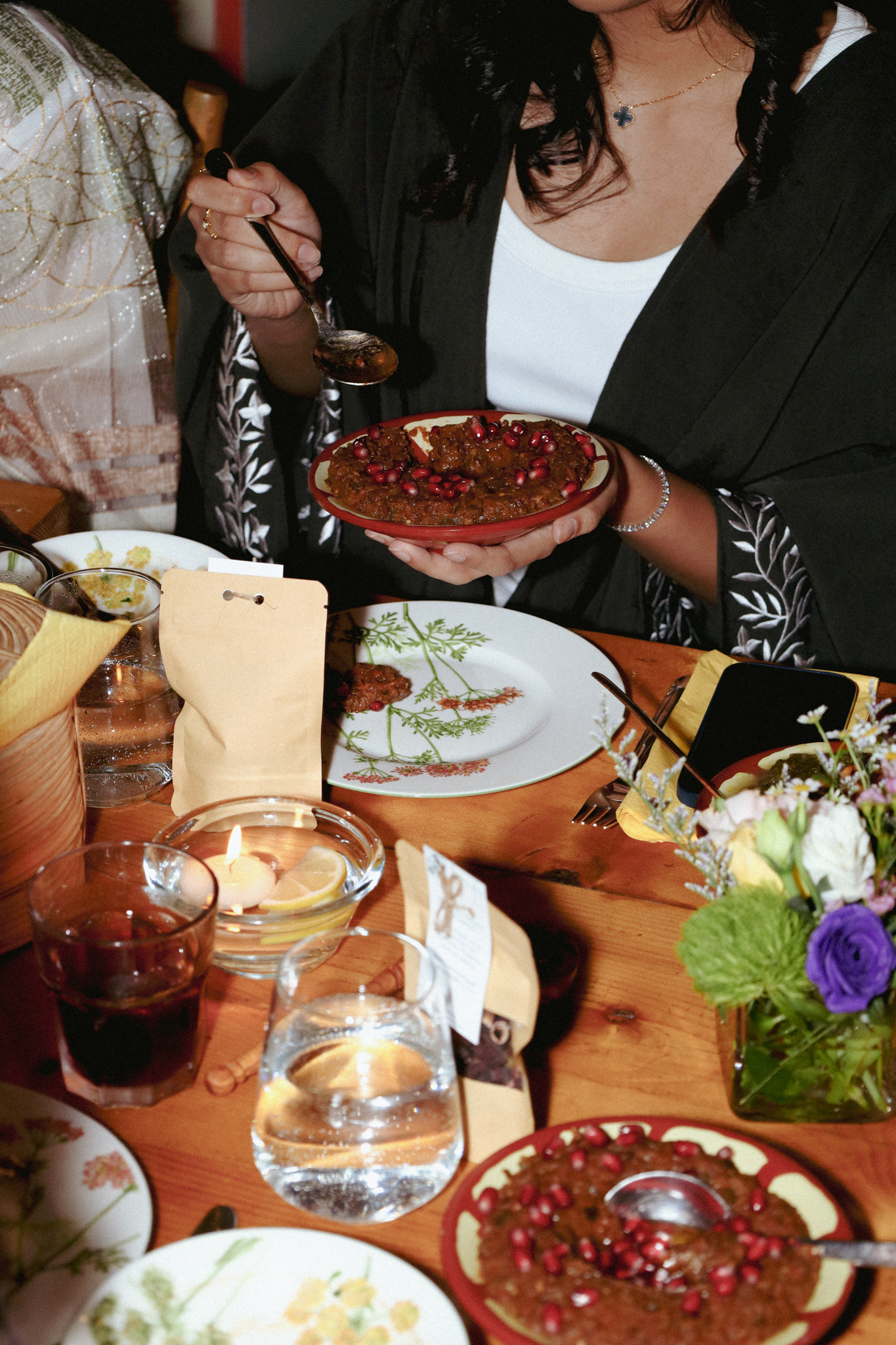
Hummus, mutabbal, warak enab, falafel — some compare these shareable dishes to Spanish tapas, but they deserve recognition in their own right. “Appetizers” is also too small a word for the mezze concept. A mezze table is an invitation; mezze culture, characteristic of all Levantine cuisine, is about gathering, about the beauty of sharing food, where everyone reaches in together. There’s no mine or yours, only ours, and in the simple nature of the mezze spread, community is strengthened.
Where separation and division are enforced, gathering around a table becomes its own form of resistance. The mezze spread preserves social bonds and collective memory, reminding people that they’re not alone, but a part of something larger than themselves. It becomes a space of togetherness, healing, and a symbol of collective care.
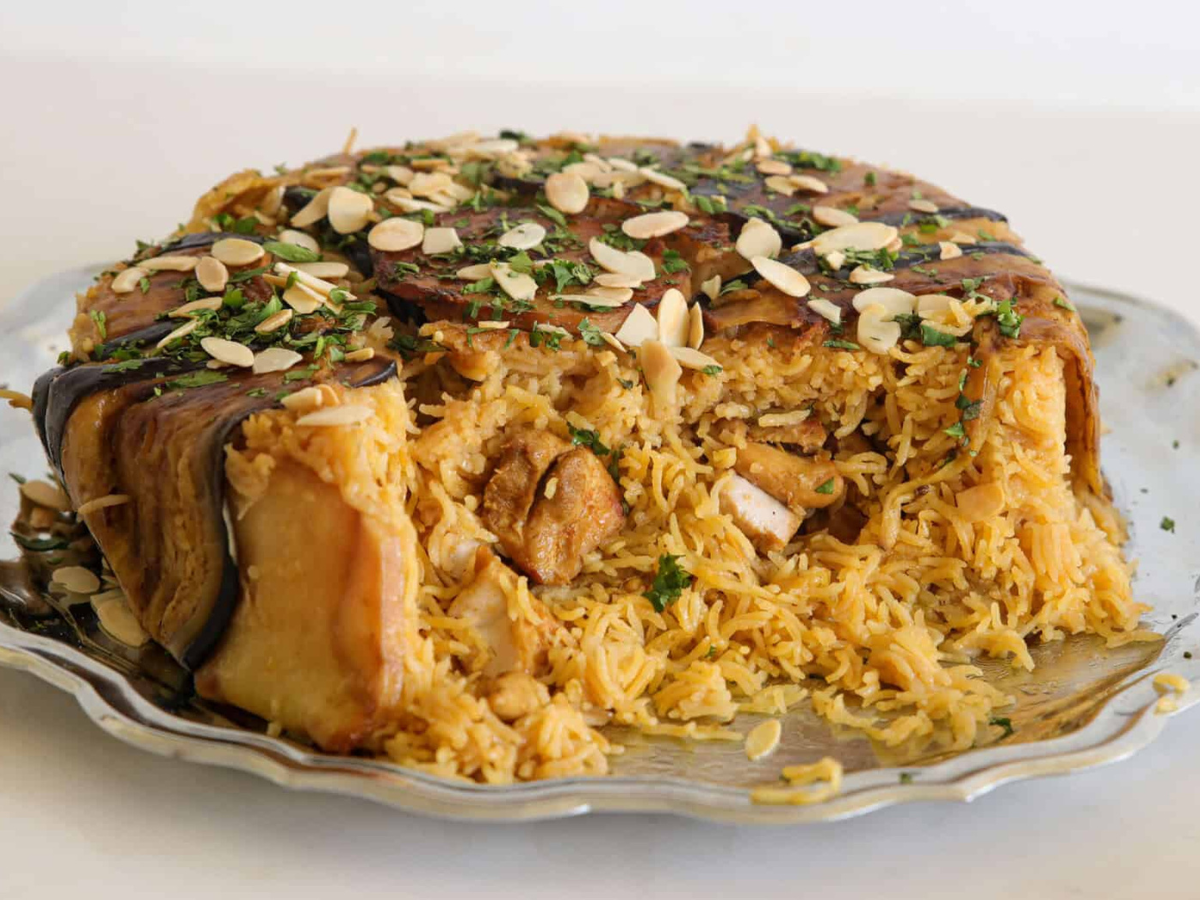
Maqlouba: Flipped upside down
This layered rice dish is built with vegetables, meat, and spices, then dramatically flipped onto a serving platter. It’s one of Palestine’s most beloved, hearty meals that will undoubtedly steal your heart.
Every family has their own version, their own secret touches passed down through generations. The moment when the pot is flipped is almost ceremonial, sometimes celebrated with excitement and applause when the tower of rice remains standing and intact.
Maqlouba literally means “flipped upside down,” and the romantic in me can’t help but notice the poetry in that. Doesn’t maqlouba remind us of standing strong even when our world is turned over?
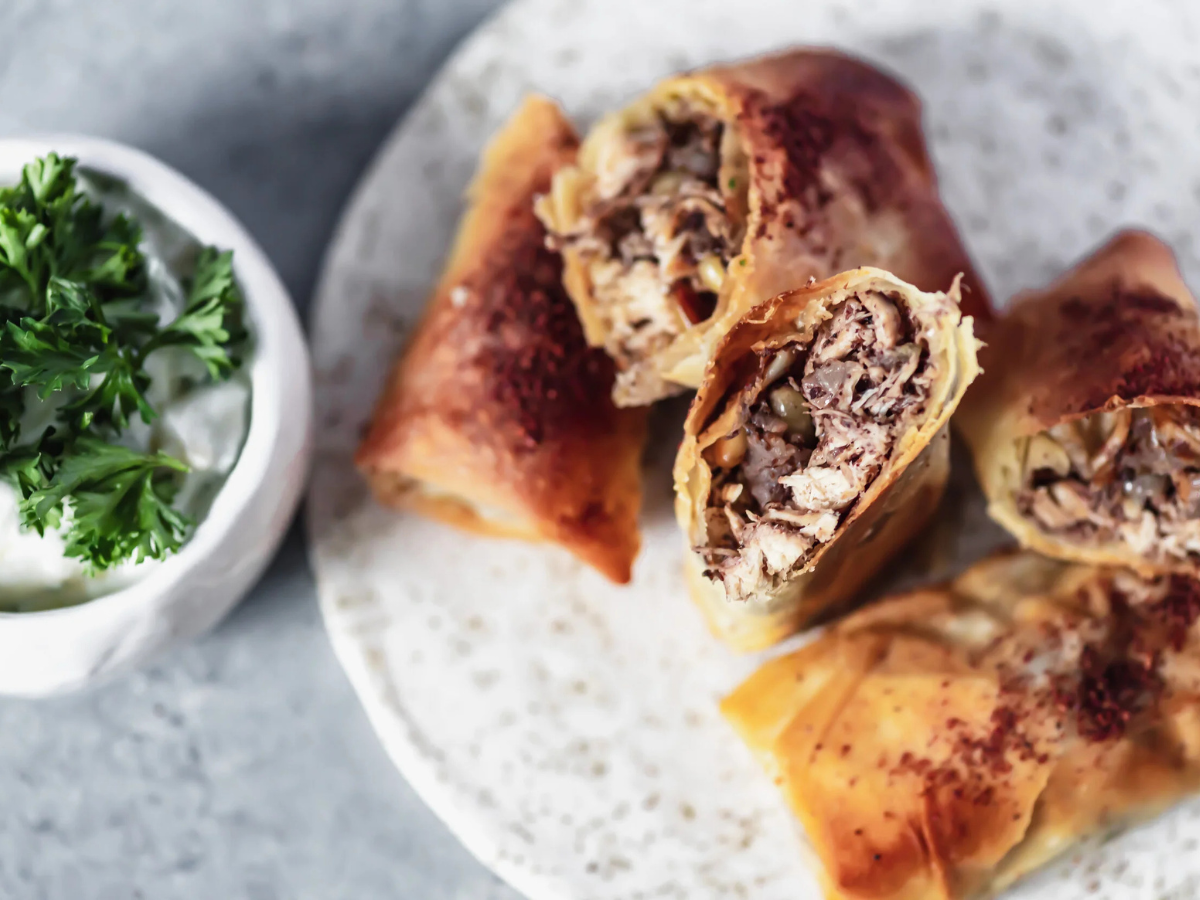
Musakhan: National dish of Palestine
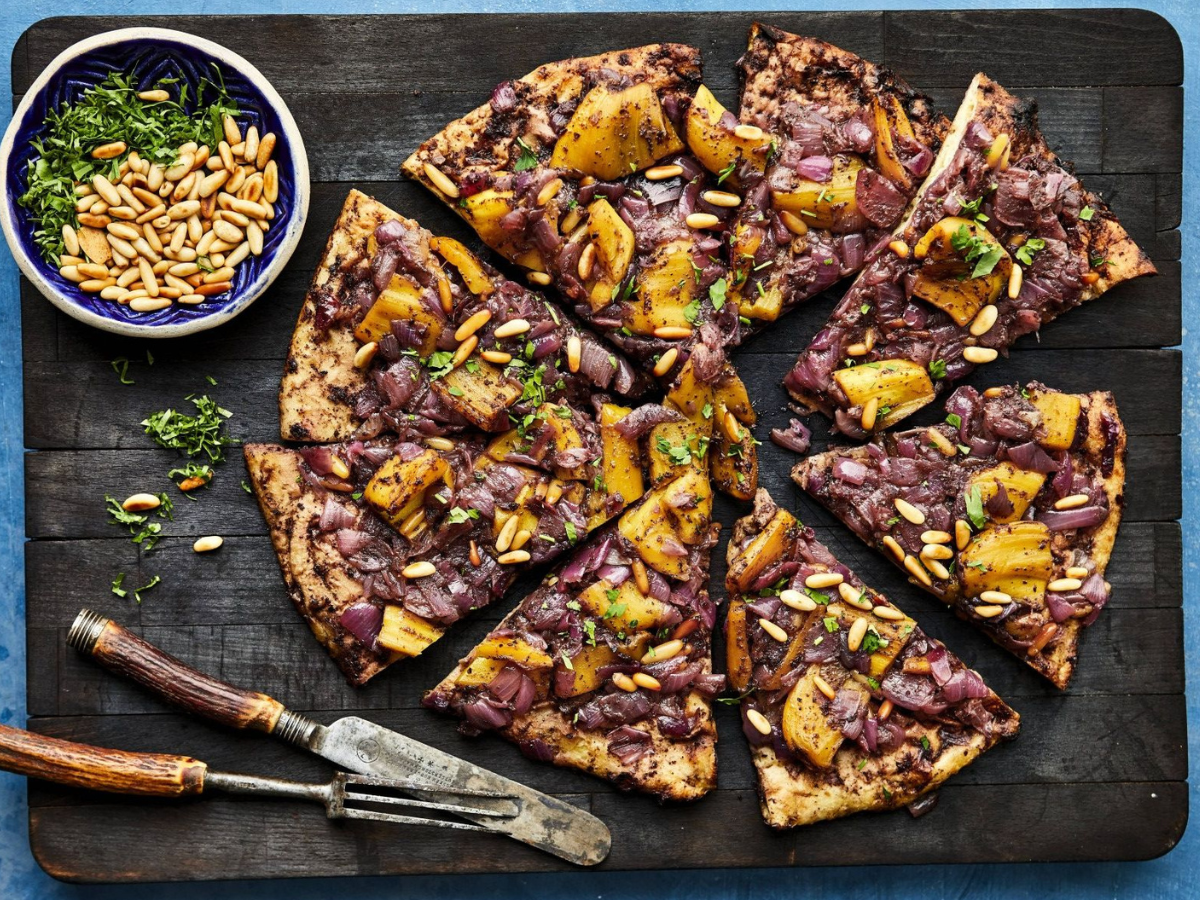
Musakhan is a centuries-old, communal Palestinian dish that consists of sumac-spiced chicken roasted with caramelized onions and pine nuts, all piled onto taboon bread drenched in olive oil… Of course. As a modern adaptation, musakhan is sometimes wrapped up into a delicious crispy roll and dunked into a yogurt-based dip — yes, it’s a flavor experience like no other!
Musakhan was historically prepared during the olive harvest season to honor the land and test the quality of new olive oil, which is used generously in this dish. Sumac, another indigenous ingredient that grows wild across the hills, adds the savory tanginess and color that make this dish so vibrant. The taboon bread, baked in traditional clay ovens using methods unchanged for centuries, connects the dish to ancestral cooking practices that have resisted erasure to this day.
From ancestral cooking to the celebration of olive oil and herbs that speak of the land, Musakhan brings together the essential elements of Palestinian cuisine, earning its title as Palestine’s national dish.
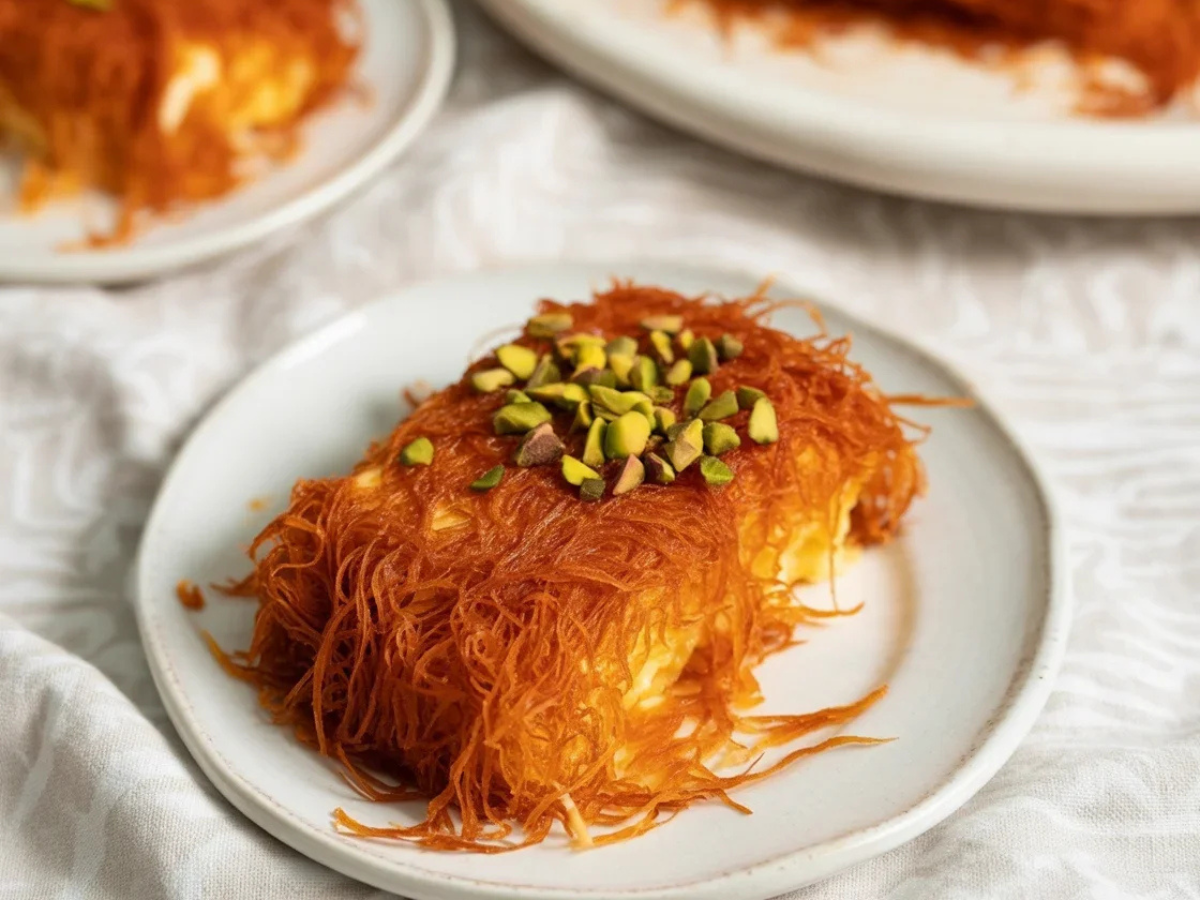
Knafeh Nabulsiyeh: Sweet pride
To end it on a sweet note, there’s no way I was going to skip Knafeh. Nablus has given Palestine many things, but perhaps none as beloved as this dessert — crispy shredded kataifi pastry layered with stretchy white cheese, soaked in syrup, and topped with crushed pistachios. It’s the pride of Nablus city, and rightfully so.
The craft of making knafeh has been passed through generations of Nabulsi families, each one guarding their techniques and perfecting their ratios. Every step of the process is an intricate art form, to say the least.
In a world that tries to reduce Palestinian identity to suffering, knafeh tells us that joy and celebration must continue to take up space in our hearts no matter the circumstances. It tastes like the audacious refusal to let violence steal the delightful sweetness from life. Knafeh is the soul’s stubborn insistence on hope, it says: We’re still here. We still celebrate. We still create beauty. And no amount of oppression will take that from us.
— Ghina Fahs
(All photo credit goes to respective owners, sourced from search engines)