























































Unlearning to relearn: Decolonizing yoga, part 1
Eight years ago, I walked into my first yoga class at a gym — clueless, confused, unprepared, and regarding it as just another workout. The instructor didn’t explain anything. We just jumped in. And even though I didn’t know anything about yoga, what kept me coming back time and time again, was the way it made me feel.
Since then, I’ve been blessed to journey far deeper into yoga than gym-room Vinyasa. Learning, unlearning and relearning plenty of times along the way. I eventually became a teacher myself, consciously taking on the responsibility of guiding others through asana and beyond.
Early in my teaching journey, I quickly realized that most students were showing up to my classes exactly where I once was. Confused and unknowingly seeing yoga through a surface-level lens shaped by Western colonization: take an ancient Eastern practice, water it down, repackage it, trendify it, commodify it…
That realization gave me much-needed clarity on how to move forward. As someone with the platform of “teacher”, I don’t take lightly my responsibility to pass this practice on in ways that honor its origins and depth. I ask myself all the time now, “what do I wish teachers told me when I was just starting out?” The answer evolves with me.
Now, whether you’re brand new or have been practicing for years, let’s keep it simple as we begin to peel back the layers of yoga together. Part 1 of this series will highlight the yoga misconceptions we must unlearn before going any deeper.
1. Yoga as a workout
This is probably the most common misconception thanks to the influence of Western fitness culture, and honestly, it’s where most of us start. But yoga is actually a philosophical system that originated over 5,000 years ago around northern India.
The Sanskrit word yoga actually means ”union” of the individual consciousness with the universal consciousness. Physical postures, or asana, make up just one of the eight limbs of yoga.
Maintaining a healthy body and mind through asana, movement and exercise is an important part of yoga “to keep the instrument healthy”, however, yoga is a practice that goes far beyond the physical — when we reduce it to just the postures and sequences we practice on the mat, we’re essentially taking one chapter of a book and calling it the whole story.
2. Yoga as a performance of fancy postures
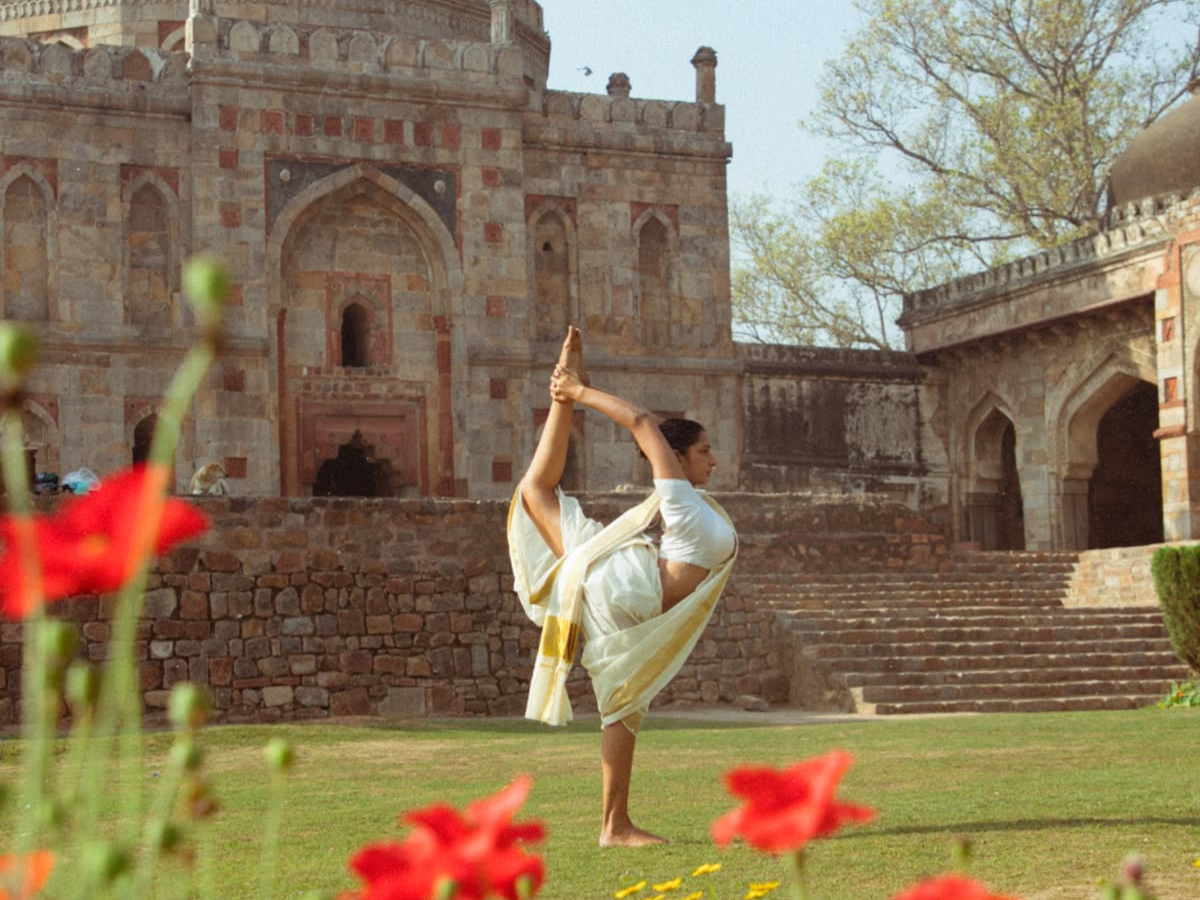
The obsession with advanced, acrobatic yoga poses is another prominent way that Western fitness culture has distorted yoga. Handstands, arm balances, and extreme backbends might look impressive, but they’re not essential for yoga’s true teachings.
In fact, the ancient yogic texts barely mention physical postures at all, and when they do, it’s in the context of finding a comfortable seated position for meditation.
Yoga isn’t about what your body can do aesthetically. It’s an inward practice of awareness and self-study (Svadhyaya), one that offers us tools to create the internal space that enables us to remember who we really are, underneath all the clutter of the ego’s programs and worldly illusions.
While practitioners do benefit from cultivating the discipline required to achieve certain asanas, I believe it’s important for us to remember that the essence of yoga is found when we commit to evolving past the ego-driven layer of our practice and going deeper into ourselves.
Remember, a simple seated meditation can be more yogic than the most elaborate asana.
3. Yoga pants and “leggings”
The yoga fashion industry is another byproduct of Western consumerism. Lululemon leggings, matching sports bras, designer mats — none of these are essential for yoga practice, they’re really just another way capitalism has commodified yoga.
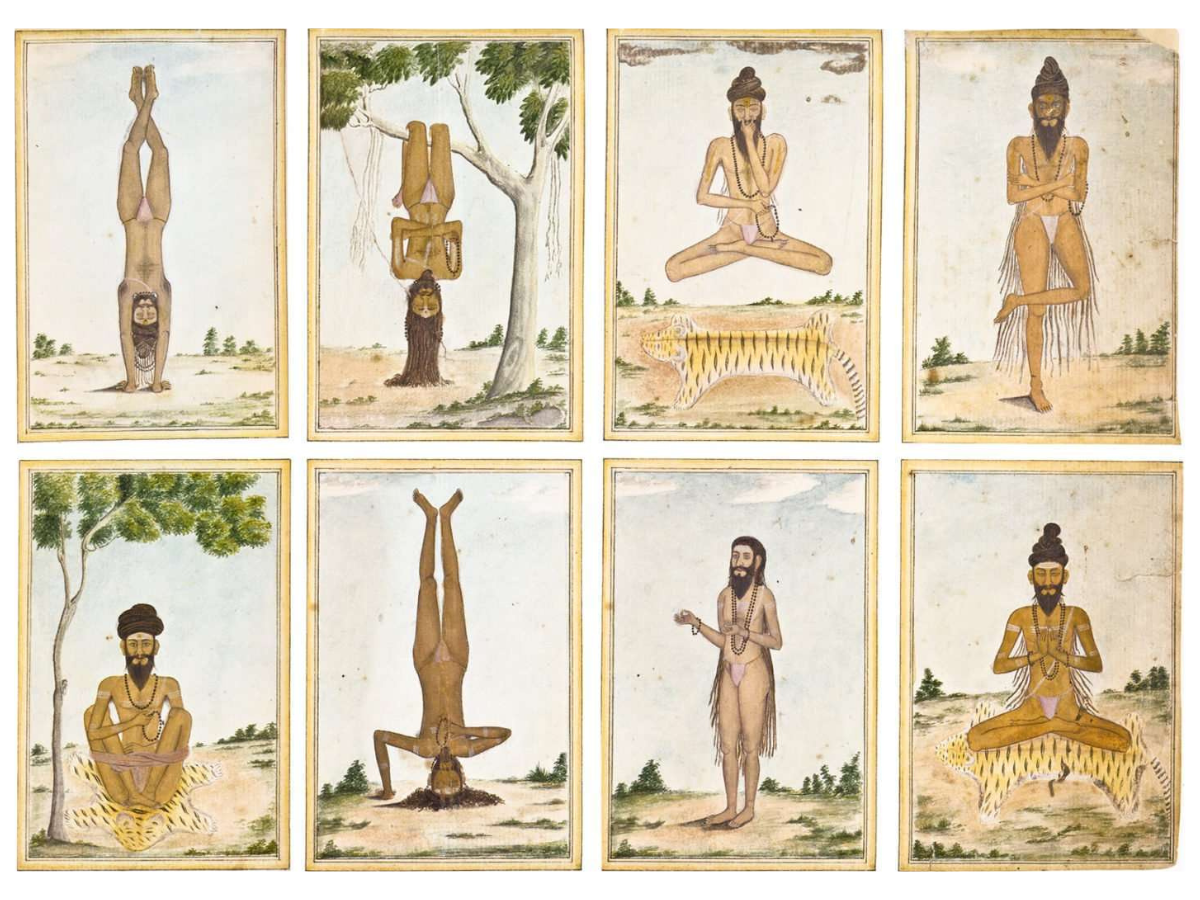
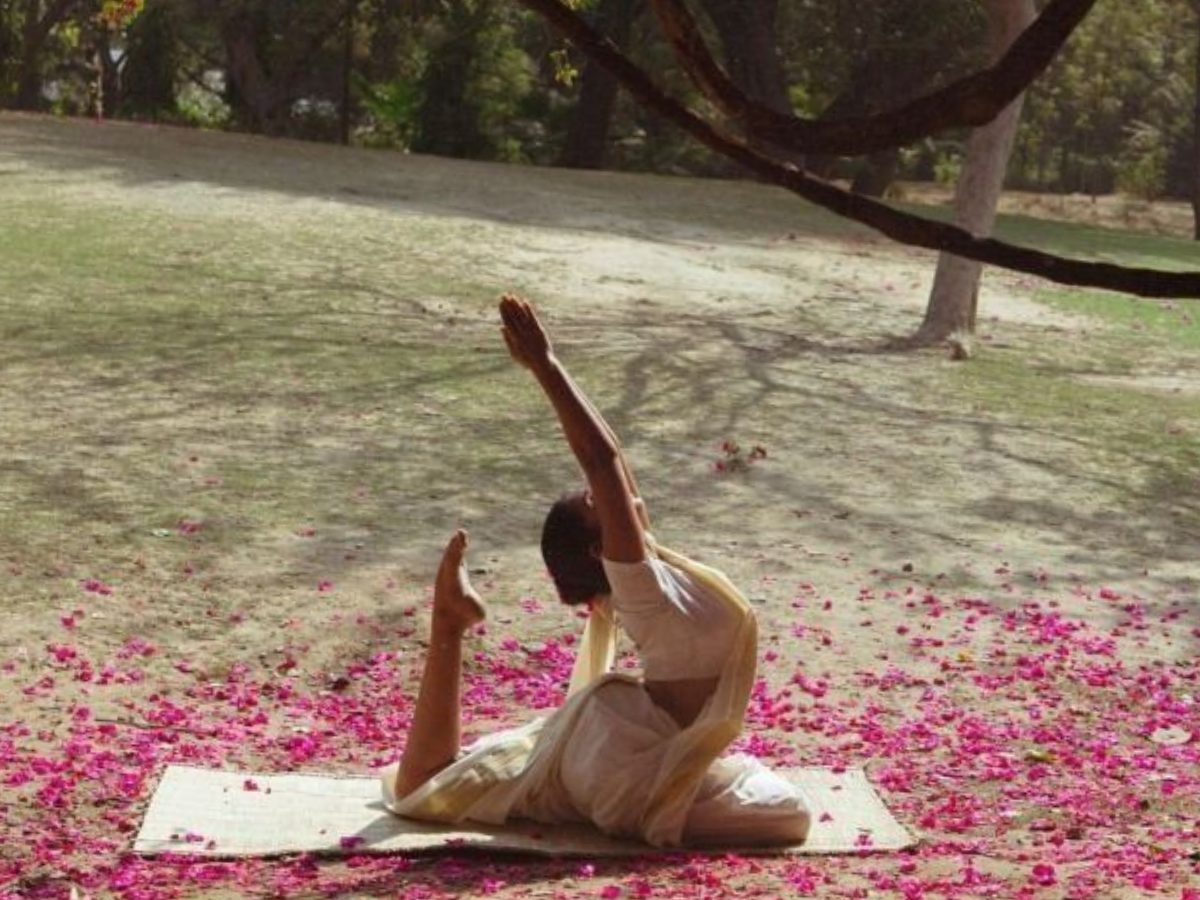
What did traditional yoga practitioners actually wear? Breathable, loose-fitting clothing made from natural fibers, or sometimes even nothing at all. The modern prevalence of tight, form-fitting yoga clothing is largely an adaptation from modern fitness culture. You definitely don’t need $100 Polyester leggings to practice yoga.
4. Teaching yoga as an easy-way-out
A 200-hour Yoga Teacher Training can be completed in less than a month, yet some treat it as sufficient qualification to teach a practice rooted in thousands of years of yoga philosophy, tradition, and lived experience. As someone who has completed over 200 hours of training myself, I can confirm that it does not magically equip anyone who signs up with the ability to teach.
Yet, the yoga world is becoming oversaturated with new instructors. Meanwhile, practitioners who’ve spent decades studying within authentic lineages — especially South Asian teachers who carry this knowledge culturally and spiritually — often struggle to find teaching opportunities or get paid fairly.
The commercialization and popularization of YTT has turned yoga instruction into a commodity rather than a sacred responsibility passed down with reverence and care.
5. Decolonizing yoga means gatekeeping who can practice
Decolonizing yoga isn’t about excluding anyone from the practice. It’s about examining how we practice, how we teach, who profits, who gets credit, and whether we’re honoring or erasing yoga’s origins and roots.
It’s about amplifying South Asian voices and yoga teachers, learning the actual philosophy of yoga beyond Instagram quotes, and questioning the systems that turned such a sacred practice into a billion-dollar industry.
See you at the next one
Practicing yoga authentically includes waking up to the histories we’ve inherited and the choices we make every time we step onto the mat.
I believe that to be a yoga practitioner is to be a revolutionary, seeking awakening and union in a world designed to keep us dormant and divided. With that, may we humbly understand our responsibility to honor yoga with awareness and respect.
Thank you for reading and stay tuned for part 2!
— Ghina Fahs
(All photo credit goes to respective owners, sourced from search engines)