


























What does the word qissagoi actually mean?
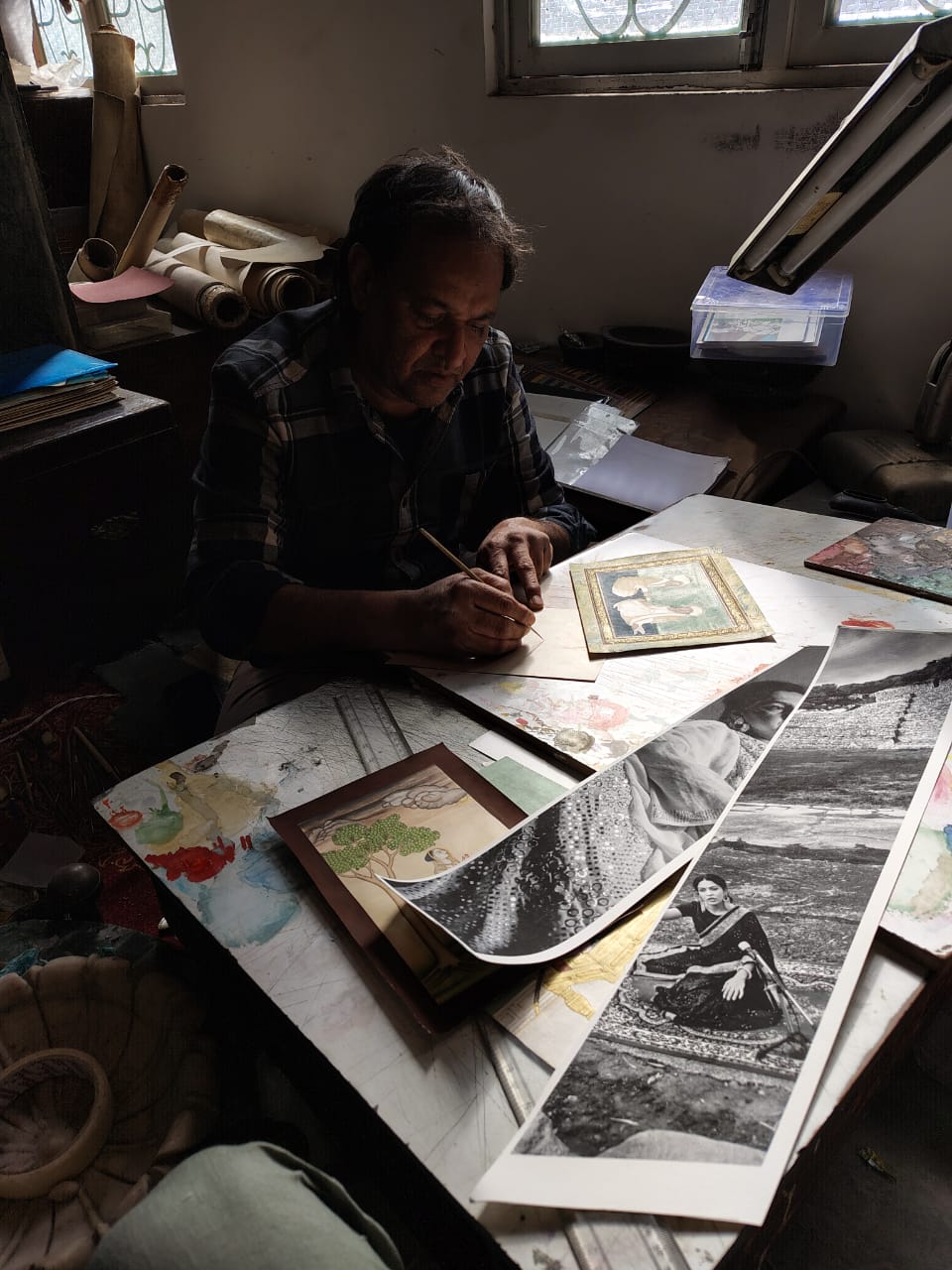
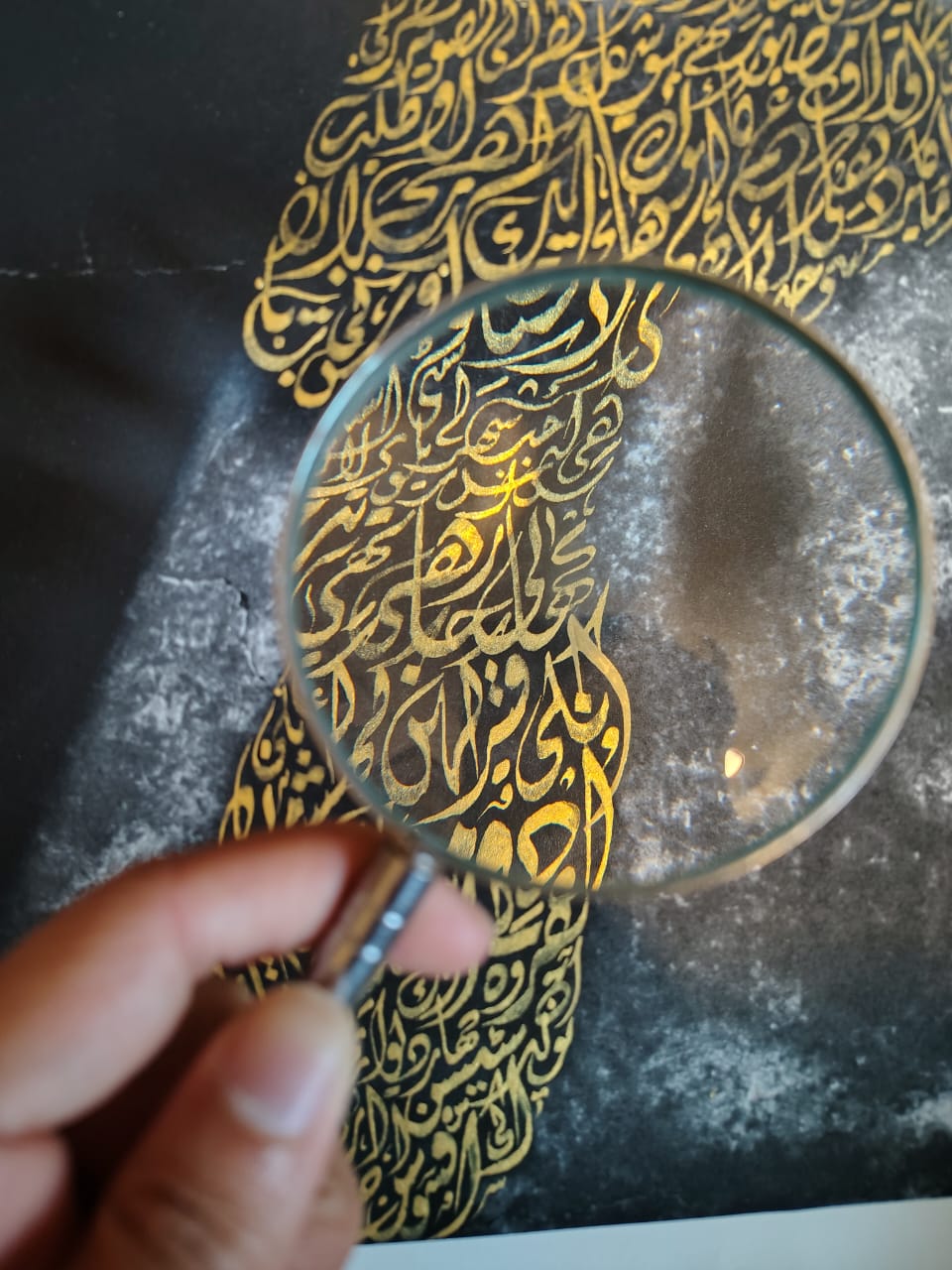
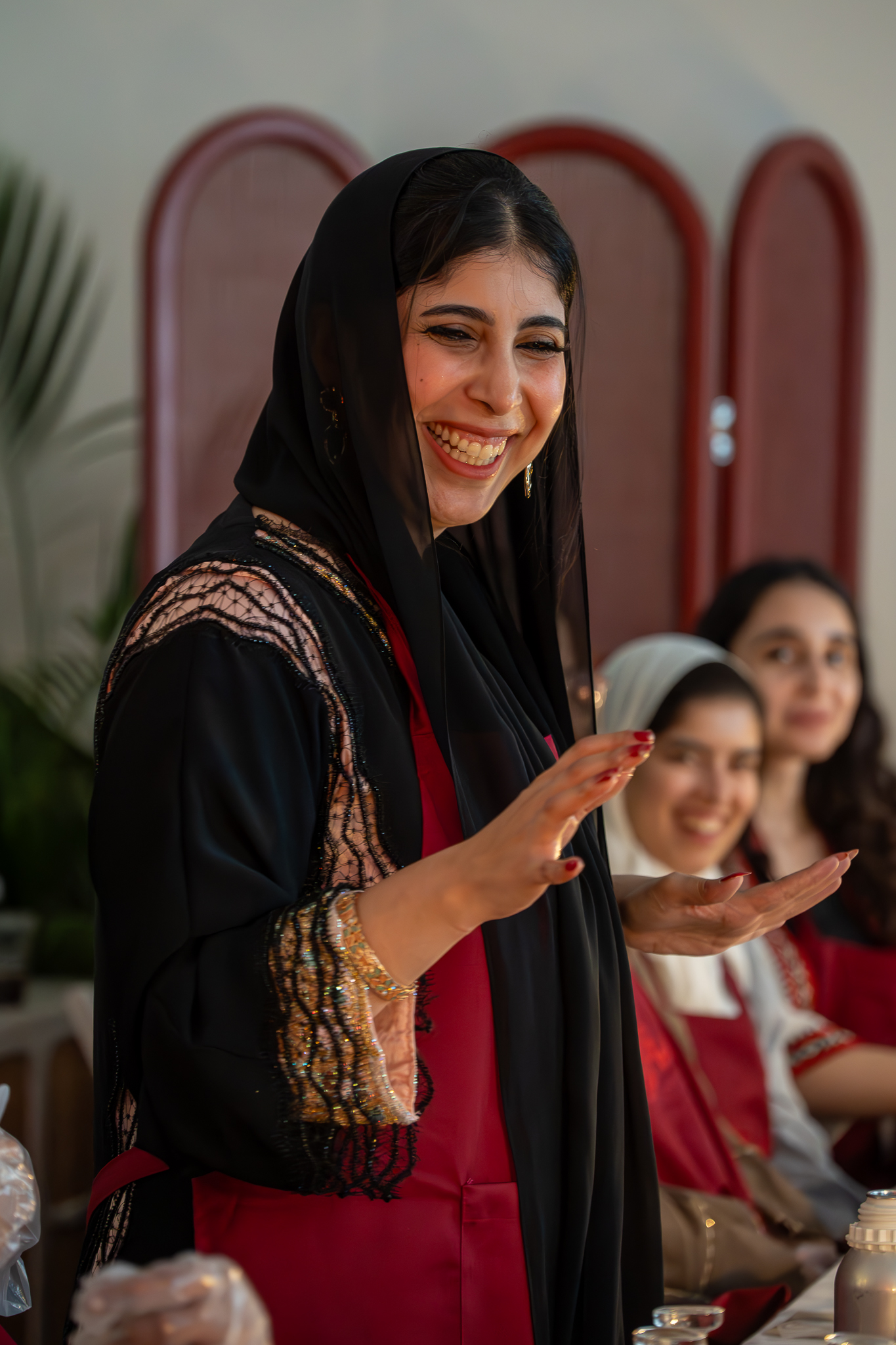
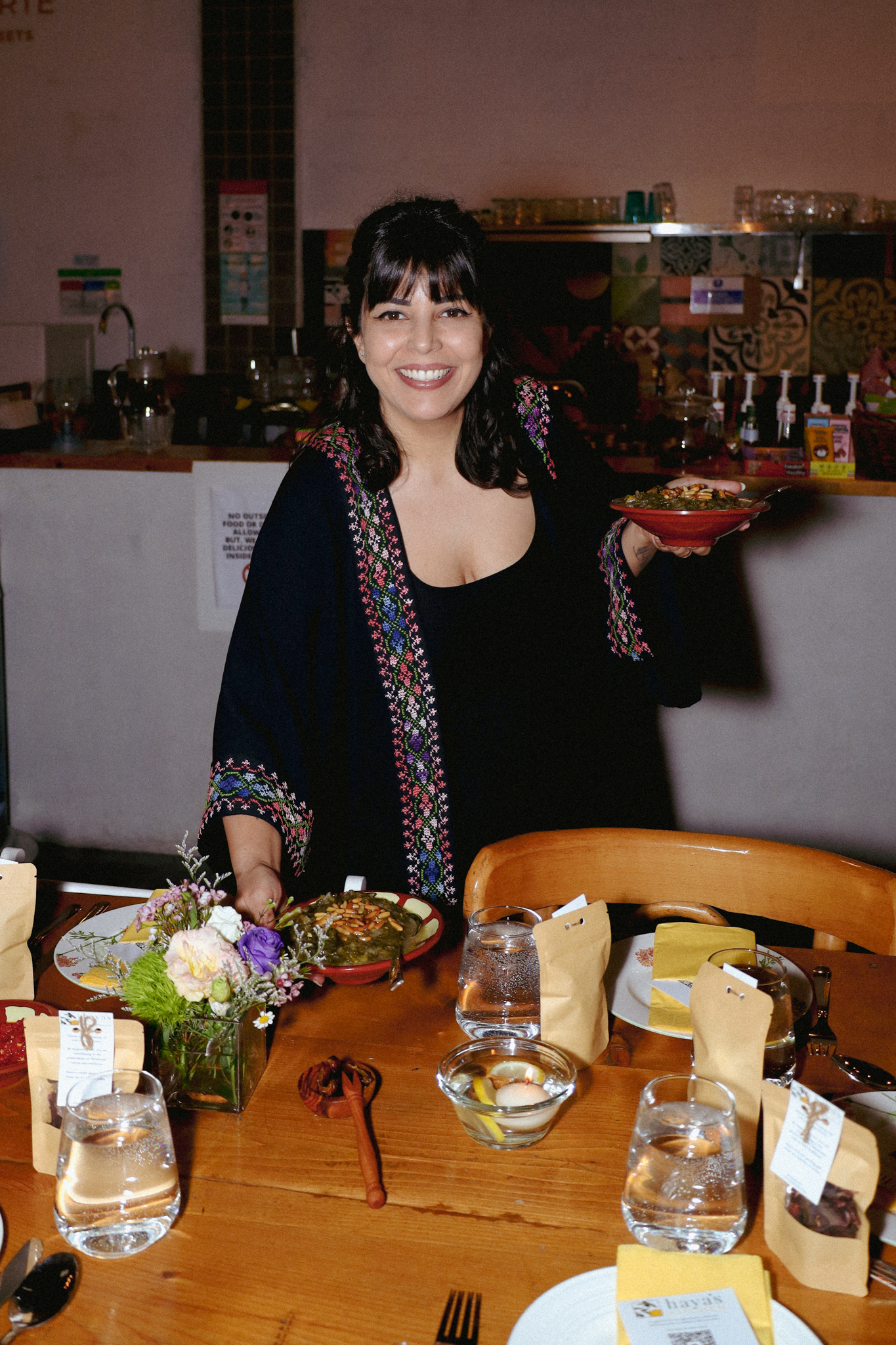
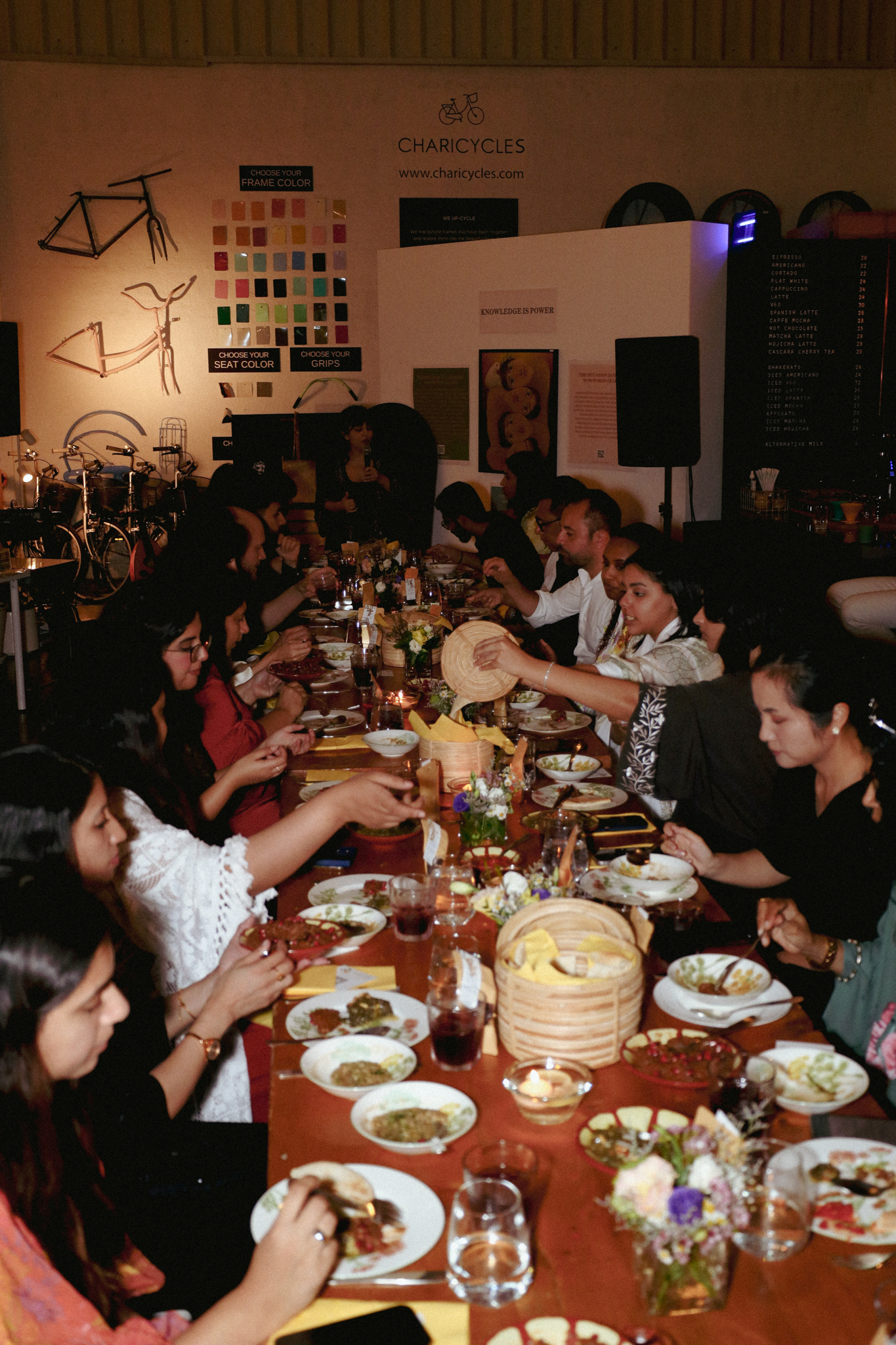
“I’ve always been inspired by the art of storytelling, the way great narration can bring people together, inspire new thinking, and foster understanding… [Qissagoi] is found in the warmth of shared meals, the weave of textile designs, and the discussions sparked by the beauty of art… Whether it’s through an immersive art installation, a handcrafted piece of bakhoor that carries memories of home, or the voices of artisans whose hands hold generations of history, QissaGoi is a celebration of the everyday.”
— Shabana Faizal, Founder of QissaGoi
If you’ve wondered: why “QissaGoi” as a name? Well, Qissagoi is, at its root: the art of the spoken story.
Qissagoi: Let’s break it down
“Qissagoi” (similar to dastangoi) is a compound born from various languages of the East. Qissa means “tale” or “story” — a word that traveled from Arabic into Persian and then into Urdu and Hindi. The second half, goi, comes from the Persian verb goftan, “to speak” or “to tell,” and acts here as a suffix meaning “the act of telling” or “one who tells.”
Put the two together and you get something close to “storytelling” or “the telling of tales” — though bear in mind that English translations have a tendency to flatten ancient languages.
Qissagoi isn’t just narration; it’s the folk tradition of oral storytelling, as craft, art, and performance.
More than entertainment
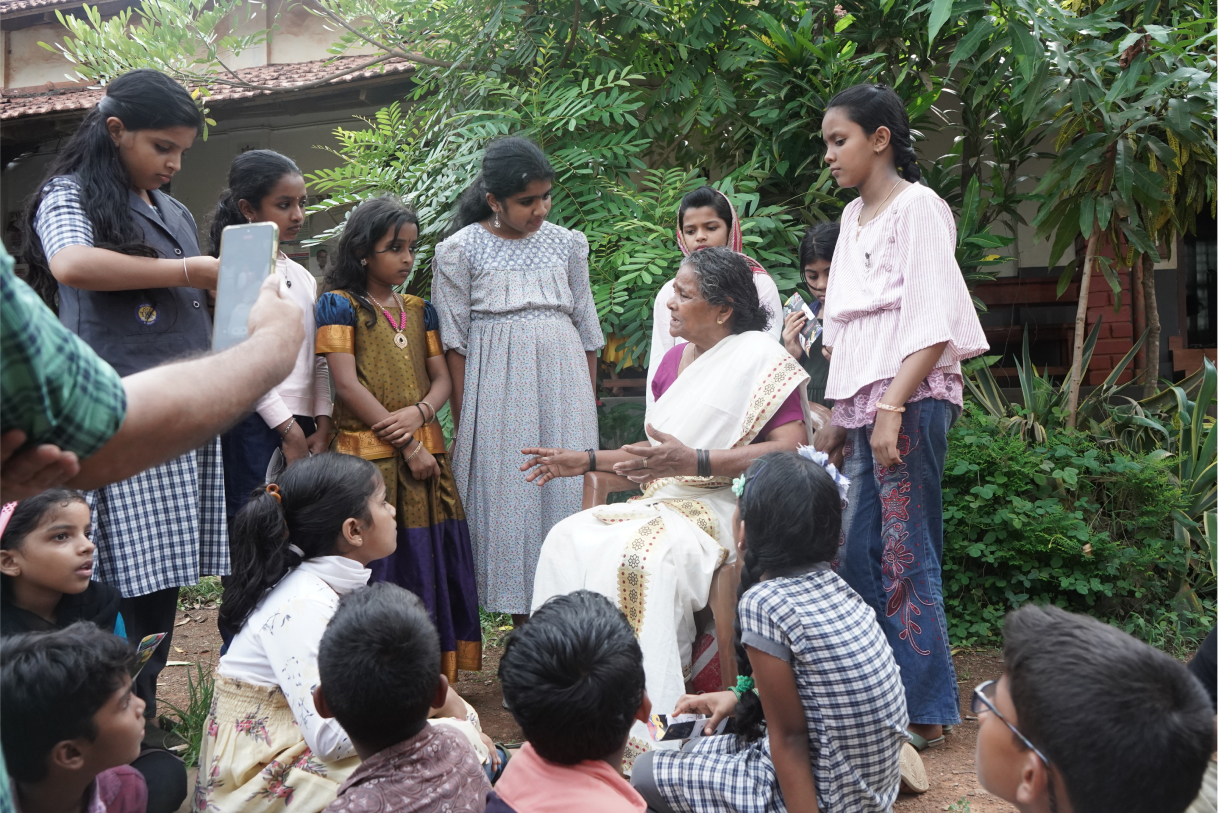
A person who practiced this craft professionally was called a qissago or qissagoh; a raconteur who held space using the power of voice and imagery, painting vivid pictures with their words and telling stories “with the burn of their heart.”
Qissagohs were prized entertainers in India and the wider Persianate world. These storytellers could spin epics, romances, and moral tales out of memory and improvisation, often over hours or even consecutive nights. Listening to a skilled qissagoh was considered an essential pleasure of courtly and social life.
Oral storytelling has always been more than just entertainment though. It’s one of the oldest tools indigenous and colonized communities have used to preserve and protect their histories.
When colonial powers banned native languages, burned manuscripts, or rewrote the historical record, voice remained: a way to carry memory and lineage across generations that no system could fully erase.
Stories that connect us
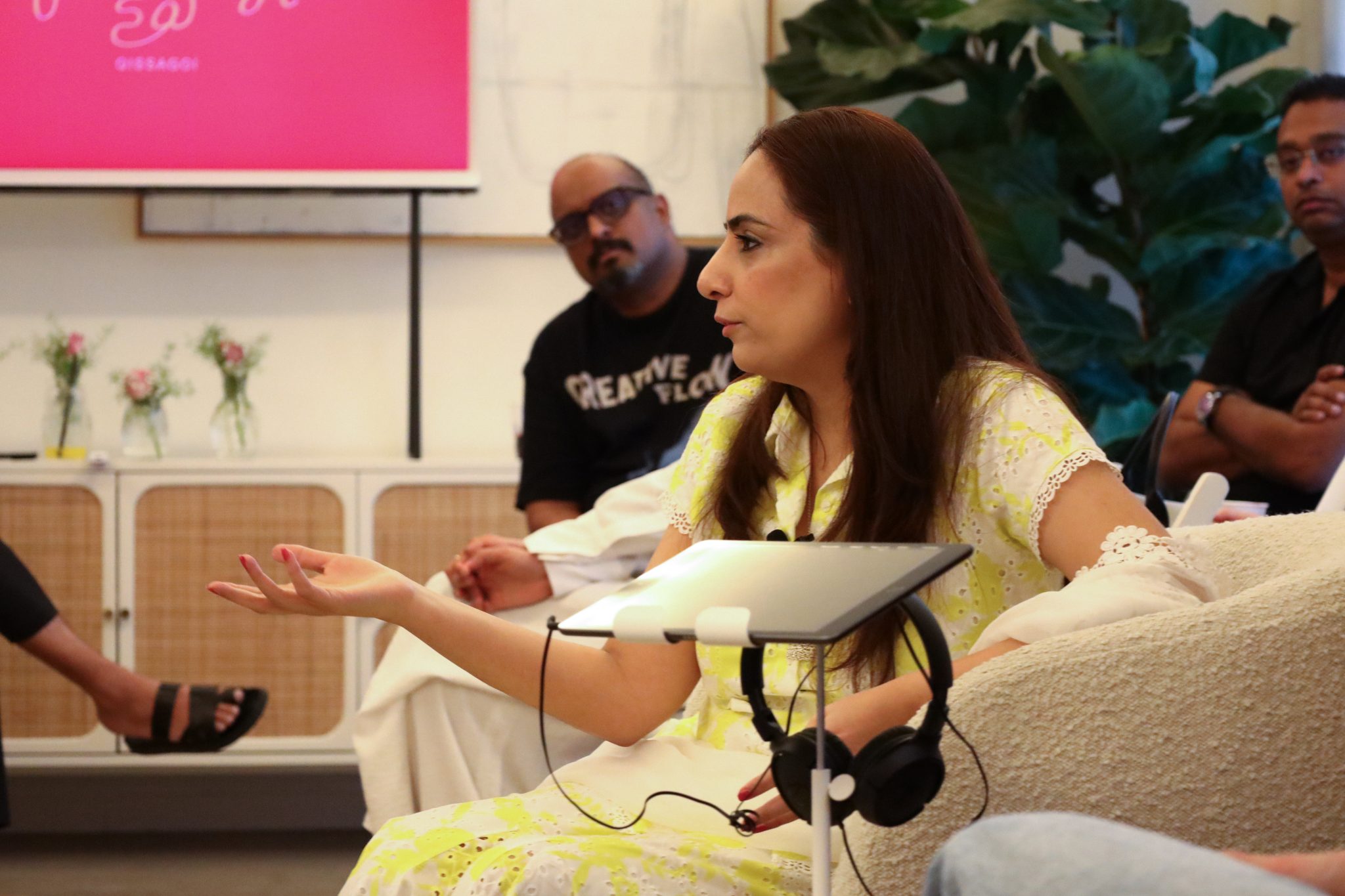
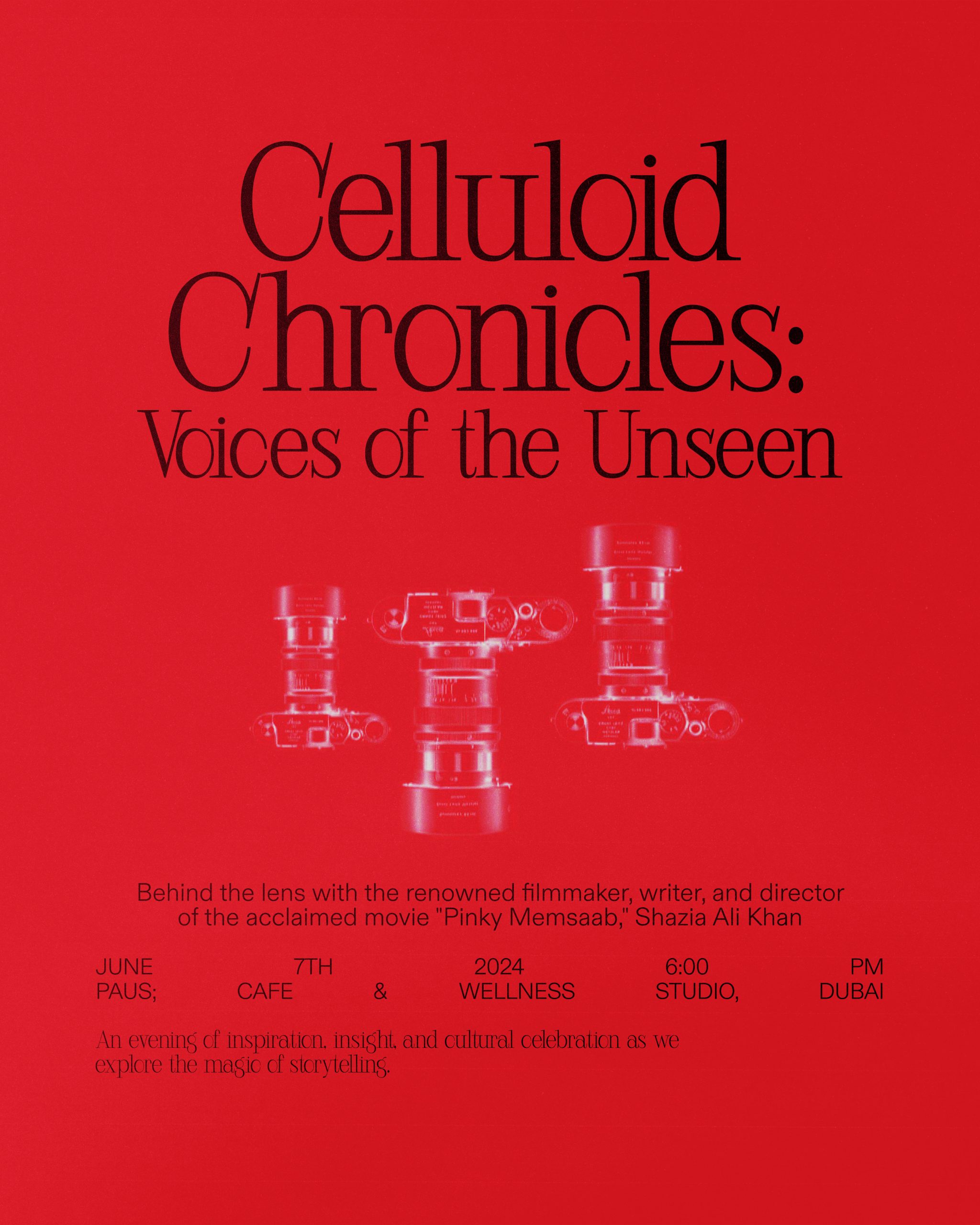
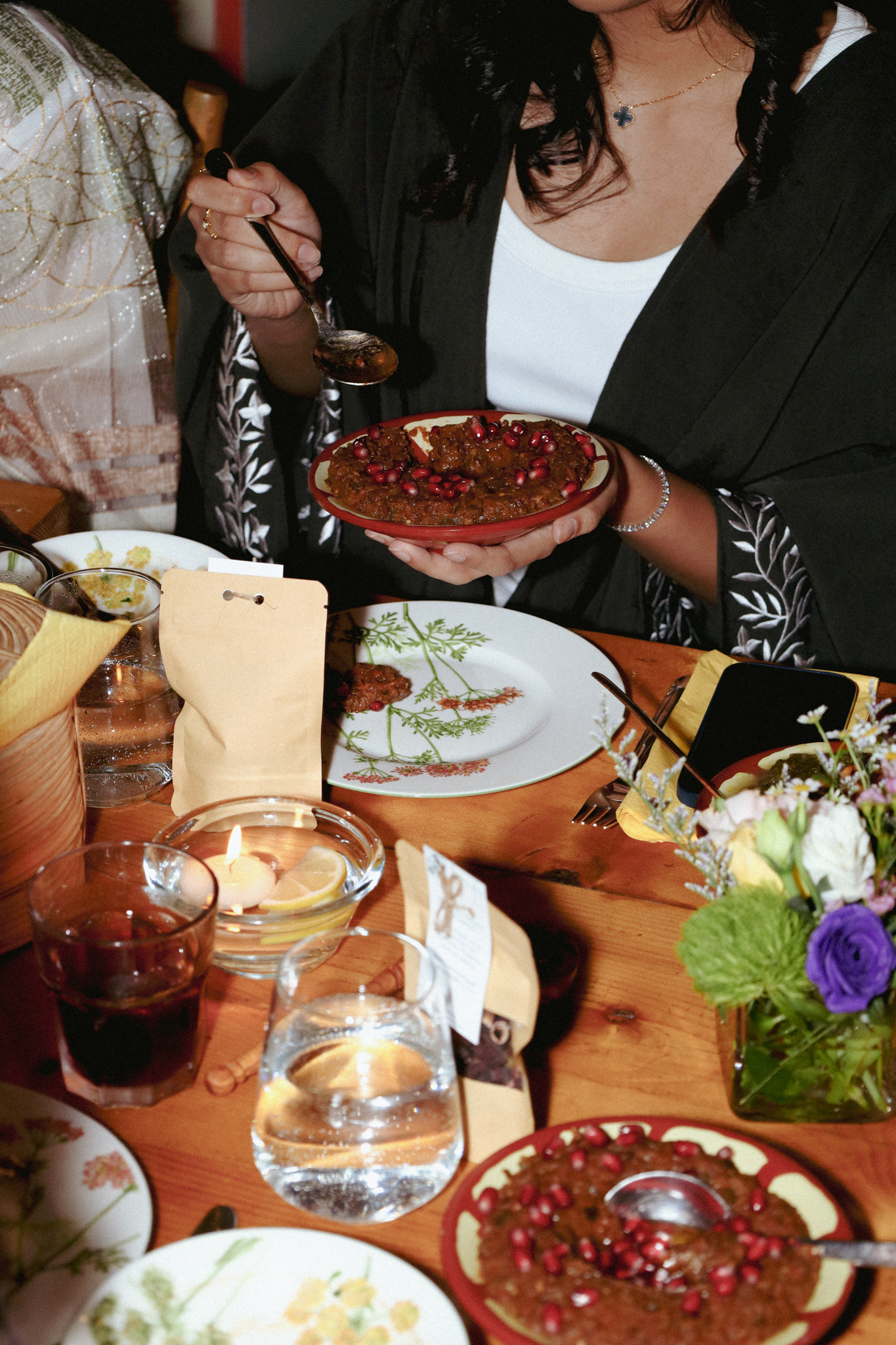
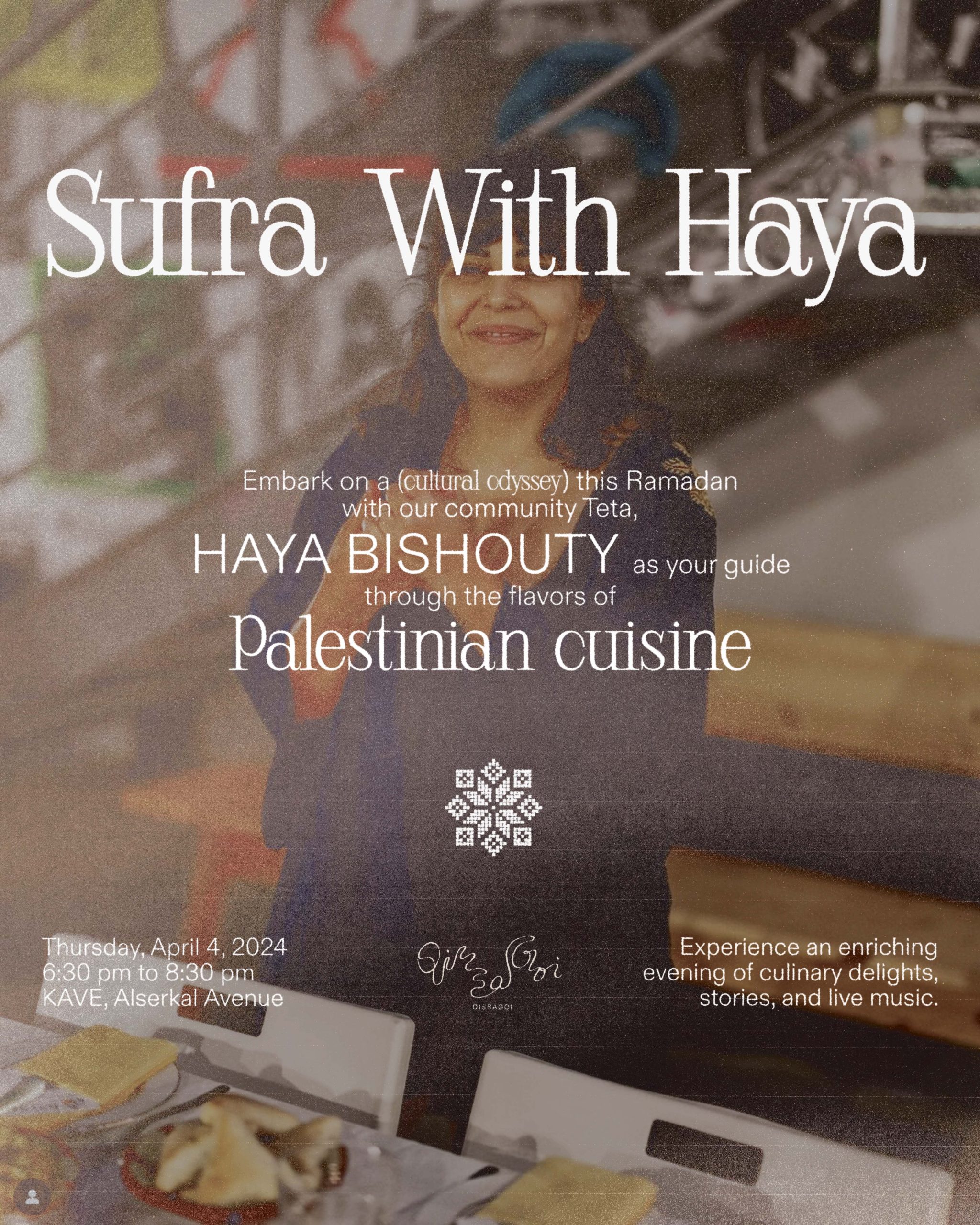
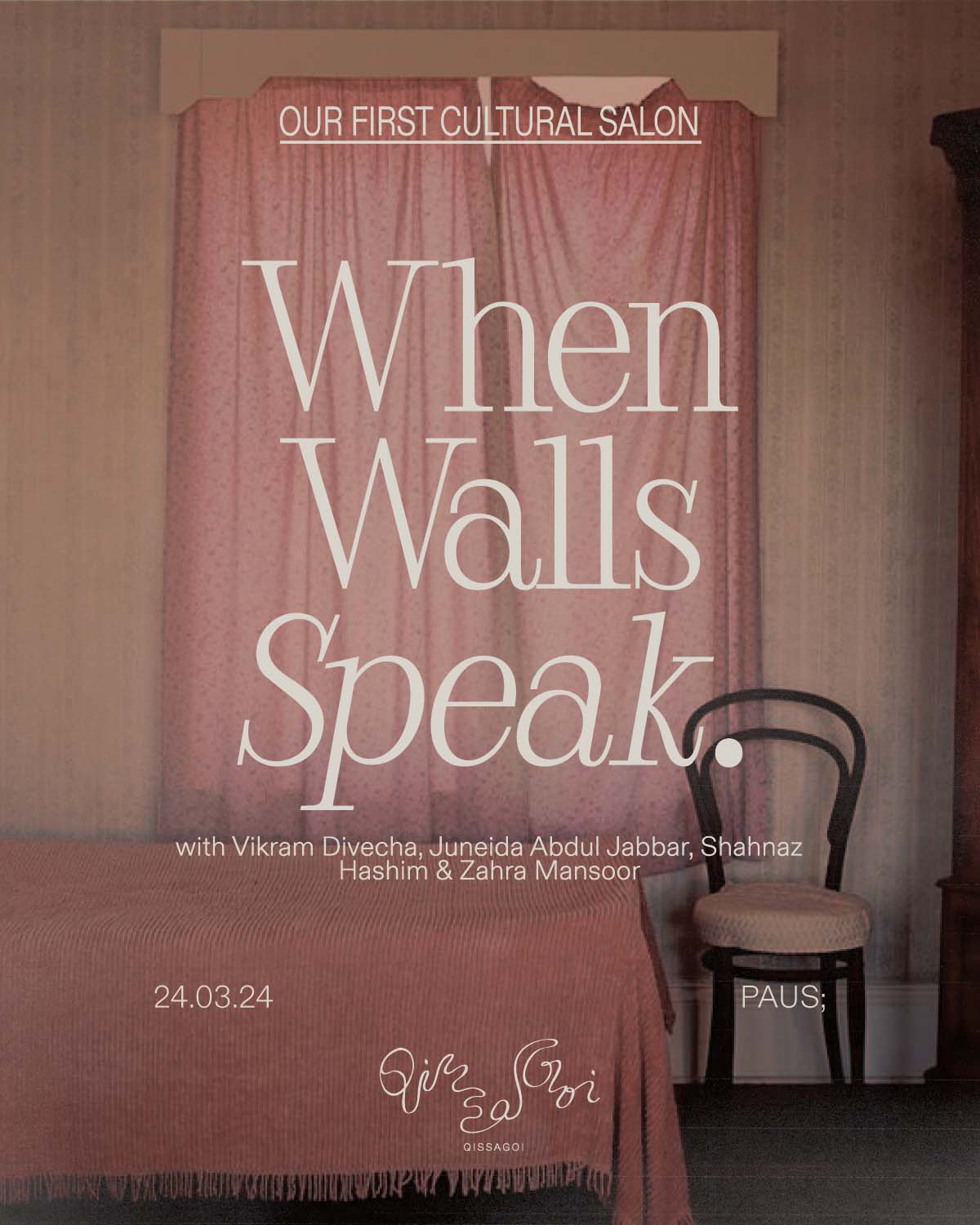
That endurance is what QissaGoi carries forward today — a community and platform built to keep Eastern stories alive and shared with the wider world. Every tale we share, every voice we help magnify, every project we build is a story that bridges worlds.
“I want to tell stories from South Asia and the Middle East,” founder Shabana Faizal explains in an interview. “This region is my home. I feel humans are connected. So what is it that connects us? That is the central question for us at QissaGoi.”
— Ghina Fahs
(Photo credit goes to respective owners)