


















































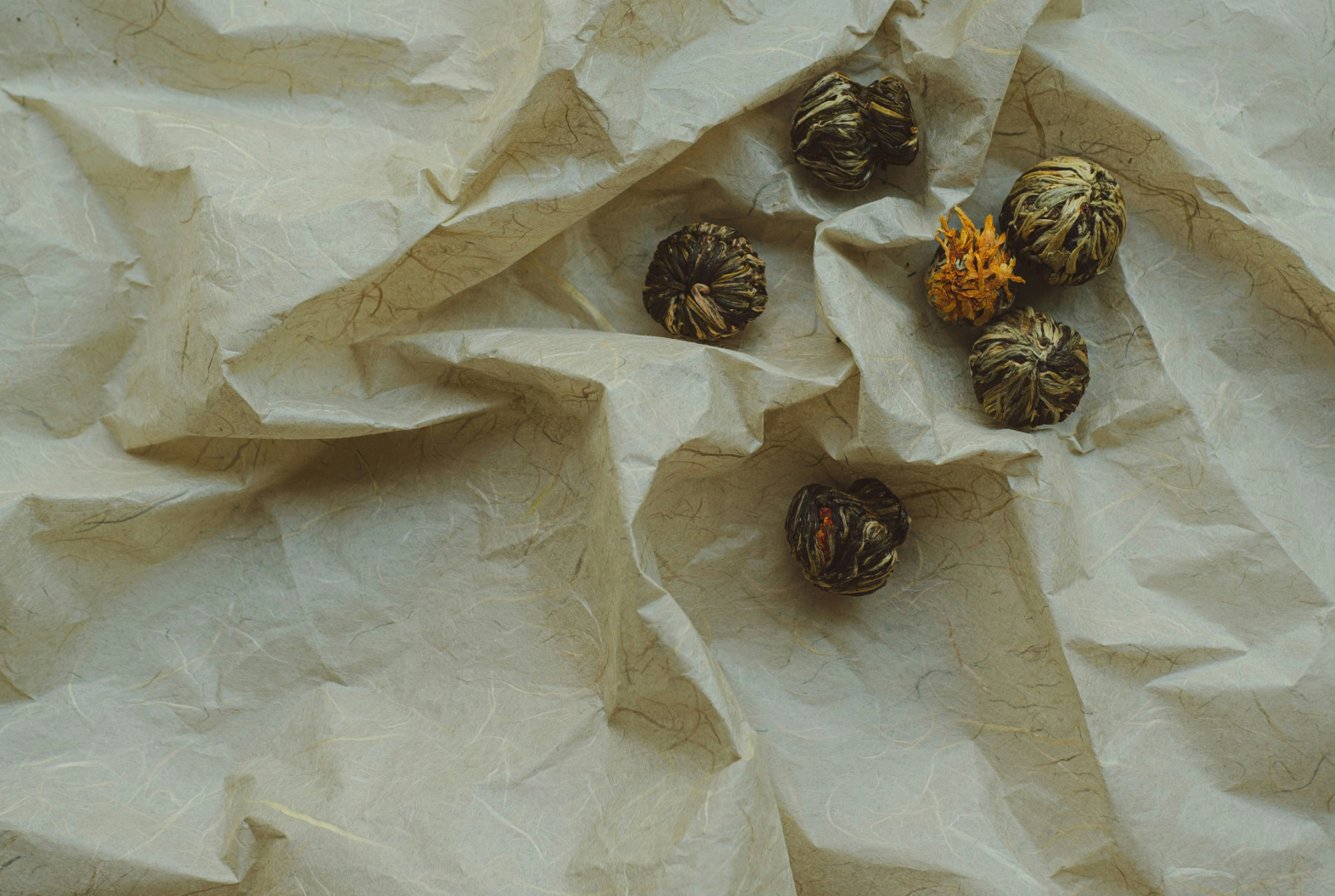






When fruit takes center stage: The magic of Sri Lankan cuisine
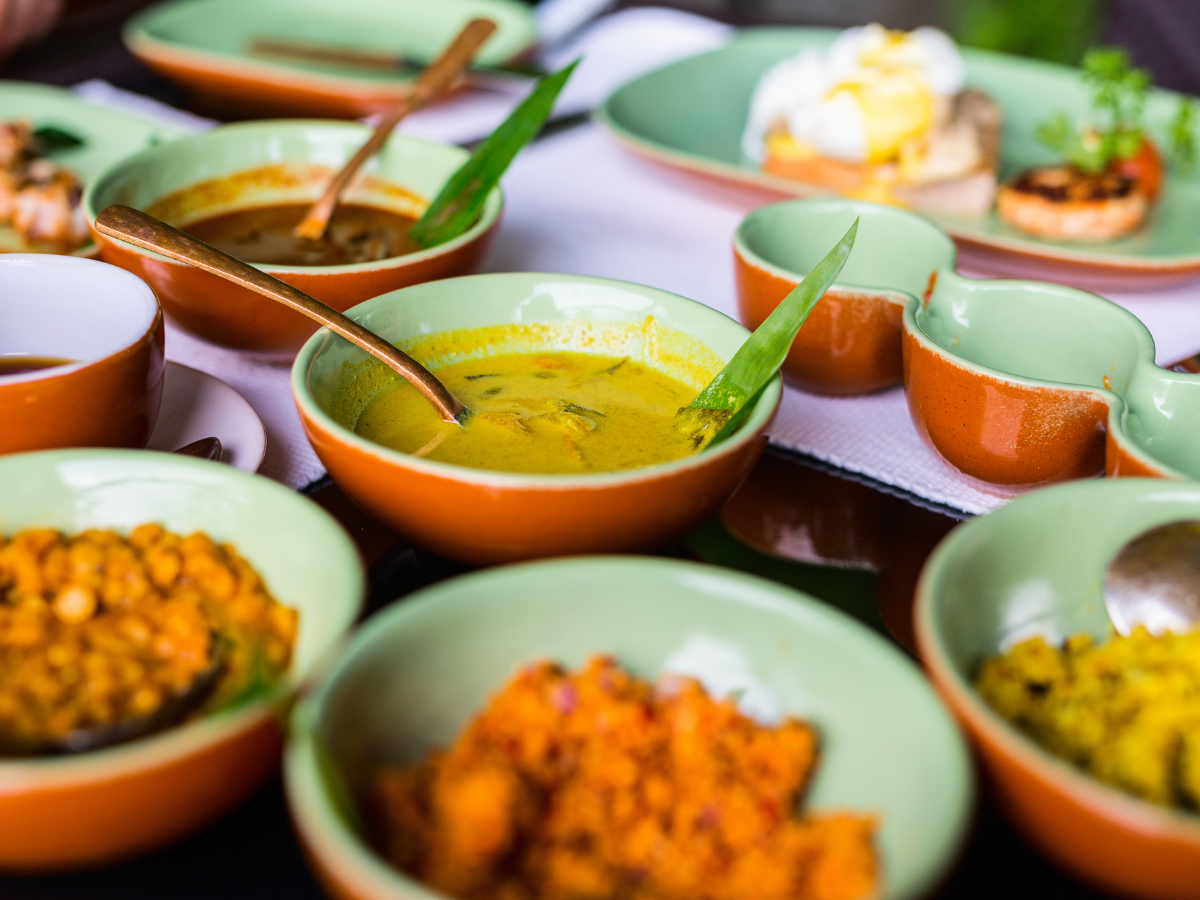
The first time I tasted a Sri Lankan mango curry at Matey Hut in Ella, Sri Lanka, I was mindblown. Instead of the sweetness I expected, the dish delivered a surprising tanginess, and rather than neat cubes, half a whole mango sat in the curry as it is, bold and unapologetic. The flavor profile was phenomenal.
That single dish opened the door to my love affair with Sri Lankan food. I became fascinated with the way fruit is so effortlessly fundamental to Sri Lankan cuisine: pineapple curries, banana flower curries, jackfruit curries, and coconut woven through everything — pol roti, pol sambol, hoppers. Having tried countless unique dishes on my travel journey across Asia, Sri Lanka’s fun, fruity dishes were some of the most memorable.
To me, fruits symbolize nature’s abundance and the sweet, nurturing care of Earth as our mother. They’re medicine for the body and pleasure for the senses, often perfect in their raw form, straight from the land. If you’ve ever tasted a truly ripe mango, you’ll know exactly what I mean.
Fruits also carry the promise of regeneration — from a single seed comes a tree gifting us with more fruit, and the cycle continues endlessly. They remind us that the nourishment of the land was always more than enough. How beautiful is that?
Let’s take a closer look at some of my personal favorite fruit-based Sri Lankan dishes.
Traditions born from the land
Typically, a country’s local cuisine develops while being heavily influenced by the regional climate, as well as what the land offers its inhabitants through its seasons, soil and trees. That, coupled with culture, creativity, and practicality, brings us the rich food experiences that so many of us roam the world for.
Sri Lanka’s tropical climate produces an incredible bounty of fruits year-round, from mangoes and pineapples to jackfruit and plantains. Rather than limiting fruit to desserts or breakfast tables, Sri Lankan cooking culture has long incorporated them into main courses, creating dishes that challenge common notions of sweet versus savory.
When you have trees heavy with ripe fruit, you find innovative ways to use them. The result is a cuisine that celebrates contrast — marrying the sweetness of tropical fruits with the complex heat of the island’s signature spice blends.
The stars of the show (click for recipes)
Amba Maluwa (Mango curry):
This dish takes advantage of both ripe and unripe mangoes in ways that transform the beloved fruit. Green mango curries deliver a sharp, tangy bite that cuts through coconut-heavy meals, while ripe mango versions offer surprising depth — just when you thought mangoes couldn’t be more perfect…
Pol Roti (Coconut flatbread):
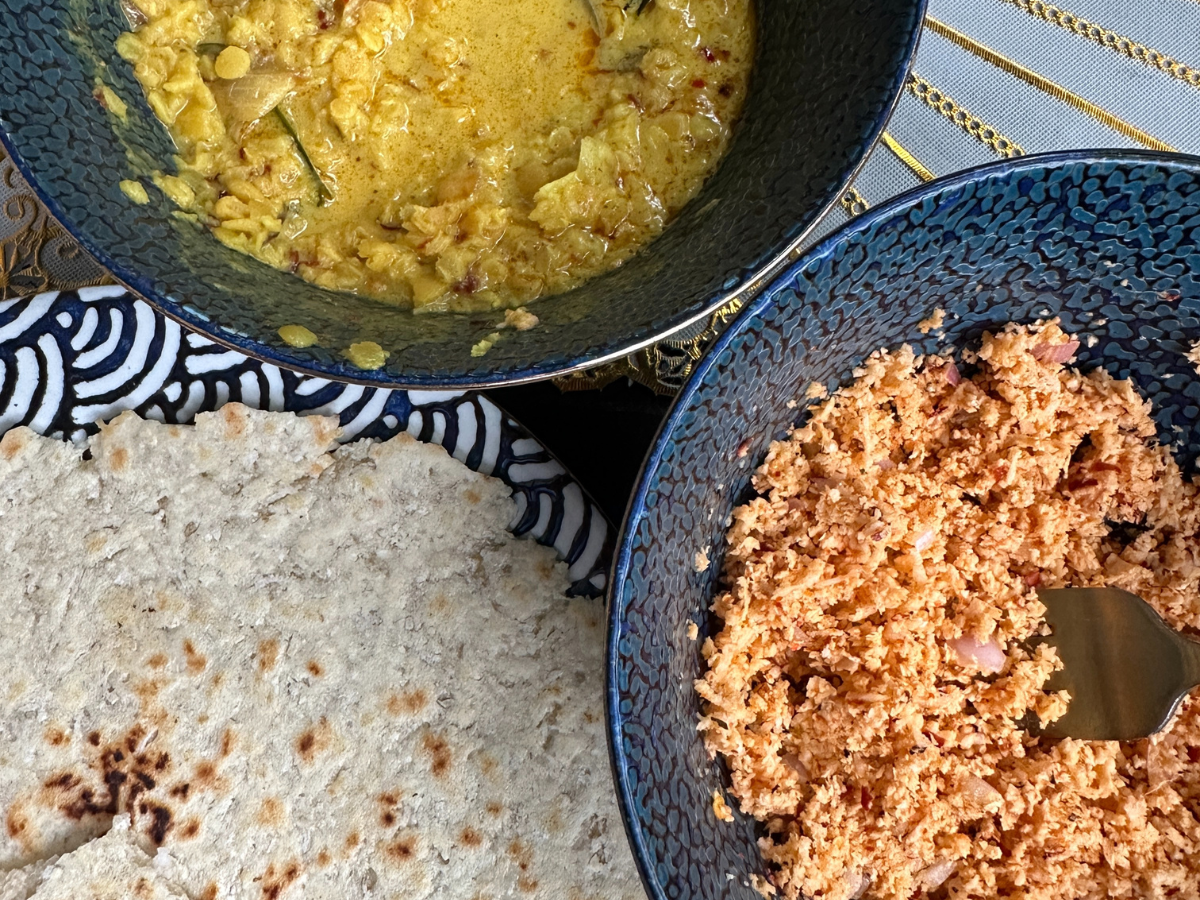
Sri Lanka’s famous coconut roti, the humble breakfast hero made from freshly grated coconut mixed into wheat flour dough, then cooked on a griddle until golden. These flatbreads are deceptively simple — just flour, coconut, and salt — but the result is something magical and you can totally enjoy them for every meal, not just breakfast. Pairing pol roti with pol sambol and yellow dal is my absolute favorite Sri Lankan trio.
Pol Sambol (Coconut condiment):
This fiery, addictive coconut relish combines freshly grated coconut with dried chilies, onion, lime juice, salt, and sometimes cured Maldive fish, all ground together. It pairs well with most traditional Sri Lankan eats — curries, rice, hoppers, string hoppers, roti — and once you try it, you’ll understand why Sri Lankans rarely have a meal without it.
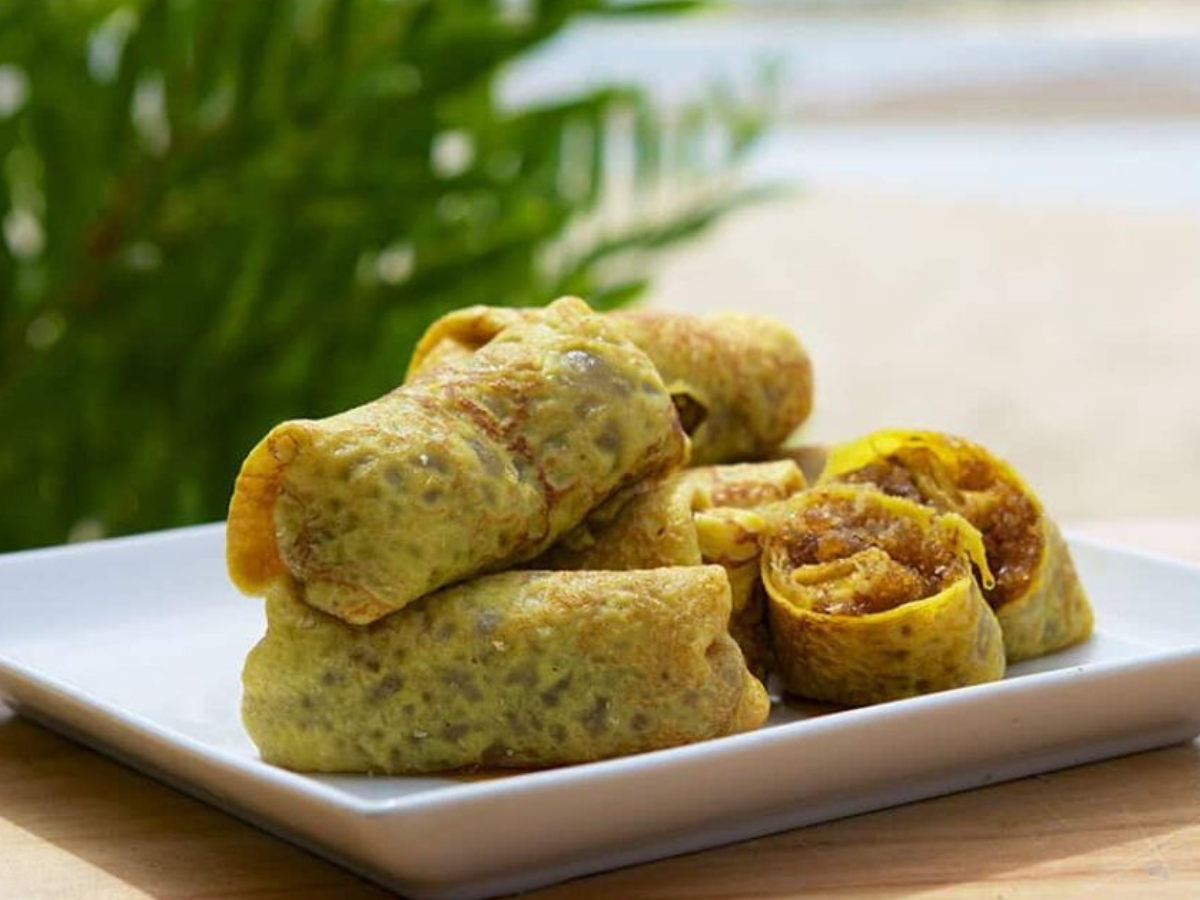
Pani ol (Coconut stuffed crepes):
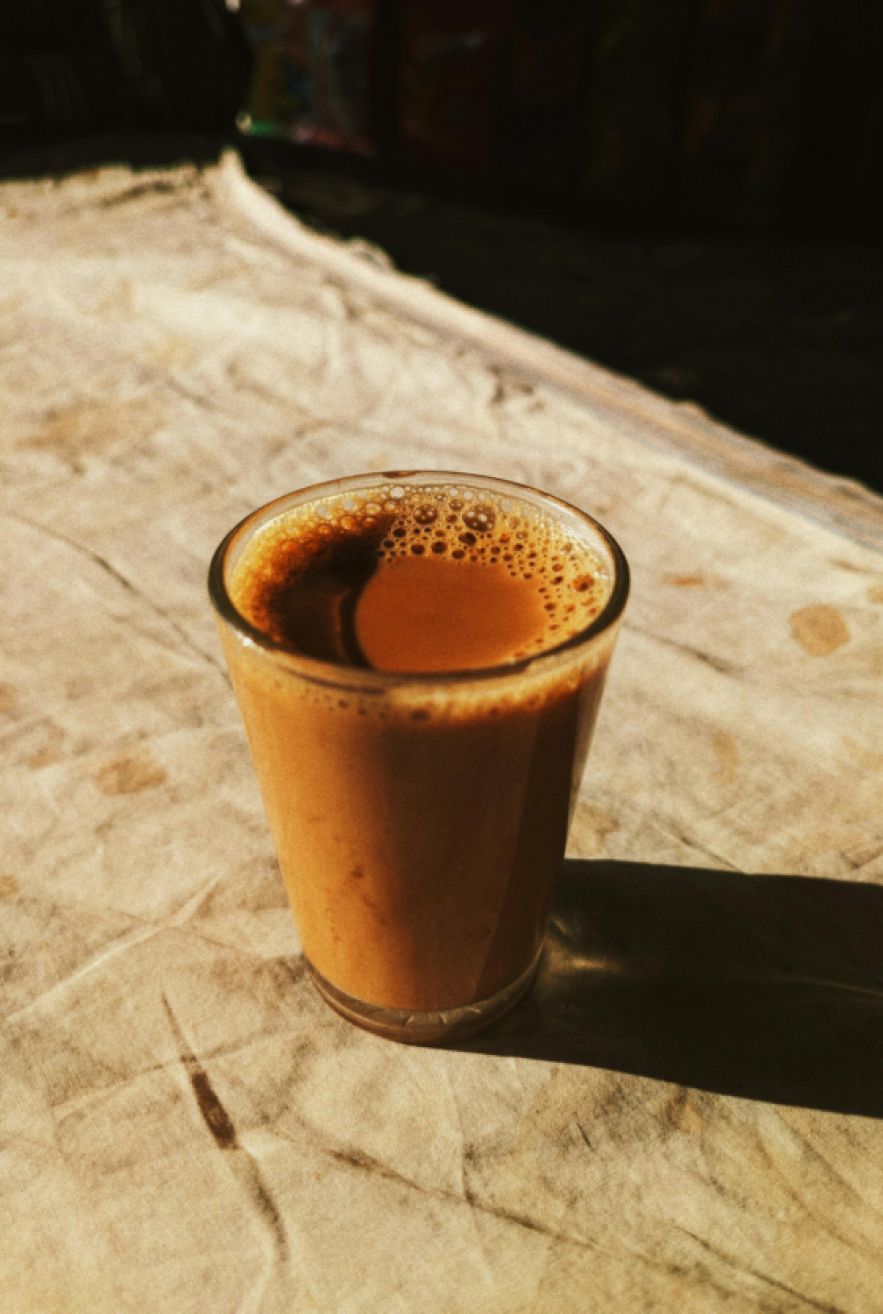
It’s not a complete food blog without something sweet. These delicate crepes are filled with a mixture of jaggery (palm sugar) and freshly grated coconut, then folded into rolls. The filling is dark, sweet, and slightly caramelized, while the crepe itself remains soft and chewy. They’re often enjoyed with Sri Lanka’s iconic Ceylon tea, a perfect example of how coconut is ever-present in Sri Lankan cuisine, from savory dishes to sweets.
Sri Lankan cuisine should be at the top of your list
If you haven’t yet experienced the magic of Sri Lankan food, I can’t recommend it enough. Whether you’re planning a trip to the island of Sri Lanka or seeking out a Sri Lankan restaurant closer to home, Sri Lankan cuisine offers an important reminder: the most extraordinary flavors often come from honoring what the land abundantly offers. True nourishment of mind, body, and soul is found when we work in harmony with our surroundings, receiving the loving soul medicine gifted to us through nature’s bounty.
— Ghina Fahs
(All photo credit goes to respective owners)