



































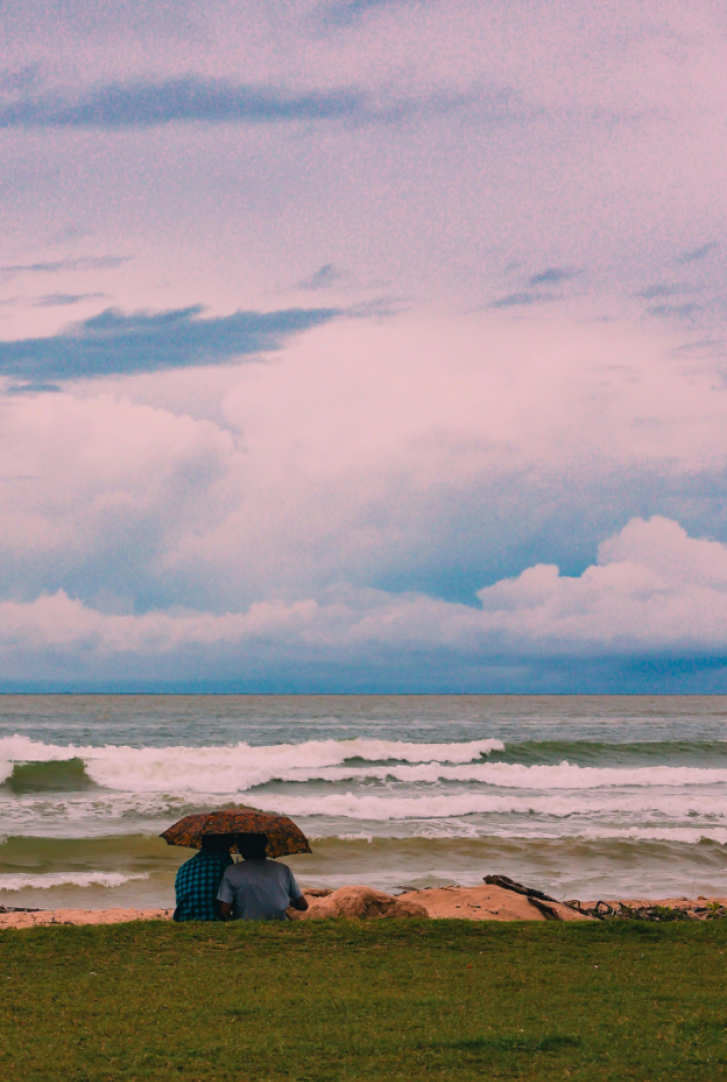









When paradise becomes a product: Lessons on conscious travel from Bali
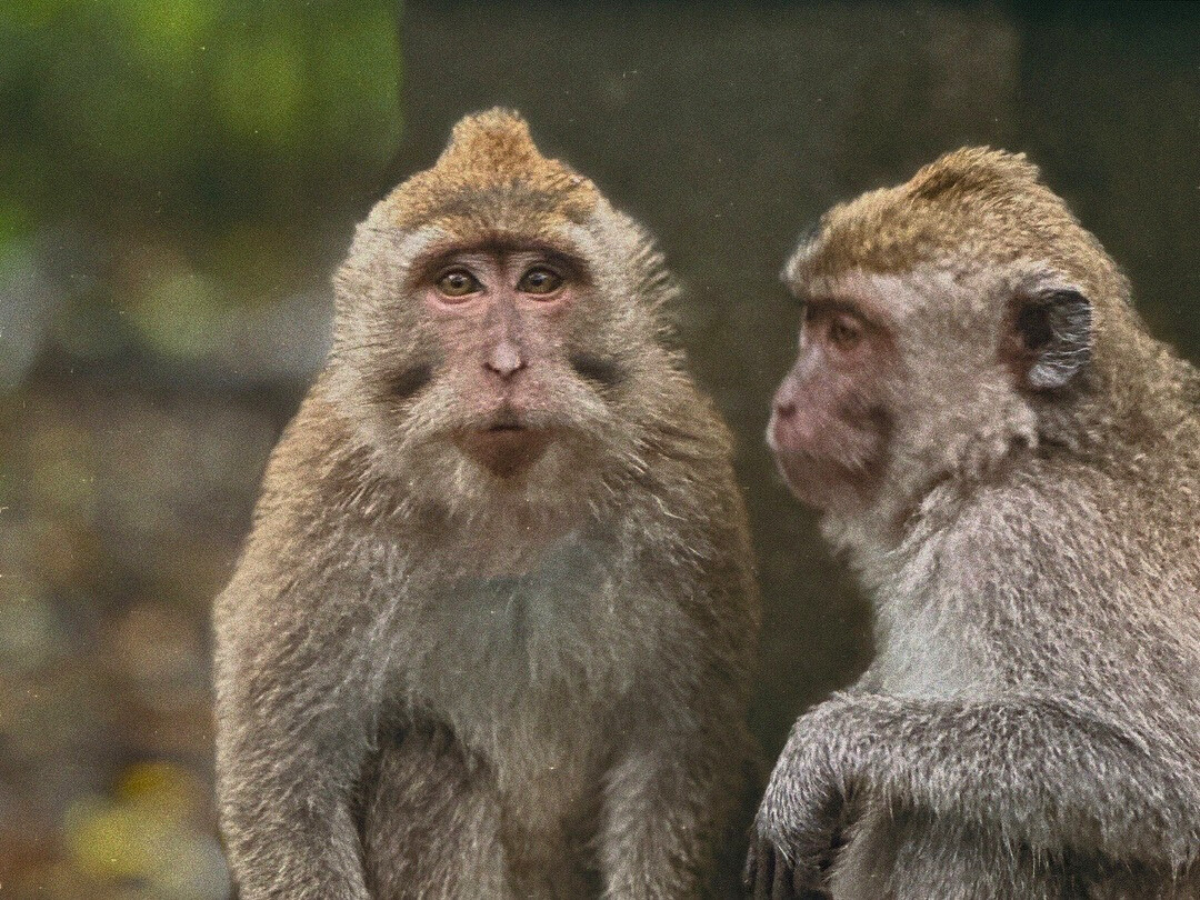
For years, I dreamt about visiting Bali, Indonesia. I’d close my eyes and visualize every detail: my feet digging into the shores of black sand beaches, listening to the soundscapes of untamed jungles, and the smell of petrichor amidst stretches of rice fields.
It may have started with Eat Pray Love, guilty as charged. Cliche as it might sound, I ate that movie like pudding and was unable to put the book down. I quickly became one of the many people around the world that romanticized Bali, longing for my own Eat Pray Love journey.
I didn’t know it yet, but I had bought into the marketing of Bali, unaware that my dream was primarily a product of what is called “touristification.”
What’s happening to Bali?
Years passed while I watched from afar as Bali rapidly became one of the world’s hottest, most “instagrammable” travel destinations. As a result, the island of Gods now faces the consequences of touristification and overtourism: when the collective presence of visitors transforms entire communities into destinations designed for consumption rather than living.
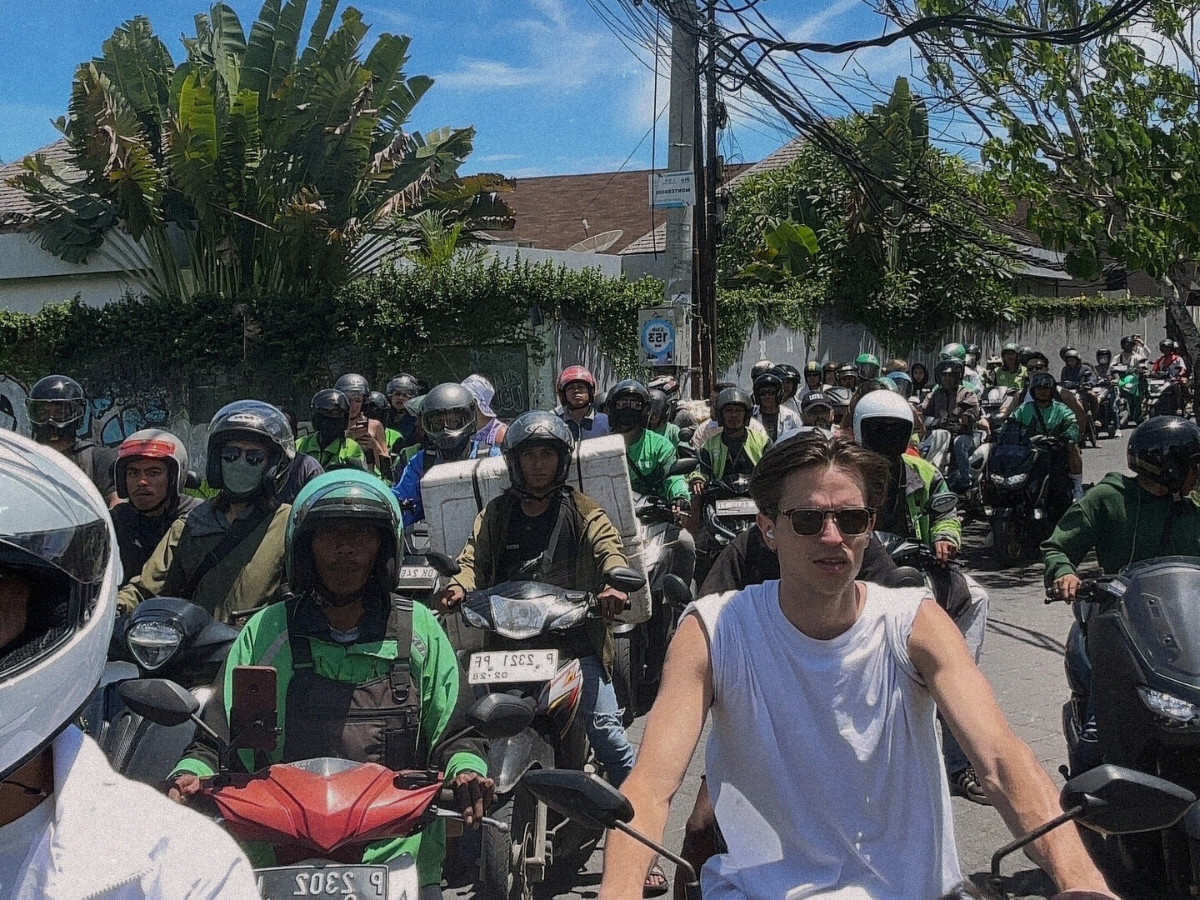
The island’s natural balance and environmental sustainability are under pressure — vast stretches of rice fields and forest are cleared for luxury villas and resorts. Flooding has worsened as land once used for farming is paved over, and many communities face water shortages as hotels and pools consume the island’s supply. Traffic jams stretch for hours due to unfit infrastructure, while trash piles up faster than waste systems can handle.
Meanwhile, profits flow mostly into foreign-owned businesses, while many Balinese locals struggle with low wages and rising living costs, unable to afford comfort in their own homeland.
Letting Bali be the mirror
The case of Bali held up a mirror and made me question my own desires. I realized I needed to take a hard look at my role in sustainable travel — I found myself grappling with difficult questions:
When did environmental strain, cultural erosion, and gentrification ever become acceptable outcomes of travel? Is any tourism ethical when it operates at this scale? Where’s the line between cultural exchange and cultural extraction?
I set the intention that no matter where I go, I will always aim to first-and-foremost understand my place as a foreign visitor within the local context, showing up responsibly, with genuine reverence and giving back where I can — only going where I know I would be truly welcomed by the people who are indigenous to the land.
But here’s the uncomfortable truth I had to confront: even my most conscious travel choices won’t necessarily undo the fact that my presence, multiplied by millions of others like me, is part of what’s transforming places like Bali from a living culture into a curated experience.
That’s what makes overtourism so insidious — people arrive with good intentions, seeking connection and healing, but the sheer numbers create the opposite effect. We come to experience a magical place, yet our arrival makes it less so.
What does conscious travel look like?
We must start with honesty about how we may be contributing to touristification and overtourism. Responsible travel isn’t necessarily about being the “perfect tourist”, it’s about awareness and catching ourselves when we fall into the trap of wanting a place to heal us, fix us, or entertain us, instead of meeting it as it is.
Conscious travel asks us to:
- Question: are foreigners welcomed by the people who actually live here, or just by the tourism industry built around them?
- Learn before we land — about local customs, sacred spaces, and environmental challenges, as well as the difference between travel that supports and travel that displaces.
- Remember our place as guests in someone’s home, a home with its own rhythms, struggles, and traditions.
- Support locally owned family businesses including accommodations, markets, and eateries. Choose experiences that give back to the community rather than drain it.
- Acknowledge that sometimes the most ethical choice might be not to visit at all.
The future of conscious travel
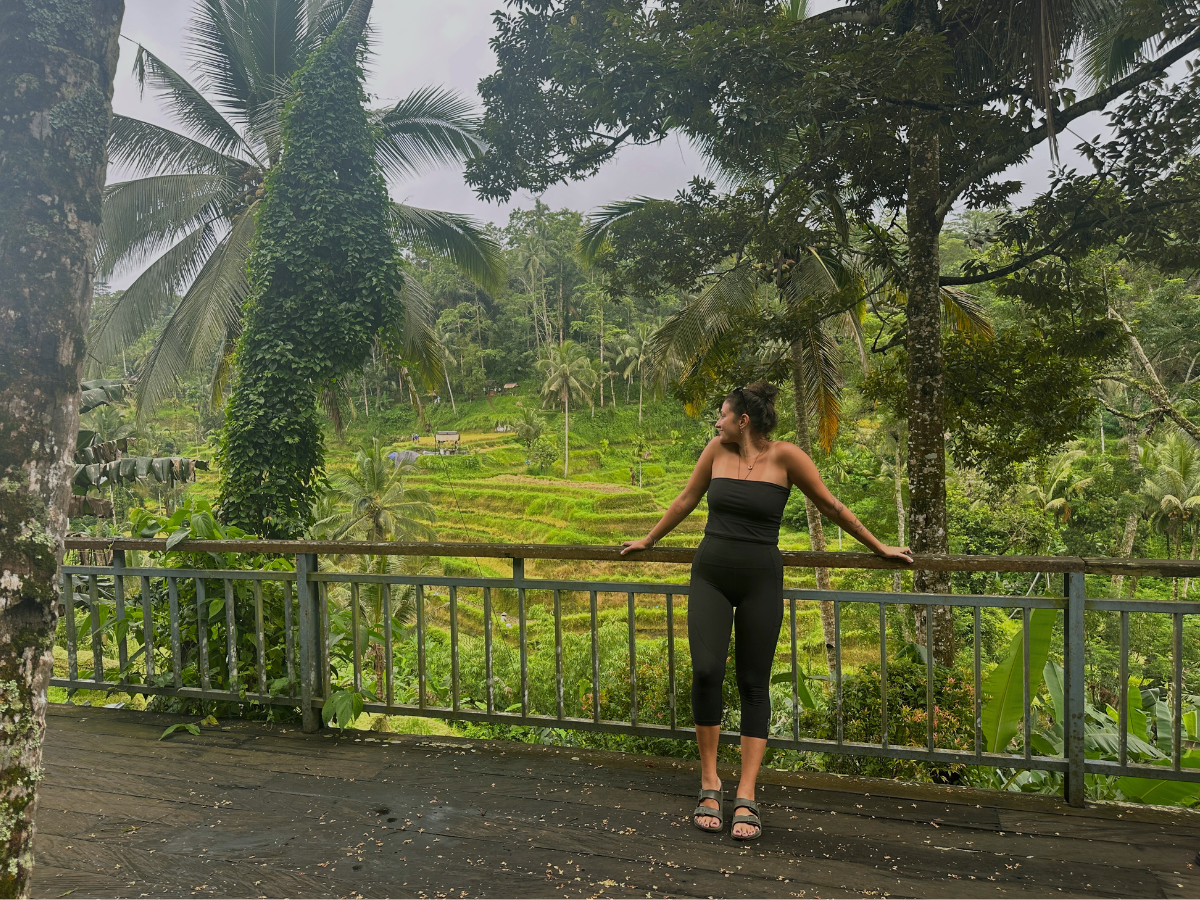
I eventually made my way to Bali, and I can confirm: the beauty of the island, its culture, and the people are exceptional. There’s no question as to why it won the hearts of so many around the world, but I also saw clearly the weight it carries: the cost of being everyone’s dream.
I realized there’s no way to travel to a place like Bali without impact. But perhaps that’s exactly the awareness we need to carry; recognizing our part in a system that transforms places simply by our presence, and sitting with what that might mean for us. Because only when we understand what we’re participating in can we begin to make choices that might, at the very least, cause less harm.
Traveling and experiencing the world is a privilege that unfortunately not everyone gets granted, so let’s make sure we’re visiting to learn and give, not to consume and extract. Arriving with a spirit of humility, curiosity, and reciprocity — honoring the land, the people, and the stories that make a place what it truly is.
And with that, may we all move through the world more consciously, ethically, responsibly, and sustainably, with reverence always at the forefront of our presence.
— Ghina Fahs