







































































Why Levantine cuisine offers so many naturally plant-based dishes
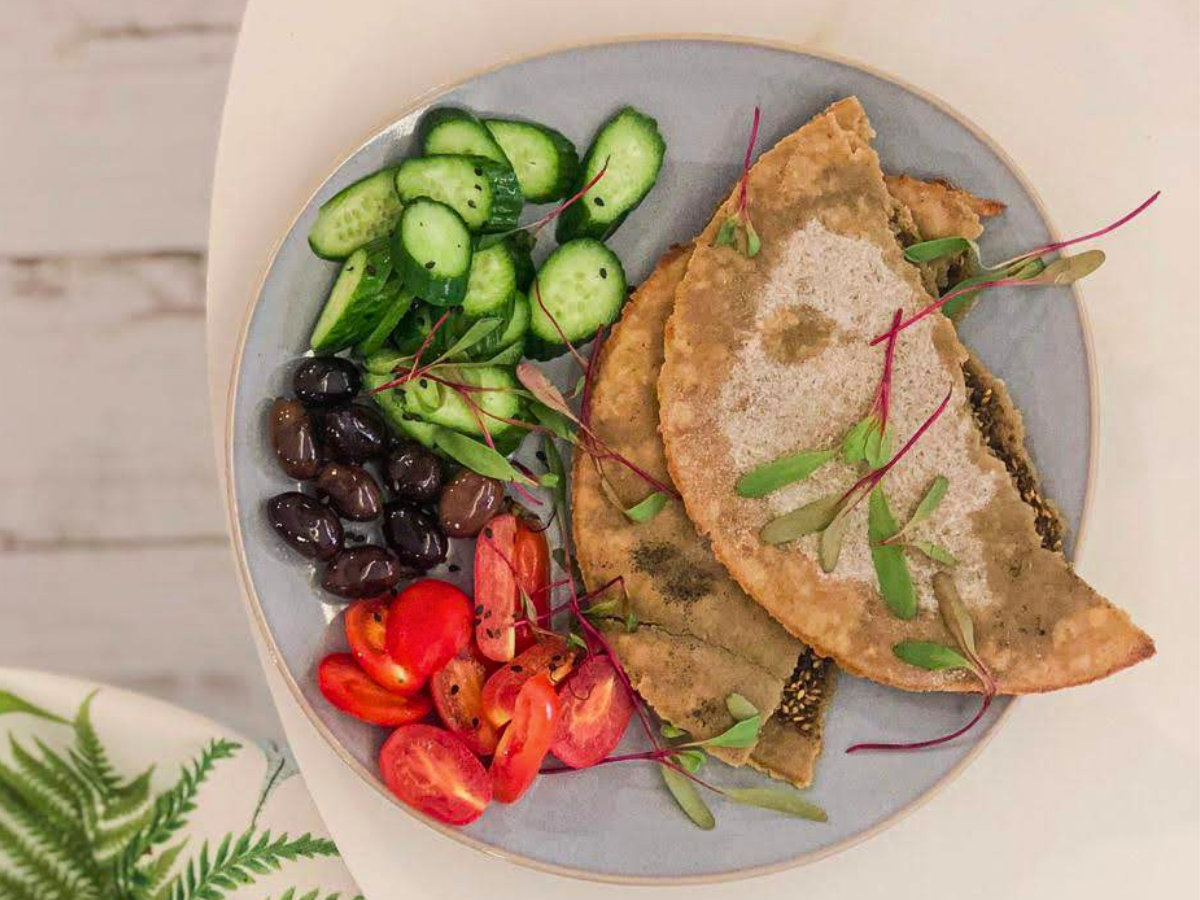
If you’ve ever had hummus, falafel, or tabbouleh, you might not realize that you’ve already tasted some of the most flavorsome, naturally plant-based dishes on Earth, hailing from the Levant. Not just Lebanon, contrary to popular belief, but the wider Levantine region as well.
While Lebanese food is arguably the most internationally famous face of Levantine cuisine, it’s actually one branch of a bigger tree. When we say Levantine cuisine, we’re mainly referring to the Arabic-speaking countries along the eastern Mediterranean coast — around Lebanon, Syria, Palestine, Jordan. These food cultures share so much overlap in ingredients, technique, and history that in the context of this blog post, it makes more sense to talk about them as one tradition than to keep them separated.
With that said, here’s why the Levant is home to some of the healthiest, most delicious vegetarian and vegan-friendly dishes.
The geography of the Levant
The Levant sits on a Mediterranean coastline with a climate that ranges from arid in the south to a wetter, coastal Mediterranean climate in the north, and that diversity happens to be ideal for exactly the ingredients that anchor the cuisine.
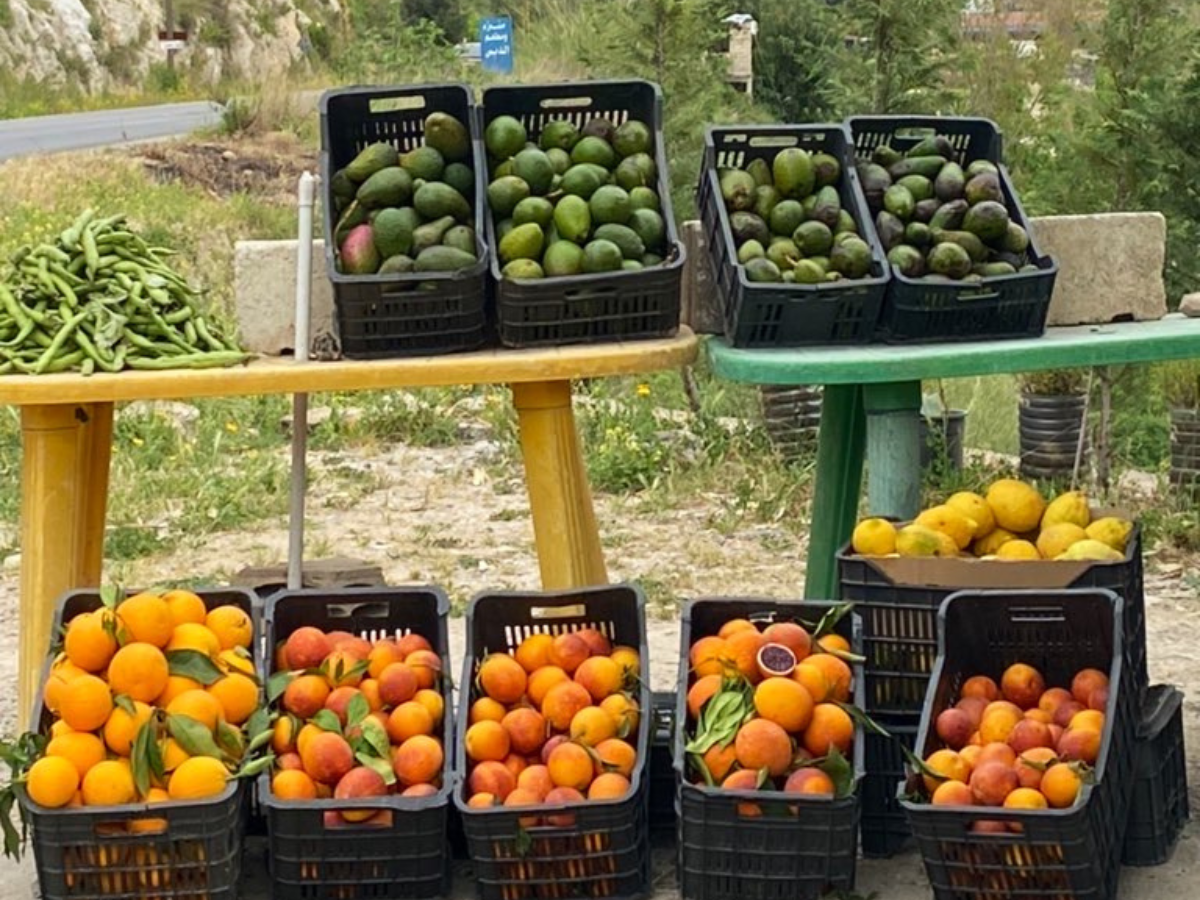
So, what life-giving gifts does this kind of lush and varied agriculture bear? The coastal strip of the Levant is generous with what it produces. Citrus groves; oranges, lemons, mandarins, thrive across the Lebanese and Syrian coast, alongside grapes, figs, pomegranates, stone fruits like apricots and peaches, and more. And olive trees, of course, are the heart of Levantine cuisine, both as fruit and as oil.
On the vegetable side, eggplant is a staple in Levantine cooking, joined by tomatoes, cucumbers, peppers, zucchini, and leafy greens like chard and mallow. Add in the abundance of legumes such as chickpeas, fava beans, and lentils, and you’ve already got plenty of Levantine recipes to work with!
Around Jordan or the more arid stretches of the region, you’ll find crops like dates and drought-tolerant olives, which is part of why coastal Levantine cooking and desert Bedouin cooking will have different characteristics despite sharing the same broader food culture.
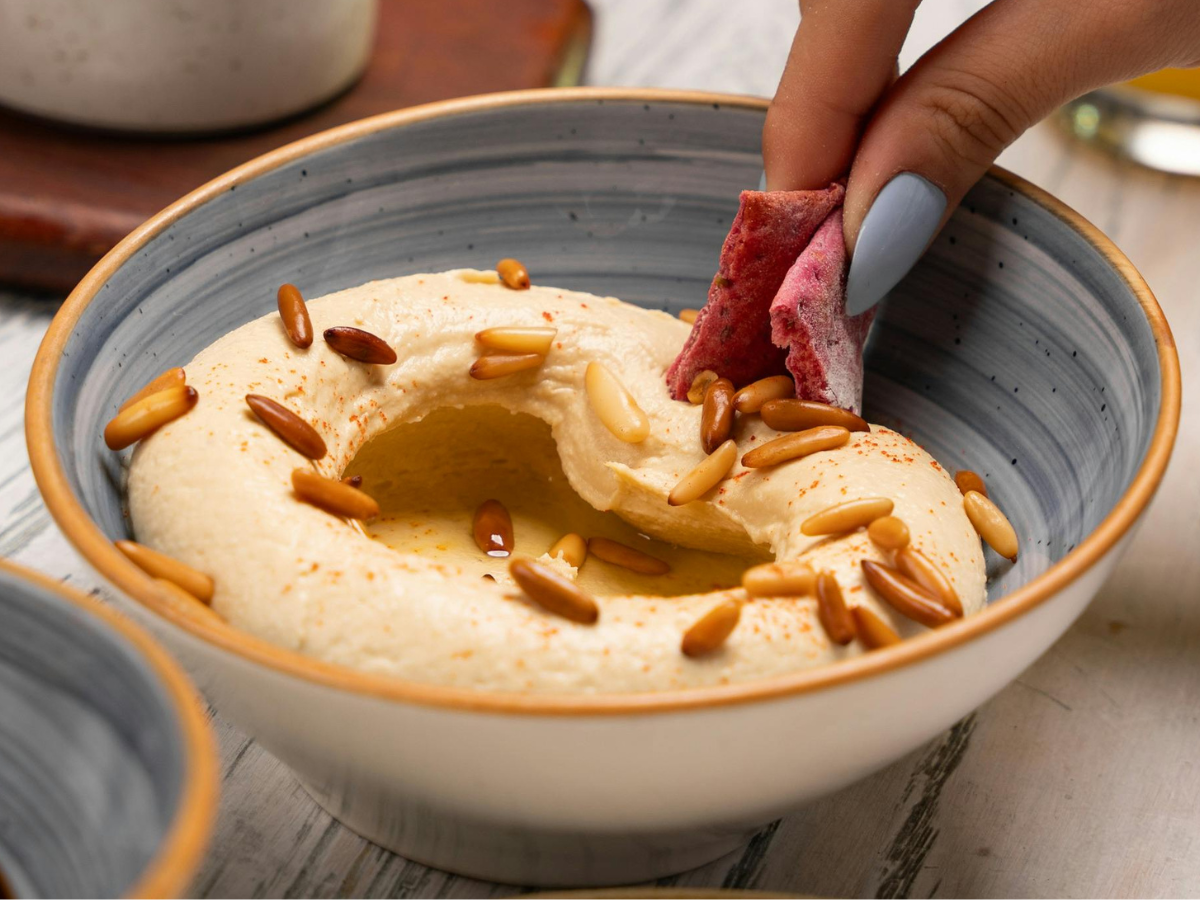
Plant-based by nature
A lot of modern “plant-based” dishes in other parts of the world are a redesign of the times — for example, meat dishes reimagined without the meat, or with a soy-based alternative, or with a newly invented meat-wannabe.
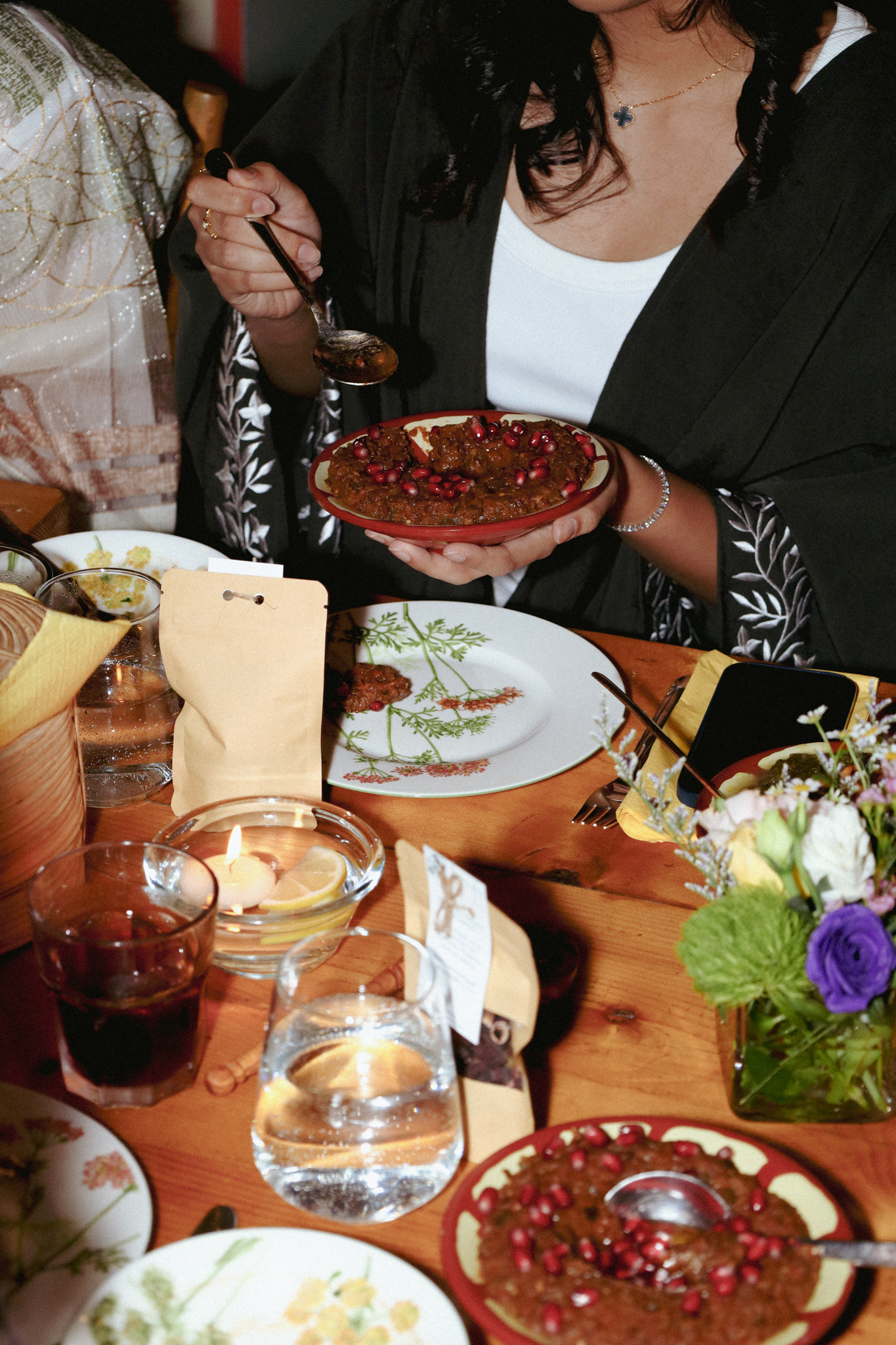
Levantine food, on the other hand, already has lots of dishes that don’t need to be redesigned. Beyond the popular hummus, falafel, and tabbouleh, there’s also mujaddara / mudardara (lentils and rice with caramelized onions), foul medames (stewed fava beans), muhammara (roasted red pepper and pomegranate dip), batata harra (spicy potato cubes), manakish (flatbread with cheese, zaatar, or kishk) and many more delicious dishes that weren’t built around meat to begin with.
As Alternative Kitchen points out, this naturally vegetarian-friendly cuisine is a product of centuries of sustainable, plant-forward eating rather than a modern adaptation of meat dishes.
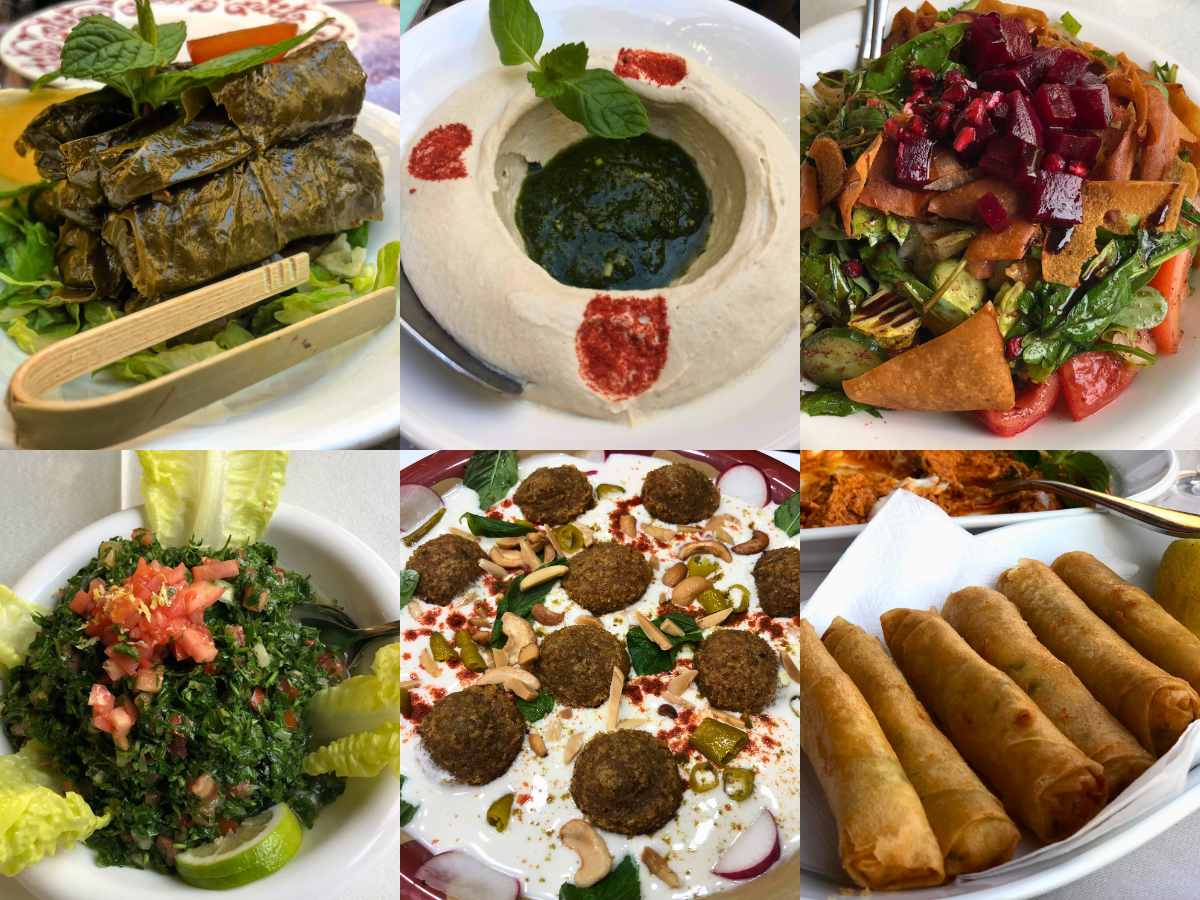
The mezze format
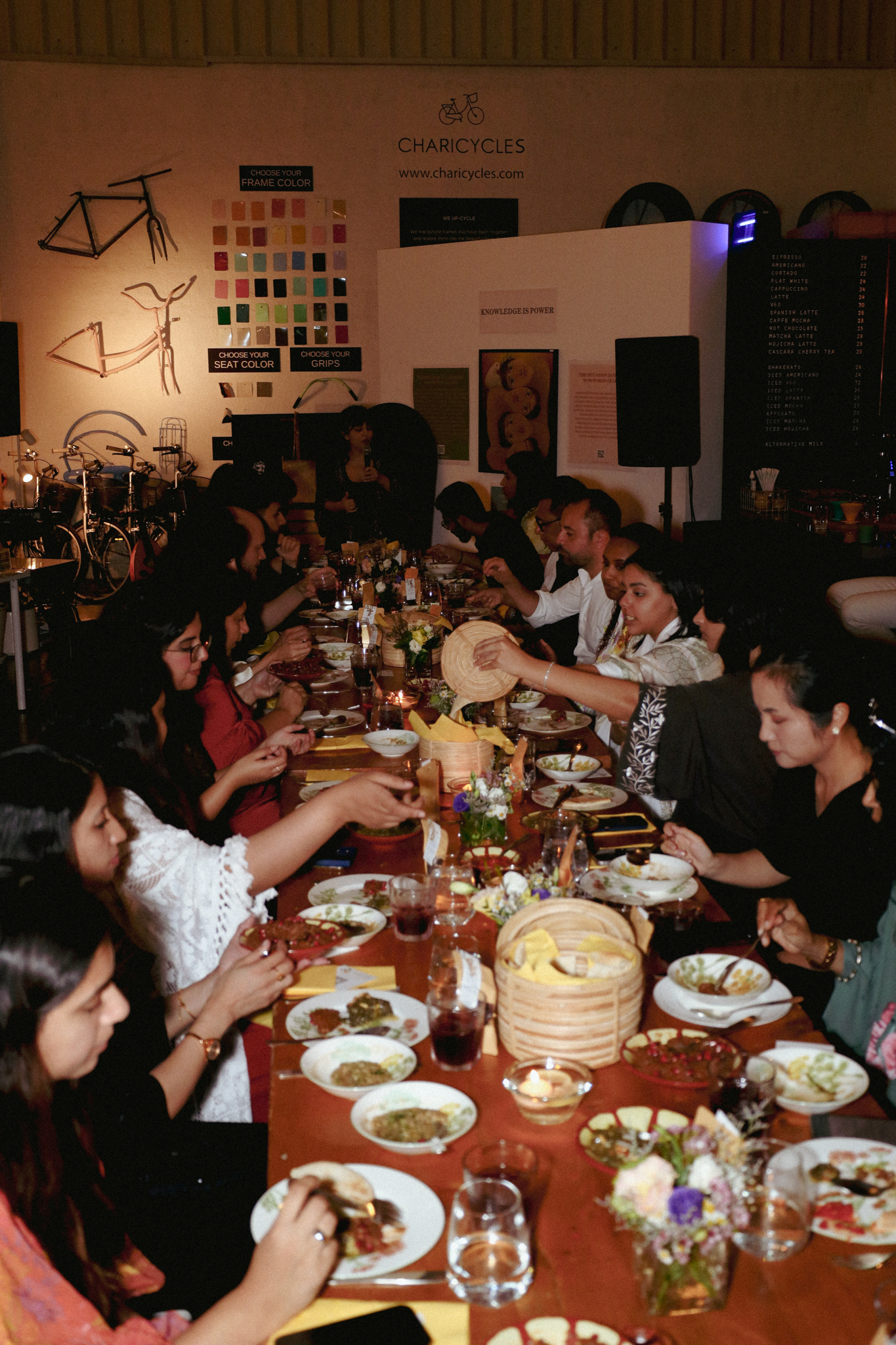
One thing about Levantine cuisine is that it’s all about sharing. Meals usually start with a spread of small plates called mezze, before moving on to the mains or barbecue spread. A big chunk of mezze plates are plant-based by default, and sometimes, the mezze are so delicious and filling on their own that we skip the mains and end the meal there!
One guide to the cuisine breaks a complete mezze layout down into five elements: a creamy dip, a smoky roasted component, a fresh herb salad, warm bread, and a legume dish. Put together, that combination alone covers all essential amino acids, plenty of fiber, and the polyphenols found in olive oil and sumac — a nutritionally complete and colorful vegetarian or vegan meal by default.
The full spectrum
That’s not to say that Levantine cuisine isn’t carnivorous either. On the other side of the spectrum, you’ll find numerous dishes centered around animal protein, from raw kibbeh meat to slow-roasted chicken or lamb shawarma, hearty meat-and-rice dishes like maqluba or mansaf, rich stews that pair meats with vegetables and legumes like mloukhieh or bamia, and the popular barbecue highlights including kafta and shish taouk.
Meats are still an important part of the cuisine — they’re just not the only center of gravity, and that’s precisely what makes Levantine food so easy to enjoy from either direction, vegetarian or not.
This is a cuisine that’s been plant-forward for thousands of years. The next time someone frames vegan or vegetarian foods as bland or restrictive, take them to a Lebanese restaurant (or an Indian one, but that’s a blog post for another time)!
— Ghina F.