


















Ziad Rahbani and the dance of art and politics
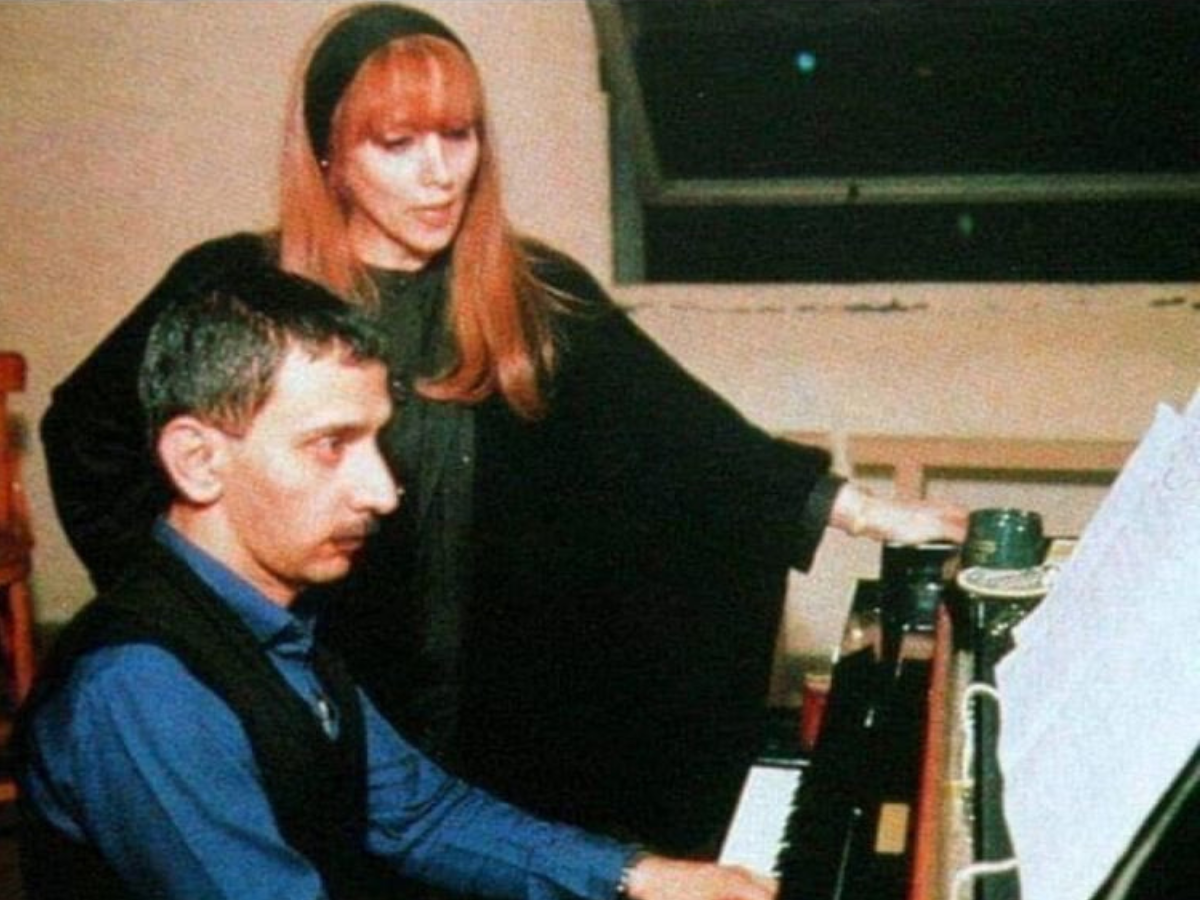
Imagine having breakfast in Beirut, with the view of mountain peaks watching over the Mediterranean sea. Before you is a table filled with zaatar, labneh, and olives… Click here and listen closely to the song that serenades you in the background.
Ziad Rahbani is a name that lives at the heart of what it means to be Lebanese. To speak of him is to speak of Lebanon itself — its laughter and heartbreak, beauty and chaos.
As the son of Fairuz, the eternal voice of morning in every Lebanese household, Ziad was born from and into the world of Levantine art. Where Fairuz carried timeless nostalgia and hope, giving voice to a dream, Ziad carried irony and truth, giving voice to the disillusionment that followed.
Through jazz-infused melodies and biting satire, Ziad held up a mirror to society, unafraid of exposing its cracks. His voice carried beyond Lebanon’s borders, echoing across the Levantine region and further still, giving shape to frustrations that felt both local and universal.
Ziad Rahbani passed away on July 26, 2025. This piece honors his enduring legacy as an artist who captured the struggles and spirit of the Levant.
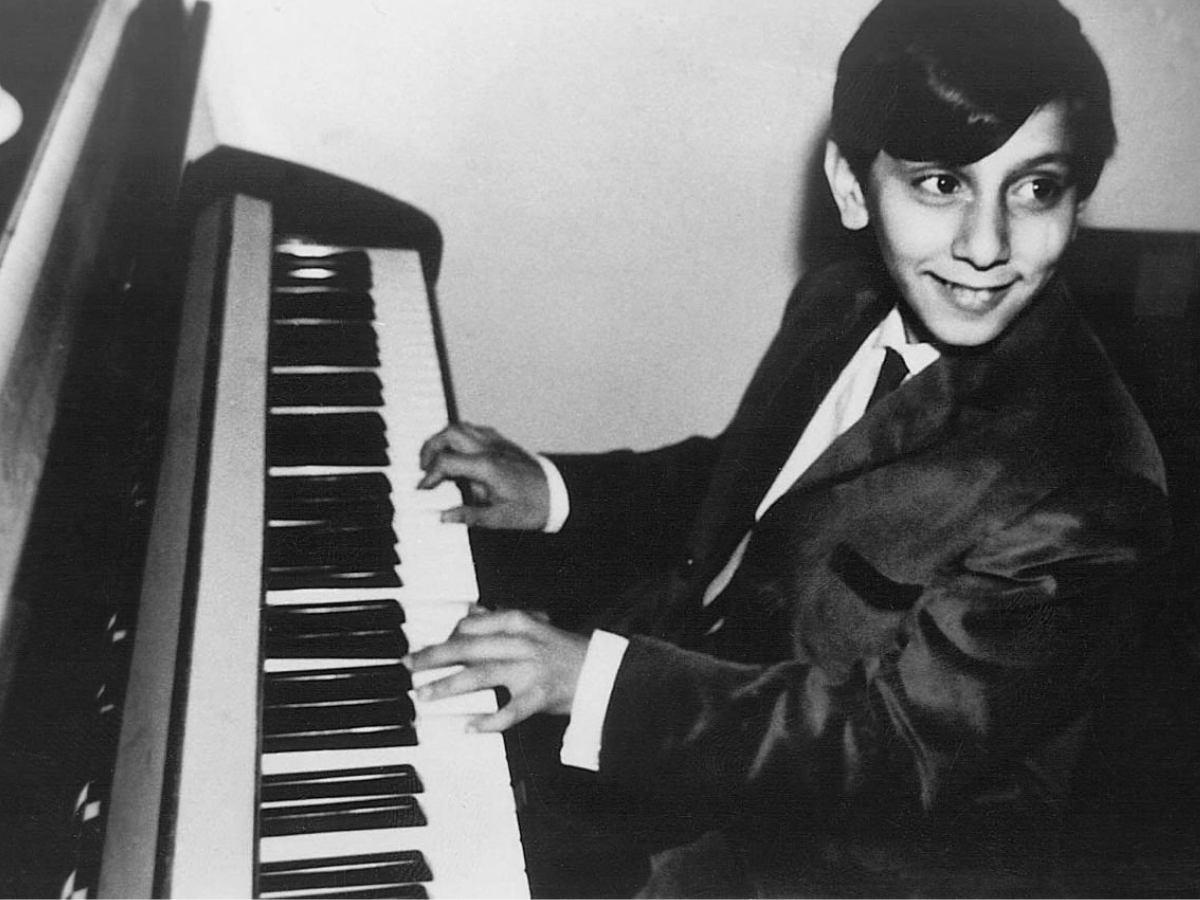
Lebanon’s hunger for truth
Ziad Rahbani was not just a musician. He was a playwright, composer, actor, and political commentator. Through his work, he grappled with the chaos of Lebanese life—sectarianism, corruption, inequality, and war. On stage, he refused to serve as mere entertainment. Instead, he turned theater into a space for dialogue, satire, and dissent.
In his 1978 play Bennesbeh La Bokra, Chou?, his characters sat around a Beirut café talking like ordinary people, arguing about politics, money, religion, and war, sometimes breaking into laughter, sometimes into silence. It wasn’t polished or idealized, but raw and unfiltered.
Another iconic work, Film Ameriki Taweel, pushed further into political critique, mocking Lebanon’s blind imitation of Western models and raising questions about national identity and independence. The play ran for months to packed audiences, proving that people were hungry for the truth, even if it meant they would laugh at their own pain.
Music as confession, music as protest
Ziad’s music pulled from jazz and classical traditions, layered with Lebanese rhythms and lyrics that cut deep, often collaborating with Fairuz. At just 17, he composed Sa’alouni el-Nass for Fairuz to perform. Both profoundly emotional and musically magnificent, the song launched his prolific, independent career.
In Ana Moush Kafer, he challenged religious hypocrisy head-on, refusing to be boxed in by Lebanon’s sectarian labels. In one of his most popular songs, Bala Wala Chi, he gave voice to a generation drained of hope, stuck in a country that seemed to promise nothing.
His songs were at once confession and protest, yet always laced with beauty that stirred the soul.
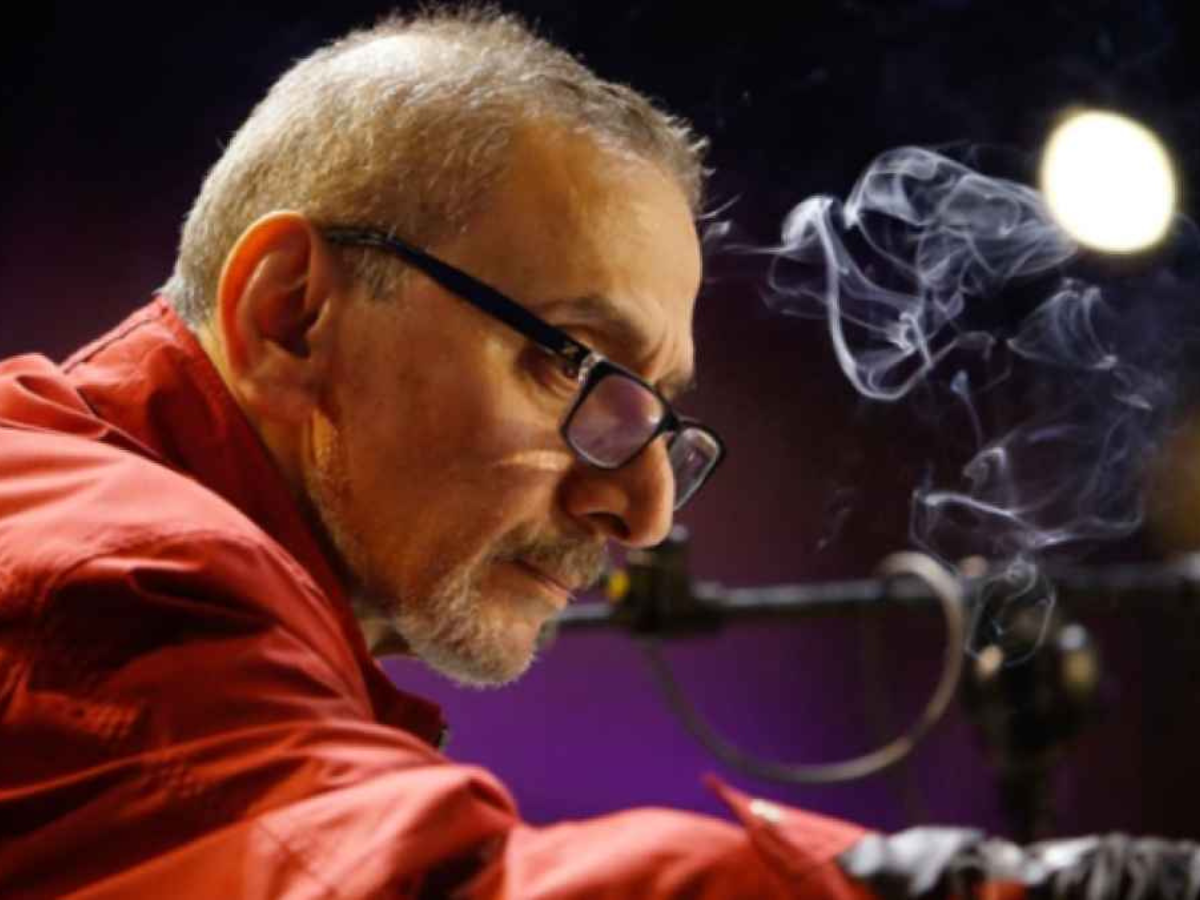
“Rather than provoke, my job is to expose the truth… I just say things the way I see them: raw.”
– Ziad Rahbani
The nostalgia of the Levant
For many, Ziad’s music and plays are inseparable from memory itself, reflecting both the nostalgia and contradictions of growing up in a region where laughter and despair often share the same breath.
Listening to him now, his works remind us of a Lebanon that was broken yet alive, suffocated yet defiant. Ziad’s works touched on a collective yearning for honesty, for art that does not hide behind pleasantries.
Though Ziad was unmistakably Lebanese, his reach extended beyond Lebanon’s borders and the Levantine region, where people shared the struggle of homeland heartbreak and the weight of political turmoil. He had a way of giving words to frustrations many were too afraid to speak aloud.
An unfinished conversation
Today, in Lebanon’s ongoing crises, Ziad’s works feel eerily relevant. The same questions he raised decades ago still haunt the streets: What kind of future do we have? What tomorrow are we building? His plays and music serve as testimony that art is not merely entertainment, but a necessary tool for awareness and social change.
While Fairuz gave us a reminder of what Lebanon could be, Ziad gave us a reminder of what Lebanon really was. Together, they shaped not just music, but memory.
In the end, Ziad was never just telling jokes or playing notes. He was a witness and a restless voice that refused silence and spoke truth to power.
He remains unforgettable, leaving behind not only a brilliant musical and political legacy in Lebanon, but also the love and grief of a nation still struggling to understand what it has lost.
— Ghina Fahs