
















Tarab: an Arabic word with no English equivalent
Tarab (طرب) is a word in Arabic that has no English equivalent. While it’s frequently (and lazily) categorized as a “genre” of Arabic music, calling tarab a genre actually misses the point entirely.
Tarab is not another music genre, it’s not a style of production or a set of instruments or a particular chord progression. In simple terms, tarab is an experience — specifically, a state of musical ecstasy and liberation so complete that the boundary between the one in creative flow and the one witnessing dissolves.
What does tarab actually mean?
The word comes from the Arabic root ṭ-r-b, which relates to being moved, enchanted, or emotionally intoxicated. According to ethnomusicologist A.J. Racy, author of Making Music in the Arab World: The Culture and Artistry of Tarab, tarab is “a multifaceted concept” with more than one layer of meaning… It refers simultaneously to the indigenous music tradition and to the profound ecstatic feeling that tradition aims to produce. In Racy’s words, “It evokes intense emotions, exaltation, a sense of yearning or absorption, feeling of timelessness, elation or rapturous delight.”
What I find particularly fascinating is that the word “tarab” is similar to the Arabic word “turab” meaning earth, soil, and ground. I like to see it as a reminder that transcendental sound is inseparable from our origins, and music is essential to our existence. To be swept away by tarab is, in some sense, to return to something ancient and pre-verbal, something fundamentally human that existed long before genre and language tried to contain it.
Tarab is a co-created experience
Tarab is an interactive collaboration that insists on mutual participation; one that demands full presence from both sides of the performance. As Racy explains, tarab “derives its momentum, emotional efficacy, and aesthetic consistency from human interplay, through a feedback process involving active and direct communication between the artist and the initiated listener.” One can’t exist without the other.
In the tarab tradition, audiences are not silent, passive receivers. They’re in active co-creation with the musician. When a singer hits a phrase that pierces the soul, the audience responds loudly, crying out “ah!” or “ya ruhi!” (oh my soul!) or “kaman ya sitt!” (once more, my lady!) — not to interrupt, but to fuel the performance with their emotional responses to it.
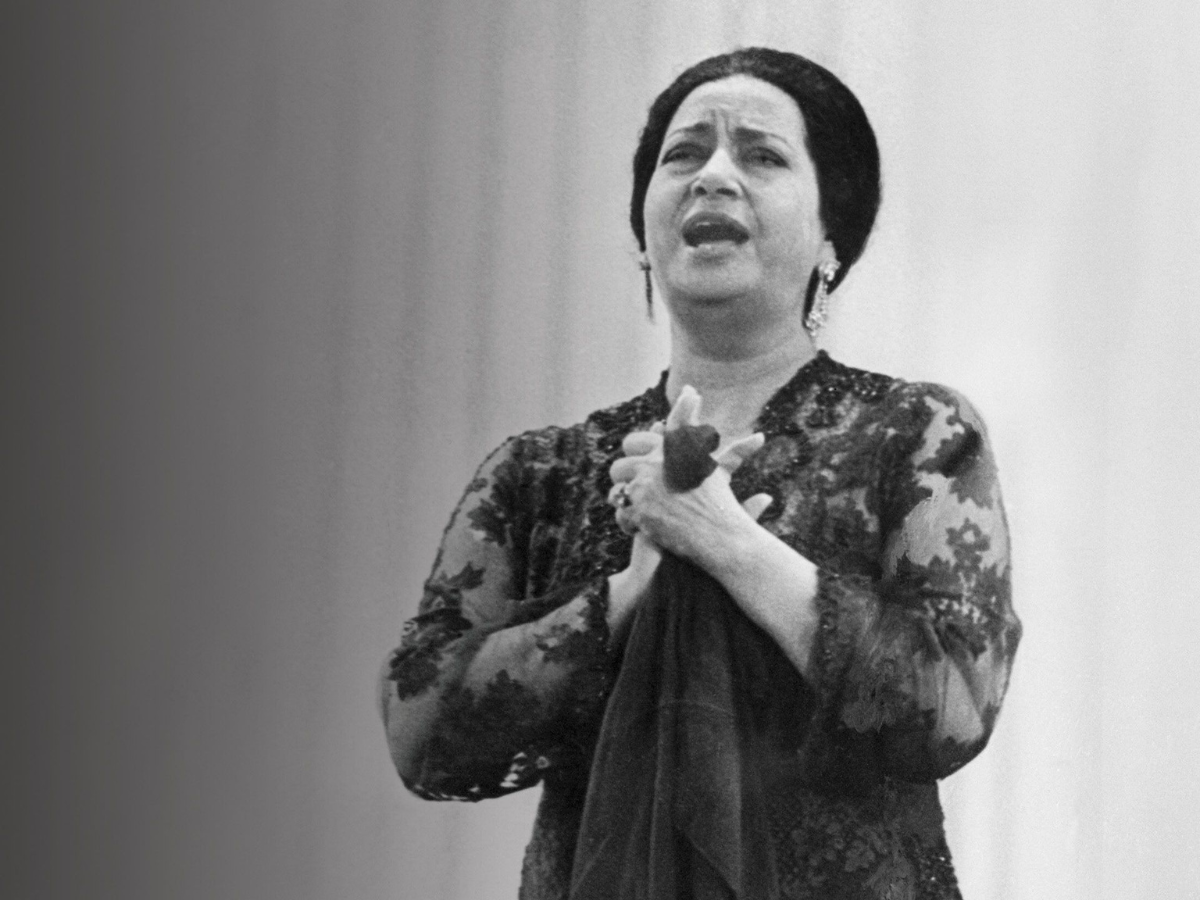
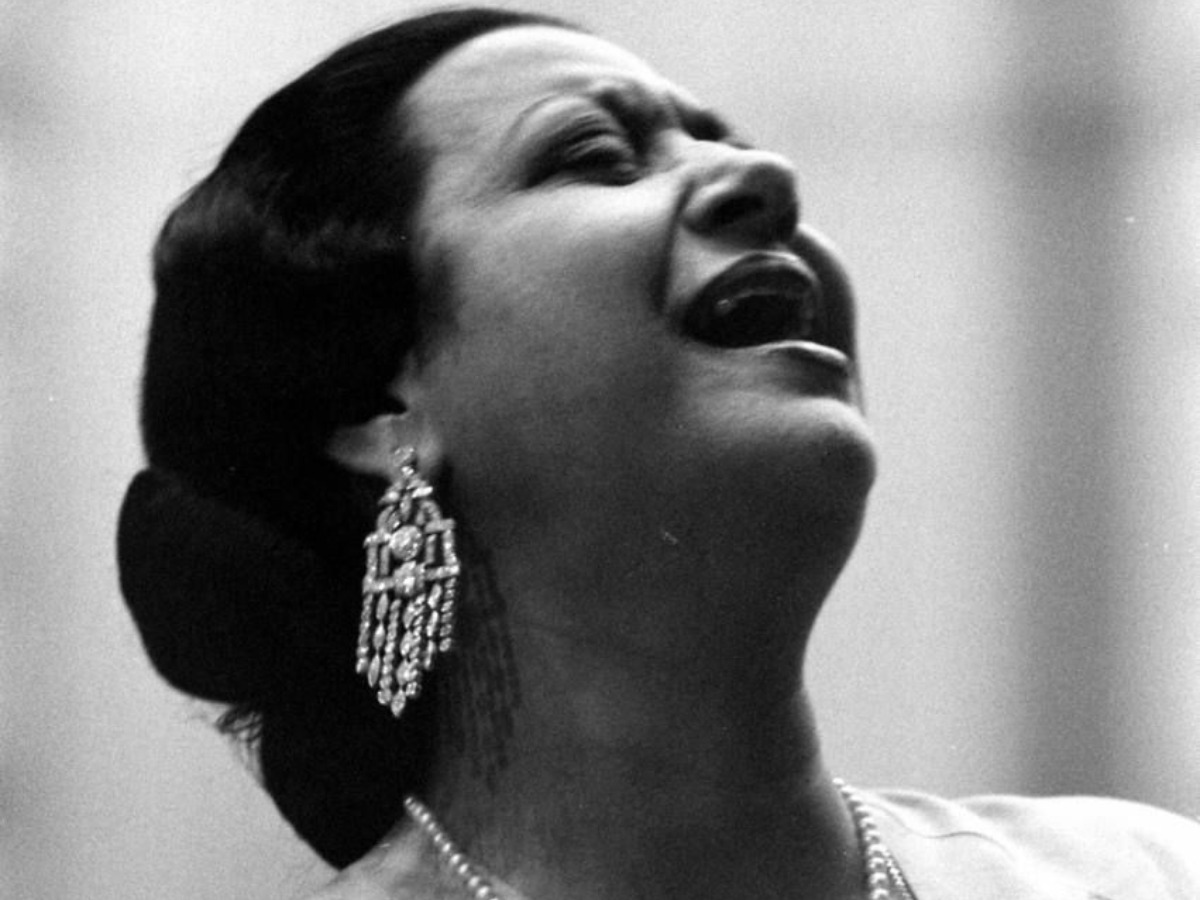
Umm Kulthum — the Egyptian singer known as “the Star of the East” and arguably the greatest “mutribah” (one who elicits tarab) of the twentieth century — held concerts that often lasted hours beyond their scheduled time. This was purely because the mutual electricity between her and her audience kept the music alive and boundless. A 1972 performance of her timeless song “Enta Omri“ stretched to two full hours. Her 1967 Paris concert ran until 3 a.m., setting a local record.
She once reportedly expressed disappointment after a concert because the audience was “not with it,” meaning they weren’t responding. For her, a silent audience wasn’t exactly a sign of respect. This is the opposite of most Western performance culture, where applause is saved and stillness means reverence.
“Tarab occurs when I as a performer and the audience are in tune together.
It’s a harmonious exchange.”
— Simon Shaheen
On the spiritual significance of tarab
Tarab isn’t a modern phenomenon; music historian George Sawa identified more than 500 references to tarab in “Kitab Al Aghani” (Book of Songs) — a monumental compilation produced in 11th century Baghdad — with accounts of listeners weeping, laughing, dancing, and even tearing their clothes off! Tarab competitions were held in courts, where musicians and poets competed to send audiences into states of pure bliss.
Tarab can also be a deeply spiritual experience. For example, in Sufi ceremonies or say, in Bhakti Yoga Kirtan circles, musical chanting and repetition are seen as bridges that carry worshippers into altered states where tarab is felt as proximity to the divine.
One musician and writer, Daniel O’Donnell, offered this poignant perspective: “Musical performance is too often a means to merely express ego, trivial personal emotions, that amplifies the egos of its listeners,” on the other hand, “Tarab is transcendence of personality.” In other words, tarab can be seen as an experience of liberation from the egoic self — even if only for a fleeting moment.
Tarab is beautifully and justifiably described as something that “harbors a sense of mystery” — and maybe that’s precisely the point. “Perhaps the experience of tarab is not meant to be translated or systematized at all — it must be felt.”
One writer summarized it this way: “In its enigmatic nature lies a comforting sanctity: a shared, almost holy experience that connects us all.”
— Ghina Fahs
(We do not own any of the photos used, all photo credit goes to respective owners, sourced from search engines)