






























































7 essential Lebanese movies: an introduction to Lebanese cinema
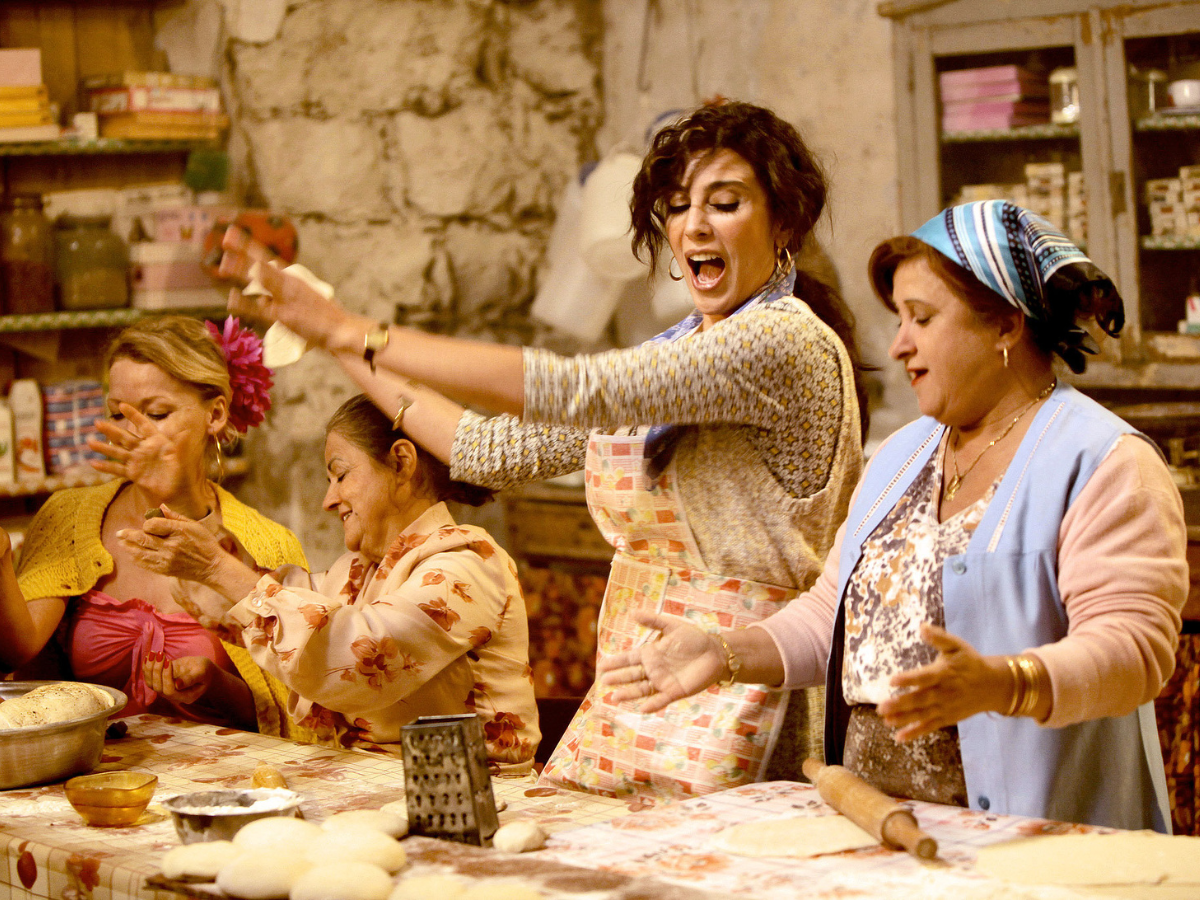
Lebanese cinema may not get the most attention in global conversations about world film, but it certainly delivers huge hits for a country so small. Sandwiched between decades of civil conflict, invasion, and political upheaval, Lebanese artists and filmmakers have contributed over 500 bodies of work in the world of cinema since the 1920s. The way they communicate the Lebanese experience is tender, furious, funny, and devastating (to say the least).
Now, I hope I don’t sound biased because I’m Lebanese myself, but the movies in this list are some of my all-time personal favorites. If you’re looking for films from the East that will genuinely move you, this list is a good place to start.
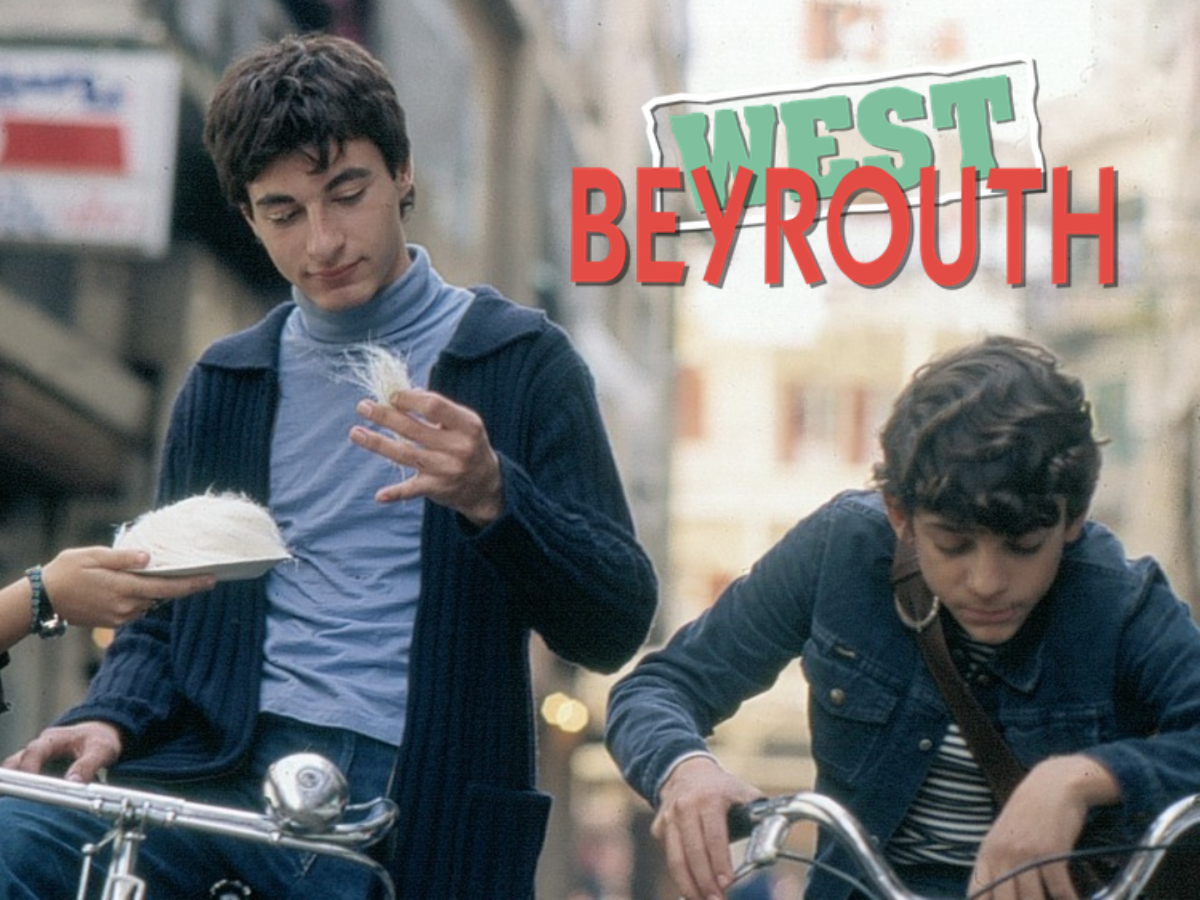
West Beirut (1998, dir. Ziad Doueiri)
It’s not a blog about Lebanese movies without West Beirut (AKA West Beyrouth) on the list. Ziad Doueiri’s semi-autobiographical debut remains one of the defining films about the Lebanese Civil War, told through the eyes of a teenager.
Set in 1975, it follows two boys navigating a city suddenly split by a green line. There’s an irrepressible energy to it; the boys are funny and full of life even as their world collapses around them. That tension between youth and catastrophe is what makes this movie unforgettable and one of the best Lebanese films ever made.
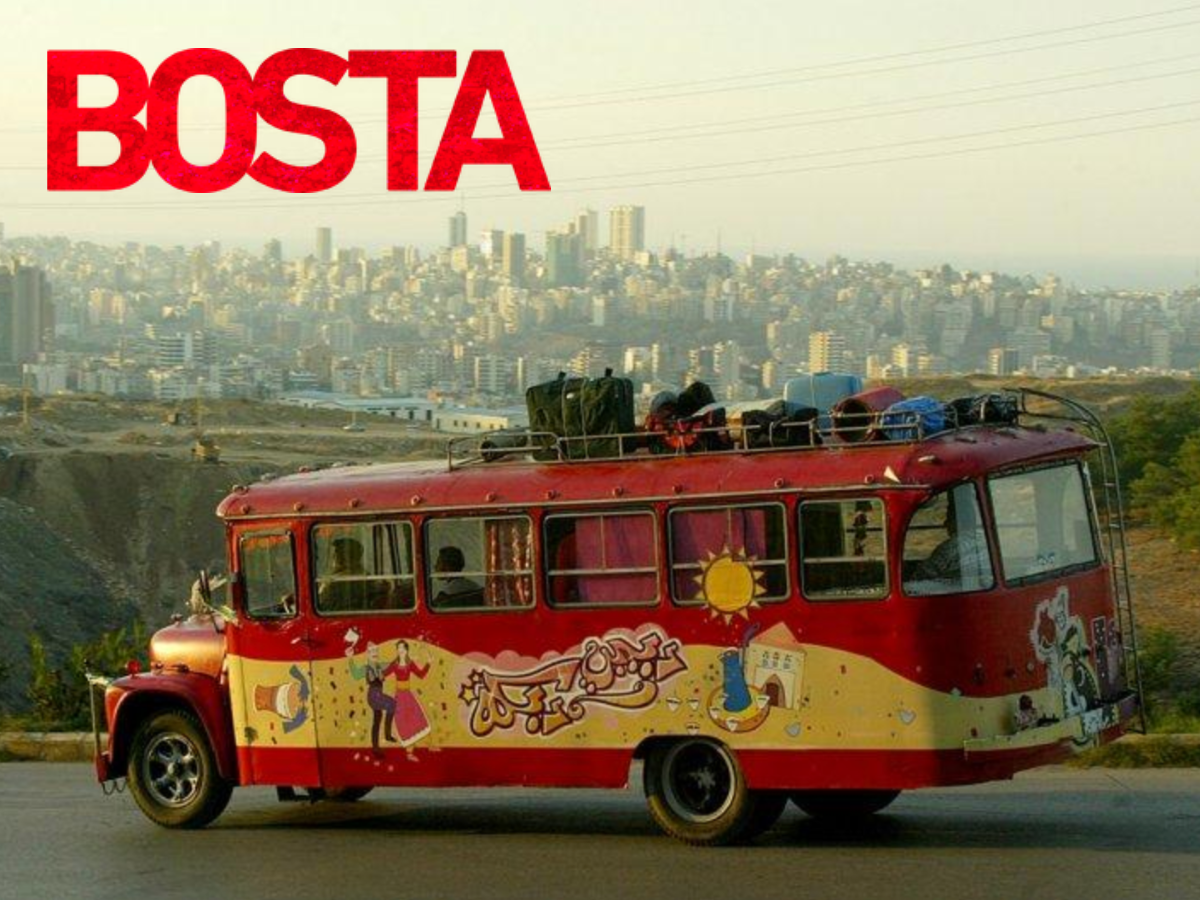
Bosta (2005, dir. Philippe Aractingi)
On a more musical note, Aractingi’s Bosta — “bus” in Lebanese slang — follows a group of former dabke dancers reuniting to tour Lebanon in an old red bus, reviving their folk troupe with a modern “electro” twist.
This road-trip movie is a fun, lighthearted love letter to Lebanese identity and culture. Truly joyful and entertaining, it became a cultural phenomenon after its release.

Caramel (2008, dir. Nadine Labaki)
Nadine Labaki, Lebanon’s greatest female filmmaker, made her debut with a warm, intimate portrait of five women whose lives intersect at a Beirut beauty salon. It’s a film about love, longing, secrets, and the quiet pressures faced by women navigating tradition and modernity in contemporary Lebanon.
Sweet like the title, this movie offers easy, sun-drenched tenderness — there’s no civil war here and it’s (intentionally) not centered around political pains, just ordinary life in Beirut. Caramel set the stage for Labaki’s career in directing and remains one of the most charmingly nostalgic films on this list.
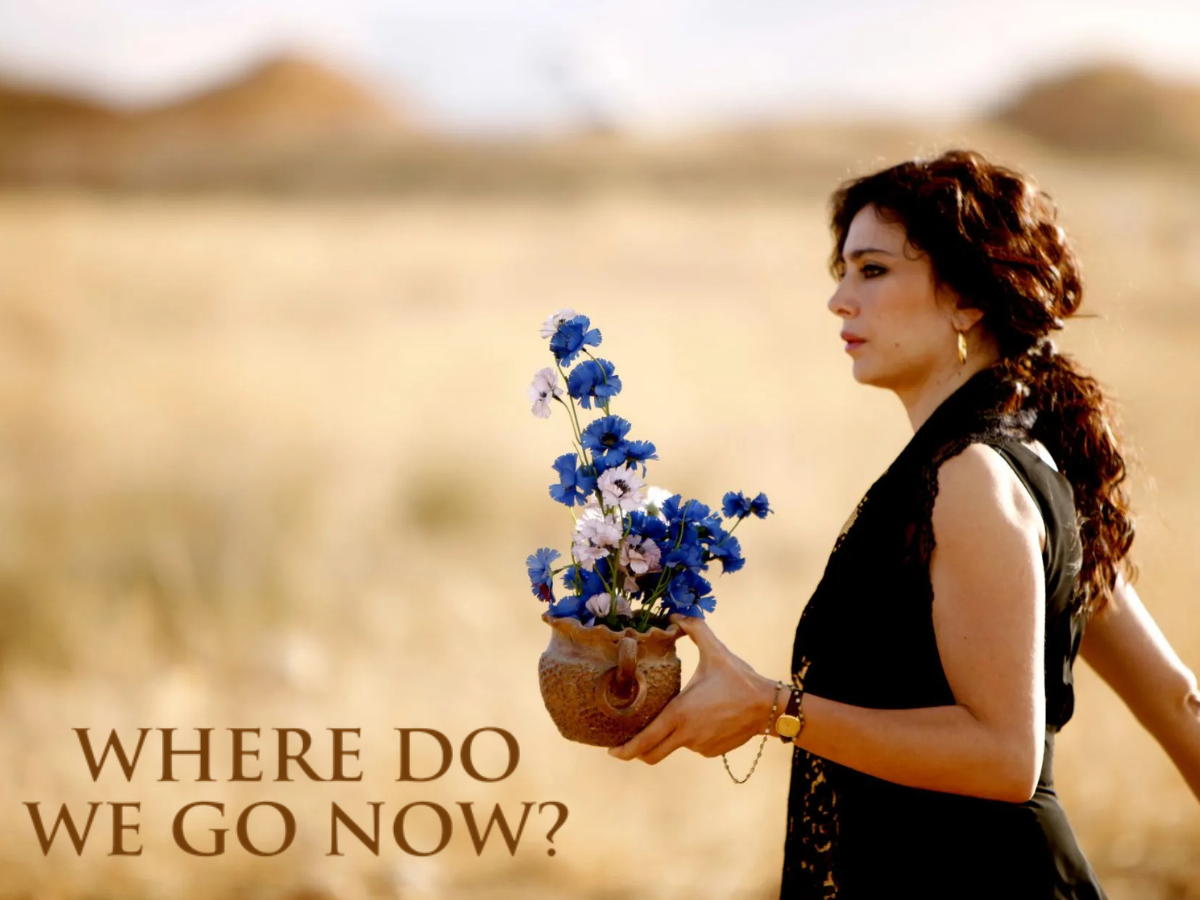
Where Do We Go Now? (2011, dir. Nadine Labaki)
A unique and unforgettable work of art you definitely don’t want to skip. Labaki‘s second feature highlights the prominent and universal predicament of sectarianism and religious tension so potently. She succeeds tremendously at carrying a very real and heavy storyline with lightness, laughter and love.
Set in a remote Lebanese village shared by Christians and Muslims, it follows a group of women who conspire — through absurd and creative means — to keep their men from turning on each other. It blends comedy, folk magic, and genuine grief in a way that feels completely its own.
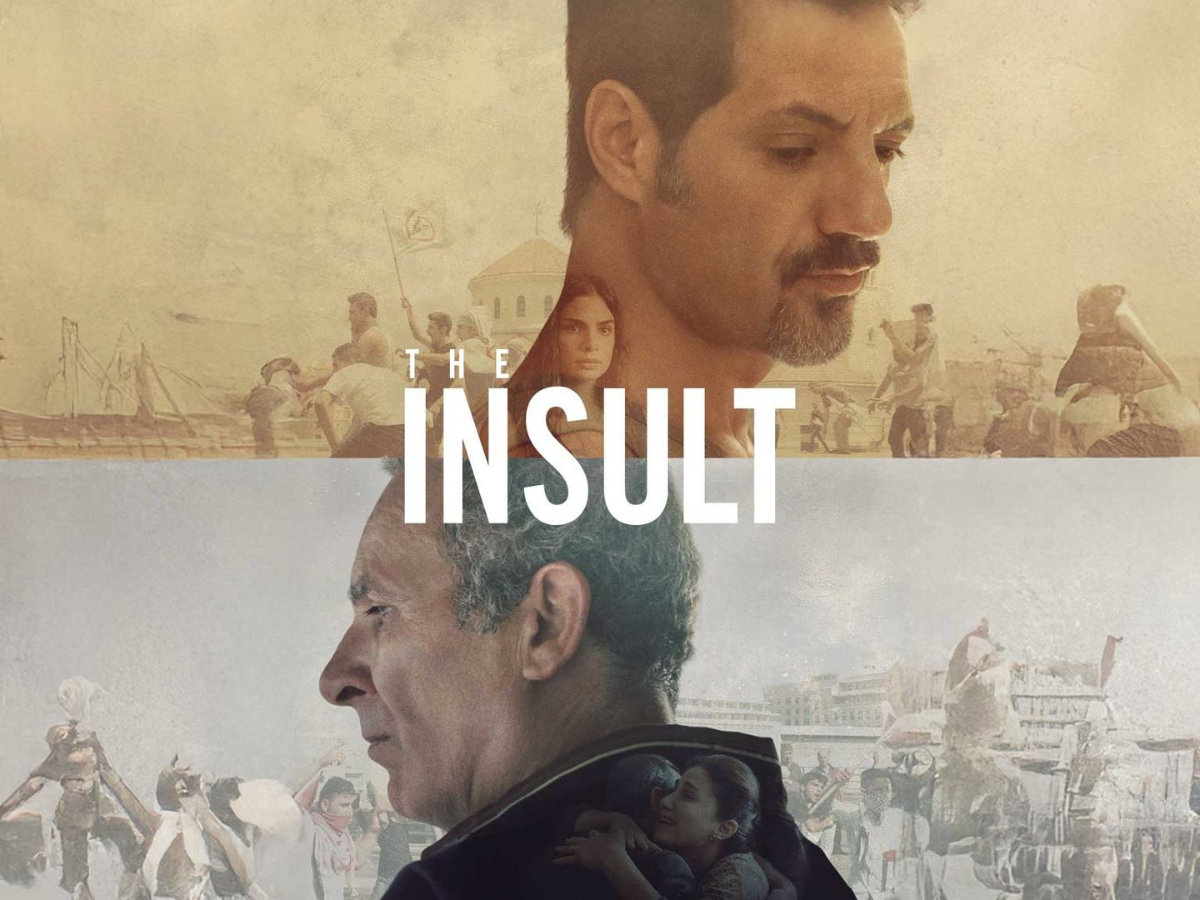
The Insult (2017, dir. Ziad Doueiri)
Another one by Doueiri, but a very different kind of film that undoubtedly stirs the insides. What begins as a petty neighbourhood dispute between a Palestinian refugee contractor and a Lebanese Christian man, ends up in a courtroom drama that puts Lebanon’s entire unresolved history on trial.
The Insult is the first Lebanese movie to earn an Oscar nomination for Best Foreign Language Film! Richly deserved.
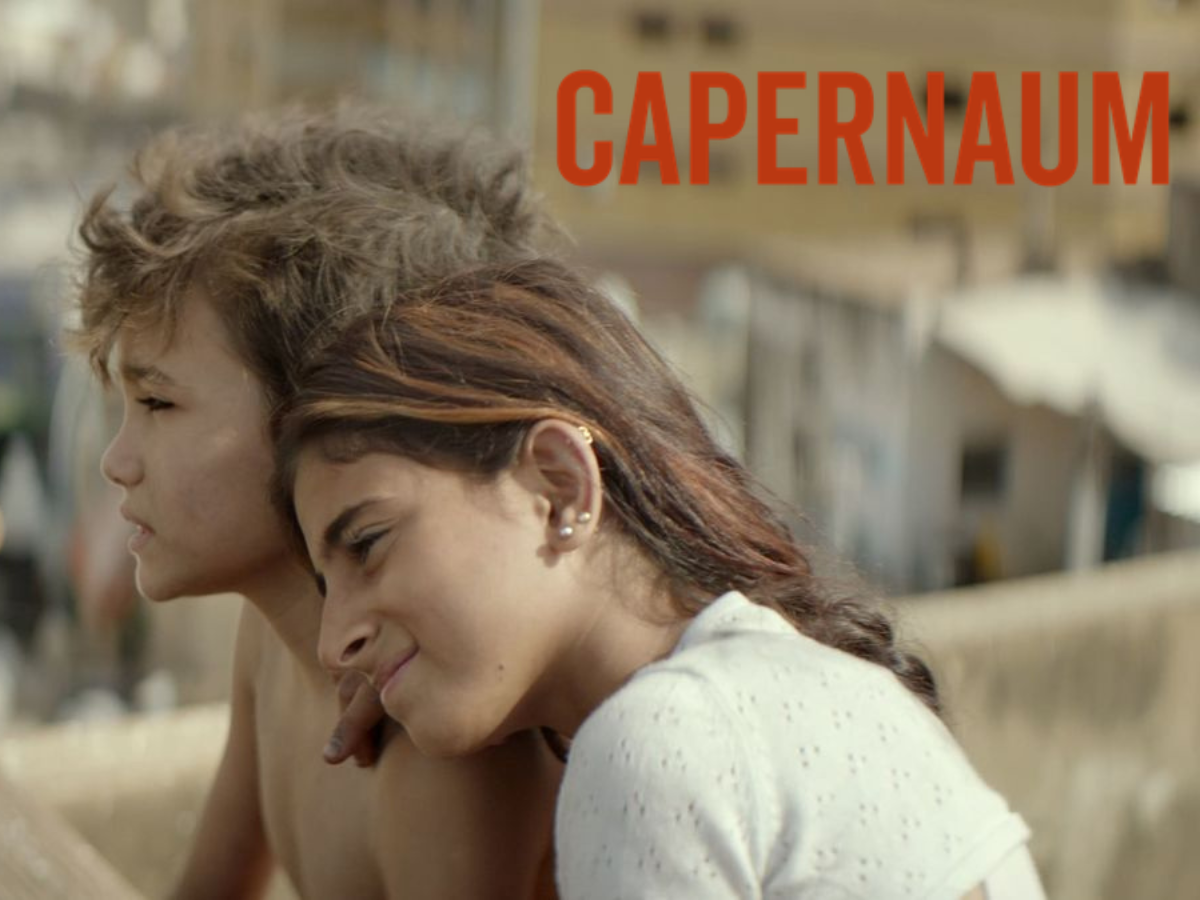
Capernaum (2018, dir. Nadine Labaki)
For her third feature, Labaki returned with a film that shook the world. The story follows Zain, a twelve-year-old boy living in the slums of Beirut, who sues his parents for bringing him into the world.
The second Lebanese movie to earn an Oscar nomination, Capernaum (a biblical word for “chaos”) was shot with handheld intimacy using mostly non-professional actors. Prepare to shed some tears — this masterpiece reveals the painful reality of poverty, statelessness, and children left behind by broken systems — but it’s an absolute must-watch.
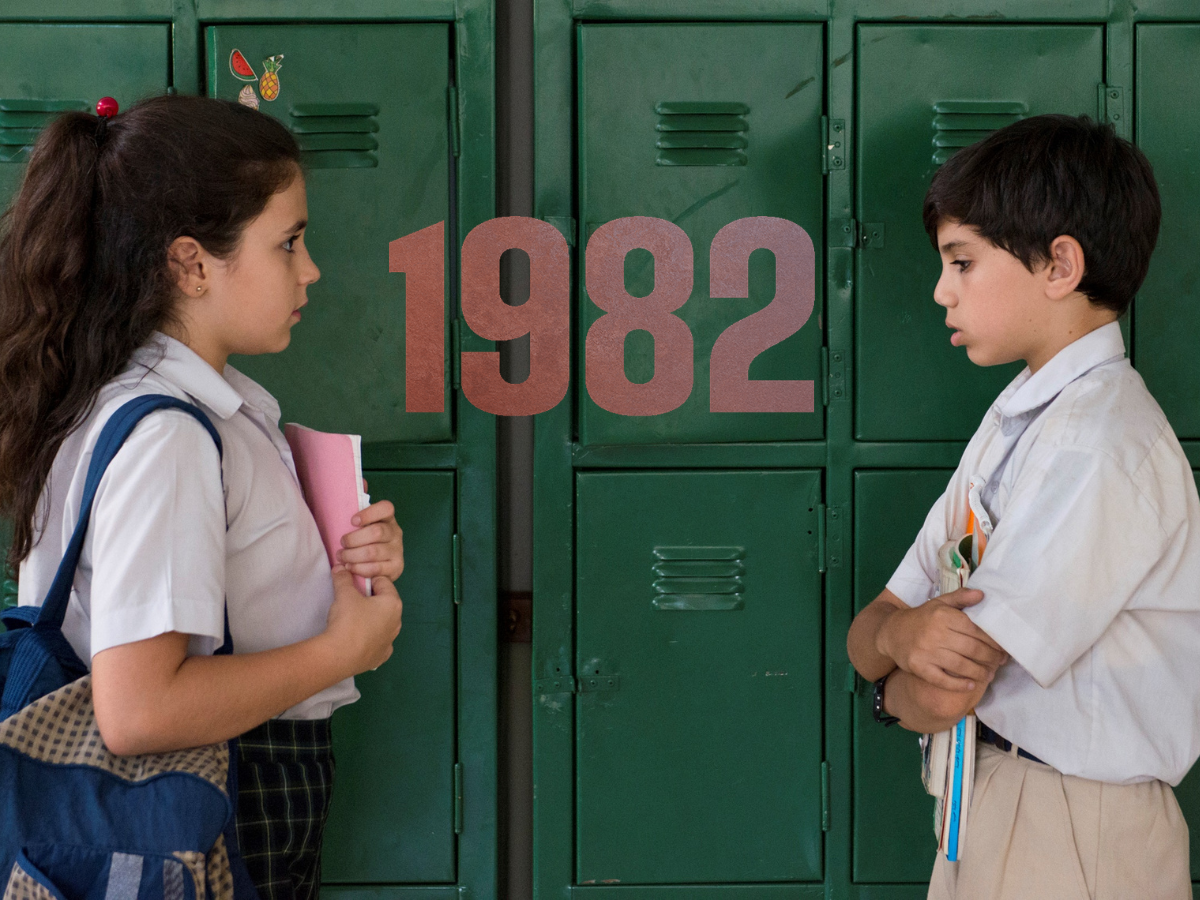
1982 (2019, dir. Oualid Mouaness)
Mouaness’s debut film takes place over a single school day in the mountains above Beirut, on the day in 1982 that Israeli forces began their invasion of Lebanon. A young boy tries to confess his feelings to a classmate while teachers quietly monitor news reports. This movie reflects the strange, innocent ways that children experience the absurdity of war.
Side note: 1982 was filmed on the campus of the school I went to. I, too, experienced the absurdity of war (in 2009), at the same age as the characters in the film, on those same grounds. It’s truly surreal to see such a specifically personal experience be turned into a film!
— Ghina Fahs
(We do not own any of the photos used, all photo credit goes to respective owners, sourced from search engines)