























Piercings in South Asian culture and what they really mean
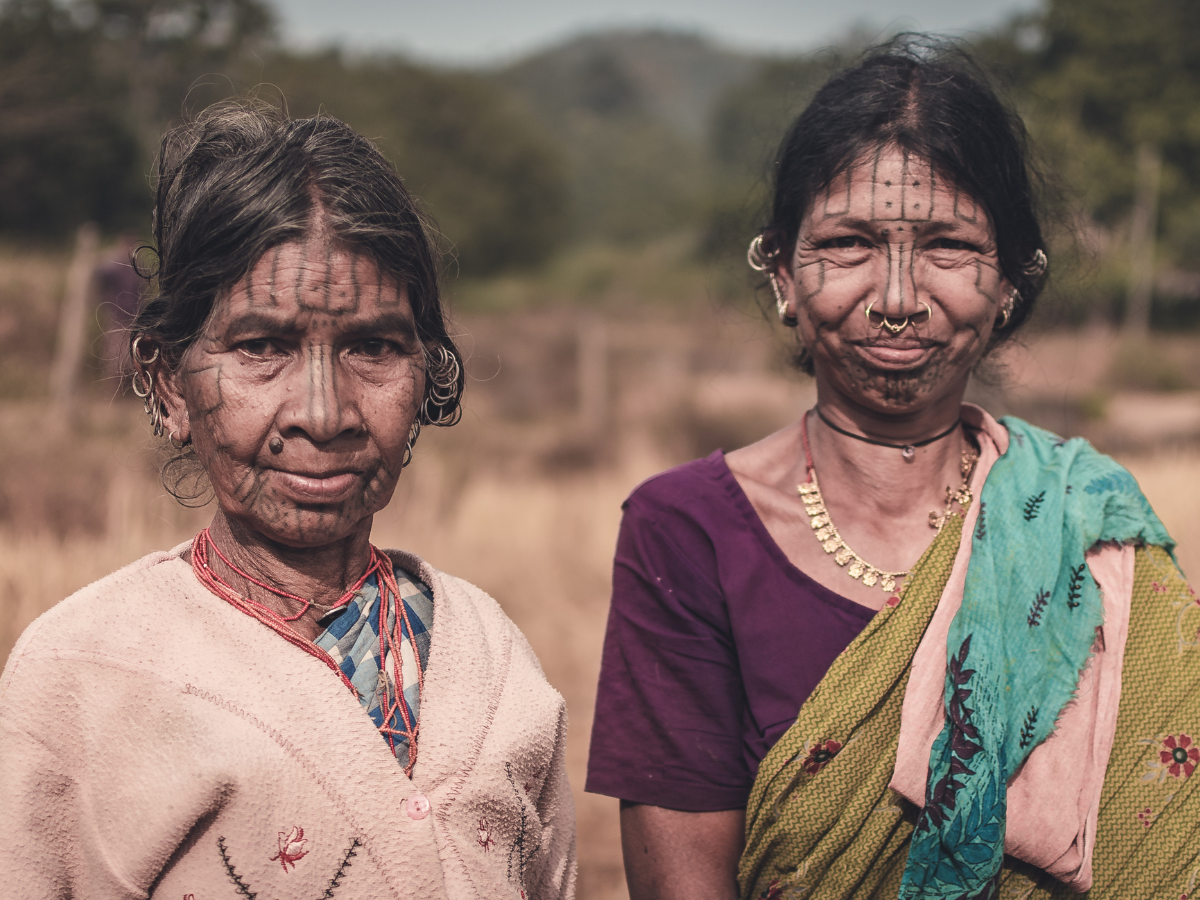
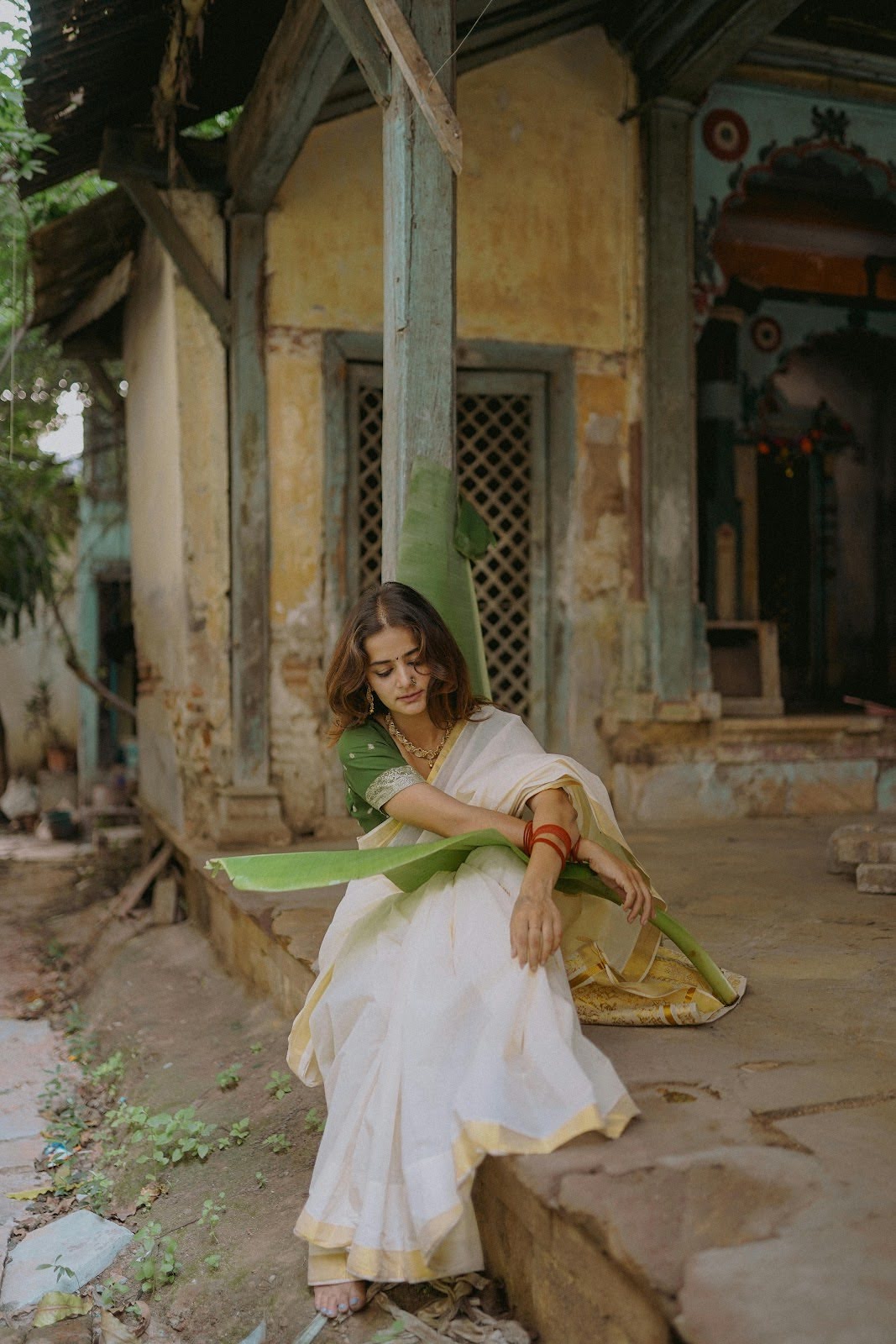
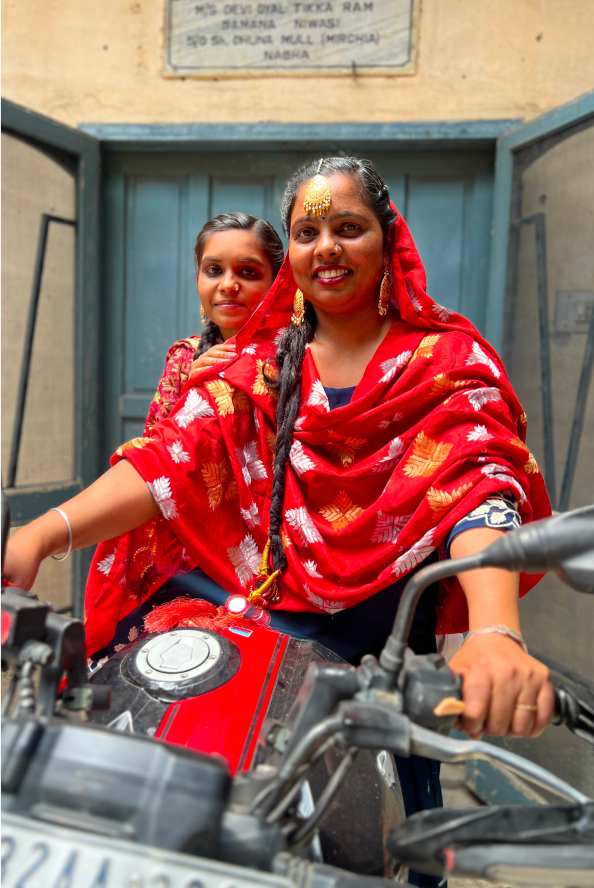
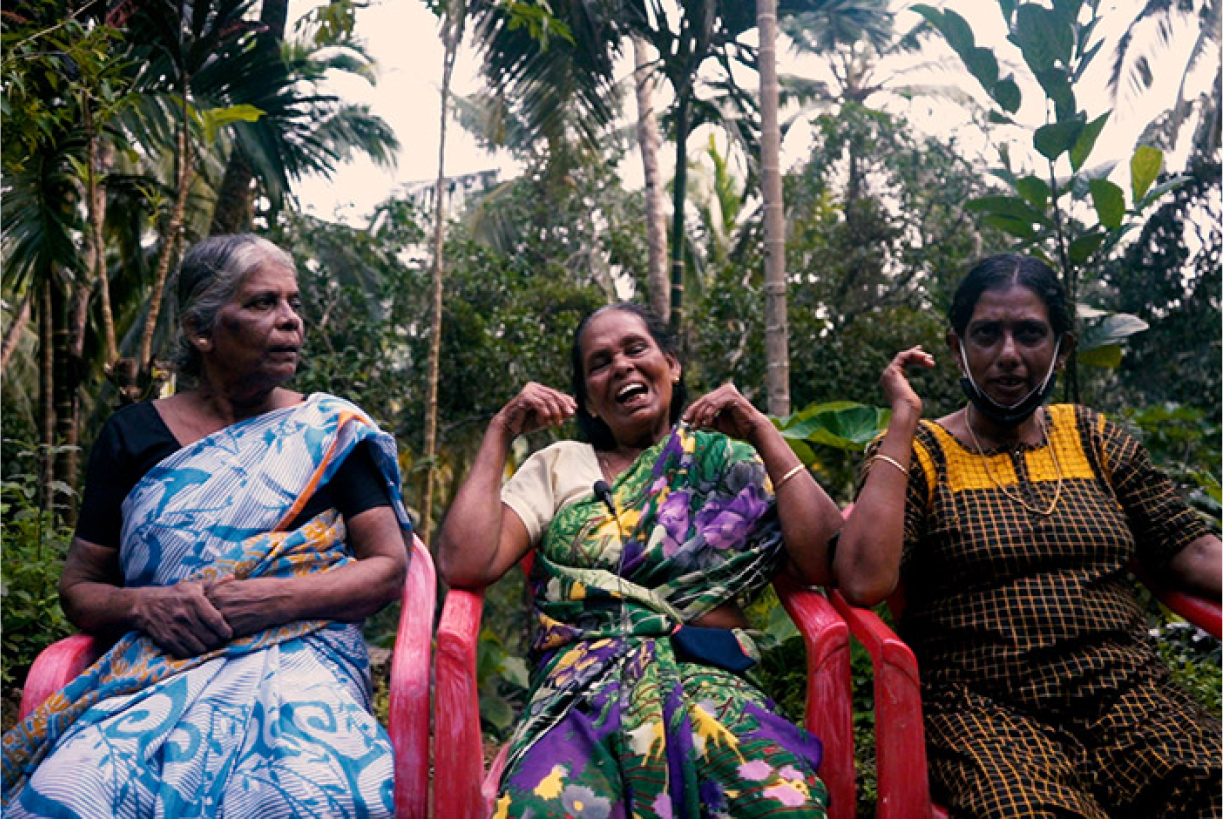
On my travels through South Asia, something I encounter consistently is that most local women have visible piercings; earlobes, nostrils, septums, sometimes all together. While some regard it as “just jewelry”, to families who pass down this tradition generation after generation, the intention behind the piercing goes far beyond beauty and aesthetics.
In the West, piercings were coded and conditioned as a form of “rebellion” for many years. They were seen as punk, counterculture, or an act of defiance against the “mainstream”. As these associations got loosened with time, piercings continue to be seen today as a simple expression of style and self-decoration.
However, in countries such as India, Nepal, Pakistan, Bangladesh, Sri Lanka, and beyond, the same small stud or hoop on a woman’s nose can signal heritage, spirituality, marital status, and even health. The same thing carries entirely different weight depending on which world you were raised in.
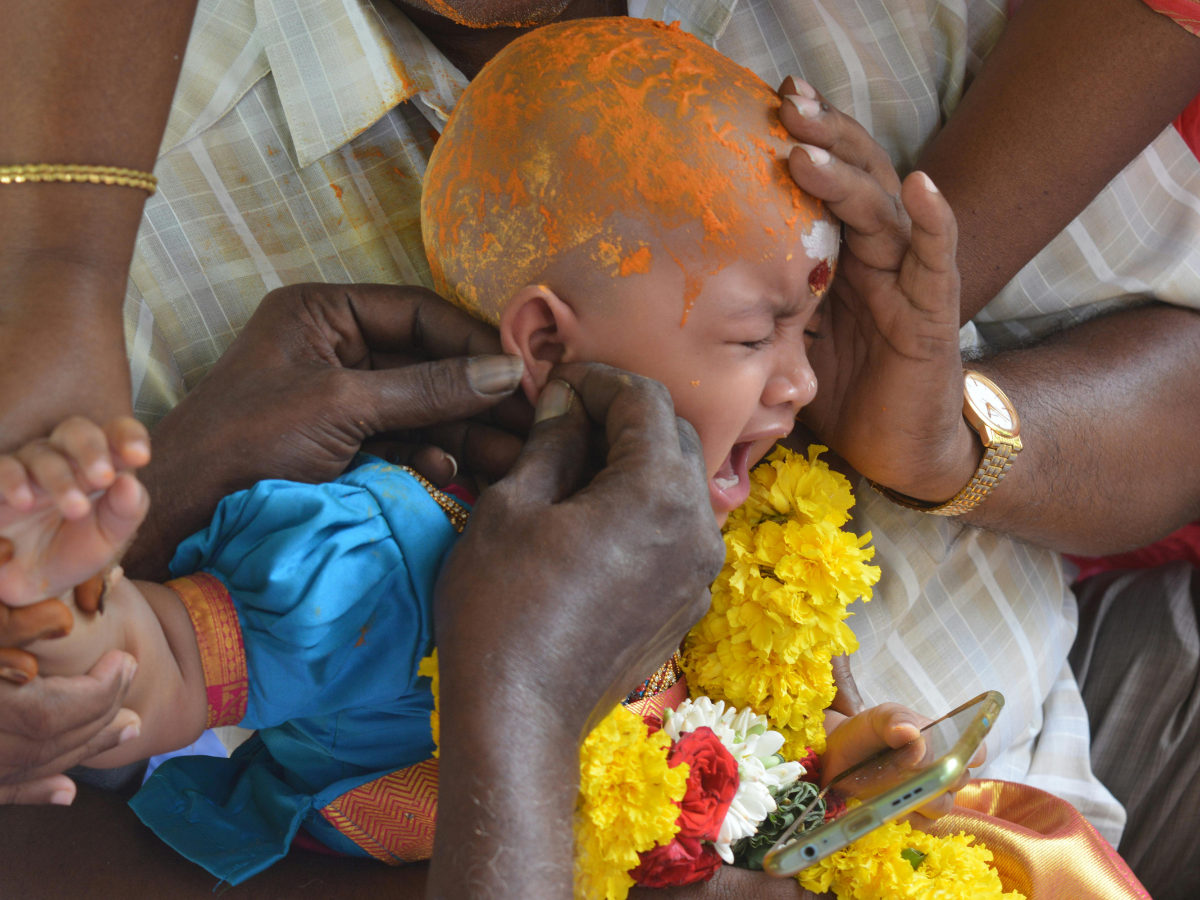
Ear piercings in South Asia
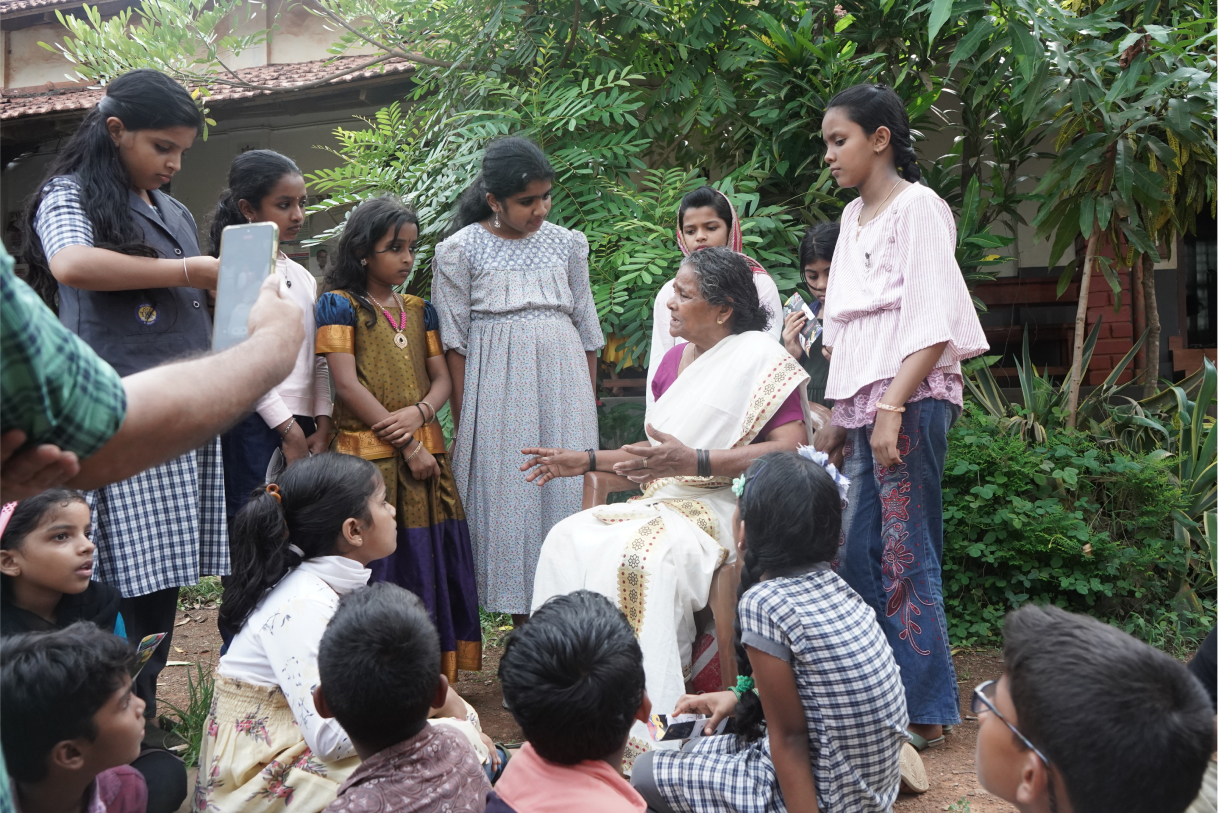
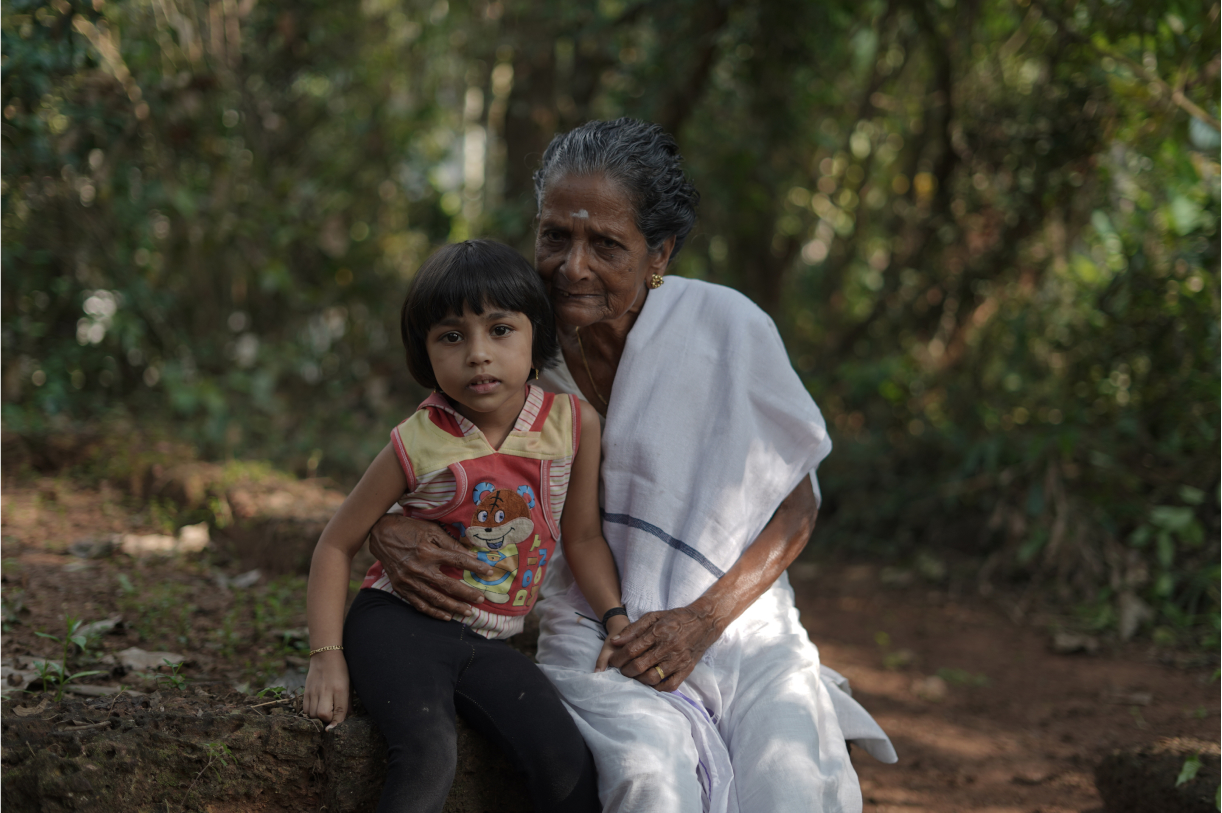
The practice of piercing in South Asia dates back at least 3,500 years. One of the earliest documented references comes from the Karnavedha Samskara: one of the sixteen rites of passage, or Shodasha Samskaras, recognized in certain branches of Hinduism. In this ceremony, typically performed when a child is between six months and a few years old, the ears are ritually pierced as a mark of entry into the community and the beginning of a spiritual journey.
The timing and meaning of this ceremony varies significantly by region. In North India for example, ear piercing is often framed as the opening of a child’s educational and spiritual path. In parts of the South, piercing ceremonies like Kadhani Vizha are held to invite well-being and ward off negative energy. In the East (parts of Bengal and beyond), the Khuti ceremony marks the passage from infancy to childhood.
In Ayurvedic science, the earlobe holds a particular significance. It’s considered a kind of microcosm of the body, and piercing it is thought to support intellectual development and sharper thinking. Whether or not you subscribe to the metaphysics, the ceremony itself carries important symbolism: the body is connected to something larger than itself.
South Asia’s beloved nose ring
If there’s one piercing most associated with South Asian women, it’s the nose ring.
When the Mughal Empire expanded into the Indian subcontinent in the 16th century, it brought with it Central Asian and Persian jewelry traditions that fused with existing Hindu customs, permanently reshaping how South Asian women adorned themselves.
The style of nose jewelry itself became a regional marker over time. In the North, the beautiful nath, often draped in pearls or intricate beadwork, became an elaborate bridal ornament. In the South, the mookhuti is more compact, traditionally set with crystals or precious stones. Even which nostril gets pierced can differ by region: the left is historically preferred in northern, western, and central India, while the right is common in the South — both are tied to ancient ideas about the body’s energy channels.
For example, in Ayurvedic tradition, the left nostril is connected to the female reproductive system, and piercing it is believed to ease menstruation and support childbirth. These beliefs have guided piercing practices for centuries and continue to shape why many women in the region wear nose jewelry today.
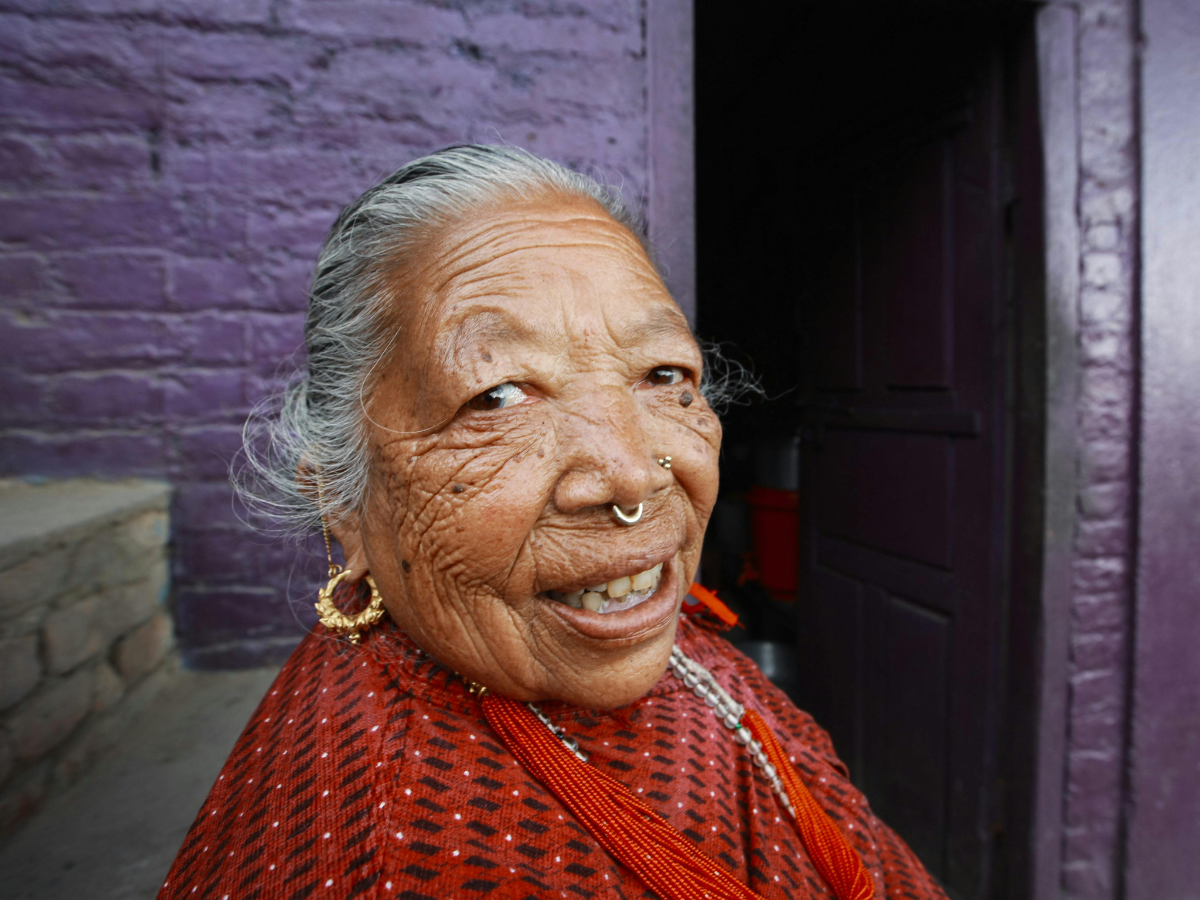
Dilemmas in the diaspora
For South Asians who grew up in the West, piercings can sit at a complicated intersection. In countries such as the UK, US, or Canada, a nose stud on a white woman is perceived as fashion-forward or edgy. On a South Asian woman however, it’s perceived as cultural; sometimes even fetishized or exoticized.
As The Juggernaut explores, there’s an irony for desi people in the diaspora: a practice their grandmothers did out of tradition became, in Western contexts, a marker of being “cool” — even rebellious. The same nose ring that earned a grandmother’s approval could earn a second look from a Western coworker.
For some, wearing ancestral jewelry in this context is empowering, for it becomes an act of cultural affirmation and a refusal to water themselves down or assimilate away from visible markers of heritage. For others, especially younger generations, they might feel pressured to hide or erase their culture in an attempt to fit in or “pass” as Western.
The body as a map
What we know for sure is that piercings on South Asian women have always been multidimensional. The same nose ring can be:
- A symbol of marital status (the nath removed in widowhood in some communities)
- A health practice rooted in Ayurvedic medicine
- A regional identifier
- A rite of passage for a newborn
- A fashion choice by a young woman who just likes how it looks
- A quiet reclamation of culture by someone far from home
Reducing piercings to “just another trend” — as pop culture sometimes does — flattens thousands of years of layered meaning. At the same time, treating it as purely sacred or only ethnic also erases the personal dimension of self expression.
Piercings in general were never merely self-decoration. From East to West, they were, and continue to be, symbols and rituals where the body is revered as a map for something that’s being expressed beyond the physical dimension.
— Ghina Fahs
(We do not own any of the photos used, all photo credit goes to respective owners, sourced from stock images)