























Umm Kulthum: Star of the East
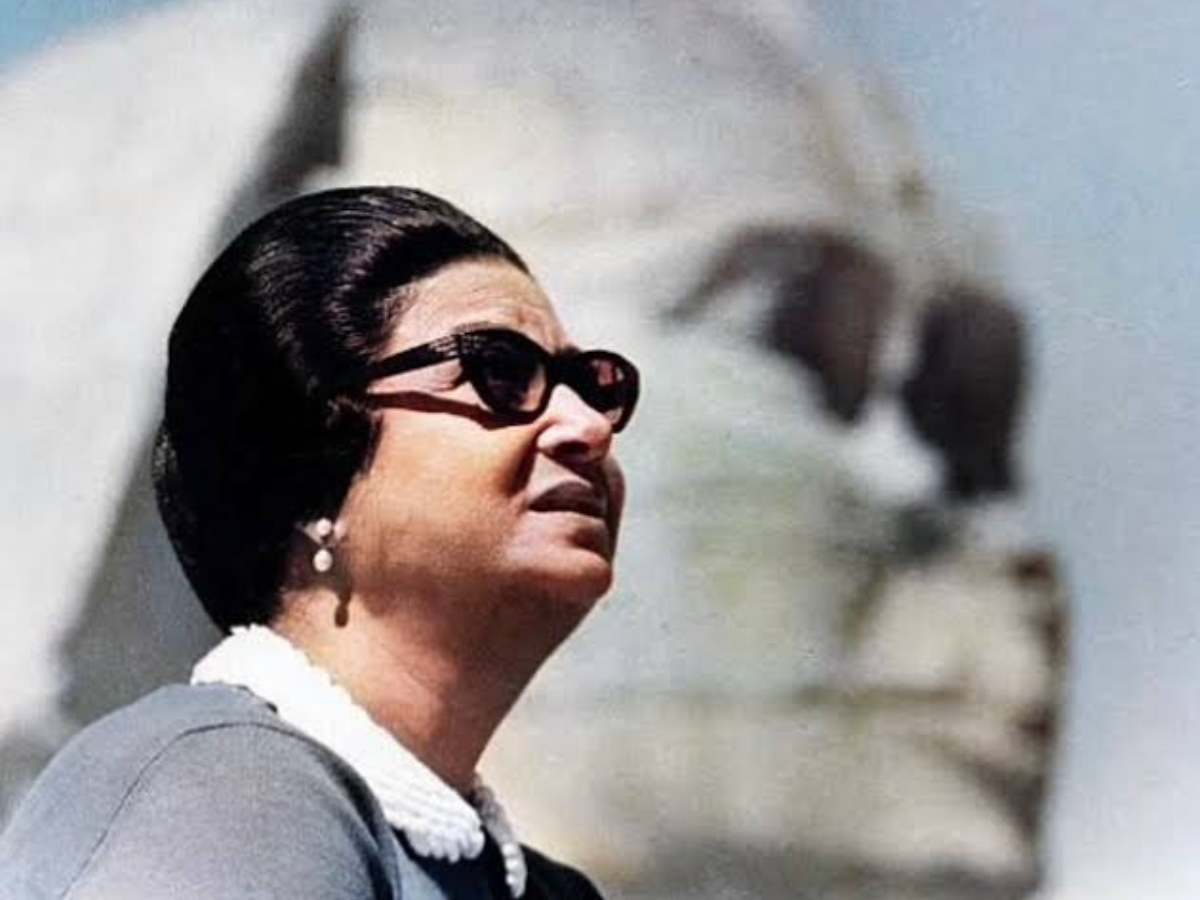
When I was working on a previous blog post about tarab, I discovered that one of Umm Kulthum’s nicknames is “kawkab al-Sharq”, which translates to star (or planet) of the East, and I thought “hold on a second… Umm Kulthum has to have a post of her own!” If you’ve spent any time exploring Arabic music, you’ve likely come across Umm Kulthum’s songs, or at the very least, a visual of her wearing her iconic black sunglasses. But if you have no idea who I’m talking about… Let’s get you acquainted.
So why was Umm Kulthum one of the most powerful voices to come out of the Arab world?
A star was born
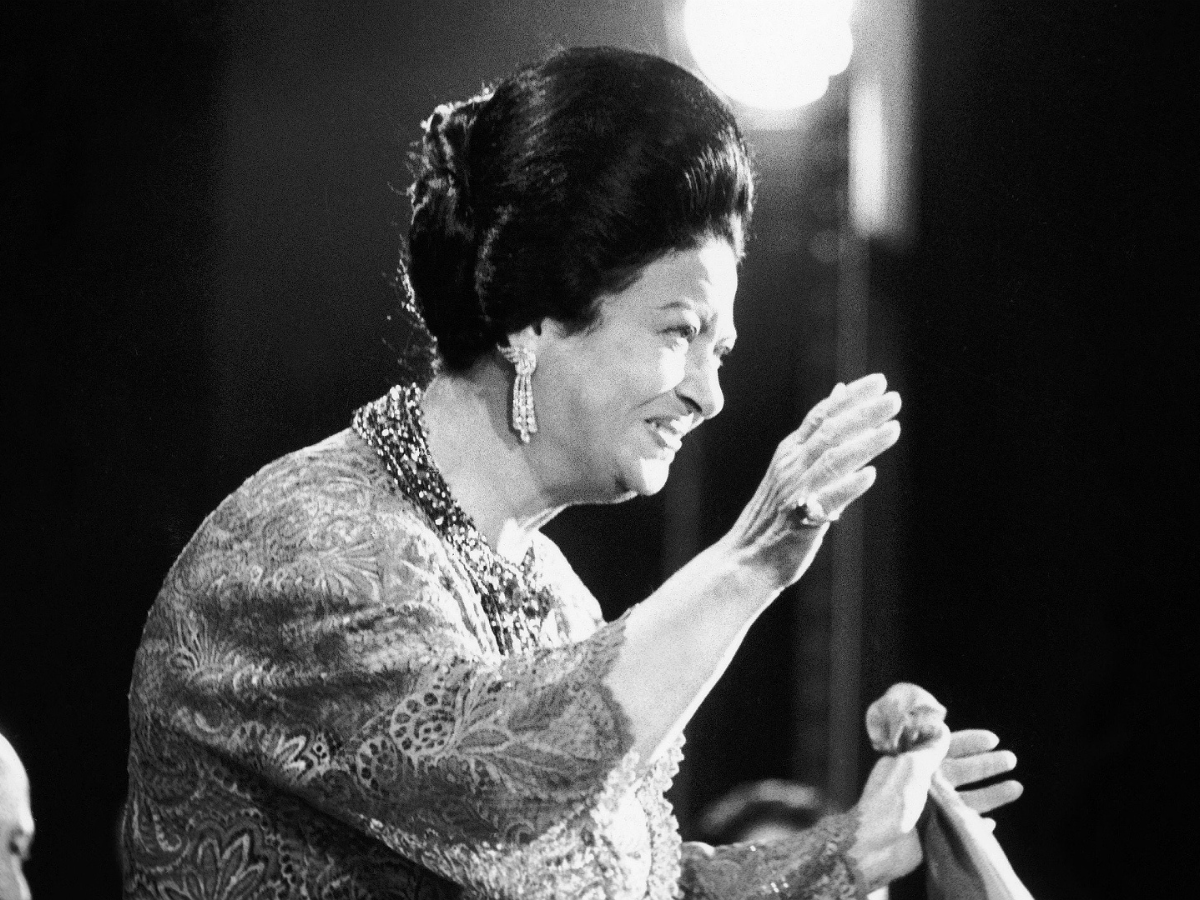
Before she was Umm Kulthum, she went by Fatima, and she was born between 1898 – 1904 in a small village in Egypt called “Tamay El-Zahayra”. She was the daughter of a village imam who sang the call to prayer in the village mosque and performed traditional religious songs at weddings and festivals to support his family. Little Fatima learned to recite the Qur’an at just 5 years old, and when her father noticed that she had a powerful voice herself, he brought her along with him to perform.
One of the most fascinating things about Umm Kulthum’s path to stardom is that when she followed in her father’s footsteps, he initially dressed her as a boy! This is because a girl performing publicly and singing religious verses in front of audiences was considered improper in the conservative rural society of the Nile Delta at the time.
By the time she was a teenager though, she was already the star of the family act, and in 1923 they relocated to Cairo so she could pursue a bigger stage — and of course, the rest was history!
“Umm Kulthum went from a young girl dressed as a boy chanting verses of the Qur’an back in her small village… To an earthquake of a woman who ended up performing at one of the world’s most famous stages: L’Olympia, Paris.” — Elle
Umm Kulthum: Star of the East
The nickname “Star of the East” is generally credited to radio broadcaster Mohamed Fathy, who bestowed it on her, to reflect how revered she was not only by the public but by the kings and presidents that would occupy front row seats at her shows.
From the 1930s onward, Umm Kulthum regularly performed a live concert broadcast on Radio Cairo, and for decades, streets across the region — from the Persian Gulf to Morocco — would empty out on those nights as her loyal listeners gathered around radios to receive the gift of her music.
Part of what made her performances so magnetic was her improvisational skill and her ability to be attuned to her audience. As The New Arab puts it, she had studied Arabic poetry closely enough to manipulate lyrics and phrasing live on stage, stretching songs that might run 10-20 minutes on paper into performances lasting well over an hour, working her audience into a collective, trance-like state that Arabic music culture calls tarab.
Egyptian novelist and Nobel laureate Naguib Mahfouz is noted describing Umm Kulthum, saying “she acted like a preacher who becomes inspired by his congregation. When he sees what reaches them he gives them more of it, he works it, he refines it, he embellishes it.”
Umm Kulthun was not your typical diva. She had both the vocal stamina and the bold attitude to hold audiences for up to 90 minutes in the same song, giving them a true opportunity to be taken away by a single piece of music.
Stars continue to shine long after they die
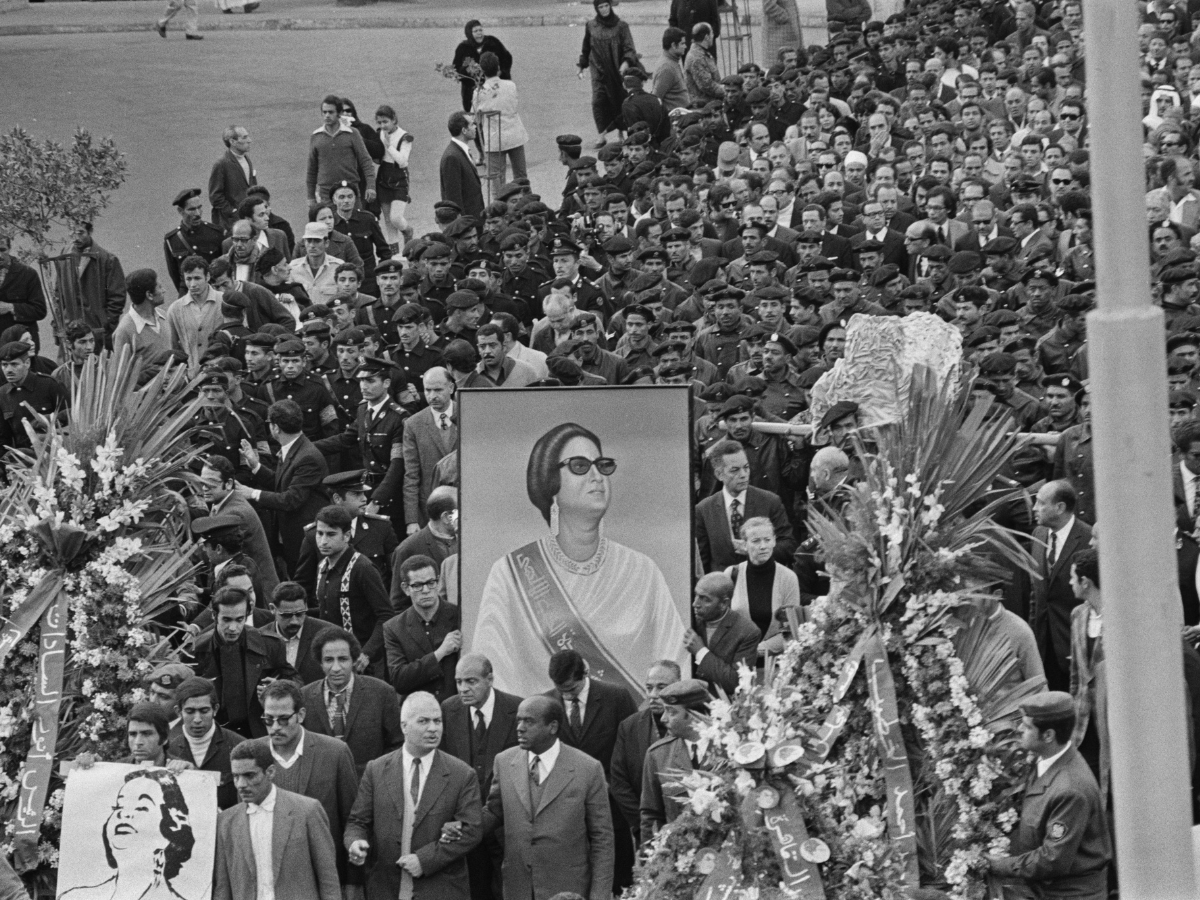
Umm Kulthum left us in 1975, and while “Star of the East” was never her only title or nickname over a six-decade career, this one best reflects the scale of her legacy and the way her voice that resonated not just with Egypt but with the entire SWANA region and even beyond.
Like a real cosmic star, Umm Kulthum’s light continues to outlive her. Decades later, her recordings still play in cafes across the world, and the nickname hasn’t faded either — there’s a coffeehouse in Baghdad still named “Star of the East” in her honor, as well as a beautiful book (of the same title) that illustrates her life and career for children, check it out here!
— Ghina F.
(None of the photos used are owned by us, photo credit goes to all respective owners)