




























































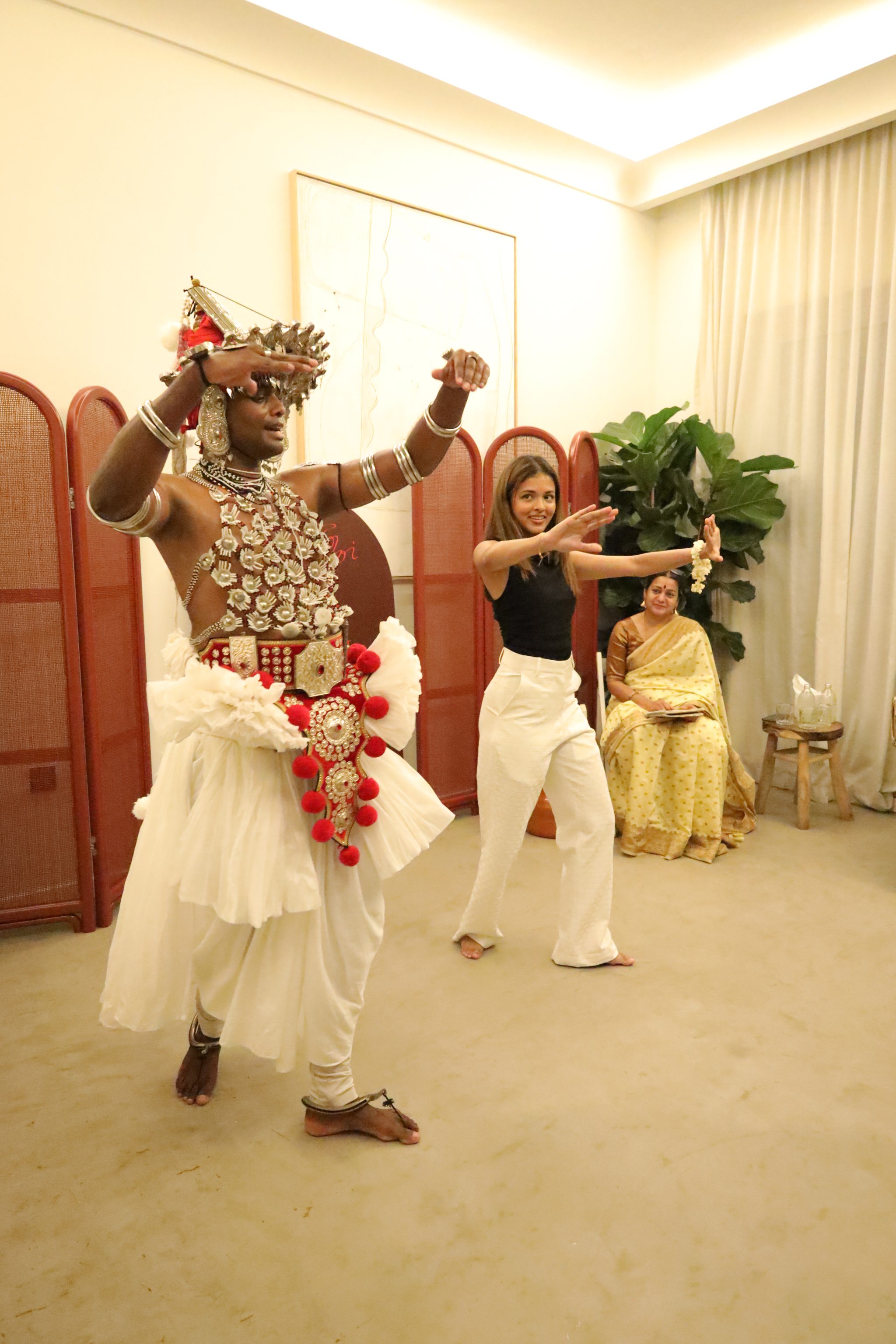




















Book recommendations: An introduction to Eastern philosophies

“The soul is neither born, nor does it ever die.”
― The Bhagavad Gita
On my travels through Asia over the past few years, I’ve met numerous travelers making their way from the West toward this side of the world for more-or-less the same reason: “Western” frameworks for understanding life tend to feel somewhat incomplete… It’s not that these frameworks are wrong per se, but more like a map that covers only some of the territory. And when people begin to search for more answers, they often find themselves turning eastward.
What seekers find in the world of Eastern philosophy and spirituality is not a single philosophy but a vast, living conversation — one that is both ancient and astonishingly modern.
Below is a list of books, all in English, that can serve as beautiful, accessible entry points into that conversation. While they can’t possibly cover everything there is to learn about Eastern wisdom and teachings, they are each, in their own way, little invitations for expansion.
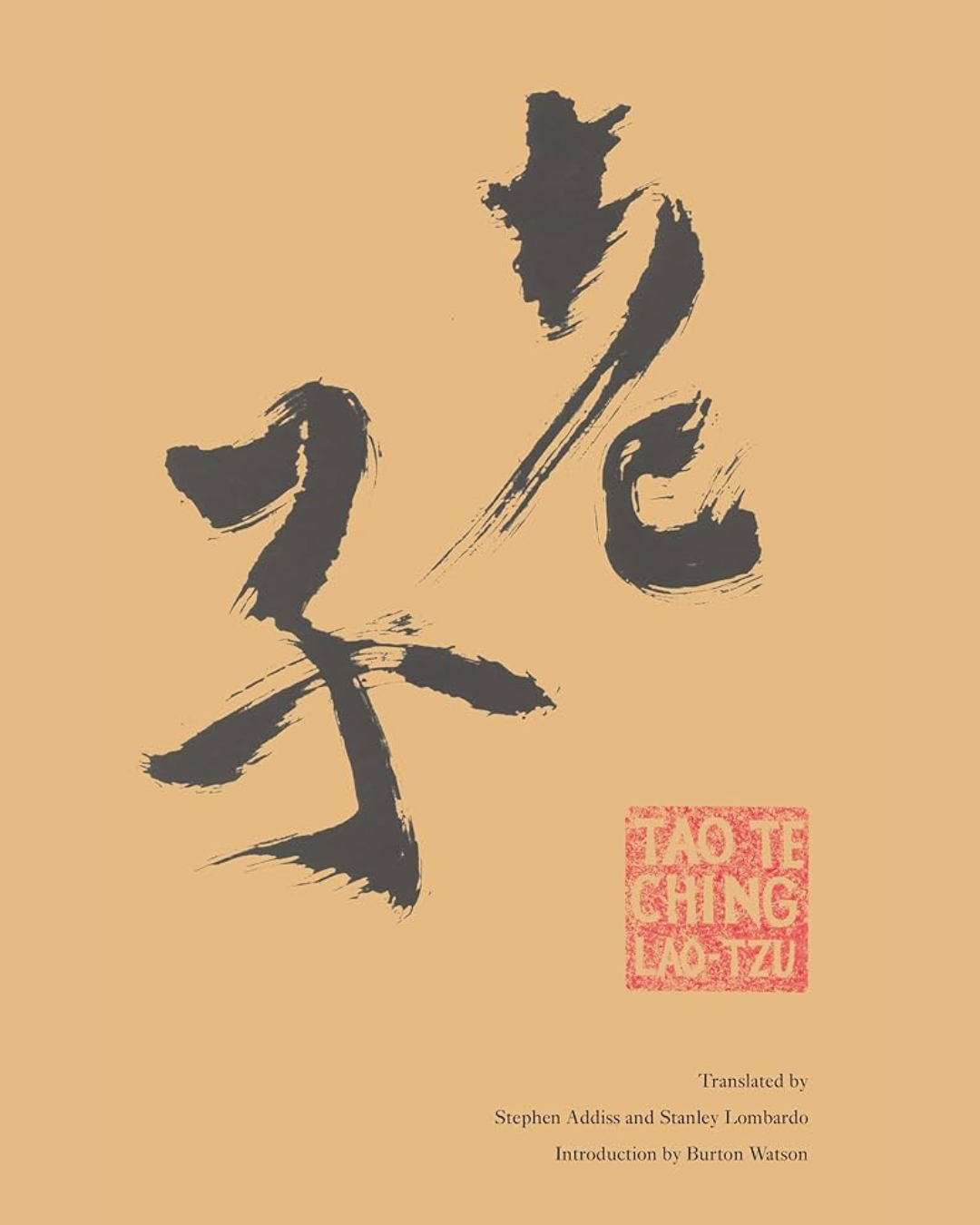
1. Tao Te Ching by Lao Tzu — Translated by Stephen Addiss and Stanley Lombardo
If there’s one book I would press into the hands of anyone feeling overwhelmed by the speed and noise of modern life, it’s this one. Written in ancient China, the Tao Te Ching is the foundational and most sacred text of Taoism (AKA Daoism), and one of the oldest and most widely translated texts in history.
There are many translations, but this version is considered to be the most faithful one as it remains close to the minimalist and poetic, haiku-like approach of the original Classical Chinese text. When you need a reminder to slow down, stop forcing, and trust the intelligence of nature, the Tao Te Ching is always a great place to start (and return to).
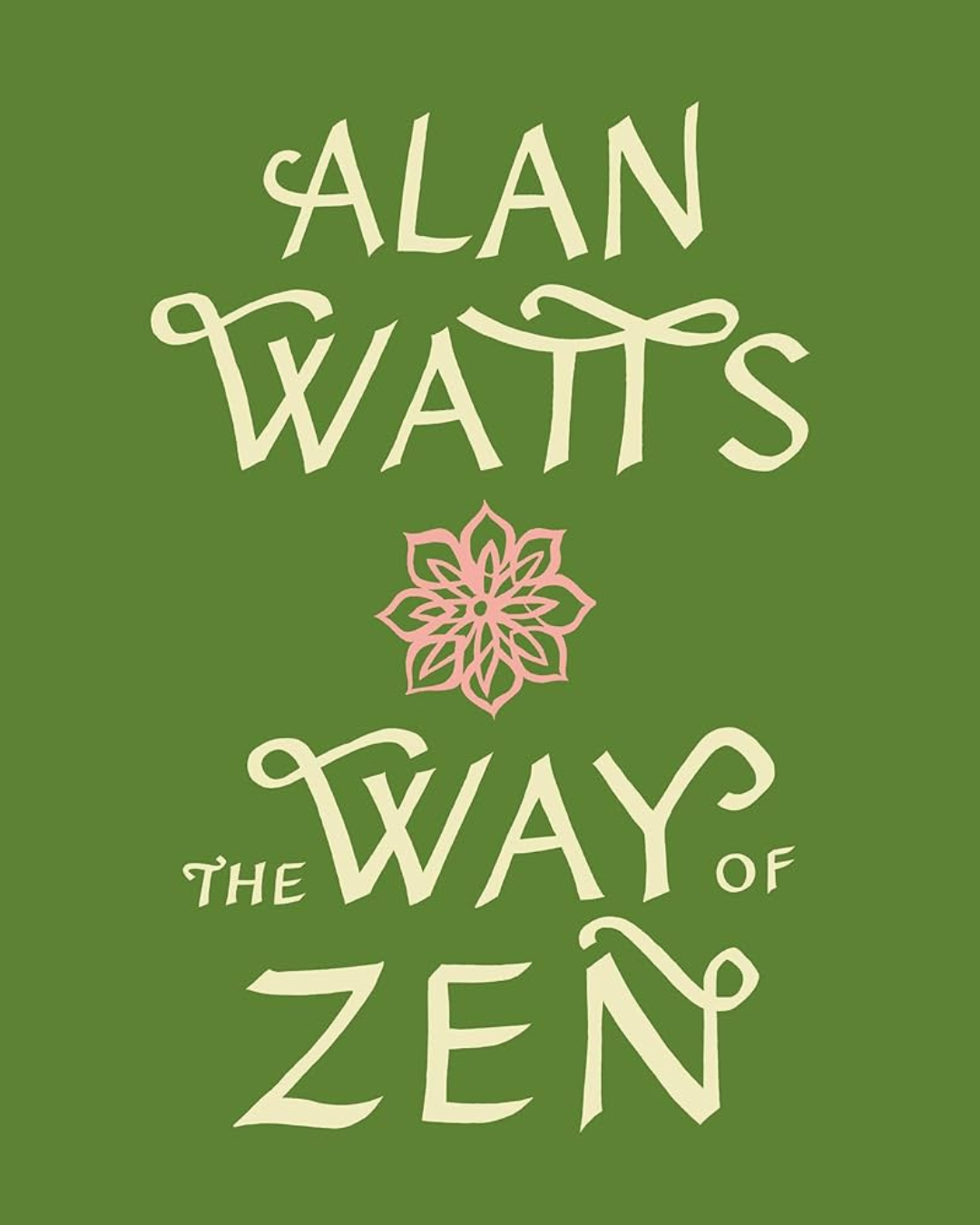
2. The Way of Zen by Alan Watts
First published in 1957, The Way of Zen was one of the books that brought Zen Buddhism to a Western audience for the first time, and it’s still considered one of the clearest and most accessible introductions written.
If you haven’t already come across the genius of Alan Watts, he was a British-American “philosophical entertainer” with an exceptional gift for writing, speaking, and translating complex ideas. In this book, he traces Zen from its roots in Indian Buddhism (specifically Mahayana teachings) and Chinese Taoism all the way through to the art, poetry, and daily practice that it gave rise to in Japan.
He doesn’t water it down, but rather, he illuminates it — and what makes his work so accessible is that it can often feel like listening to a brilliant friend explain something they’re genuinely passionate about. Listen to one of his talks here!
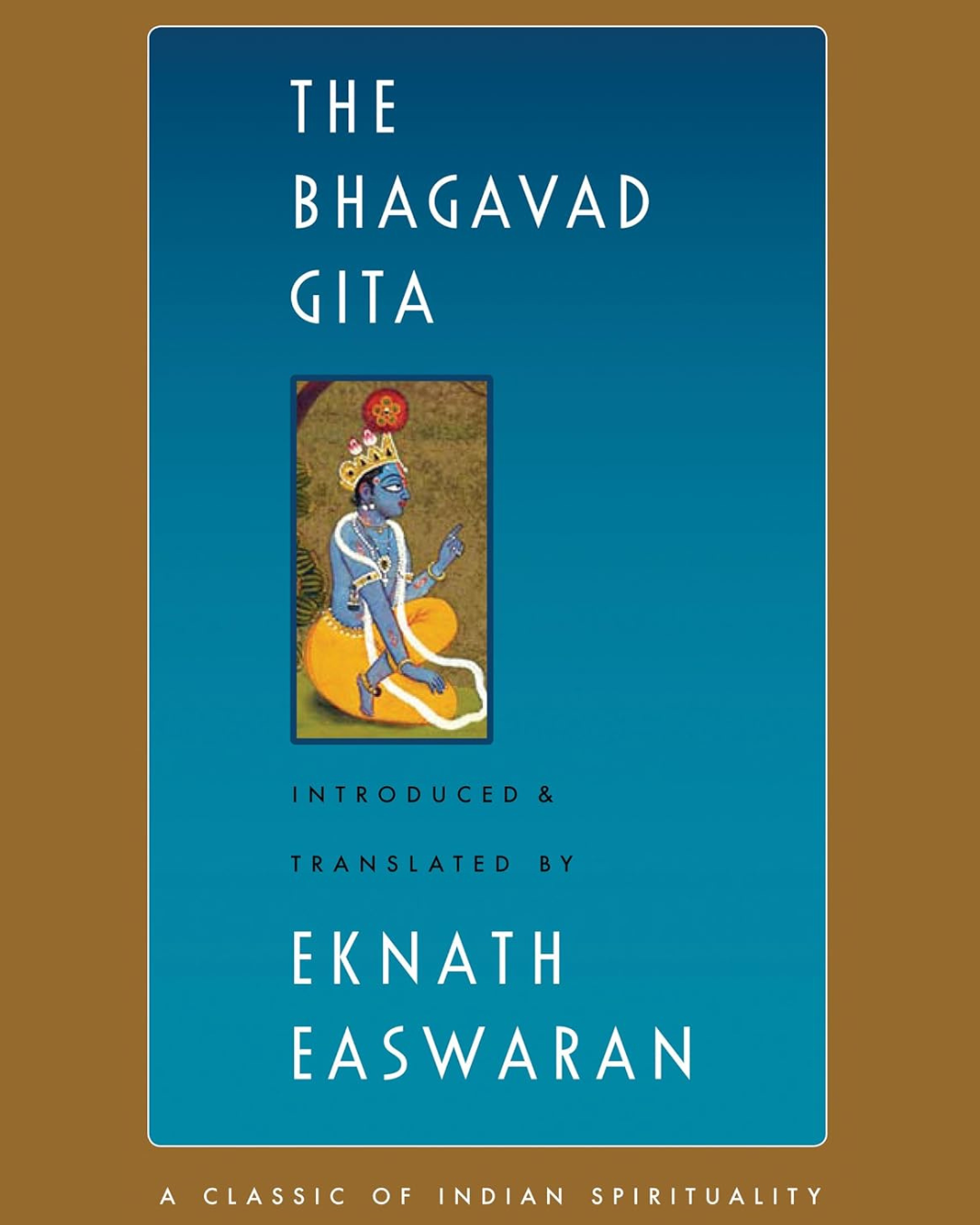
3. The Bhagavad Gita — Translated by Eknath Easwaran
Few texts have shaped human civilization as profoundly as The Bhagavad Gita (meaning “The Song of God”). Set on a battlefield at the dawn of a great war, The Bhagavad Gita is a sacred scripture of Hinduism that tells the story of a warrior named Arjuna, paralyzed by doubt and grief over fighting his own kin. What follows is a long, beautiful dialogue with his charioteer, who turns out to be Lord Krishna.
Eknath Easwaran’s translation from Sanskrit to English is widely considered to be the most accessible and accurate for modern readers. His introductions make even the most difficult passages feel readable and within reach without losing their depth.
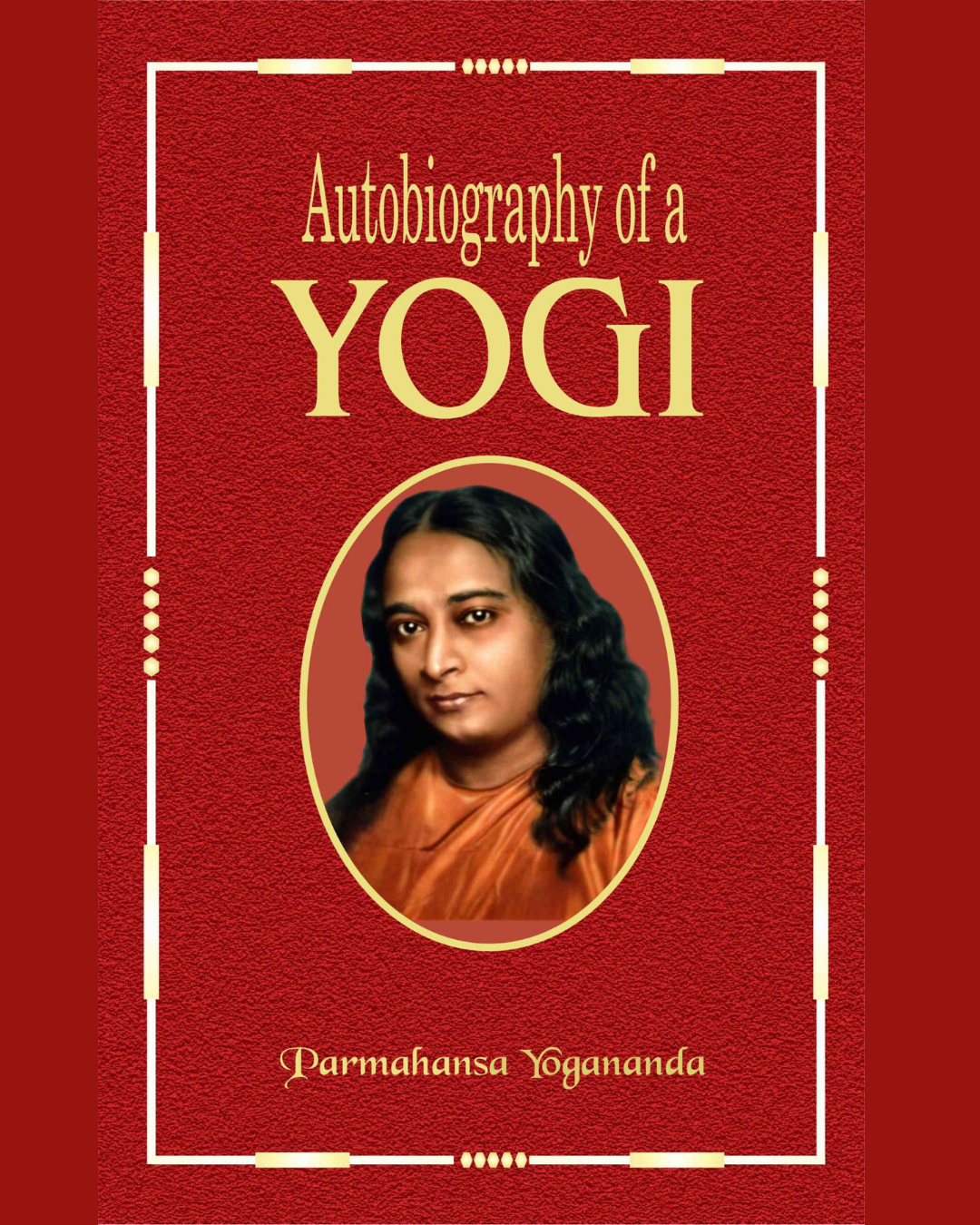
4. Autobiography of a Yogi by Paramahansa Yogananda
Last on the list, and perhaps the most personal: Autobiography of a Yogi. First published in 1946, this book is the memoir of Paramahansa Yogananda, often referred to as “Father of Yoga in the West” for bringing the science of Kriya yoga to the US — ultimately creating a spiritual bridge between the West and India.
Autobiography of a Yogi is a witty, luminous, and brilliantly written memoir that reads like a novel. Not only does it help readers understand yoga beyond the physical postures we all know on the surface, but it also serves as a beautiful introduction to Vedantic philosophy.
Fun fact: Steve Jobs read this book every year without fail, and even had 500 copies distributed at his funeral.
If you ask me for one takeaway, it’s this: while the various Eastern faiths and philosophies come from different places and different centuries, they all point in the same direction — inward. They don’t exactly ask you to arrive somewhere certain, instead, they invite you to trust what your soul remembers.
— Ghina Fahs
(All photo credit goes to respective owners, sourced from search engines)