






































Persian foods and the stories they tell us
Iran is home to one of humanity’s oldest continuous civilizations; a place where empires rose and fell, trade routes crossed, and poets composed works that still move readers thousands of years later.
As you might already know, food carries the stories of culture and history. Cuisine is not merely a collection of recipes, but an edible archive — In Iran’s case, of conquest and survival, of luxury and restraint, of a people who have always known how to create beauty in the midst of difficulty. No doubt, to sit down at an Iranian table is to commune with something ancient.
The Persian sofreh
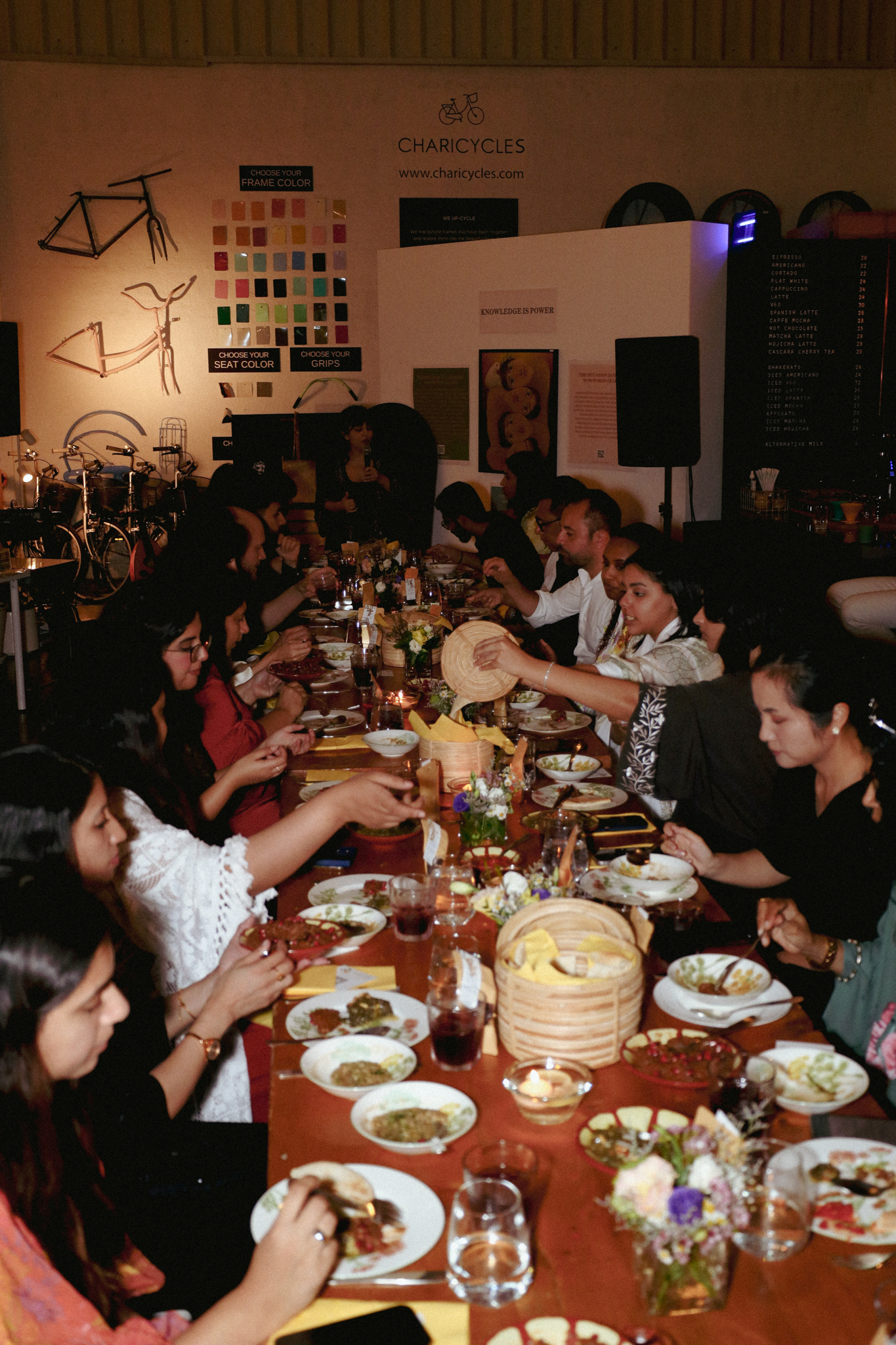
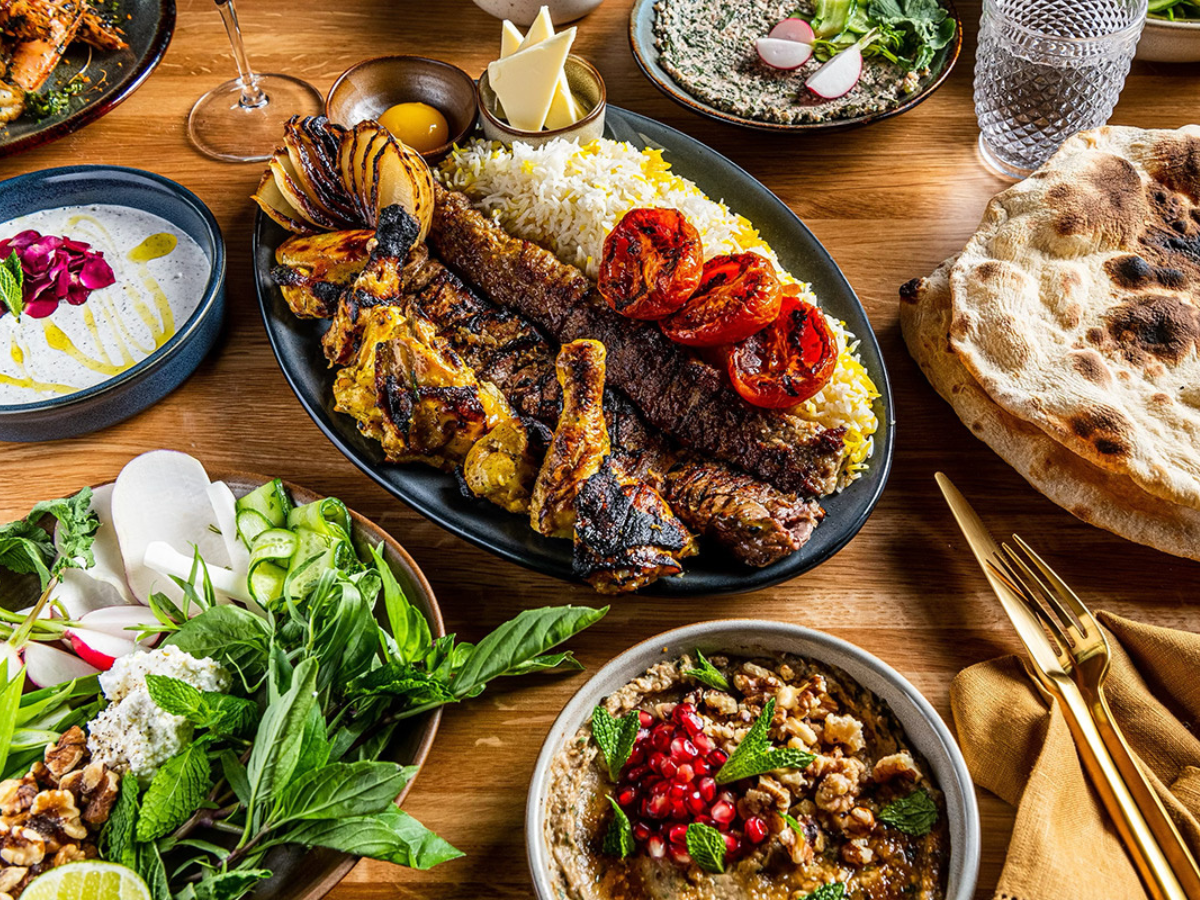
There’s a Farsi saying: “sofrehye abad” — wishing that your table always be full. The sofreh, which is the spread laid out on the tablecloth or floor, carries everything at once: stews, rice, herbs, pickles, bread, yogurt, fresh greens.
In Iranian culture, the spread of food is not only rooted in deep hospitality, but it is also an expression of affection and bonding. It’s about abundance made visible, to be shared in community. The concept of ta’rof, Iran’s elaborate culture of courtesy and generous insistence, means food is always offered more than once, always with love.
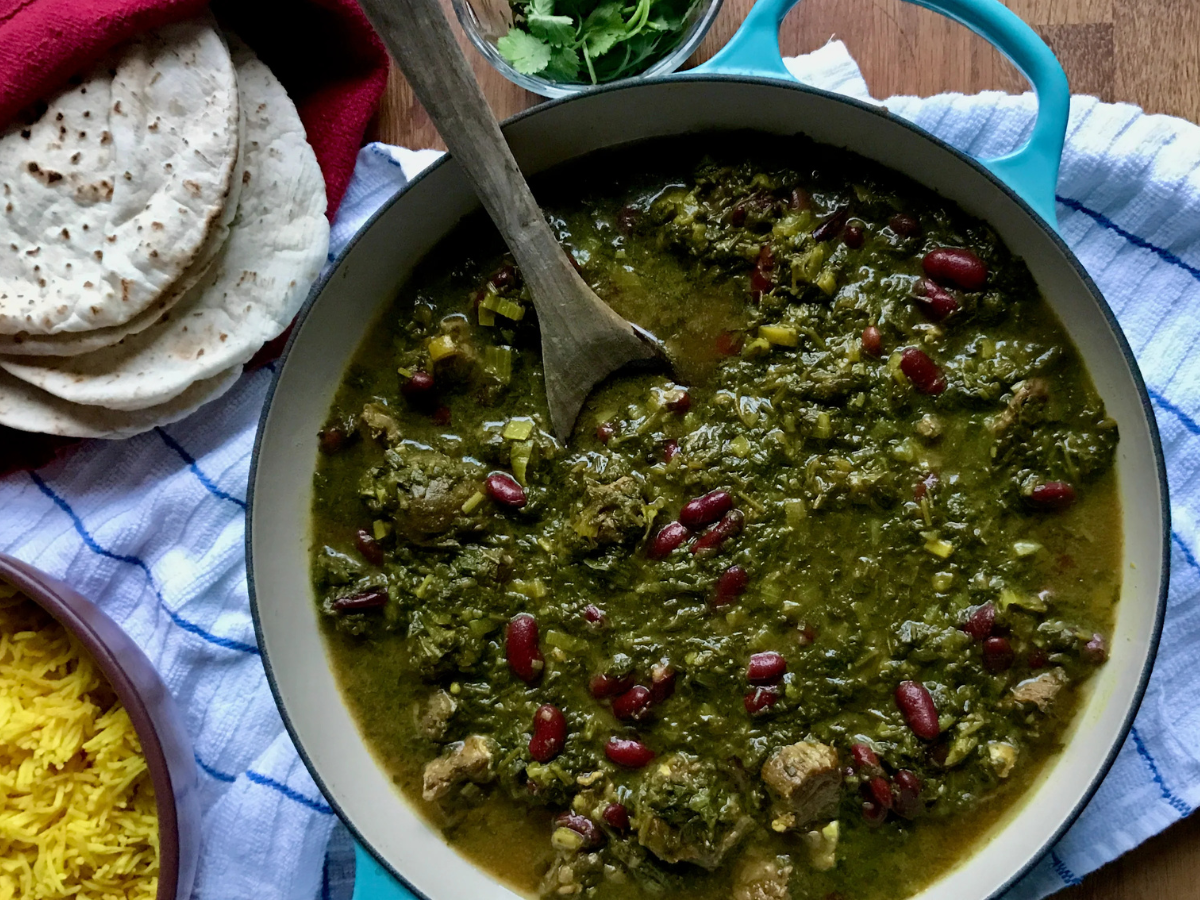
Ghormeh Sabzi: Iranian comfort food
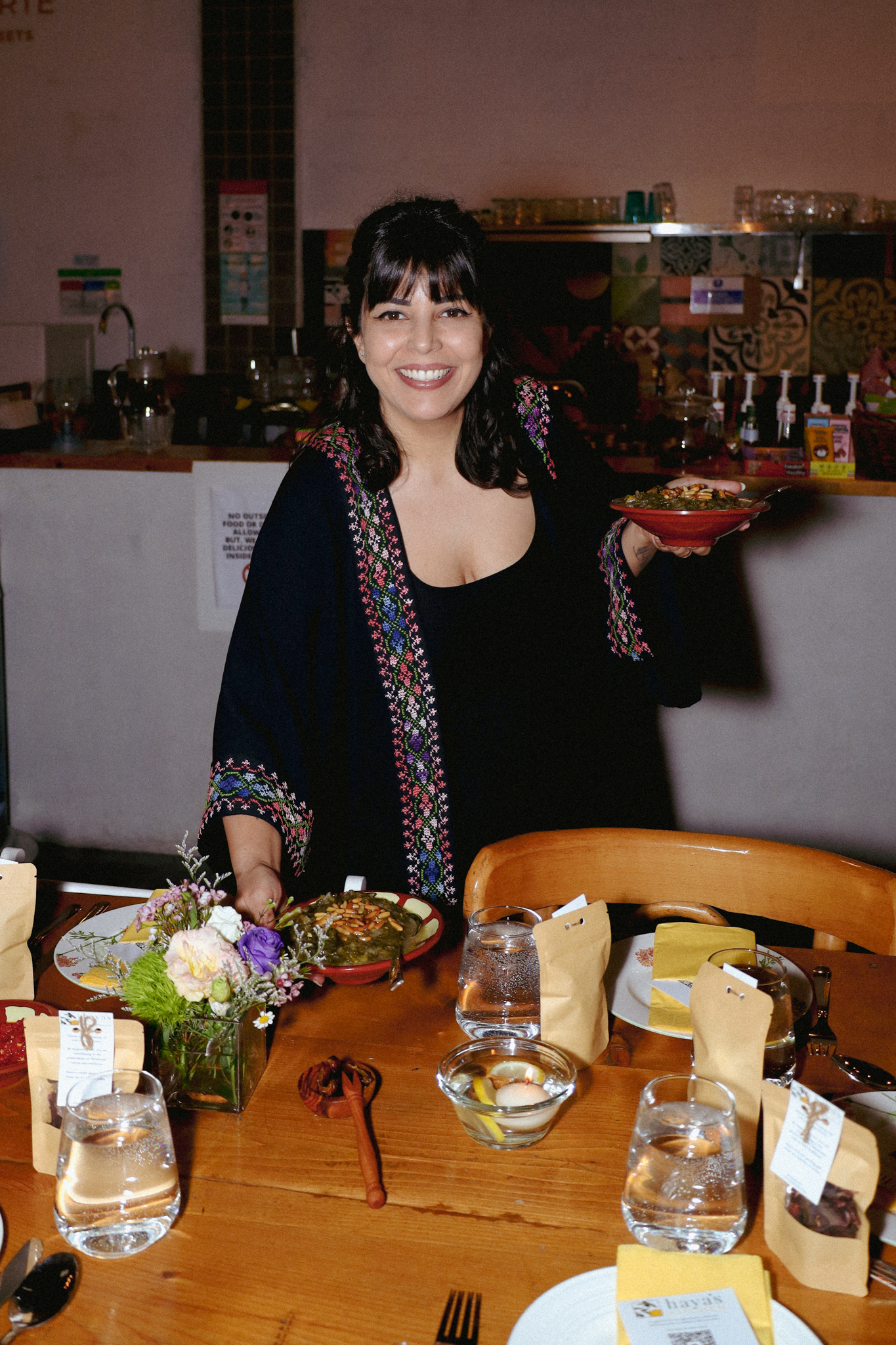
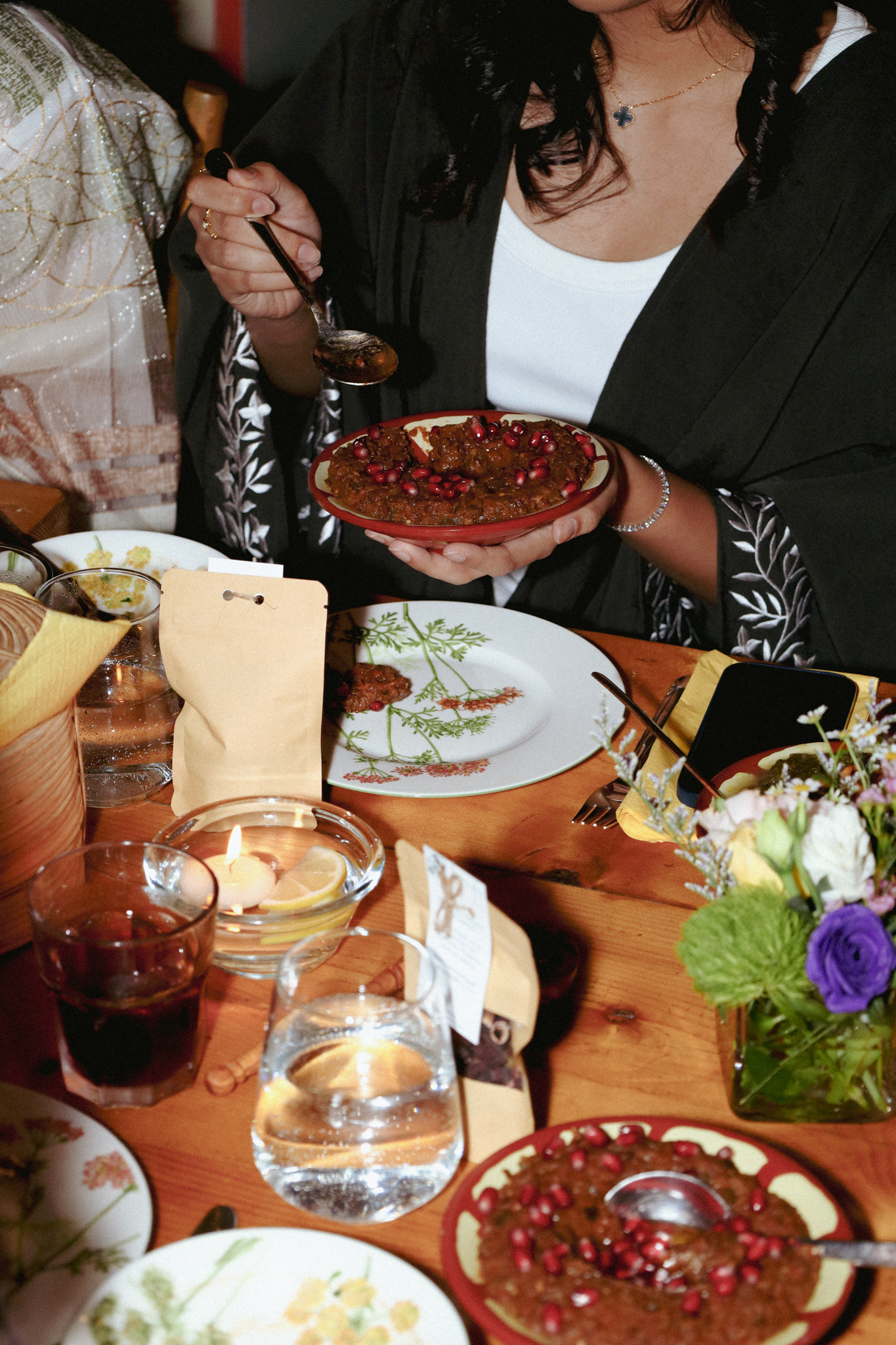
Ghormeh Sabzi is a dish that dates back thousands of years, originating from rural nomadic and farming traditions. Dark, earthy, intensely herbed and often served with Basmati rice — this slow-cooked stew of dried fenugreek, parsley, and kidney beans with braised meat is Iran’s most popular home cooked meal, known as the heart of Persian comfort food. Described as “a culinary embodiment of patience and balance,” it takes hours to make, carrying a depth that can’t be produced with shortcuts.
Every Iranian family has their variation, their particular ratio of herbs, their grandmother’s adjustment. With that, Ghormeh Sabzi is often the dish that travels furthest with the diaspora, because it serves as a lasting memory of home.
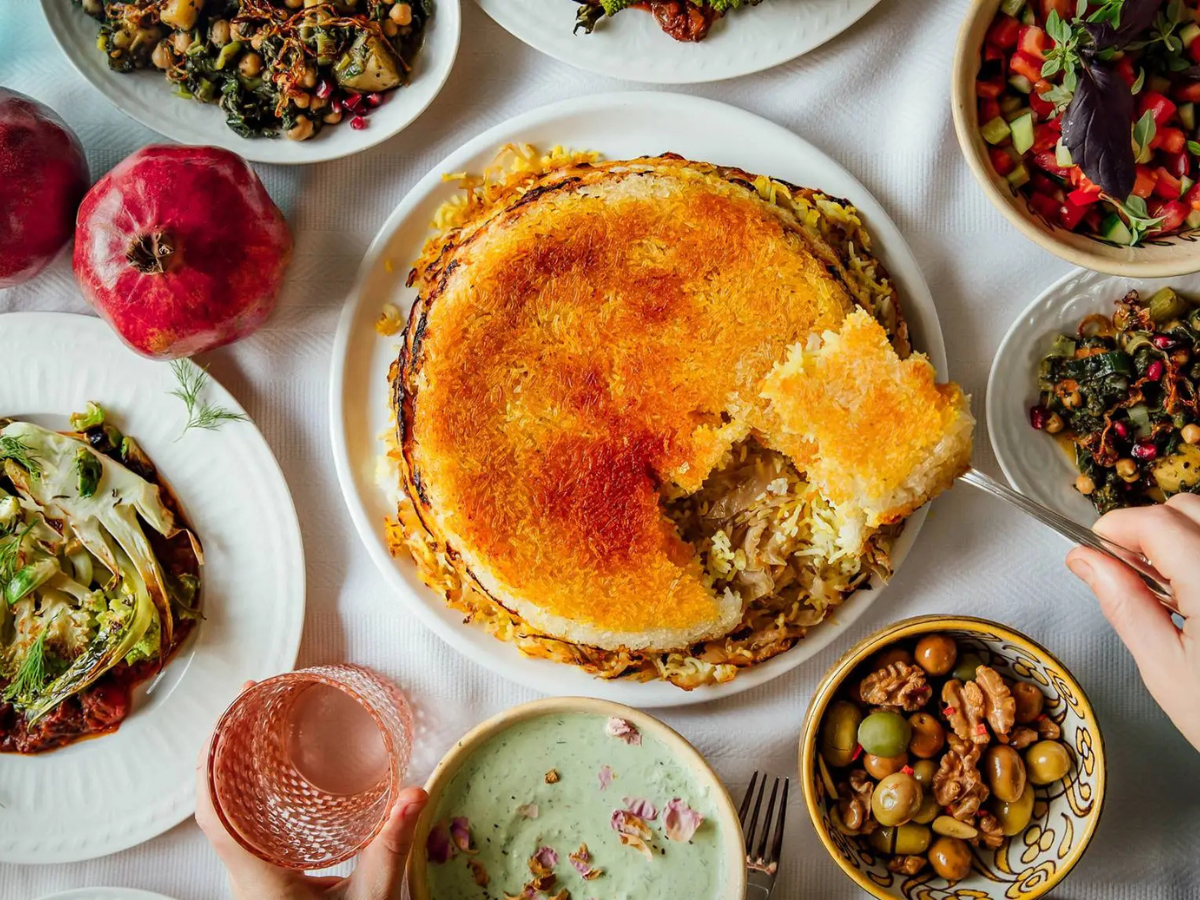
Tahdig: Scorched rice
No other dish captures the Iranian relationship with rice quite like Tahdig: the crispy, golden rice crust that forms at the bottom of the pot. Making Tahdig is its own discipline — the grains are parboiled and then steamed separately, layered with butter and saffron, and left to form the crust that makes this dish so iconic.
Originating in the mid-1800s, it’s believed to have evolved from an accidental discovery into a cherished Persian national dish now enjoyed in every Iranian household and occasion. Often served with stews and kebabs, Tahdig is one of the most prized components of a Persian sofreh.
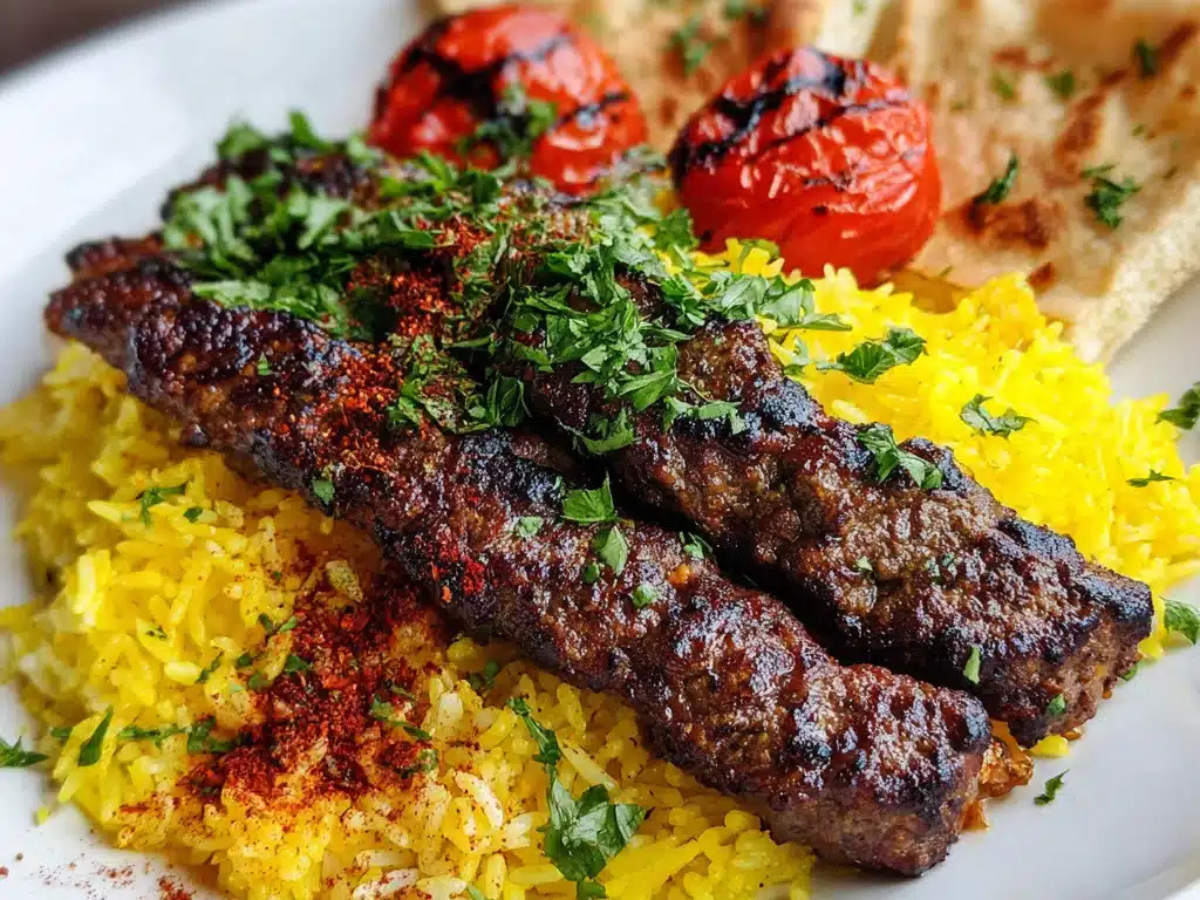
Chelow Kebab: Iran’s national dish
If Ghormeh Sabzi is the heart of the Persian home kitchen, Chelow Kebab is its public face — Iran’s great celebratory dish has made its way to everyone’s hearts and palates, from the street stalls of Tehran’s bazaars to Persian restaurants across the diaspora.
Chelow Kebab consists of marinated ground or cubed lamb or chicken skewers, charred over live coals until the edges caramelize, served alongside fluffy, steamed saffron-infused rice. Key accompaniments can also include egg yolk, grilled tomato, raw onion, sumac powder, fresh herbs, and doogh, a savory yogurt-based drink.
This dish stretches back to the Qajar era, when kebab is said to have traveled from the Caucasus into Iran during the reign of Naser al-Din Shah. The royal chefs adjusted it for Persian tastes — balancing fat, spice, and smoke — until it became the beloved dish that defines Persian cuisine today.
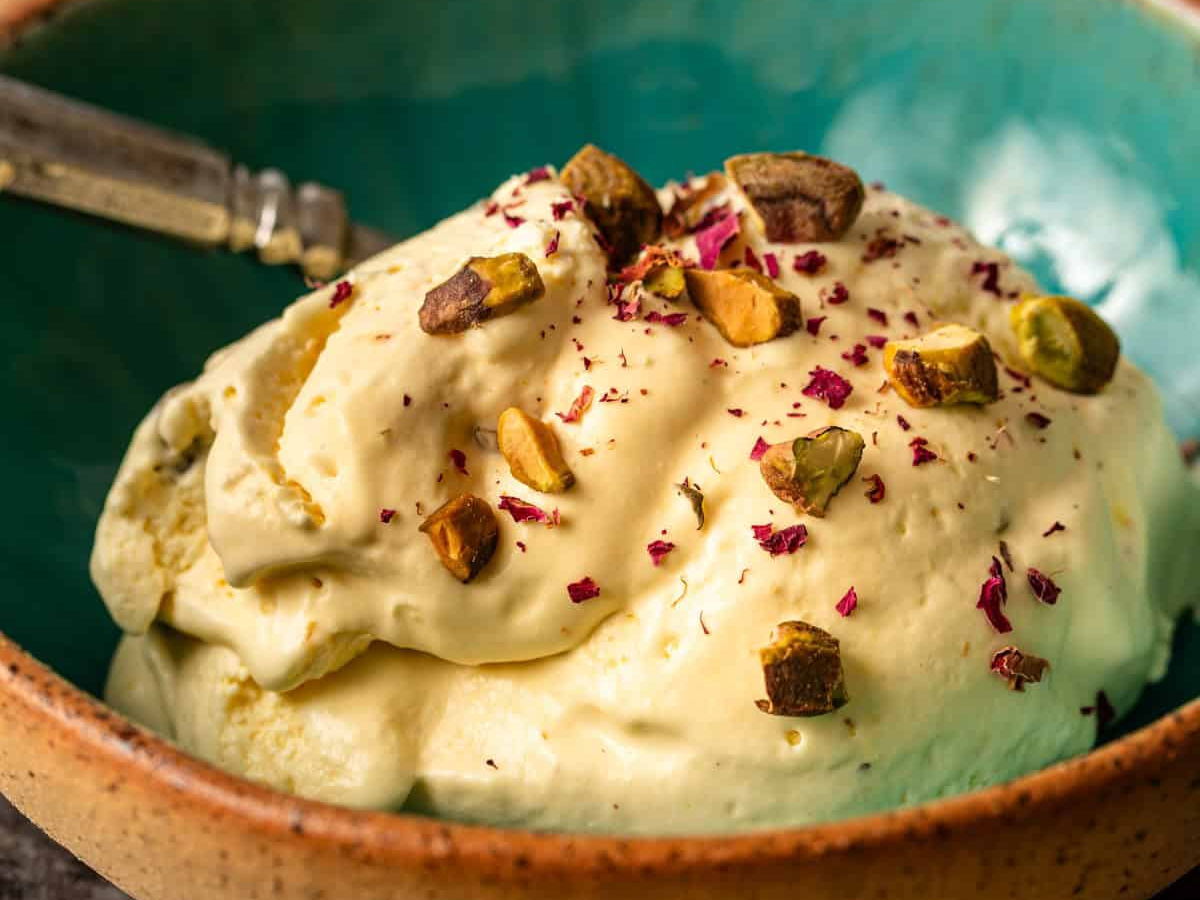
Bastani: Saffron and rosewater ice-cream
Saffron runs through Persian cuisine like a golden thread. Harvested from the Crocus sativus flower in the arid hills of Khorasan, saffron is the world’s most expensive spice by weight — and yet it appears on the Iranian table in such ordinary abundance.
Iran produces approximately 85–90% of the global supply, and uses it so freely not to impress, but because the land insists on it. In that way, saffron is a quiet metaphor for Iran itself: a country of immense richness that the outside world has long underestimated.
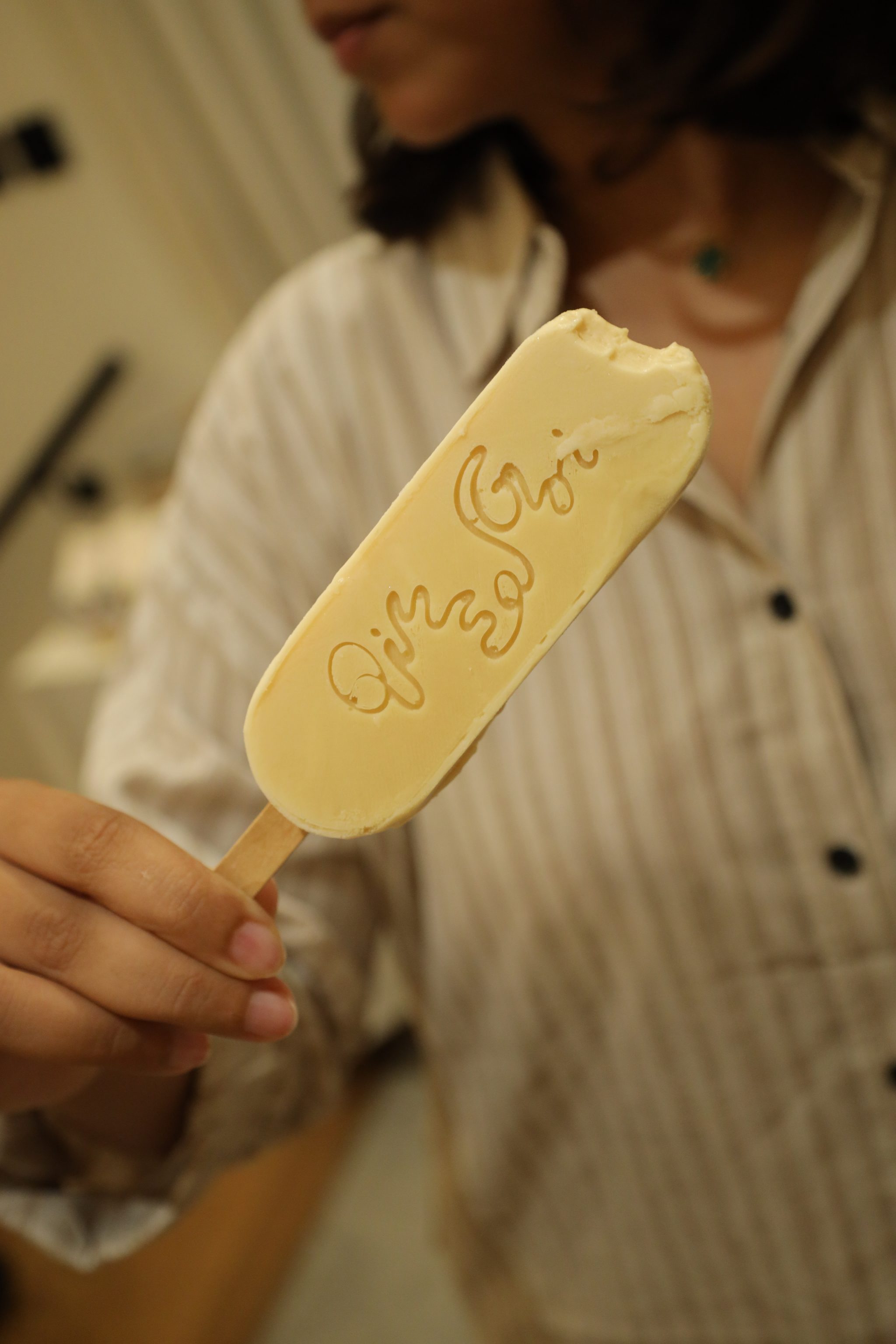
Bastani sonnati captures this luxurious beauty perfectly — Persian ice-cream made with saffron and rosewater, stretched with salep flour until it pulls like taffy, and studded with pistachios and rose petals.
— Ghina Fahs
(All photo credit goes to respective owners, sourced from search engines)