







































Decolonizing yoga, part 4: How yoga is a form of resistance
Hello dear reader, is 2026 starting to feel a little bit like 2020? While wars are raging around us and institutions we were taught to trust are revealing themselves as corrupt at their foundations, the current moment seems to be asking something of us…
In times like these, some might turn to yoga for stress-relief or a moment away from the chaos of the world. Sure, this helps in the day-to-day, but if you’ve been following this blog series, you’ll remember that yoga isn’t meant to be an escape from the world’s pain. Instead, it helps us stay centered, aware, and open-hearted while we come face to face with it.
In Part 3, we explored how yoga is fundamentally a practice of liberation: from suffering, from conditioned programming, and from the illusion that our individual freedom is separate from our collective freedom.
In part 4, we’ll continue our journey of decolonizing yoga by looking at yoga as a form of resistance.
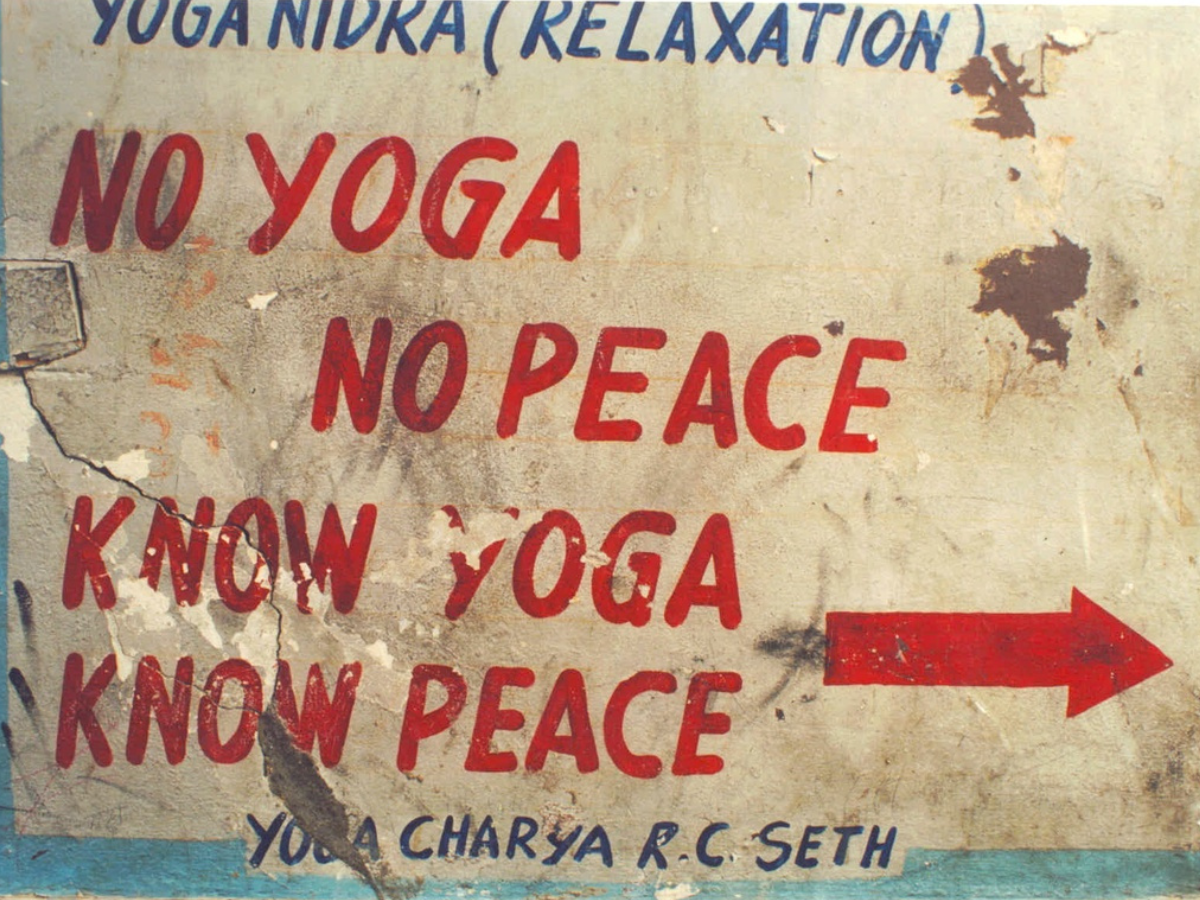
Yoga is political
Real yoga never pretends this world is free from wars and suffering. The Bhagavad Gita, one of yoga’s ancient foundational philosophical texts, is actually set on a battlefield, with a warrior in a crisis asking how to act justly in an unjust situation. And before yoga became a multi-billion dollar Western wellness industry, it developed significantly among people navigating profound suffering: caste oppression, colonial occupation, and the violence of empire.
When the British occupied India, yoga was deliberately suppressed because it was seen as a threatening technology of self-determination. This is because exploitation depends on people being dissociated from their bodies, disconnected from their intuition, numbed to their hearts, and too exhausted or anxious to think clearly. A person who knows themselves from the inside out, who knows how to regulate their nervous system, who feels rooted in something beyond the empire’s narrative, is much harder to control.
Understanding this history changes what it means to practice, and reminds us that yoga is so much more than stretching and core-strength.
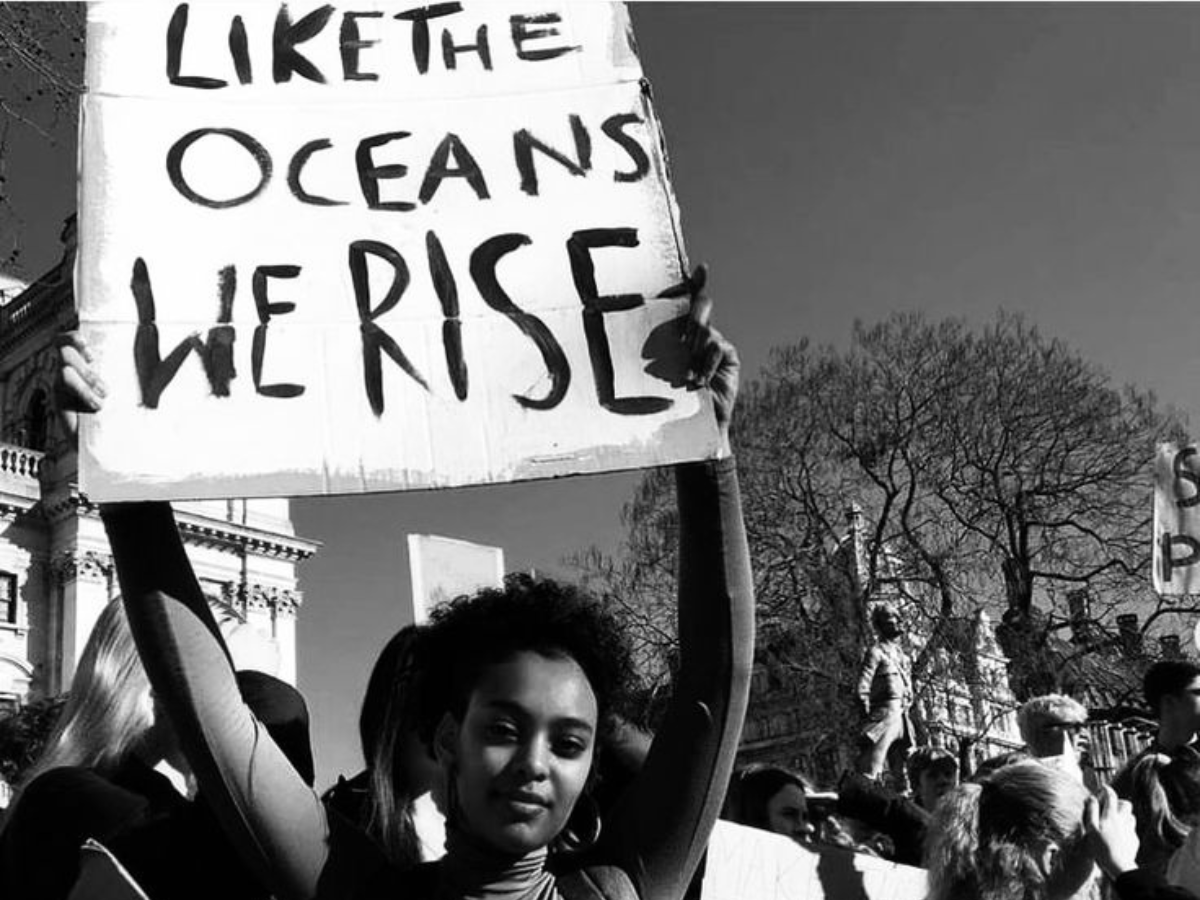
Yoga asana and beyond
Yoga poses are a small part of what yoga offers. There are other limbs of yoga that when applied with conscious intent, can very well make your practice revolutionary.
Here are a few ways that we can apply concepts and techniques offered by the system of yoga to resist forces of oppression. Today we’ll look at 3 limbs; asana, pranayama, and the yamas.
Make sure you keep an eye out for part 5 and 6 of our Decolonizing Yoga blog series, where we’ll share more from the 8 limbs of yoga:
- Asana (posture/embodiment): Practicing asana is resistance against the alienation of the body that modern systems produce, turning it into a site of productivity rather than presence. To build mind-body awareness, inhabit your body fully, to feel it, to know its edges and its power, is to restore something that was stolen. Asana also builds the literal physical resilience needed for sustained engagement in the world.
- Pranayama (breath control): We know now from neuroscience what practitioners have always known: that conscious breathing directly regulates the nervous system. And a regulated nervous system is one that can feel clearly, think clearly, and act from values rather than panic. When the goal of oppressive systems is to keep us in a chronic state of fight-or-flight, the ability to breathe ourselves back to center is an act of quiet defiance.
Yamas (ethical social principles):
- Ahimsa (non-harming): In a world running on systemic violence, ahimsa means refusing to participate in or replicate the dehumanizing logic of oppressive systems. It means asserting the dignity of all life while defying structures built on harm and domination. Rather than passive acceptance, it demands courageous, active confrontation with injustice.
- Satya (truthfulness): Oppressive systems survive on distorted, fear-based narratives, misinformation, propaganda, and manufactured consent. Satya means being an agent of truth, speaking clearly even when clarity is dangerous, and refusing the comfortable lies that make complicity easier.
- Asteya (non-stealing): If not-stealing is a virtue, then systems built on structural theft, exploitation, and extraction are systems in profound adharma. Practicing asteya can look like protesting against colonial land theft and questioning where our goods come from as well as who pays the hidden cost — then, boycotting!
- Brahmacharya (conservation of vital energy): In a modern resistance context, Brahmacharya is about protecting your attention. Your attention is a resource that corporations, governments, and media ecosystems compete to colonize. It means reclaiming sovereignty over your own consciousness, choosing what you feed your mind, and protecting your inner life from the endless machinery of outrage and distraction.
- Aparigraha (non-grasping, non-hoarding): Aparigraha strikes directly at the ideology of accumulation that underlies our capitalist environment. The systemic concentration of wealth and power we see around us today is aparigraha’s opposite. To free ourselves from the illusions of capitalism and consumerism, thus releasing our grip on excess, is both a personal liberation and a quiet political refusal.
With eyes wide open
When the chaos is loud, when every channel is flooded with urgency and spectacle, keeping us depleted and isolated — yoga offers a return to your body, to your center, to your personal power, to your values, and to your humanity; that is a radical act.
This is why decolonized yoga is dangerous to systems of control: it produces people who are hard to manipulate. People who know the difference between their own voice and the one being projected onto them. People who can sit with discomfort without needing to escape into consumption or compliance.
When we practice yoga as a form of resistance, we practice with the awareness that our mat is not where we go to dissociate, but where we go to remember who we are. We practice to find our own steady ground from which courageous action becomes possible. We practice so that when we’re out in the world, we move with our eyes wide open.
— Ghina Fahs
(All photo credit goes to respective owners, sourced from search engines)