




































































Thailand kitchen tour: Beyond Pad Thai
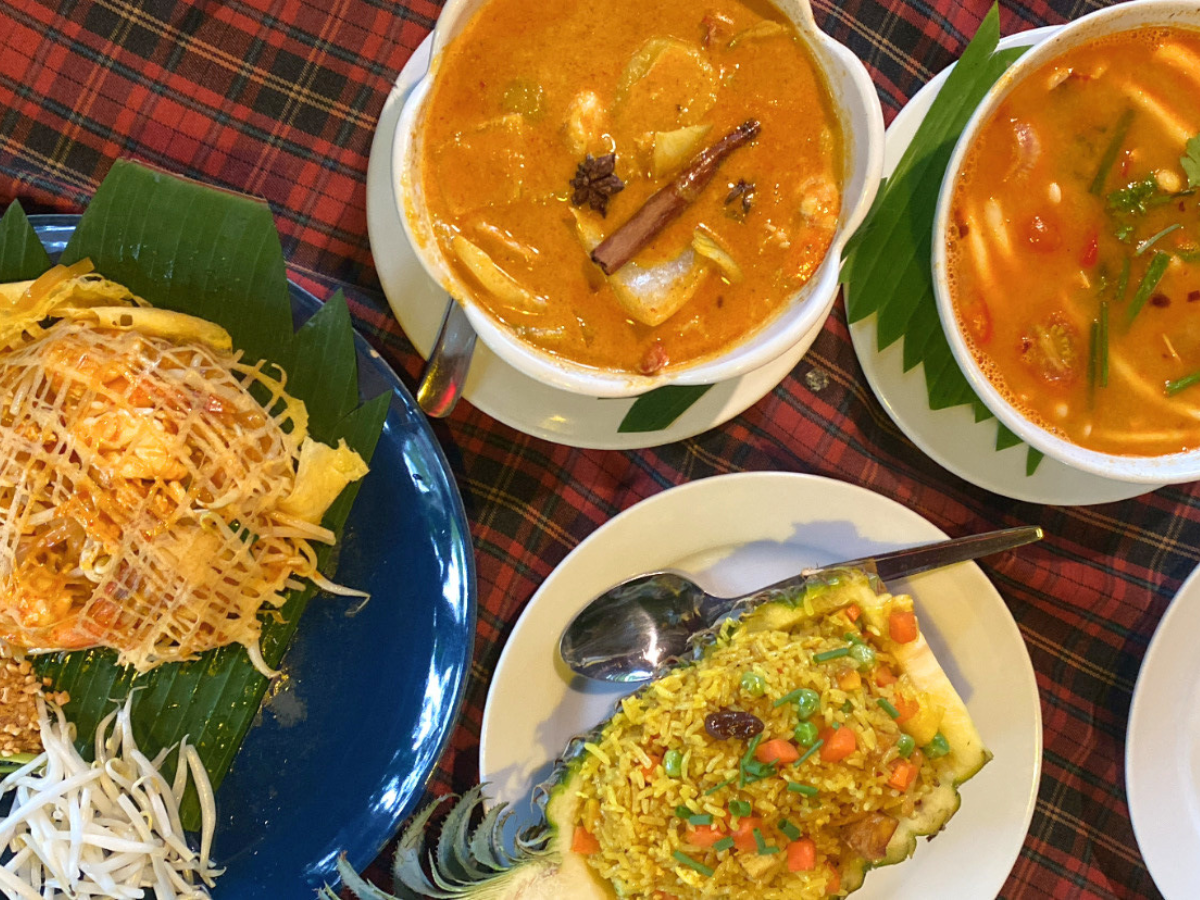
Whether you’ve visited Thailand or you’re a regular at the best Thai restaurant in your city, you probably already know (and have perhaps exhausted) the most popular, mouthwatering Thai foods — Pad Thai, green curry, mango sticky rice, and so on… These dishes are a great entry point, but honestly? They barely scratch the surface of a cuisine with a much wider variety of flavors and regional delicacies.
I’m currently on my second trip to Thailand, enjoying one of the best cuisines in the world, and I’d love to let you in on some foodie secrets so that the next time you’re in search of Thai flavors, you’ll take your sensory experience far beyond the same old Pad Thai noodles.
Here are some of my recommended food swaps that will elevate your Thai food experience — links to recipes included:
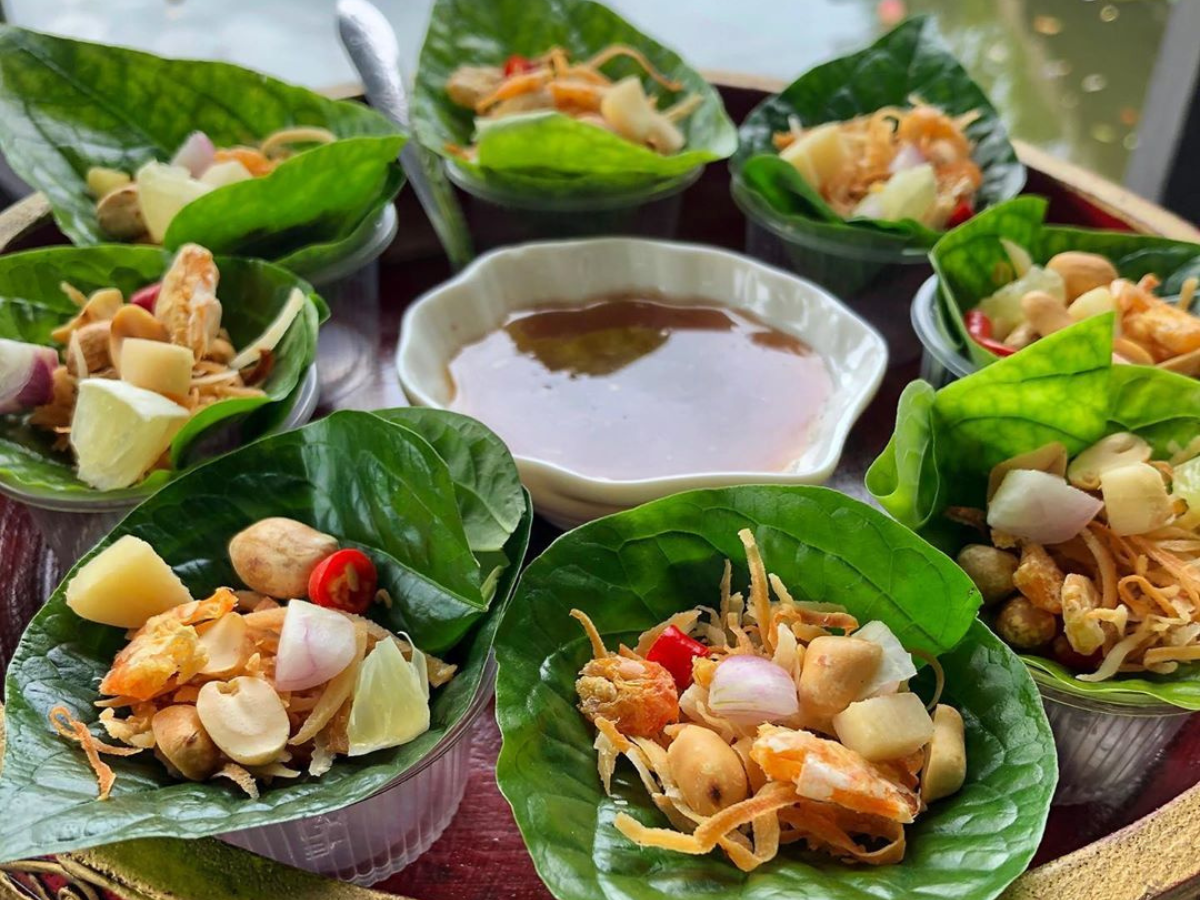
Miang Kham (leaf wrap) instead of Som Tum (papaya salad)
While papaya salad is a popular favorite that gives you that bright hit of sour-spicy-sweet, Miang Kham gives you all seven Thai flavor notes — sweet, sour, salty, spicy, bitter, astringent, aromatic — all in a single bite.
It’s often served as a “build-your-own snack” packed with healthy ingredients: a wild pepper or betel leaf piled with toasted coconut, dried shrimp, peanuts, lime, ginger, and chili, then folded and eaten whole.
The appetizer traces back to the Lanna Kingdom in northern Thailand, where it began as a way of wrapping fermented tea leaves, and later became a refined favorite of the royal court (and myself, of course).
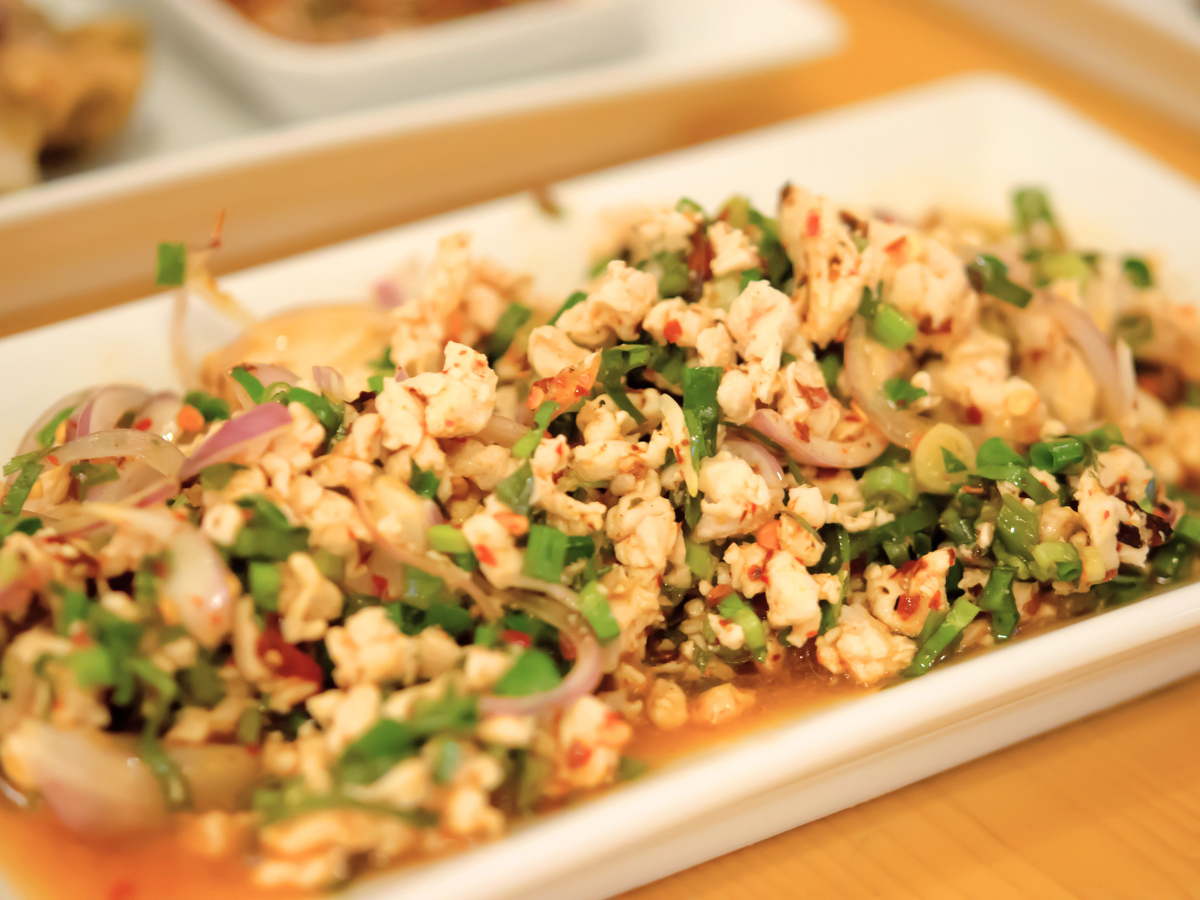
Laab (spicy minced salad) instead of Pad Kra Pao (holy basil stir-fry)
Pad Kra Pao (also spelled Pad Krapow) is an everyday-dish you’ll see advertised all over Thailand. I like to think of Laab (sometimes spelled Larb) as its healthier, zestier cousin. Hailing from Isan (Northeast of Thailand) but also enjoyed in Lao and Cambodian cuisine, it’s a minced meat salad tossed with lime juice, fish sauce, dried chili, fresh herbs, and the star ingredient that completes it: toasted rice powder, or khao khua, which adds a nutty, sandy crunch.
Laab is usually served with a pile of raw vegetables (sometimes rice as well), and is one of the oldest dishes in both Lao and Isan cooking. The main ingredient is usually chicken or pork but tofu variations are also available.
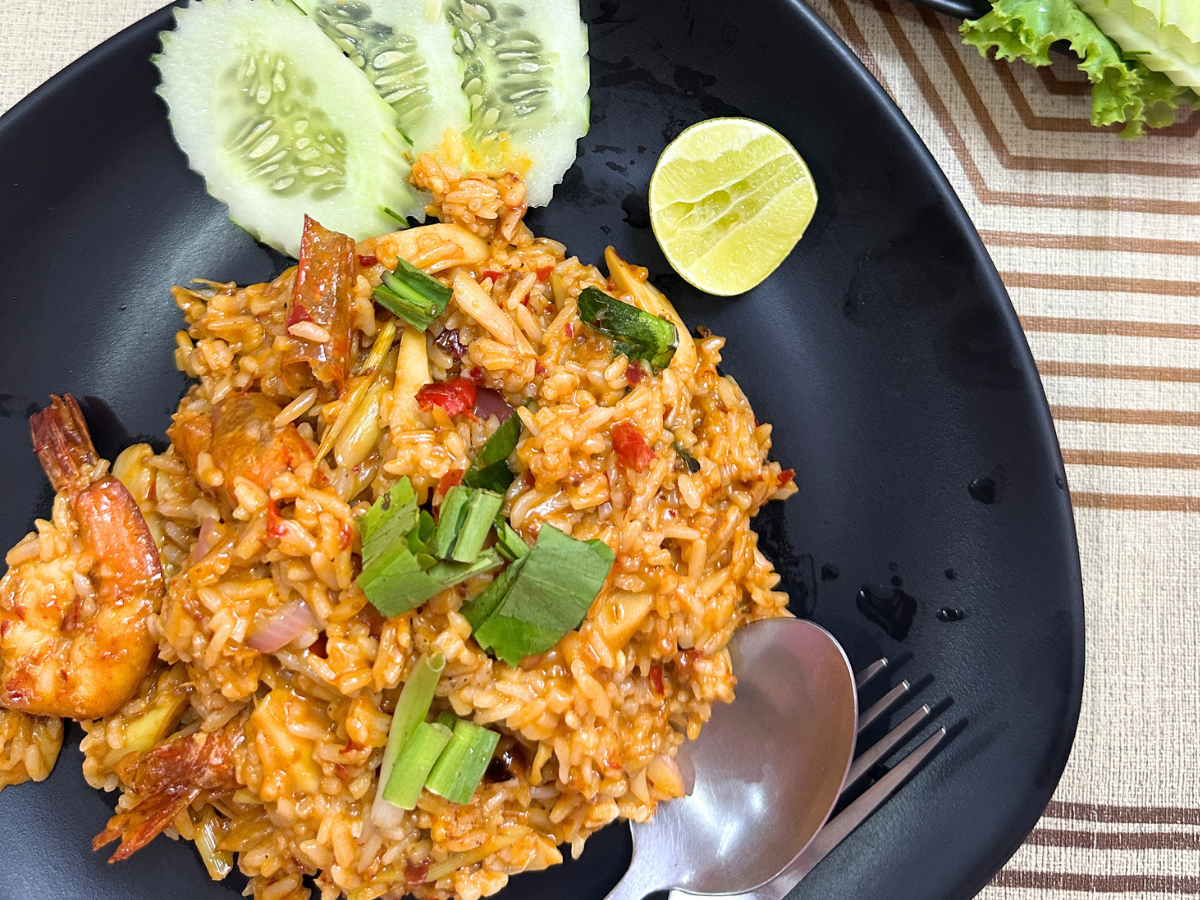
Khao Pad Tom Yum (fried rice) instead of Tom Yum Goong (soup)
Calling all Tom Yum soup lovers! This masterpiece is a 2-in-1 dish that takes everything you love about Tom Yum soup; lemongrass, galangal, kaffir lime, sour chili paste, and prawns (optional) and folds it into a wok of fried rice instead of a bowl of broth. When I tell you my jaw dropped after the first bite…
Khao Pad Tom Yum is a more recent, homegrown mashup that reflects Thailand’s enduring love affair with the bold flavors of Tom Yum. It’s far from the only one though — those same powerful flavors turn up pretty often across Thai fusion cuisine, from spaghetti to pizza toppings to cocktails!
Hot tip: If you’re in Bangkok, try it at Aonchorn Thai Restaurant.
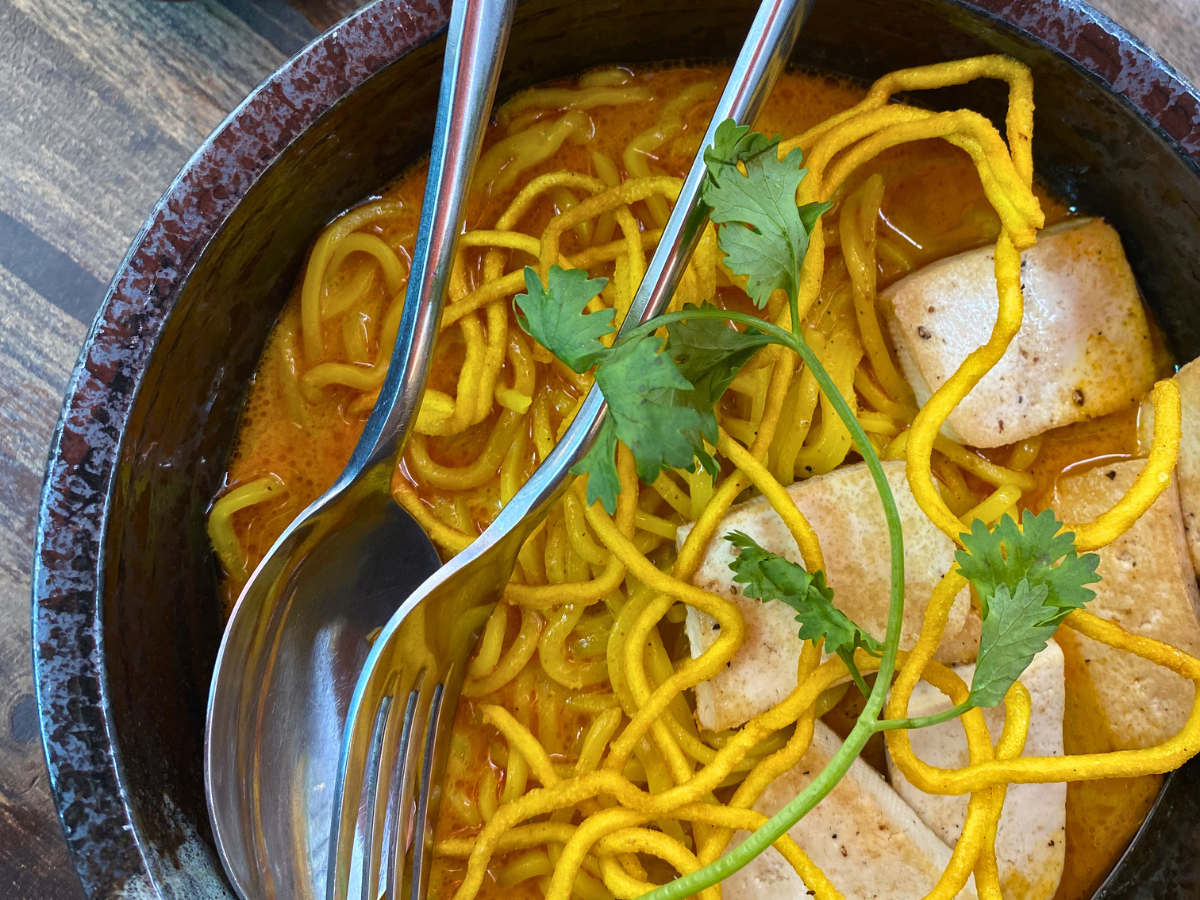
Khao Soi (curry noodle soup) instead of Pad Thai (stir-fried noodles)
While the story of Pad Thai is very interesting, I honestly think the dish itself is overrated at this point. I’d personally choose Khao Soi over Pad Thai any day. Khao Soi is a staple dish in northern Thailand that consists of soft egg noodles and crispy fried noodles sitting in a rich, coconut curry broth, topped with pickled mustard greens, shallots, and chili oil.
Its roots trace back to Chinese-Muslim traders from Yunnan, China who carried the dish through Myanmar and Laos before it settled in Chiang Mai, which is why it closely resembles the equally delicious Burmese noodle dish Ohn No Khao Swè. The main source of protein is usually chicken or tofu.
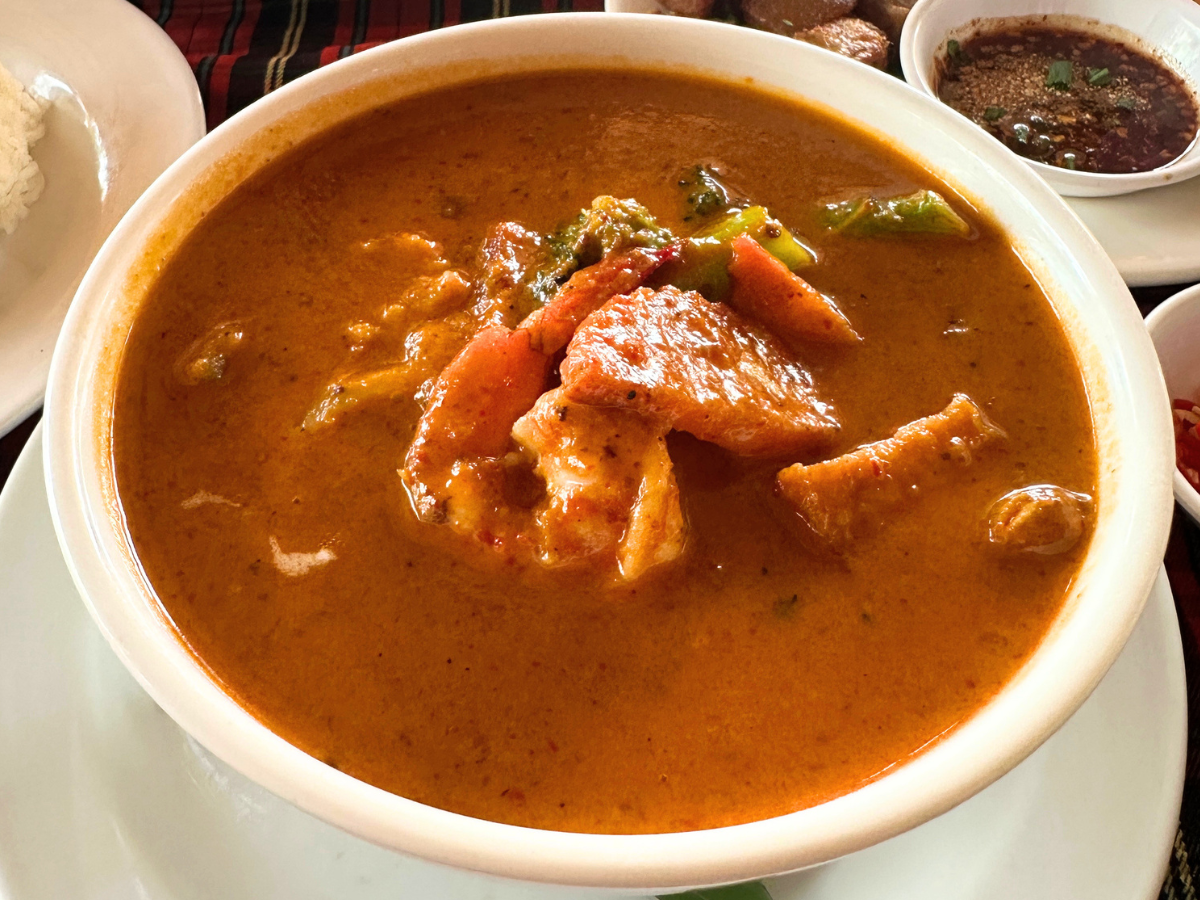
Kaeng Massaman (massaman curry) instead of Kaeng Khiao Wan (green curry)
Not gonna lie, I haven’t had green curry since I discovered massaman curry. Where green curry is sharp and herbaceous, massaman is on the sweeter side; mellow and warmly spiced with cinnamon, cardamom, and nutmeg rather than fresh chilies. The curry goes well with chicken, beef, prawn or tofu.
The name massaman is believed to come from the Persian word for “Muslim,” a nod to the Persian and Indo-Malay Muslim traders who brought these spices into the royal court at Ayutthaya in the 17th century. CNN Travel crowned it the world’s best food in both 2011 and 2021, beating out sushi and pizza for the title.
Hot tip: If you’re around Ao Nang, Krabi — try it at KoDam Kitchen.
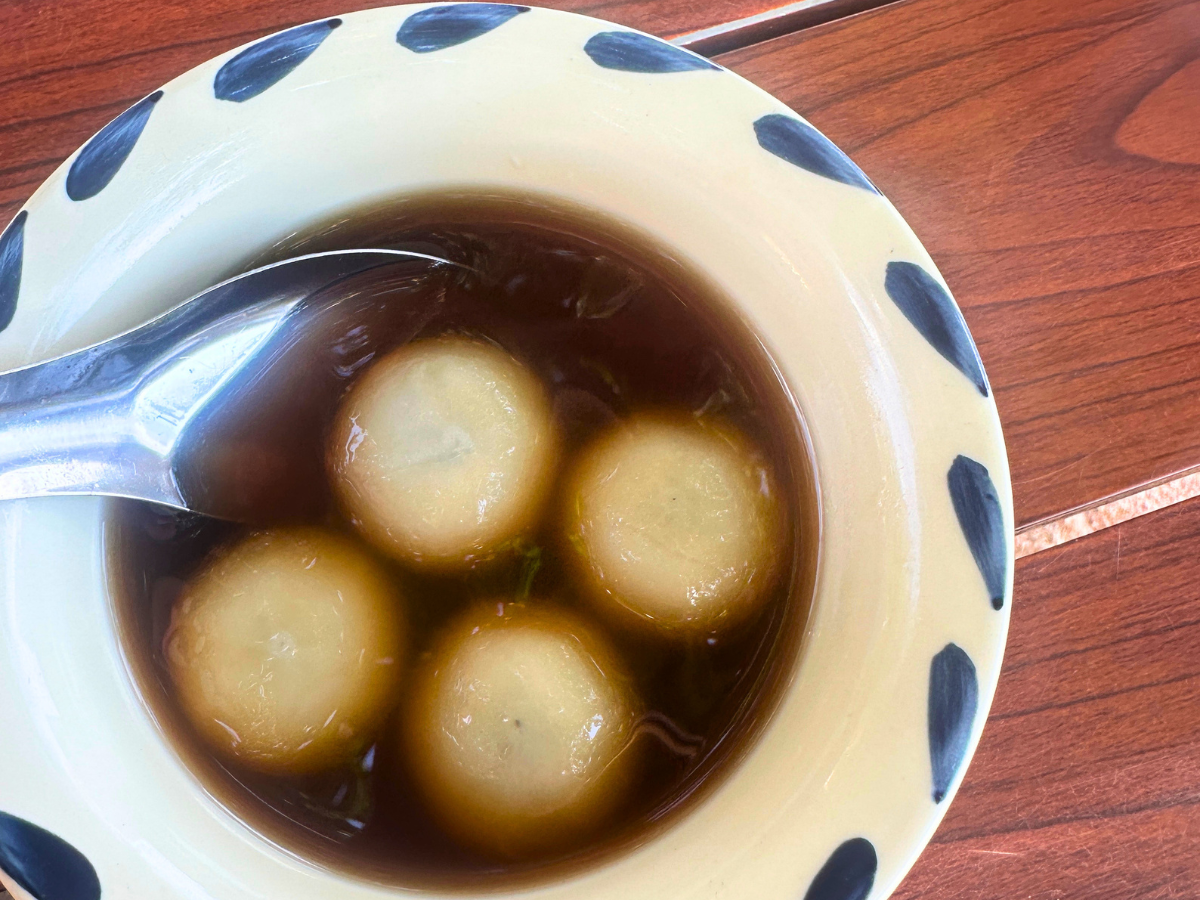
Bua Loy Nam Khing (sesame dumplings in ginger tea) instead of Khao Niaow Ma Muang (mango sticky rice)
Mango + sticky rice + coconut milk will never not be a magnificent dessert combo, but if you feel like you’ve had enough and you’re looking for another mouthwatering surprise combo, try Bua Loy Nam Khing: chewy glutinous rice dumplings filled with black sesame paste, served warm in spicy ginger tea. Easily one of my favorite discoveries in Thailand!
This dish is originally Chinese — adapted from Tangyuan, the dessert eaten during China’s Lantern Festival. It arrived with Chinese immigrants and took root in Bangkok’s Chinatown, where it’s still a specialty today (and where I first discovered it). Before you dig in, keep in mind that in true Thai fashion, the ginger tea may be extra spicy. Sip slowly.
Hot tip: If you’re in Bangkok, try it at the little food stalls on Yaowarat road, also known as Bangkok’s Chinatown.
Goodbye note: For the ones planning a trip to Thailand, remember to ask for low or medium spicy levels if you can’t handle the intense Thai heat — which they’re very serious about, by the way… Enjoy!
— Ghina Fahs
(Photo credit goes to respective owners)